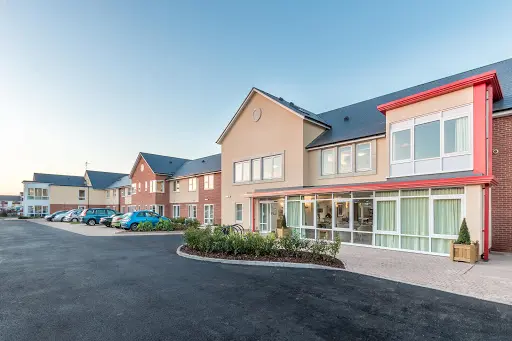
Fernbrook House
At a Glance
The information you need to decide whether this home warrants a closer look.
Nursing homes
Staff warmth score
of reviewers answered yes
Good to know
- Registered beds30
- SpecialismsCaring for adults over 65 yrs, Dementia
- Last inspected2021-02-04
Save Fernbrook House to your shortlist
Keep a running list, add visit notes, and compare homes side-by-side. Free account — it takes a minute.
STAGE 4 — RESEARCHING CARE HOMES
Visit homes. Compare them side by side. Choose with confidence.
Most of us will view care homes the way we view houses, impression, atmosphere, the feeling in the corridor. We go home, try to remember what we saw, and make a permanent decision from a blurred memory.

The DCC shortlist gives every home you visit a structured record: the same twelve questions, answered the same way, every time. When you’re ready to choose, pull any two homes side by side and compare them directly. Same criteria, same evidence, your notes and your scores.
The Evidence
What the review data, the inspection reports, and the dementia-care evidence base tell us about this home.
What families say
Families describe staff who take time to understand each resident's individual needs and preferences. Several mention how carers helped their relatives rediscover enjoyment in meals after losing their appetite, finding foods they'd happily eat again. The activities coordinator visits three mornings each week, bringing music and singing sessions that families say brighten residents' days.
The eight family priority themes
- Staff warmth72
- Compassion & dignity72
- Cleanliness72
- Activities & engagement68
- Food quality68
- Healthcare72
- Management & leadership72
- Resident happiness70
What inspectors found
Inspected 2021-02-04
Is this home safe?
Is the care effective?
Fernbrook House was rated Good for effectiveness at its July 2025 inspection. The home is registered to provide nursing care and to support people living with dementia, which implies a requirement for trained, competent staff. The published summary does not include specific detail about care plan quality, dementia training programmes, GP access arrangements, or how the home monitors and responds to changes in residents' health. No observations about food quality, dietary management, or mealtime experience are recorded in the available text.Is this home caring?
Fernbrook House was rated Good for caring at its July 2025 inspection. No specific inspector observations, resident testimony, or relative quotes are included in the published summary. The Good rating indicates inspectors were satisfied that staff treated residents with dignity and respect, but the absence of recorded detail means it is not possible to say what specific practices or interactions underpinned that judgement.Is the home responsive?
Fernbrook House was rated Good for responsiveness at its July 2025 inspection. The home is registered to support people living with dementia, which requires an activity and engagement offer tailored to individual ability and preference. The published summary includes no specific detail about the activity programme, one-to-one engagement, how the home responds to individual needs or requests, or how end-of-life care is approached. No resident or relative testimony about daily life or engagement is recorded in the available text.Is the home well-led?
Fernbrook House was rated Good for leadership at its July 2025 inspection. Mrs Lillian Kufa is the registered manager and Mr Mohammed Azeem Raja is the nominated individual. The home has been inspected six times, with the previous overall rating being Requires Improvement before recovering to Good at the most recent inspection. The published summary does not include specific detail about management visibility, staff culture, governance systems, or how the home handled the improvement process.
Source: CQC inspection report →
What the evidence base says
Fernbrook House cares for adults over 65, with particular experience supporting those living with dementia. The team shows patience and understanding when caring for residents with dementia, helping them maintain connections to things they enjoy like music and favourite foods. All areas worth probing directly during a visit.
The DCC Verdict
Our editorial view, built from the three lenses: what families tell us, what inspectors record, and how the home sits against good dementia-care practice.
DCC Family Score
Fernbrook House has recovered from a Requires Improvement rating to achieve a Good rating across all five domains at its latest inspection in July 2025. The score reflects that positive findings are confirmed at domain level but the published report contains limited specific detail, quotes, or direct observations to push scores higher.
Homes in East typically score 68–82.The three-lens summary
What families tell us
Families describe staff who take time to understand each resident's individual needs and preferences. Several mention how carers helped their relatives rediscover enjoyment in meals after losing their appetite, finding foods they'd happily eat again. The activities coordinator visits three mornings each week, bringing music and singing sessions that families say brighten residents' days.
What inspectors have recorded
Most families speak positively about how staff communicate and include them in their relative's care. However, some have reported concerning experiences with management approach and visiting restrictions that affected their ability to stay involved.
How it sits against good practice
While the building may need investment, many families find the quality of personal care here is what truly matters.
Worth a visit
Fernbrook House, at 37-47 Fernbrook Avenue in Southend-on-Sea, was rated Good across all five inspection domains at its most recent assessment in July 2025, with the full report published in September 2025. This is a meaningful recovery from its previous Requires Improvement rating, and covers a 30-bed nursing home specialising in care for older adults and people living with dementia. A named registered manager, Mrs Lillian Kufa, is in post, and the home is operated by Fernbrook Care Homes Limited. The main uncertainty here is that the published report summary contains very limited specific detail: no direct quotes from residents or relatives, no specific inspector observations, and no breakdown of what was found within each domain. A Good rating is a genuinely positive signal, but it tells you the floor, not the ceiling. Before you make a decision, visit in person and ask the manager to show you the actual staffing rota for last week (counting permanent versus agency names, especially nights), ask how often your parent's care plan would be reviewed and how you would be involved, and spend time simply watching how staff move around the home and speak to the people who live there.
The three questions to ask when you visitSave this home. Compare it against your shortlist.
Let our analysis show you how Fernbrook House measures up against the other homes you’re considering. Free account.
In Their Own Words
How Fernbrook House describes itself — collected from its own website. DCC has not edited or independently verified the content in this tab.
Small care home where staff dedication shines through facility challenges
Dedicated nursing home Support in Southend On Sea
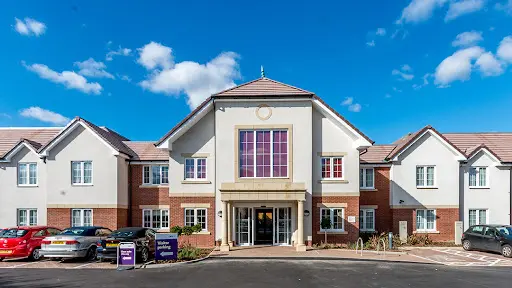
When families visit Fernbrook House in Southend-on-Sea East, they often notice the building needs updating — but many discover something more important inside. This smaller care home has built its reputation on the genuine warmth of its care team, particularly when supporting residents through difficult transitions and end-of-life care.
Who they care for
Fernbrook House cares for adults over 65, with particular experience supporting those living with dementia.
The team shows patience and understanding when caring for residents with dementia, helping them maintain connections to things they enjoy like music and favourite foods.
“While the building may need investment, many families find the quality of personal care here is what truly matters.”
DCC does not edit or curate content in this tab. For independently curated information, see The Evidence and DCC Verdict.
The DCC Verdict
Our editorial view, built from the three lenses: what families tell us, what inspectors record, and how the home sits against good dementia-care practice.
DCC Family Score
Fernbrook House has recovered from a Requires Improvement rating to achieve a Good rating across all five domains at its latest inspection in July 2025. The score reflects that positive findings are confirmed at domain level but the published report contains limited specific detail, quotes, or direct observations to push scores higher.
Homes in East typically score 68–82.The three-lens summary
What families tell us
Families describe staff who take time to understand each resident's individual needs and preferences. Several mention how carers helped their relatives rediscover enjoyment in meals after losing their appetite, finding foods they'd happily eat again. The activities coordinator visits three mornings each week, bringing music and singing sessions that families say brighten residents' days.
What inspectors have recorded
Most families speak positively about how staff communicate and include them in their relative's care. However, some have reported concerning experiences with management approach and visiting restrictions that affected their ability to stay involved.
How it sits against good practice
While the building may need investment, many families find the quality of personal care here is what truly matters.
Worth a visit
Fernbrook House, at 37-47 Fernbrook Avenue in Southend-on-Sea, was rated Good across all five inspection domains at its most recent assessment in July 2025, with the full report published in September 2025. This is a meaningful recovery from its previous Requires Improvement rating, and covers a 30-bed nursing home specialising in care for older adults and people living with dementia. A named registered manager, Mrs Lillian Kufa, is in post, and the home is operated by Fernbrook Care Homes Limited. The main uncertainty here is that the published report summary contains very limited specific detail: no direct quotes from residents or relatives, no specific inspector observations, and no breakdown of what was found within each domain. A Good rating is a genuinely positive signal, but it tells you the floor, not the ceiling. Before you make a decision, visit in person and ask the manager to show you the actual staffing rota for last week (counting permanent versus agency names, especially nights), ask how often your parent's care plan would be reviewed and how you would be involved, and spend time simply watching how staff move around the home and speak to the people who live there.
The three questions to ask when you visitSave this home. Compare it against your shortlist.
Let our analysis show you how Fernbrook House measures up against the other homes you’re considering. Free account.
In Their Own Words
How Fernbrook House describes itself — collected from its own website. DCC has not edited or independently verified the content in this tab.
Small care home where staff dedication shines through facility challenges
Dedicated nursing home Support in Southend On Sea
When families visit Fernbrook House in Southend-on-Sea East, they often notice the building needs updating — but many discover something more important inside. This smaller care home has built its reputation on the genuine warmth of its care team, particularly when supporting residents through difficult transitions and end-of-life care.
Who they care for
Fernbrook House cares for adults over 65, with particular experience supporting those living with dementia.
The team shows patience and understanding when caring for residents with dementia, helping them maintain connections to things they enjoy like music and favourite foods.
Management & ethos
Most families speak positively about how staff communicate and include them in their relative's care. However, some have reported concerning experiences with management approach and visiting restrictions that affected their ability to stay involved.
The home & environment
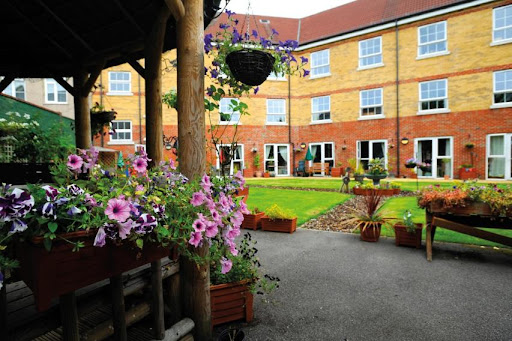
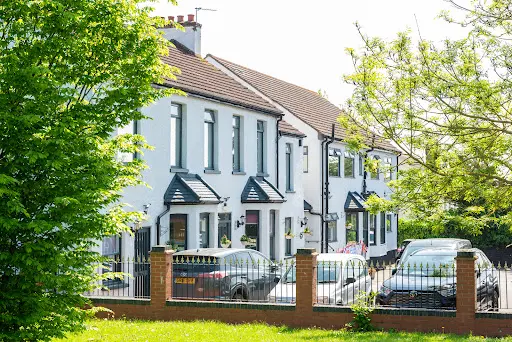
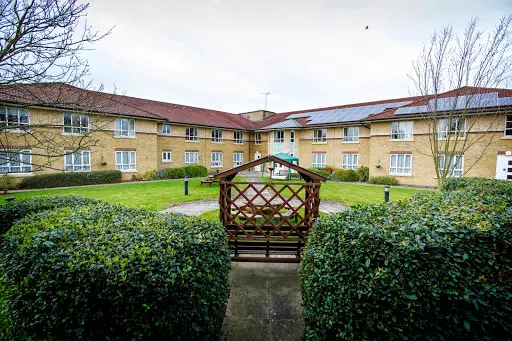
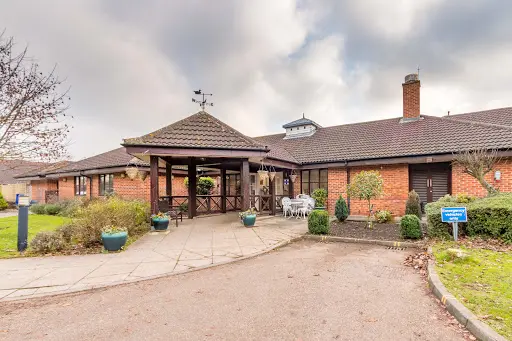
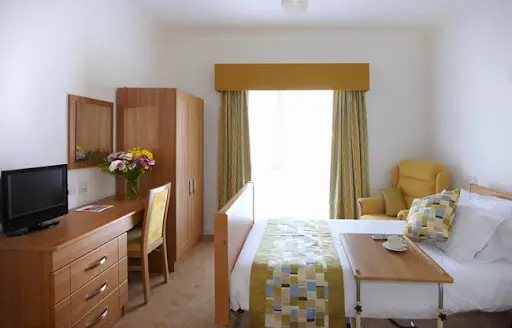
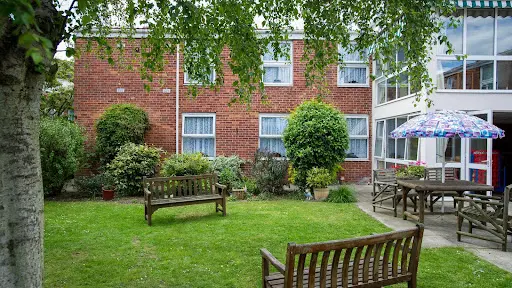
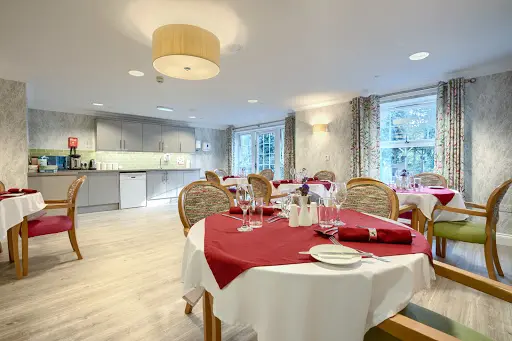
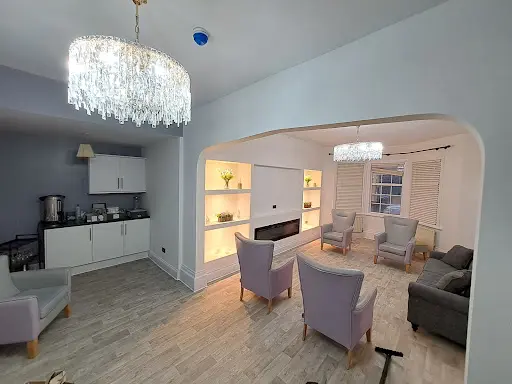
The building itself shows its age — visitors mention outdated décor and an old lift that needs replacing. But families often say the warmth of the care provided matters more than modern fixtures. The kitchen serves meals tailored to individual preferences, which has helped several residents who'd been struggling with their appetite.
“While the building may need investment, many families find the quality of personal care here is what truly matters.”
DCC does not edit or curate content in this tab. For independently curated information, see The Evidence and DCC Verdict.