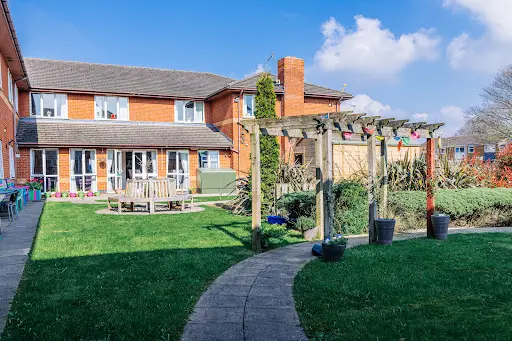
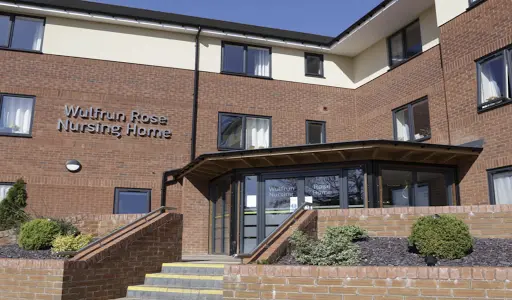
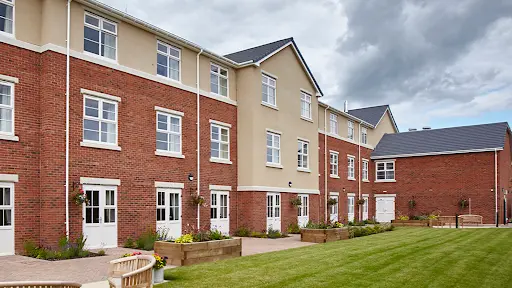
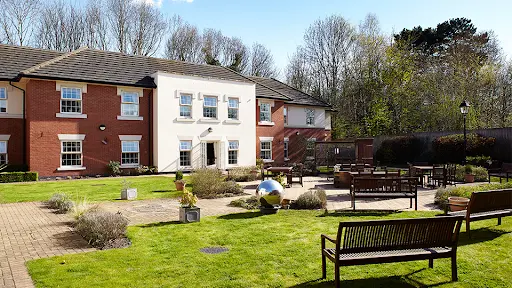
Fauld House Nursing Home
At a Glance
The information you need to decide whether this home warrants a closer look.
Nursing homes
Staff warmth score
of reviewers answered yes
Good to know
- Registered beds48
- SpecialismsCaring for adults over 65 yrs, Dementia, Physical disabilities
- Last inspected2020-11-17
Save Fauld House Nursing Home to your shortlist
Keep a running list, add visit notes, and compare homes side-by-side. Free account — it takes a minute.
STAGE 4 — RESEARCHING CARE HOMES
Visit homes. Compare them side by side. Choose with confidence.
Most of us will view care homes the way we view houses, impression, atmosphere, the feeling in the corridor. We go home, try to remember what we saw, and make a permanent decision from a blurred memory.

The DCC shortlist gives every home you visit a structured record: the same twelve questions, answered the same way, every time. When you’re ready to choose, pull any two homes side by side and compare them directly. Same criteria, same evidence, your notes and your scores.
The Evidence
What the review data, the inspection reports, and the dementia-care evidence base tell us about this home.
What families say
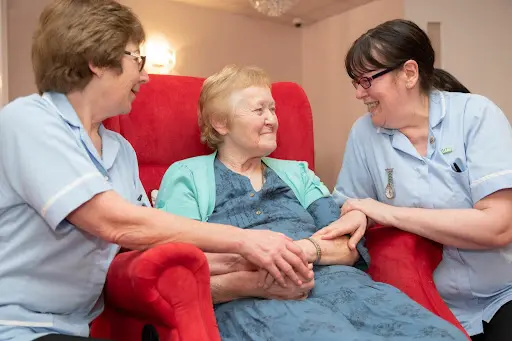
Families talk about finding real comfort in how staff handle the emotional side of care here. There's a sense that the team understands what residents and relatives are going through — whether that's settling into a new home or facing more difficult transitions.
The eight family priority themes
- Staff warmth70
- Compassion & dignity72
- Cleanliness70
- Activities & engagement60
- Food quality60
- Healthcare70
- Management & leadership72
- Resident happiness68
What inspectors found
Inspected 2020-11-17 Report published 2020-11-17
Is this home safe?
Is the care effective?
The inspection rated this domain as Good. The home is registered for nursing care, dementia, and physical disabilities, indicating it is expected to meet complex health needs. The published findings do not include specific detail about care plan quality, GP access arrangements, dementia training content, or how food and nutrition needs are assessed and met. No concerns or improvement requirements were recorded in this domain.Is this home caring?
The inspection rated this domain as Good. Caring is the domain most directly linked to how staff treat your parent day to day, covering dignity, warmth, privacy, and respect for independence. The published findings confirm a Good rating but do not include specific inspector observations of staff interactions, resident testimony about how they feel treated, or examples of dignity practice such as knocking before entry or using preferred names. No concerns were raised.Is the home responsive?
The inspection rated this domain as Good. Responsiveness covers whether the home organises care and activities around the individual rather than around the institution's convenience. The published findings do not include specific detail about the activities programme, whether one-to-one engagement is provided for people who cannot join group activities, or how end-of-life wishes are recorded and honoured. No concerns were raised in this domain.Is the home well-led?
The inspection rated this domain as Good. Mrs Laura Mosedale is the named registered manager and Mr Kamaljit Singh Basi is the nominated individual, providing a clear governance structure. The published findings do not include observations about how visible the manager is on the floor, how staff are supported to raise concerns, or how the home has responded to incidents and complaints. No concerns were raised in this domain.
Source: CQC inspection report →
What the evidence base says
The home provides nursing care for people over 65, including those living with dementia and physical disabilities. While the home accepts people living with dementia, families have not yet shared specific details about the dementia care approach or activities. Ask the home directly about how they support your parent day to day. All areas worth probing directly during a visit.
The DCC Verdict
Our editorial view, built from the three lenses: what families tell us, what inspectors record, and how the home sits against good dementia-care practice.
DCC Family Score
Fauld House Nursing Home received a Good rating across all five inspection domains in March 2024, which is a solid baseline. The scores reflect that the inspection confirmed positive practice in most areas but lacked the specific observations, direct quotes, and granular detail that would push the rating higher with confidence.
Homes in West Midlands typically score 68–82.The three-lens summary
What families tell us
Families talk about finding real comfort in how staff handle the emotional side of care here. There's a sense that the team understands what residents and relatives are going through — whether that's settling into a new home or facing more difficult transitions.
What inspectors have recorded
What comes through is how staff stay connected with families, especially when visits aren't possible. They've kept relatives updated through phone calls and video chats, making sure nobody feels cut off from what's happening. The team seems to get that communication isn't just about passing on information — it's about maintaining those vital family bonds.
How it sits against good practice
Some families have trusted Fauld House with their loved ones' care for many years — that kind of long-term confidence often tells its own story.
Worth a visit
Fauld House Nursing Home, located in Fauld near Burton-on-Trent, was rated Good across all five inspection domains at its assessment in March 2024, with the report published in September 2024. The home provides nursing care for up to 48 people, including those living with dementia and physical disabilities, and has a named registered manager and nominated individual in post. A consistent Good rating across every domain is a meaningful result and places the home in the better-performing segment of nursing homes nationally. The published findings are limited in their specific detail: the inspection text does not include direct observations of staff interactions, resident or family quotes, or granular information about activities, food, night staffing, or dementia-specific practice. This does not mean those things are absent, only that the published report does not describe them. Before making a decision, visit in person, ask to see last week's actual staffing rota (not the template), and ask the manager how many staff with dementia-specific training are on duty on a typical afternoon and overnight.
The three questions to ask when you visitSave this home. Compare it against your shortlist.
Let our analysis show you how Fauld House Nursing Home measures up against the other homes you’re considering. Free account.
In Their Own Words
How Fauld House Nursing Home describes itself — collected from its own website. DCC has not edited or independently verified the content in this tab.
Where families find genuine support through life's hardest moments
Fauld House Nursing Home – Expert Care in Burton-on-trent
When you're looking for nursing care in Burton-on-Trent, you need somewhere that understands what really matters — not just medical needs, but the emotional journey families go through together. Fauld House Nursing Home has quietly built that kind of understanding over the years, supporting residents and their loved ones through some of life's most vulnerable times.
Who they care for
The home provides nursing care for people over 65, including those living with dementia and physical disabilities.
While the home accepts people living with dementia, families have not yet shared specific details about the dementia care approach or activities. Ask the home directly about how they support your parent day to day.
“Some families have trusted Fauld House with their loved ones' care for many years — that kind of long-term confidence often tells its own story.”
DCC does not edit or curate content in this tab. For independently curated information, see The Evidence and DCC Verdict.
The DCC Verdict
Our editorial view, built from the three lenses: what families tell us, what inspectors record, and how the home sits against good dementia-care practice.
DCC Family Score
Fauld House Nursing Home received a Good rating across all five inspection domains in March 2024, which is a solid baseline. The scores reflect that the inspection confirmed positive practice in most areas but lacked the specific observations, direct quotes, and granular detail that would push the rating higher with confidence.
Homes in West Midlands typically score 68–82.The three-lens summary
What families tell us
Families talk about finding real comfort in how staff handle the emotional side of care here. There's a sense that the team understands what residents and relatives are going through — whether that's settling into a new home or facing more difficult transitions.
What inspectors have recorded
What comes through is how staff stay connected with families, especially when visits aren't possible. They've kept relatives updated through phone calls and video chats, making sure nobody feels cut off from what's happening. The team seems to get that communication isn't just about passing on information — it's about maintaining those vital family bonds.
How it sits against good practice
Some families have trusted Fauld House with their loved ones' care for many years — that kind of long-term confidence often tells its own story.
Worth a visit
Fauld House Nursing Home, located in Fauld near Burton-on-Trent, was rated Good across all five inspection domains at its assessment in March 2024, with the report published in September 2024. The home provides nursing care for up to 48 people, including those living with dementia and physical disabilities, and has a named registered manager and nominated individual in post. A consistent Good rating across every domain is a meaningful result and places the home in the better-performing segment of nursing homes nationally. The published findings are limited in their specific detail: the inspection text does not include direct observations of staff interactions, resident or family quotes, or granular information about activities, food, night staffing, or dementia-specific practice. This does not mean those things are absent, only that the published report does not describe them. Before making a decision, visit in person, ask to see last week's actual staffing rota (not the template), and ask the manager how many staff with dementia-specific training are on duty on a typical afternoon and overnight.
The three questions to ask when you visitSave this home. Compare it against your shortlist.
Let our analysis show you how Fauld House Nursing Home measures up against the other homes you’re considering. Free account.
In Their Own Words
How Fauld House Nursing Home describes itself — collected from its own website. DCC has not edited or independently verified the content in this tab.
Where families find genuine support through life's hardest moments
Fauld House Nursing Home – Expert Care in Burton-on-trent
When you're looking for nursing care in Burton-on-Trent, you need somewhere that understands what really matters — not just medical needs, but the emotional journey families go through together. Fauld House Nursing Home has quietly built that kind of understanding over the years, supporting residents and their loved ones through some of life's most vulnerable times.
Who they care for
The home provides nursing care for people over 65, including those living with dementia and physical disabilities.
While the home accepts people living with dementia, families have not yet shared specific details about the dementia care approach or activities. Ask the home directly about how they support your parent day to day.
Management & ethos
What comes through is how staff stay connected with families, especially when visits aren't possible. They've kept relatives updated through phone calls and video chats, making sure nobody feels cut off from what's happening. The team seems to get that communication isn't just about passing on information — it's about maintaining those vital family bonds.
“Some families have trusted Fauld House with their loved ones' care for many years — that kind of long-term confidence often tells its own story.”
DCC does not edit or curate content in this tab. For independently curated information, see The Evidence and DCC Verdict.