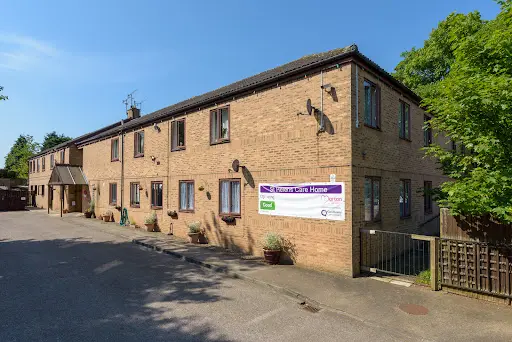
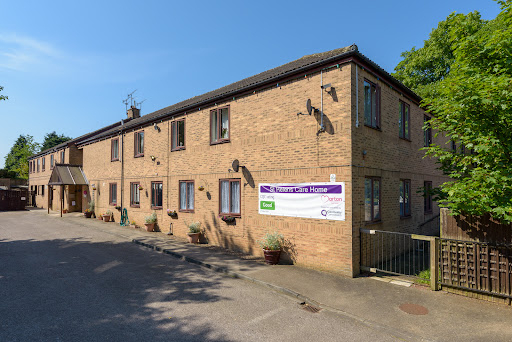
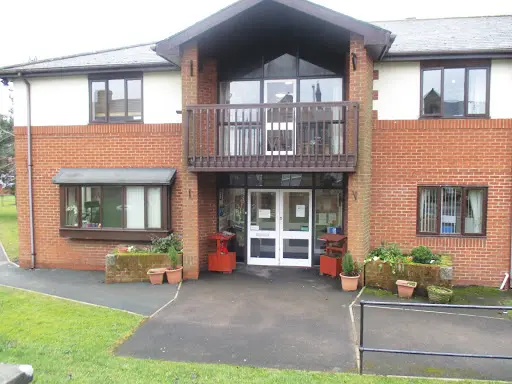
Eden House Care Home
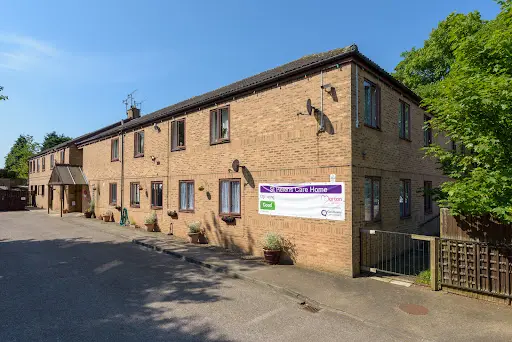
At a Glance
The information you need to decide whether this home warrants a closer look.
Residential homes
Staff warmth score
of reviewers answered yes
Good to know
- Registered beds53
- SpecialismsCaring for adults over 65 yrs, Caring for adults under 65 yrs, Dementia, Mental health conditions, Physical disabilities, Sensory impairment
- Last inspected2023-12-15
Save Eden House Care Home to your shortlist
Keep a running list, add visit notes, and compare homes side-by-side. Free account — it takes a minute.
STAGE 4 — RESEARCHING CARE HOMES
Visit homes. Compare them side by side. Choose with confidence.
Most of us will view care homes the way we view houses, impression, atmosphere, the feeling in the corridor. We go home, try to remember what we saw, and make a permanent decision from a blurred memory.

The DCC shortlist gives every home you visit a structured record: the same twelve questions, answered the same way, every time. When you’re ready to choose, pull any two homes side by side and compare them directly. Same criteria, same evidence, your notes and your scores.
The Evidence
What the review data, the inspection reports, and the dementia-care evidence base tell us about this home.
What families say
Families often notice real improvements in their loved ones' health here. Relatives talk about seeing better appetite, weight gain, and more consistent medication routines. The structured daily patterns seem to particularly help residents with dementia feel more settled.
The eight family priority themes
- Staff warmth85
- Compassion & dignity90
- Cleanliness72
- Activities & engagement75
- Food quality68
- Healthcare72
- Management & leadership88
- Resident happiness80
What inspectors found
Inspected 2023-12-15
Is this home safe?
Is the care effective?
Effective was rated Good at the May 2023 inspection. This domain covers whether staff have the right training, whether care plans reflect individual needs, and whether the home works effectively with GPs and other health professionals. The home lists dementia as a specialism, so inspectors would have considered dementia-specific training as part of their assessment. Specific detail on training content, GP access frequency, or care plan quality is not reproduced in the published summary.Is this home caring?
Caring was rated Outstanding at the May 2023 inspection, the highest possible rating and the strongest domain in this report. An Outstanding Caring rating requires inspectors to find direct, specific evidence of exceptional kindness, dignity, and respect, not just general compliance. This rating is achieved by fewer than one in ten care homes nationally. The home supports people with dementia, mental health conditions, and physical disabilities, and inspectors were satisfied that staff approached all of these needs with genuine care.Is the home responsive?
Responsive was rated Good at the May 2023 inspection. This domain covers whether care is tailored to individual needs, whether activities are meaningful and varied, and whether the home responds well to complaints and end-of-life wishes. The home supports a broad range of needs, which requires genuine flexibility in how activities and daily routines are offered. Specific detail on the activity programme or end-of-life planning is not reproduced in the published summary.Is the home well-led?
Well-led was rated Outstanding at the May 2023 inspection, matching Caring as the home's strongest domain. An Outstanding Well-led rating requires inspectors to find robust governance, a positive staff culture, and a management team that is visible, accountable, and actively driving improvement. The registered manager is named in the published report, suggesting continuity of leadership. The home has improved from its previous Good rating to Outstanding overall, which is itself a marker of effective leadership.
Source: CQC inspection report →
What the evidence base says
The home supports younger adults under 65 alongside older residents, caring for people with physical disabilities, sensory impairments, and mental health conditions. For residents with dementia, the predictable routines and structured environment help create stability. Families mention how the consistent daily patterns support better medication adherence and general wellbeing. All areas worth probing directly during a visit.
The DCC Verdict
Our editorial view, built from the three lenses: what families tell us, what inspectors record, and how the home sits against good dementia-care practice.
DCC Family Score
Eden House earned an Outstanding overall rating, with inspectors singling out caring and leadership as exceptional. The score reflects strong specific evidence in dignity and staff warmth, with slightly less published detail on food, cleanliness, and night staffing.
Homes in North East typically score 68–82.The three-lens summary
What families tell us
Families often notice real improvements in their loved ones' health here. Relatives talk about seeing better appetite, weight gain, and more consistent medication routines. The structured daily patterns seem to particularly help residents with dementia feel more settled.
What inspectors have recorded
Staff come across as genuinely warm and approachable in their interactions with families. They're described as helpful during visits and willing to assist with little extras, like offering visiting relatives a cup of tea or a meal.
How it sits against good practice
If you're considering respite care or longer-term support for someone with complex needs, it's worth arranging a visit to see if Eden House feels right for your family.
Worth a visit
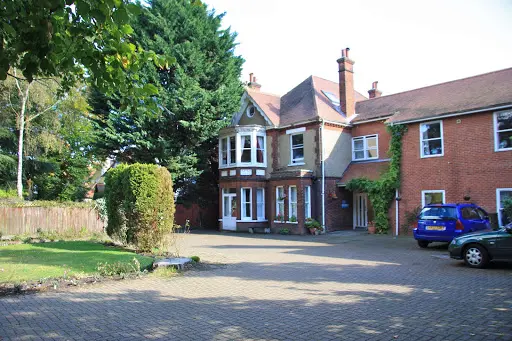
Eden House on Cockton Hill Road in Bishop Auckland received an Outstanding overall rating at its inspection on 31 May 2023, with the report published in December 2023. This places it among a small minority of care homes in England to reach the highest rating, with inspectors finding exceptional standards in the Caring and Well-led domains and Good across Safe, Effective, and Responsive. The home cares for up to 53 people across a wide range of needs including dementia, mental health conditions, physical disabilities, and sensory impairment, and it has improved from its previous Good rating, which is a positive trajectory. The published inspection summary is relatively brief, so specific detail on food quality, night staffing ratios, agency use, and the physical environment is not available here. When you visit, ask the manager to show you last week's actual staffing rota (not the template) so you can count permanent versus agency names on night shifts. Also ask how the team would keep you informed if your parent's health changed, and observe how staff interact with residents in corridors and communal spaces during your visit, because the way staff move and speak in unscripted moments tells you more than any rating alone.
The three questions to ask when you visitSave this home. Compare it against your shortlist.
Let our analysis show you how Eden House Care Home measures up against the other homes you’re considering. Free account.
In Their Own Words
How Eden House Care Home describes itself — collected from its own website. DCC has not edited or independently verified the content in this tab.
Supporting recovery and wellbeing for residents with complex needs
Residential home in Bishop Auckland: True Peace of Mind
When families need specialist support for loved ones with dementia or mental health conditions, Eden House in Bishop Auckland provides structured care that helps residents regain their strength. This home welcomes adults of all ages who need extra support, whether they're managing physical disabilities, sensory impairments, or recovering from health challenges.
Who they care for
The home supports younger adults under 65 alongside older residents, caring for people with physical disabilities, sensory impairments, and mental health conditions.
For residents with dementia, the predictable routines and structured environment help create stability. Families mention how the consistent daily patterns support better medication adherence and general wellbeing.
“If you're considering respite care or longer-term support for someone with complex needs, it's worth arranging a visit to see if Eden House feels right for your family.”
DCC does not edit or curate content in this tab. For independently curated information, see The Evidence and DCC Verdict.
The DCC Verdict
Our editorial view, built from the three lenses: what families tell us, what inspectors record, and how the home sits against good dementia-care practice.
DCC Family Score
Eden House earned an Outstanding overall rating, with inspectors singling out caring and leadership as exceptional. The score reflects strong specific evidence in dignity and staff warmth, with slightly less published detail on food, cleanliness, and night staffing.
Homes in North East typically score 68–82.The three-lens summary
What families tell us
Families often notice real improvements in their loved ones' health here. Relatives talk about seeing better appetite, weight gain, and more consistent medication routines. The structured daily patterns seem to particularly help residents with dementia feel more settled.
What inspectors have recorded
Staff come across as genuinely warm and approachable in their interactions with families. They're described as helpful during visits and willing to assist with little extras, like offering visiting relatives a cup of tea or a meal.
How it sits against good practice
If you're considering respite care or longer-term support for someone with complex needs, it's worth arranging a visit to see if Eden House feels right for your family.
Worth a visit
Eden House on Cockton Hill Road in Bishop Auckland received an Outstanding overall rating at its inspection on 31 May 2023, with the report published in December 2023. This places it among a small minority of care homes in England to reach the highest rating, with inspectors finding exceptional standards in the Caring and Well-led domains and Good across Safe, Effective, and Responsive. The home cares for up to 53 people across a wide range of needs including dementia, mental health conditions, physical disabilities, and sensory impairment, and it has improved from its previous Good rating, which is a positive trajectory. The published inspection summary is relatively brief, so specific detail on food quality, night staffing ratios, agency use, and the physical environment is not available here. When you visit, ask the manager to show you last week's actual staffing rota (not the template) so you can count permanent versus agency names on night shifts. Also ask how the team would keep you informed if your parent's health changed, and observe how staff interact with residents in corridors and communal spaces during your visit, because the way staff move and speak in unscripted moments tells you more than any rating alone.
The three questions to ask when you visitSave this home. Compare it against your shortlist.
Let our analysis show you how Eden House Care Home measures up against the other homes you’re considering. Free account.
In Their Own Words
How Eden House Care Home describes itself — collected from its own website. DCC has not edited or independently verified the content in this tab.
Supporting recovery and wellbeing for residents with complex needs
Residential home in Bishop Auckland: True Peace of Mind
When families need specialist support for loved ones with dementia or mental health conditions, Eden House in Bishop Auckland provides structured care that helps residents regain their strength. This home welcomes adults of all ages who need extra support, whether they're managing physical disabilities, sensory impairments, or recovering from health challenges.
Who they care for
The home supports younger adults under 65 alongside older residents, caring for people with physical disabilities, sensory impairments, and mental health conditions.
For residents with dementia, the predictable routines and structured environment help create stability. Families mention how the consistent daily patterns support better medication adherence and general wellbeing.
Management & ethos
Staff come across as genuinely warm and approachable in their interactions with families. They're described as helpful during visits and willing to assist with little extras, like offering visiting relatives a cup of tea or a meal.
The home & environment
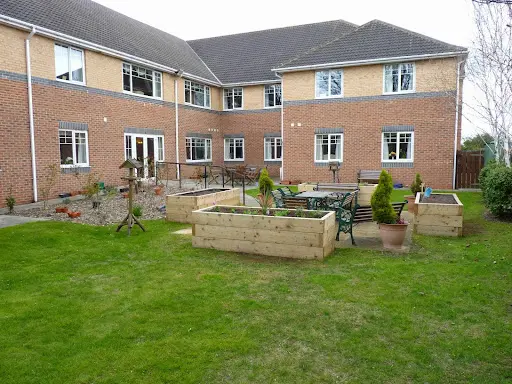
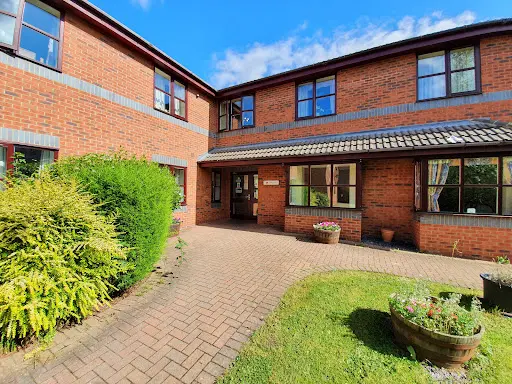
The home maintains high standards of cleanliness throughout, with families commenting on how spotless everything looks. Meals get particular praise — the food quality helps residents who've been struggling with their appetite start eating well again.
“If you're considering respite care or longer-term support for someone with complex needs, it's worth arranging a visit to see if Eden House feels right for your family.”
DCC does not edit or curate content in this tab. For independently curated information, see The Evidence and DCC Verdict.