Drovers Call Care Home
At a Glance
The information you need to decide whether this home warrants a closer look.
Nursing homes
Staff warmth score
of reviewers answered yes
Good to know
- Registered beds52
- SpecialismsCaring for adults over 65 yrs, Caring for adults under 65 yrs, Caring for people whose rights are restricted under the Mental Health Act, Dementia, Eating disorders, Mental health conditions, Physical disabilities, Sensory impairment, Substance misuse problems
- Last inspected2023-12-23
Save Drovers Call Care Home to your shortlist
Keep a running list, add visit notes, and compare homes side-by-side. Free account — it takes a minute.
STAGE 4 — RESEARCHING CARE HOMES
Visit homes. Compare them side by side. Choose with confidence.
Most of us will view care homes the way we view houses, impression, atmosphere, the feeling in the corridor. We go home, try to remember what we saw, and make a permanent decision from a blurred memory.

The DCC shortlist gives every home you visit a structured record: the same twelve questions, answered the same way, every time. When you’re ready to choose, pull any two homes side by side and compare them directly. Same criteria, same evidence, your notes and your scores.
The Evidence
What the review data, the inspection reports, and the dementia-care evidence base tell us about this home.
What families say
Families describe feeling genuinely welcomed here, with visiting arrangements that flex around their lives rather than rigid schedules. Several people mention being able to visit late into the evening without anyone making them feel rushed or unwelcome. The atmosphere families describe centres on dignity — particularly important when caring for people with advanced dementia, where staff seem to understand that every interaction matters.
The eight family priority themes
- Staff warmth0
- Compassion & dignity0
- Cleanliness0
- Activities & engagement0
- Food quality0
- Healthcare0
- Management & leadership0
- Resident happiness0
What inspectors found
Inspected 2023-12-23
Is this home safe?
Is the care effective?
No domain-level effectiveness rating was recorded in the available inspection data for this home. The home was rated Inadequate overall at its December 2023 inspection and has since been permanently closed and deregistered. No specific findings about care plans, dementia training, medication management, or GP access are available from the published inspection text. The overall Inadequate rating suggests that effective care practices were not being consistently delivered.Is this home caring?
No domain-level caring rating was recorded in the available inspection data for this home. The overall Inadequate rating at the December 2023 inspection, combined with a declining trend, means there is no positive evidence of staff warmth, dignity, or respect to report here. The home is now permanently closed and deregistered. No resident or relative quotes from the inspection are available in the published findings.Is the home responsive?
No domain-level responsiveness rating was recorded in the available inspection data for this home. No information is available about activities, individual engagement, end-of-life planning, or how the home responded to complaints or changing needs. The overall Inadequate rating and subsequent deregistration mean this home no longer provides care of any kind. The inspection data does not allow any conclusions about how the home served residents as individuals.Is the home well-led?
No domain-level leadership rating was recorded in the available inspection data for this home. The home was rated Inadequate overall at its December 2023 inspection, having previously been rated Requires Improvement, which indicates that leadership failed to arrest a deteriorating trajectory. The home has since been deregistered by the care regulator, the most serious possible outcome, and is permanently closed. No information about the manager, governance, or staff culture is available from the published findings.
Source: CQC inspection report →
What the evidence base says
Drovers Call specialises in complex care across age groups, supporting people with mental health conditions, dementia, physical disabilities, sensory impairments, substance misuse issues, and eating disorders. They're also set up to care for people whose rights are restricted under the Mental Health Act. For residents with dementia, the focus appears to be on maintaining dignity and responding to individual preferences rather than following rigid care routines. Families particularly value this person-centred approach during the more challenging stages of the condition. All areas worth probing directly during a visit.
The DCC Verdict
Our editorial view, built from the three lenses: what families tell us, what inspectors record, and how the home sits against good dementia-care practice.
DCC Family Score
This home received an Inadequate overall rating at its last inspection in December 2023 and has since been deregistered, meaning it no longer operates as a care home. No domain scores can be calculated from the available inspection data, and no families should be considering this home for their parent.
Homes in East Midlands typically score 68–82.The three-lens summary
What families tell us
Families describe feeling genuinely welcomed here, with visiting arrangements that flex around their lives rather than rigid schedules. Several people mention being able to visit late into the evening without anyone making them feel rushed or unwelcome. The atmosphere families describe centres on dignity — particularly important when caring for people with advanced dementia, where staff seem to understand that every interaction matters.
What inspectors have recorded
What stands out is how the whole team — from cleaners to management — seems to share the same respectful approach. Families report staff responding quickly when concerns are raised, adapting care without making relatives feel they're being difficult. The consistency matters; several people mention experiencing this same standard of care over multiple years.
How it sits against good practice
While one family reported concerns about bereavement support, the broader picture suggests a home that understands the complexity of the lives in their care.
Worth a visit
The home at 186 Lea Road, Gainsborough was rated Inadequate at its last inspection in December 2023, having previously been rated Requires Improvement, meaning its quality was declining rather than recovering. Critically, this home has since been deregistered and is no longer part of any provider's registration with the care regulator, meaning it has permanently closed and is not accepting residents. There is nothing further to check on a visit because this home no longer operates. If you are looking for care in the Gainsborough area for your mum or dad, you will need to search for alternative homes. The Inadequate rating and subsequent closure are serious warning signs about the standards that existed here, and no family should consider placing a parent in a home that has followed this trajectory. Please use DementiaCareChoices.com to find rated, currently registered homes nearby.
The three questions to ask when you visitSave this home. Compare it against your shortlist.
Let our analysis show you how Drovers Call Care Home measures up against the other homes you’re considering. Free account.
In Their Own Words
How Drovers Call Care Home describes itself — collected from its own website. DCC has not edited or independently verified the content in this tab.
Where complex care meets genuine respect and flexibility
Nursing home in Gainsborough: True Peace of Mind
For families facing difficult care decisions involving mental health, dementia, or complex physical needs, Drovers Call in Gainsborough offers something increasingly rare — a willingness to adapt to what residents and relatives actually need. This specialist home works with people of all ages, including those with restricted rights, bringing the same respectful approach to everyone who comes through their doors.
Who they care for
Drovers Call specialises in complex care across age groups, supporting people with mental health conditions, dementia, physical disabilities, sensory impairments, substance misuse issues, and eating disorders. They're also set up to care for people whose rights are restricted under the Mental Health Act.
For residents with dementia, the focus appears to be on maintaining dignity and responding to individual preferences rather than following rigid care routines. Families particularly value this person-centred approach during the more challenging stages of the condition.
“While one family reported concerns about bereavement support, the broader picture suggests a home that understands the complexity of the lives in their care.”
DCC does not edit or curate content in this tab. For independently curated information, see The Evidence and DCC Verdict.
The DCC Verdict
Our editorial view, built from the three lenses: what families tell us, what inspectors record, and how the home sits against good dementia-care practice.
DCC Family Score
This home received an Inadequate overall rating at its last inspection in December 2023 and has since been deregistered, meaning it no longer operates as a care home. No domain scores can be calculated from the available inspection data, and no families should be considering this home for their parent.
Homes in East Midlands typically score 68–82.The three-lens summary
What families tell us
Families describe feeling genuinely welcomed here, with visiting arrangements that flex around their lives rather than rigid schedules. Several people mention being able to visit late into the evening without anyone making them feel rushed or unwelcome. The atmosphere families describe centres on dignity — particularly important when caring for people with advanced dementia, where staff seem to understand that every interaction matters.
What inspectors have recorded
What stands out is how the whole team — from cleaners to management — seems to share the same respectful approach. Families report staff responding quickly when concerns are raised, adapting care without making relatives feel they're being difficult. The consistency matters; several people mention experiencing this same standard of care over multiple years.
How it sits against good practice
While one family reported concerns about bereavement support, the broader picture suggests a home that understands the complexity of the lives in their care.
Worth a visit
The home at 186 Lea Road, Gainsborough was rated Inadequate at its last inspection in December 2023, having previously been rated Requires Improvement, meaning its quality was declining rather than recovering. Critically, this home has since been deregistered and is no longer part of any provider's registration with the care regulator, meaning it has permanently closed and is not accepting residents. There is nothing further to check on a visit because this home no longer operates. If you are looking for care in the Gainsborough area for your mum or dad, you will need to search for alternative homes. The Inadequate rating and subsequent closure are serious warning signs about the standards that existed here, and no family should consider placing a parent in a home that has followed this trajectory. Please use DementiaCareChoices.com to find rated, currently registered homes nearby.
The three questions to ask when you visitSave this home. Compare it against your shortlist.
Let our analysis show you how Drovers Call Care Home measures up against the other homes you’re considering. Free account.
In Their Own Words
How Drovers Call Care Home describes itself — collected from its own website. DCC has not edited or independently verified the content in this tab.
Where complex care meets genuine respect and flexibility
Nursing home in Gainsborough: True Peace of Mind
For families facing difficult care decisions involving mental health, dementia, or complex physical needs, Drovers Call in Gainsborough offers something increasingly rare — a willingness to adapt to what residents and relatives actually need. This specialist home works with people of all ages, including those with restricted rights, bringing the same respectful approach to everyone who comes through their doors.
Who they care for
Drovers Call specialises in complex care across age groups, supporting people with mental health conditions, dementia, physical disabilities, sensory impairments, substance misuse issues, and eating disorders. They're also set up to care for people whose rights are restricted under the Mental Health Act.
For residents with dementia, the focus appears to be on maintaining dignity and responding to individual preferences rather than following rigid care routines. Families particularly value this person-centred approach during the more challenging stages of the condition.
Management & ethos
What stands out is how the whole team — from cleaners to management — seems to share the same respectful approach. Families report staff responding quickly when concerns are raised, adapting care without making relatives feel they're being difficult. The consistency matters; several people mention experiencing this same standard of care over multiple years.
The home & environment
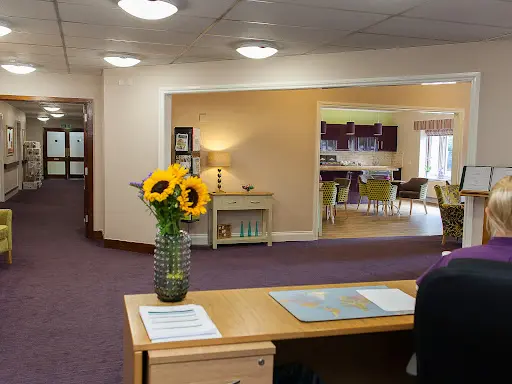
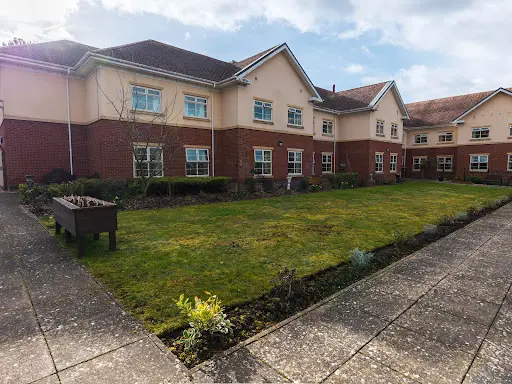
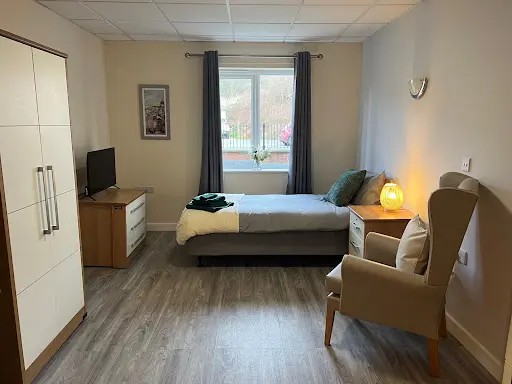
The food here gets consistent praise — proper home-cooked meals that people actually want to eat, with portions that satisfy. Families mention the home feeling clean and fresh-smelling on repeated visits, with modern decoration that creates a pleasant environment. There's a programme of activities that includes trips out to the cinema and even holidays, giving residents things to look forward to.
“While one family reported concerns about bereavement support, the broader picture suggests a home that understands the complexity of the lives in their care.”
DCC does not edit or curate content in this tab. For independently curated information, see The Evidence and DCC Verdict.