Chesterton Lodge care home, Chesterton

At a Glance
The information you need to decide whether this home warrants a closer look.
Residential homes
Staff warmth score
of reviewers answered yes
Good to know
- Registered beds64
- SpecialismsCaring for adults over 65 yrs, Caring for adults under 65 yrs, Dementia
- Last inspected2022-01-18
Save Chesterton Lodge care home, Chesterton to your shortlist
Keep a running list, add visit notes, and compare homes side-by-side. Free account — it takes a minute.
STAGE 4 — RESEARCHING CARE HOMES
Visit homes. Compare them side by side. Choose with confidence.
Most of us will view care homes the way we view houses, impression, atmosphere, the feeling in the corridor. We go home, try to remember what we saw, and make a permanent decision from a blurred memory.

The DCC shortlist gives every home you visit a structured record: the same twelve questions, answered the same way, every time. When you’re ready to choose, pull any two homes side by side and compare them directly. Same criteria, same evidence, your notes and your scores.
The Evidence
What the review data, the inspection reports, and the dementia-care evidence base tell us about this home.
What families say
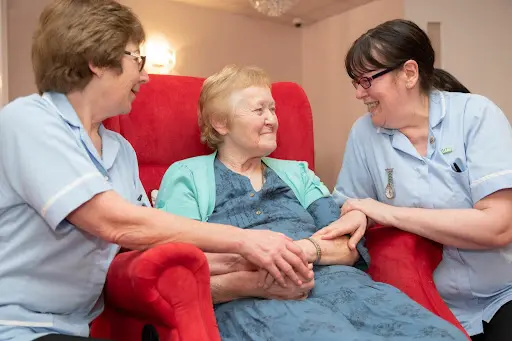
Visitors frequently mention how pristine the home feels — none of those institutional smells you might worry about. Staff members are described as friendly and caring in their daily interactions with residents. Some families have experienced thoughtful touches, like when the team decorated a room specially for a resident's anniversary celebration.
The eight family priority themes
- Staff warmth55
- Compassion & dignity45
- Cleanliness70
- Activities & engagement65
- Food quality60
- Healthcare70
- Management & leadership75
- Resident happiness60
What inspectors found
Inspected 2022-01-18 Report published 2022-01-18
Is this home safe?
Is the care effective?
The Effective domain was rated Good, indicating that care planning, staff training, and healthcare access were meeting required standards at the time of inspection. Dementia is listed as a specialism for the home, which implies a level of training commitment beyond basic residential care. The inspection did not publish specific detail about how frequently care plans are reviewed, whether families are involved in reviews, or the content of dementia-specific training programmes.Is this home caring?
The Caring domain was rated Requires Improvement at the September 2024 inspection. This is the most significant finding in the report and directly affects your confidence in how your parent will be treated day to day. Caring covers warmth, dignity, respect, and whether people are supported to maintain their independence. The published report does not set out the specific observations or evidence that led to this rating, which makes it impossible to assess whether the concerns were minor process issues or observable failures in how staff treated the people living there.Is the home responsive?
The Responsive domain was rated Good, which covers whether the home tailors its offer to the individual needs of the people who live there, including activities, engagement, and end-of-life planning. No specific activities or examples of individual engagement were published in the available report. For a 64-bed home with a dementia specialism, the range and appropriateness of activities is particularly important, especially for people who cannot take part in group sessions.Is the home well-led?
The Well-led domain was rated Good, and the home operates under Anchor Hanover Group with a named registered manager and nominated individual. Good leadership ratings indicate that governance, accountability structures, and quality monitoring are in place. The inspection did not publish specific detail about manager tenure, how long the current registered manager has been in post, or how staff are supported to raise concerns.
Source: CQC inspection report →
What the evidence base says
The home cares for adults over 65 as well as younger adults who need residential support. The team has experience supporting people living with dementia alongside general residential care. Dementia is one of the home's specialist areas. If your parent is living with dementia, it is worth asking the manager about the specific training staff have completed and how the environment has been adapted to support orientation and wellbeing. The clean, well-maintained setting may offer some reassurance, though the Caring domain was rated Requires Improvement at the most recent inspection, so this is an area to explore carefully on a visit. All areas worth probing directly during a visit.
The DCC Verdict
Our editorial view, built from the three lenses: what families tell us, what inspectors record, and how the home sits against good dementia-care practice.
DCC Family Score
Chesterton Lodge scores in the mid-range overall, with solid management and healthcare findings offset by a Requires Improvement rating in Caring, which is the theme families weight most heavily when choosing a home for a parent living with dementia.
Homes in West Midlands typically score 68–82.The three-lens summary
What families tell us
Visitors frequently mention how pristine the home feels — none of those institutional smells you might worry about. Staff members are described as friendly and caring in their daily interactions with residents. Some families have experienced thoughtful touches, like when the team decorated a room specially for a resident's anniversary celebration.
What inspectors have recorded
How it sits against good practice
Every family's care journey is different, and visiting Chesterton Lodge yourself will help you get a feel for whether it matches what you're looking for.
Worth a visit
Chesterton Lodge on Loomer Road, Newcastle-under-Lyme, was assessed in September 2024 and rated Good overall, with Good ratings in Safe, Effective, Responsive, and Well-led. The home is run by Anchor Hanover Group, a large national provider, and cares for up to 64 adults including people living with dementia. The management structure is in place, governance appears functional, and the Effective domain suggests care planning and healthcare access are working. The significant concern is a Requires Improvement rating in Caring, which covers the warmth, dignity, and respect that families consistently identify as the most important factors when choosing a home. The published report does not set out exactly what inspectors found lacking, so this requires direct follow-up. On a visit, watch how staff interact with people in corridors and communal spaces: do they make eye contact, use preferred names, and move without rushing? Ask the manager to explain what the Caring rating found and what specific changes have been made since September 2024.
The three questions to ask when you visitSave this home. Compare it against your shortlist.
Let our analysis show you how Chesterton Lodge care home, Chesterton measures up against the other homes you’re considering. Free account.
In Their Own Words
How Chesterton Lodge care home, Chesterton describes itself — collected from its own website. DCC has not edited or independently verified the content in this tab.
Where cleanliness meets caring staff in Newcastle's residential setting
Dedicated residential home Support in Newcastle
Finding the right care in Newcastle can feel overwhelming, especially when you're looking for somewhere that balances practical needs with genuine warmth. Chesterton Lodge in the West Midlands area of Newcastle provides residential care for adults, including those living with dementia. The home maintains notably clean surroundings, and families often comment on how welcoming they find the environment.
Who they care for
The home cares for adults over 65 as well as younger adults who need residential support. The team has experience supporting people living with dementia alongside general residential care.
Dementia is one of the home's specialist areas. If your parent is living with dementia, it is worth asking the manager about the specific training staff have completed and how the environment has been adapted to support orientation and wellbeing. The clean, well-maintained setting may offer some reassurance, though the Caring domain was rated Requires Improvement at the most recent inspection, so this is an area to explore carefully on a visit.
“Every family's care journey is different, and visiting Chesterton Lodge yourself will help you get a feel for whether it matches what you're looking for.”
DCC does not edit or curate content in this tab. For independently curated information, see The Evidence and DCC Verdict.
The DCC Verdict
Our editorial view, built from the three lenses: what families tell us, what inspectors record, and how the home sits against good dementia-care practice.
DCC Family Score
Chesterton Lodge scores in the mid-range overall, with solid management and healthcare findings offset by a Requires Improvement rating in Caring, which is the theme families weight most heavily when choosing a home for a parent living with dementia.
Homes in West Midlands typically score 68–82.The three-lens summary
What families tell us
Visitors frequently mention how pristine the home feels — none of those institutional smells you might worry about. Staff members are described as friendly and caring in their daily interactions with residents. Some families have experienced thoughtful touches, like when the team decorated a room specially for a resident's anniversary celebration.
What inspectors have recorded
How it sits against good practice
Every family's care journey is different, and visiting Chesterton Lodge yourself will help you get a feel for whether it matches what you're looking for.
Worth a visit
Chesterton Lodge on Loomer Road, Newcastle-under-Lyme, was assessed in September 2024 and rated Good overall, with Good ratings in Safe, Effective, Responsive, and Well-led. The home is run by Anchor Hanover Group, a large national provider, and cares for up to 64 adults including people living with dementia. The management structure is in place, governance appears functional, and the Effective domain suggests care planning and healthcare access are working. The significant concern is a Requires Improvement rating in Caring, which covers the warmth, dignity, and respect that families consistently identify as the most important factors when choosing a home. The published report does not set out exactly what inspectors found lacking, so this requires direct follow-up. On a visit, watch how staff interact with people in corridors and communal spaces: do they make eye contact, use preferred names, and move without rushing? Ask the manager to explain what the Caring rating found and what specific changes have been made since September 2024.
The three questions to ask when you visitSave this home. Compare it against your shortlist.
Let our analysis show you how Chesterton Lodge care home, Chesterton measures up against the other homes you’re considering. Free account.
In Their Own Words
How Chesterton Lodge care home, Chesterton describes itself — collected from its own website. DCC has not edited or independently verified the content in this tab.
Where cleanliness meets caring staff in Newcastle's residential setting
Dedicated residential home Support in Newcastle
Finding the right care in Newcastle can feel overwhelming, especially when you're looking for somewhere that balances practical needs with genuine warmth. Chesterton Lodge in the West Midlands area of Newcastle provides residential care for adults, including those living with dementia. The home maintains notably clean surroundings, and families often comment on how welcoming they find the environment.
Who they care for
The home cares for adults over 65 as well as younger adults who need residential support. The team has experience supporting people living with dementia alongside general residential care.
Dementia is one of the home's specialist areas. If your parent is living with dementia, it is worth asking the manager about the specific training staff have completed and how the environment has been adapted to support orientation and wellbeing. The clean, well-maintained setting may offer some reassurance, though the Caring domain was rated Requires Improvement at the most recent inspection, so this is an area to explore carefully on a visit.
The home & environment
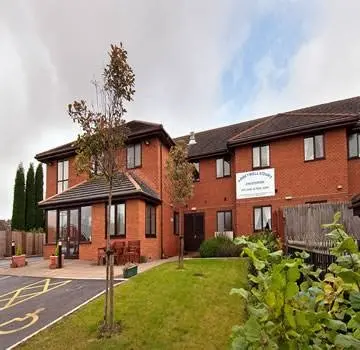
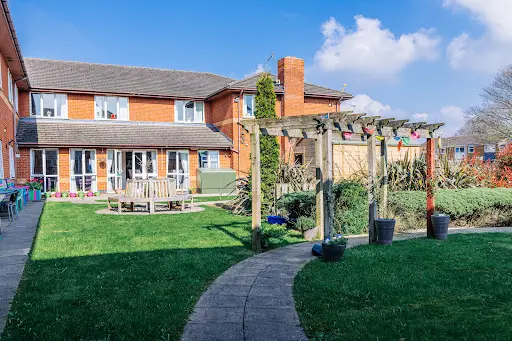
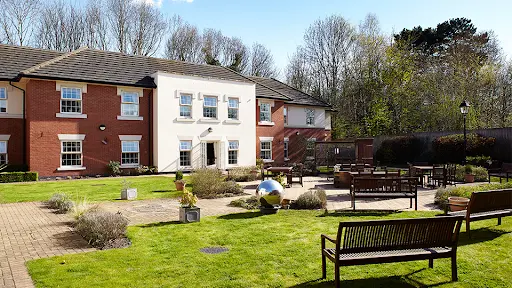
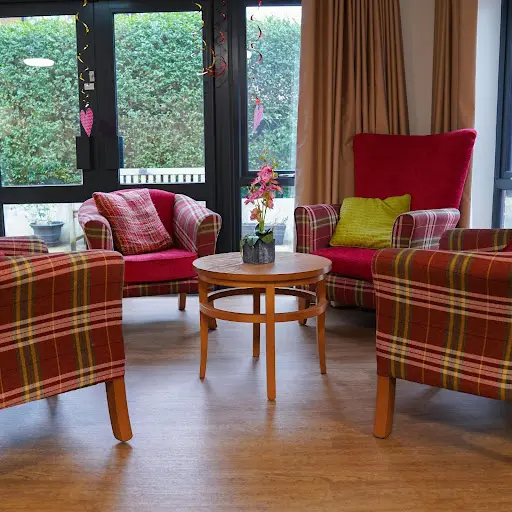
The kitchen consistently produces meals that impress visiting relatives. The home's cleanliness extends throughout all areas, creating a fresh atmosphere that families appreciate. While the outdoor spaces could use some updating, and summer months can get warm without air conditioning, the overall environment remains well-maintained.
“Every family's care journey is different, and visiting Chesterton Lodge yourself will help you get a feel for whether it matches what you're looking for.”
DCC does not edit or curate content in this tab. For independently curated information, see The Evidence and DCC Verdict.