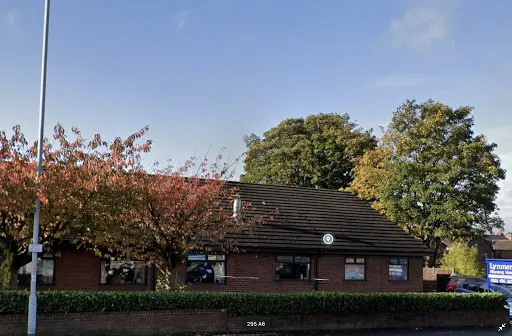
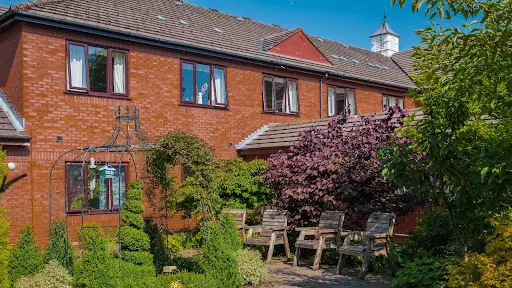
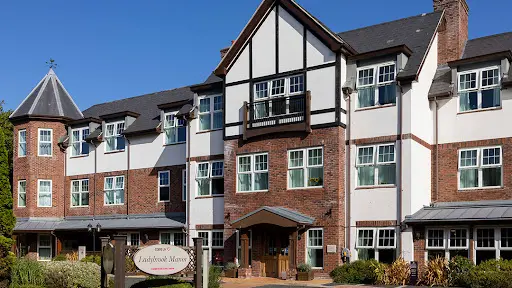
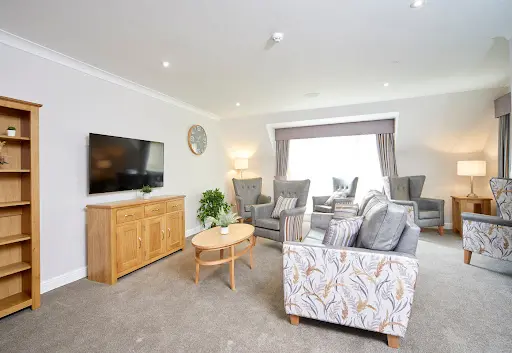
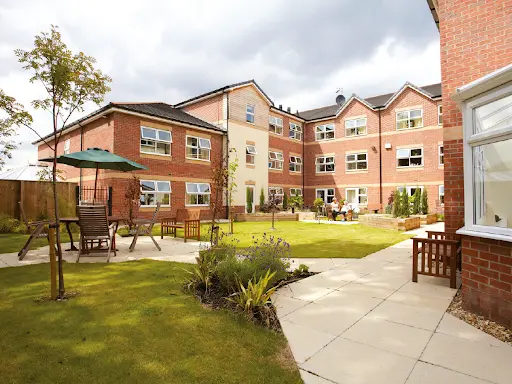
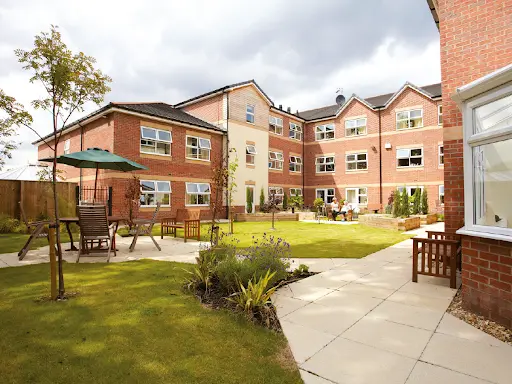
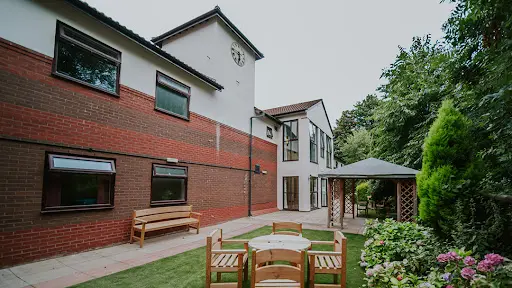
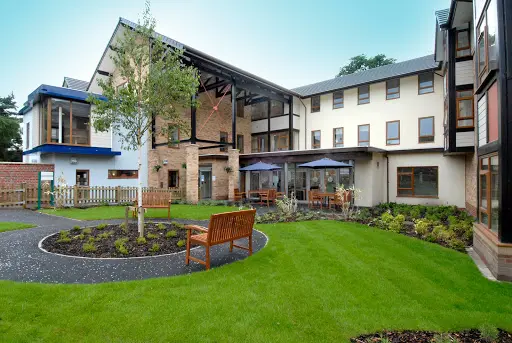
L & M Healthcare Cherry Tree House

At a Glance
The information you need to decide whether this home warrants a closer look.
Nursing homes
Staff warmth score
of reviewers answered yes
Good to know
- Registered beds81
- SpecialismsCaring for adults over 65 yrs, Caring for adults under 65 yrs, Caring for people whose rights are restricted under the Mental Health Act, Dementia, Learning disabilities, Mental health conditions, Physical disabilities, Sensory impairment
- Last inspected2024-02-13
Save L & M Healthcare Cherry Tree House to your shortlist
Keep a running list, add visit notes, and compare homes side-by-side. Free account — it takes a minute.
STAGE 4 — RESEARCHING CARE HOMES
Visit homes. Compare them side by side. Choose with confidence.
Most of us will view care homes the way we view houses, impression, atmosphere, the feeling in the corridor. We go home, try to remember what we saw, and make a permanent decision from a blurred memory.

The DCC shortlist gives every home you visit a structured record: the same twelve questions, answered the same way, every time. When you’re ready to choose, pull any two homes side by side and compare them directly. Same criteria, same evidence, your notes and your scores.
The Evidence
What the review data, the inspection reports, and the dementia-care evidence base tell us about this home.
What families say
The eight family priority themes
- Staff warmth72
- Compassion & dignity74
- Cleanliness65
- Activities & engagement65
- Food quality60
- Healthcare58
- Management & leadership75
- Resident happiness68
What inspectors found
Inspected 2024-02-13
Is this home safe?
Is the care effective?
The Effective domain was rated Good at the January 2024 inspection. This domain covers whether staff have the skills and knowledge to meet residents' needs, whether care plans are personalised, and whether residents have access to healthcare professionals including GPs. Cherry Tree House supports a notably wide range of needs, including dementia, learning disabilities, mental health conditions, and physical disabilities, which places significant demands on staff training. A Good rating here suggests inspectors were satisfied with the overall standard of practice, though the published summary does not provide granular detail on specific training programmes or care plan content.Is this home caring?
Inspectors rated the Caring domain Good at the January 2024 inspection. This domain reflects whether staff treat the people who live at the home with kindness, respect, and genuine concern for their wellbeing. A Good rating here is one of the most meaningful findings for families, because it is the domain most directly shaped by the moment-to-moment behaviour of front-line staff. The published summary does not include specific observations or quotes from this inspection, so we cannot point to particular examples of what inspectors saw. The rating alone, however, represents a positive judgement.Is the home responsive?
The Responsive domain was rated Good at the January 2024 inspection. This domain covers whether the home adapts its care and activities to meet each person's individual needs, preferences, and history, including how it handles complaints and plans for end of life. The home's specialism list is broad, covering dementia, learning disabilities, mental health conditions, physical disabilities, and sensory impairments, which means the expectation of responsiveness to individual need is high. The published summary does not include specific examples of activity programmes, individual engagement, or complaint outcomes.Is the home well-led?
The Well-led domain was rated Good at the January 2024 inspection. This domain assesses whether the home has effective management, a positive culture, and systems to monitor quality and act on concerns. The overall improvement from Requires Improvement to Good reflects positively on the management team's ability to drive change, even if the safety domain has not yet fully followed suit. The nominated individual responsible for the service is Mr Paul Fletcher, operating under London And Manchester Healthcare (Romiley) Ltd. The published summary does not include specific detail on manager tenure, staff culture, or the governance mechanisms inspectors observed.
Source: CQC inspection report →
What the evidence base says
The team supports residents with dementia, physical disabilities, and sensory impairments. They also have experience caring for people with learning disabilities and mental health conditions. Staff work with residents living with dementia, adapting their approach to each person's cognitive needs. The home accepts residents with various stages of dementia alongside other complex conditions. All areas worth probing directly during a visit.
The DCC Verdict
Our editorial view, built from the three lenses: what families tell us, what inspectors record, and how the home sits against good dementia-care practice.
DCC Family Score
Cherry Tree House scores in the mid-range overall, reflecting genuine strengths in how staff treat the people who live there and how the home is led, set against a 'Requires Improvement' rating for safety that families need to investigate carefully before making a decision.
Homes in North West typically score 68–82.Worth a visit
Cherry Tree House, on Compstall Road in Stockport, was rated Good overall at its inspection in January 2024, an improvement from its previous rating of Requires Improvement. Inspectors found the home to be Good in the Effective, Caring, Responsive, and Well-led domains, suggesting that staff treat residents respectfully, that care planning is broadly sound, and that the management team is providing adequate oversight. The home supports a wide range of needs including dementia, mental health conditions, learning disabilities, and physical disabilities across 81 beds. The significant concern to address before choosing this home is the Requires Improvement rating for Safe, which was given at the same inspection. This means inspectors found specific safety issues that had not yet been resolved. The published summary does not spell out exactly what those issues were, so your most important task is to ask the manager directly what the safety findings were, what has been done since January 2024 to address them, and whether a follow-up inspection has taken place or is planned. Also ask how many permanent staff are on the dementia unit overnight and what proportion of shifts are covered by agency workers.
The three questions to ask when you visitSave this home. Compare it against your shortlist.
Let our analysis show you how L & M Healthcare Cherry Tree House measures up against the other homes you’re considering. Free account.
In Their Own Words
How L & M Healthcare Cherry Tree House describes itself — collected from its own website. DCC has not edited or independently verified the content in this tab.
Specialist support across complex care needs in Stockport
Cherry Tree House – Expert Care in Stockport
Cherry Tree House in Stockport provides care for people with a wide range of support needs, from learning disabilities to mental health conditions. The home works with residents of all ages who need specialist support, including those under 65. They're registered to care for people whose rights are restricted under the Mental Health Act.
Who they care for
The team supports residents with dementia, physical disabilities, and sensory impairments. They also have experience caring for people with learning disabilities and mental health conditions.
Staff work with residents living with dementia, adapting their approach to each person's cognitive needs. The home accepts residents with various stages of dementia alongside other complex conditions.
“If you're looking for specialist care in Stockport, it's worth arranging a visit to see if Cherry Tree House could meet your loved one's needs.”
DCC does not edit or curate content in this tab. For independently curated information, see The Evidence and DCC Verdict.
The DCC Verdict
Our editorial view, built from the three lenses: what families tell us, what inspectors record, and how the home sits against good dementia-care practice.
DCC Family Score
Cherry Tree House scores in the mid-range overall, reflecting genuine strengths in how staff treat the people who live there and how the home is led, set against a 'Requires Improvement' rating for safety that families need to investigate carefully before making a decision.
Homes in North West typically score 68–82.Worth a visit
Cherry Tree House, on Compstall Road in Stockport, was rated Good overall at its inspection in January 2024, an improvement from its previous rating of Requires Improvement. Inspectors found the home to be Good in the Effective, Caring, Responsive, and Well-led domains, suggesting that staff treat residents respectfully, that care planning is broadly sound, and that the management team is providing adequate oversight. The home supports a wide range of needs including dementia, mental health conditions, learning disabilities, and physical disabilities across 81 beds. The significant concern to address before choosing this home is the Requires Improvement rating for Safe, which was given at the same inspection. This means inspectors found specific safety issues that had not yet been resolved. The published summary does not spell out exactly what those issues were, so your most important task is to ask the manager directly what the safety findings were, what has been done since January 2024 to address them, and whether a follow-up inspection has taken place or is planned. Also ask how many permanent staff are on the dementia unit overnight and what proportion of shifts are covered by agency workers.
The three questions to ask when you visitSave this home. Compare it against your shortlist.
Let our analysis show you how L & M Healthcare Cherry Tree House measures up against the other homes you’re considering. Free account.
In Their Own Words
How L & M Healthcare Cherry Tree House describes itself — collected from its own website. DCC has not edited or independently verified the content in this tab.
Specialist support across complex care needs in Stockport
Cherry Tree House – Expert Care in Stockport
Cherry Tree House in Stockport provides care for people with a wide range of support needs, from learning disabilities to mental health conditions. The home works with residents of all ages who need specialist support, including those under 65. They're registered to care for people whose rights are restricted under the Mental Health Act.
Who they care for
The team supports residents with dementia, physical disabilities, and sensory impairments. They also have experience caring for people with learning disabilities and mental health conditions.
Staff work with residents living with dementia, adapting their approach to each person's cognitive needs. The home accepts residents with various stages of dementia alongside other complex conditions.
“If you're looking for specialist care in Stockport, it's worth arranging a visit to see if Cherry Tree House could meet your loved one's needs.”
DCC does not edit or curate content in this tab. For independently curated information, see The Evidence and DCC Verdict.