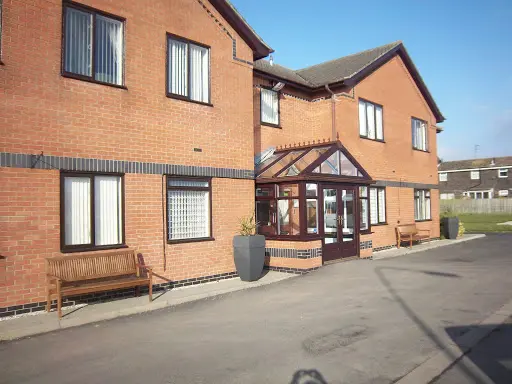
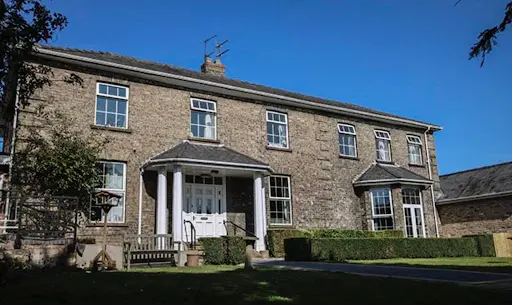
Brough Manor Care Home
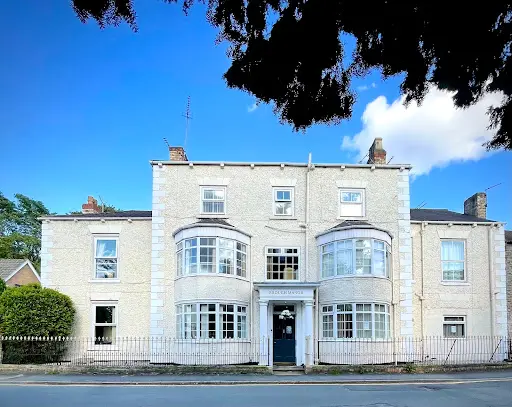
At a Glance
The information you need to decide whether this home warrants a closer look.
Residential homes
Staff warmth score
of reviewers answered yes
Good to know
- Registered beds26
- SpecialismsCaring for adults over 65 yrs, Caring for adults under 65 yrs, Dementia, Physical disabilities, Sensory impairment
- Last inspected2018-05-25
Save Brough Manor Care Home to your shortlist
Keep a running list, add visit notes, and compare homes side-by-side. Free account — it takes a minute.
STAGE 4 — RESEARCHING CARE HOMES
Visit homes. Compare them side by side. Choose with confidence.
Most of us will view care homes the way we view houses, impression, atmosphere, the feeling in the corridor. We go home, try to remember what we saw, and make a permanent decision from a blurred memory.

The DCC shortlist gives every home you visit a structured record: the same twelve questions, answered the same way, every time. When you’re ready to choose, pull any two homes side by side and compare them directly. Same criteria, same evidence, your notes and your scores.
The Evidence
What the review data, the inspection reports, and the dementia-care evidence base tell us about this home.
What families say
Long-term residents' families describe a warm atmosphere where staff create a welcoming environment. The home appears to work well for some older residents who've settled in over months or years.
The eight family priority themes
- Staff warmth55
- Compassion & dignity55
- Cleanliness55
- Activities & engagement50
- Food quality50
- Healthcare50
- Management & leadership60
- Resident happiness55
What inspectors found
Inspected 2018-05-25
Is this home safe?
Is the care effective?
The Effective domain was rated Good at the April 2018 inspection. This domain covers care planning, staff training, healthcare access, and nutrition. The home lists dementia as a specialism, which means inspectors would have considered whether staff training and care approaches are appropriate for people living with dementia. No specific detail about training content, care plan quality, GP access, or food is recorded in the available report text. The Good rating indicates inspectors were satisfied, but the evidence behind that satisfaction is not visible in the published findings.Is this home caring?
The Caring domain was rated Good at the April 2018 inspection. This domain covers staff warmth, dignity, respect, and whether people are treated as individuals. No direct observations of staff interactions are recorded in the available text, and no resident or relative quotes appear in the published findings. The Good rating indicates that inspectors were satisfied with the quality of relationships and the manner in which care was delivered. Without specific examples, it is not possible to describe what that looked like in practice.Is the home responsive?
The Responsive domain was rated Good at the April 2018 inspection. This domain covers activities, engagement, individuality, and how the home responds to complaints and end-of-life needs. No descriptions of specific activities, individual engagement, or complaint handling are included in the published findings. The home supports people with a range of needs including dementia and sensory impairment, both of which require tailored rather than generic activity provision. The inspection does not describe what that looks like in practice at Brough Manor.Is the home well-led?
The Well-led domain was rated Good at the April 2018 inspection. A named registered manager (Miss Deborah Gillian Leoni) and a nominated individual (Mr Bradley William Birmingham) are confirmed in the registration record. This domain covers leadership culture, governance, staff support, and how the home learns from incidents and feedback. No specific examples of governance practice, staff feedback mechanisms, or audit processes are described in the available report text. The Good rating indicates inspectors were satisfied with the leadership structure, but the evidence behind that is not visible in the published findings.
Source: CQC inspection report →
What the evidence base says
The home lists care for sensory impairments, physical disabilities and residents both under and over 65. They also indicate dementia support. While dementia care is listed as a specialism, the serious concerns raised about respite care and resident autonomy suggest families should ask detailed questions about their approaches and safeguarding procedures. All areas worth probing directly during a visit.
The DCC Verdict
Our editorial view, built from the three lenses: what families tell us, what inspectors record, and how the home sits against good dementia-care practice.
DCC Family Score
Brough Manor Care Home received a Good rating across all five domains at its only recorded inspection in April 2018, but the published report contains very little specific detail to support higher scores. The Good ratings are meaningful, but the absence of direct observations, quotes, and specific examples means this score reflects confirmed compliance rather than richly evidenced quality.
Homes in Yorkshire & Humberside typically score 68–82.The three-lens summary
What families tell us
Long-term residents' families describe a warm atmosphere where staff create a welcoming environment. The home appears to work well for some older residents who've settled in over months or years.
What inspectors have recorded
There's a stark divide in experiences here. Some families express confidence in the care their relatives receive over extended periods. However, two separate respite users reported being prevented from leaving the building when they wanted to go home, requiring police assistance. Another respite user described medication errors and inadequate support for oxygen-dependent care.
How it sits against good practice
Given the concerning reports alongside positive experiences, visiting and asking thorough questions becomes especially important here.
Worth a visit
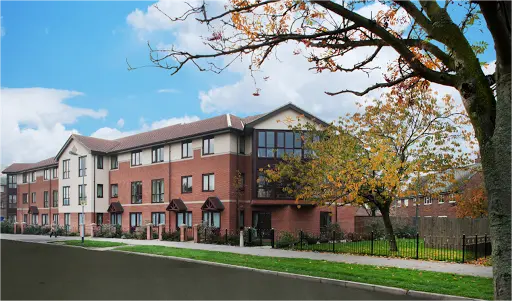
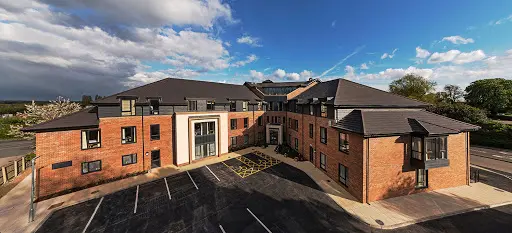
Brough Manor Care Home, on Station Road in Brough, was rated Good across all five inspection domains at its only recorded inspection, carried out in April 2018 and published in May 2018. The home supports up to 26 people, including those living with dementia, physical disabilities, and sensory impairments. A named registered manager and nominated individual were confirmed, suggesting a clear management structure. All domains, covering safety, effectiveness, care quality, responsiveness, and leadership, were assessed as Good. The most important thing to know before visiting is that this inspection is now more than seven years old. A lot can change in a care home over that time: staffing, management, physical environment, and day-to-day culture. The published report contains very little specific detail, so you are relying almost entirely on the Good rating labels rather than a rich picture of what life is actually like for the people who live there. When you visit, ask to see the current staffing rota for last week (not just the template), find out how many permanent versus agency staff covered recent night shifts, and ask the manager how long they have been in post. These questions will tell you far more than a seven-year-old rating.
The three questions to ask when you visitSave this home. Compare it against your shortlist.
Let our analysis show you how Brough Manor Care Home measures up against the other homes you’re considering. Free account.
In Their Own Words
How Brough Manor Care Home describes itself — collected from its own website. DCC has not edited or independently verified the content in this tab.
Long-term residents find comfort while respite care raises serious concerns
Compassionate Care in Brough at Brough Manor Care Home
Brough Manor Care Home in Yorkshire presents a complex picture that families need to understand. While some relatives speak warmly of the care their loved ones receive during extended stays, others have reported deeply troubling experiences during short-term respite visits that involved police intervention.
Who they care for
The home lists care for sensory impairments, physical disabilities and residents both under and over 65. They also indicate dementia support.
While dementia care is listed as a specialism, the serious concerns raised about respite care and resident autonomy suggest families should ask detailed questions about their approaches and safeguarding procedures.
“Given the concerning reports alongside positive experiences, visiting and asking thorough questions becomes especially important here.”
DCC does not edit or curate content in this tab. For independently curated information, see The Evidence and DCC Verdict.
The DCC Verdict
Our editorial view, built from the three lenses: what families tell us, what inspectors record, and how the home sits against good dementia-care practice.
DCC Family Score
Brough Manor Care Home received a Good rating across all five domains at its only recorded inspection in April 2018, but the published report contains very little specific detail to support higher scores. The Good ratings are meaningful, but the absence of direct observations, quotes, and specific examples means this score reflects confirmed compliance rather than richly evidenced quality.
Homes in Yorkshire & Humberside typically score 68–82.The three-lens summary
What families tell us
Long-term residents' families describe a warm atmosphere where staff create a welcoming environment. The home appears to work well for some older residents who've settled in over months or years.
What inspectors have recorded
There's a stark divide in experiences here. Some families express confidence in the care their relatives receive over extended periods. However, two separate respite users reported being prevented from leaving the building when they wanted to go home, requiring police assistance. Another respite user described medication errors and inadequate support for oxygen-dependent care.
How it sits against good practice
Given the concerning reports alongside positive experiences, visiting and asking thorough questions becomes especially important here.
Worth a visit
Brough Manor Care Home, on Station Road in Brough, was rated Good across all five inspection domains at its only recorded inspection, carried out in April 2018 and published in May 2018. The home supports up to 26 people, including those living with dementia, physical disabilities, and sensory impairments. A named registered manager and nominated individual were confirmed, suggesting a clear management structure. All domains, covering safety, effectiveness, care quality, responsiveness, and leadership, were assessed as Good. The most important thing to know before visiting is that this inspection is now more than seven years old. A lot can change in a care home over that time: staffing, management, physical environment, and day-to-day culture. The published report contains very little specific detail, so you are relying almost entirely on the Good rating labels rather than a rich picture of what life is actually like for the people who live there. When you visit, ask to see the current staffing rota for last week (not just the template), find out how many permanent versus agency staff covered recent night shifts, and ask the manager how long they have been in post. These questions will tell you far more than a seven-year-old rating.
The three questions to ask when you visitSave this home. Compare it against your shortlist.
Let our analysis show you how Brough Manor Care Home measures up against the other homes you’re considering. Free account.
In Their Own Words
How Brough Manor Care Home describes itself — collected from its own website. DCC has not edited or independently verified the content in this tab.
Long-term residents find comfort while respite care raises serious concerns
Compassionate Care in Brough at Brough Manor Care Home
Brough Manor Care Home in Yorkshire presents a complex picture that families need to understand. While some relatives speak warmly of the care their loved ones receive during extended stays, others have reported deeply troubling experiences during short-term respite visits that involved police intervention.
Who they care for
The home lists care for sensory impairments, physical disabilities and residents both under and over 65. They also indicate dementia support.
While dementia care is listed as a specialism, the serious concerns raised about respite care and resident autonomy suggest families should ask detailed questions about their approaches and safeguarding procedures.
Management & ethos
There's a stark divide in experiences here. Some families express confidence in the care their relatives receive over extended periods. However, two separate respite users reported being prevented from leaving the building when they wanted to go home, requiring police assistance. Another respite user described medication errors and inadequate support for oxygen-dependent care.
The home & environment
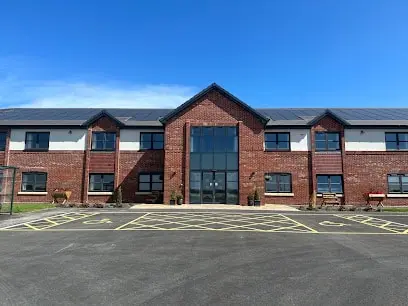
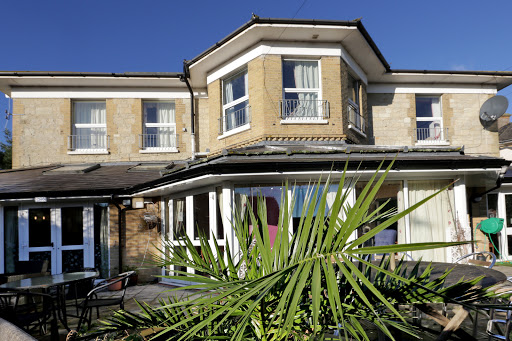
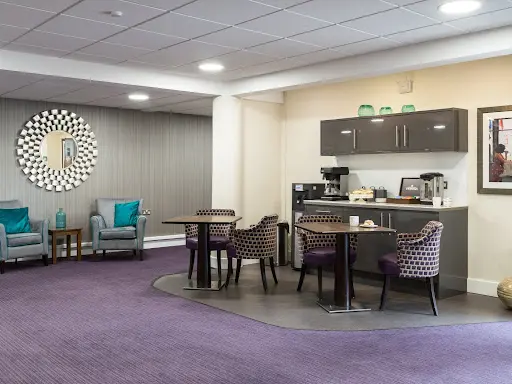
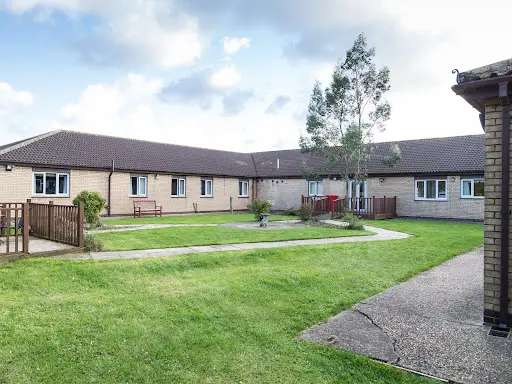
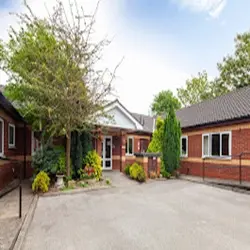
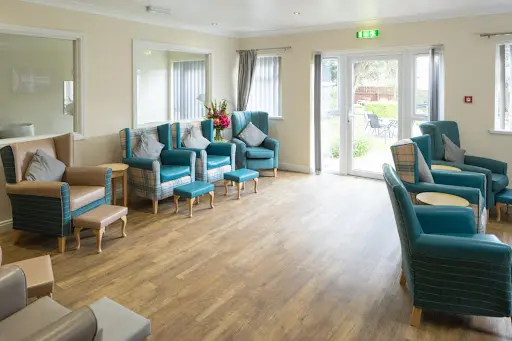
Staff work with residents on meal choices, talking through preferences each day and adjusting menus to suit individual tastes. The building was noted as clean during a Christmas visit.
“Given the concerning reports alongside positive experiences, visiting and asking thorough questions becomes especially important here.”
DCC does not edit or curate content in this tab. For independently curated information, see The Evidence and DCC Verdict.