Briarlea Care Home
At a Glance
The information you need to decide whether this home warrants a closer look.
Residential homes
Staff warmth score
of reviewers answered yes
Good to know
- Registered beds31
- SpecialismsCaring for adults over 65 yrs, Dementia
- Last inspected2019-06-11
Save Briarlea Care Home to your shortlist
Keep a running list, add visit notes, and compare homes side-by-side. Free account — it takes a minute.
STAGE 4 — RESEARCHING CARE HOMES
Visit homes. Compare them side by side. Choose with confidence.
Most of us will view care homes the way we view houses, impression, atmosphere, the feeling in the corridor. We go home, try to remember what we saw, and make a permanent decision from a blurred memory.

The DCC shortlist gives every home you visit a structured record: the same twelve questions, answered the same way, every time. When you’re ready to choose, pull any two homes side by side and compare them directly. Same criteria, same evidence, your notes and your scores.
The Evidence
What the review data, the inspection reports, and the dementia-care evidence base tell us about this home.
What families say
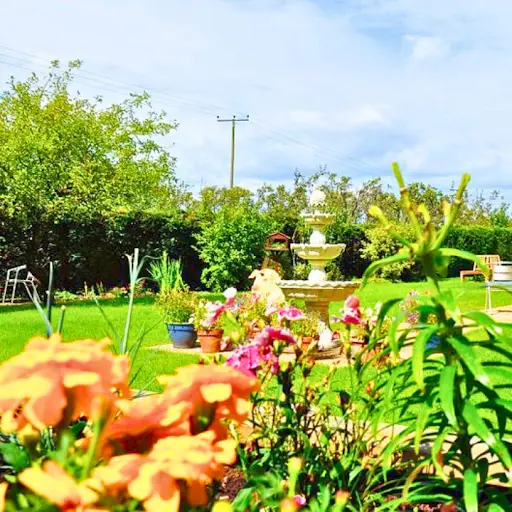
Families describe how staff get to know each resident as an individual, maintaining their dignity through every stage of their journey. The activities programme offers regular entertainment and garden access, with residents free to join in when they feel like it. People appreciate that the smaller setting means staff genuinely know everyone.
The eight family priority themes
- Staff warmth55
- Compassion & dignity55
- Cleanliness55
- Activities & engagement50
- Food quality50
- Healthcare50
- Management & leadership60
- Resident happiness55
What inspectors found
Inspected 2019-06-11
Is this home safe?
Is the care effective?
The home was rated Good for effectiveness at its last full inspection in March 2021. The published text does not describe care plan quality, GP access arrangements, dementia training content, or how food and nutrition are managed. The dementia specialism is listed as a registered service type, but no detail about what that means in practice is given in the published findings.Is this home caring?
The home was rated Good for caring at its last full inspection in March 2021. The published text does not include inspector observations of staff interactions, resident testimony about how they feel treated, or specific examples of dignity-respecting practice. No quotes from residents or relatives are included in the available findings.Is the home responsive?
The home was rated Good for responsiveness at its last full inspection in March 2021. The published text does not describe the activities programme, how the home meets individual preferences, or how end-of-life care is approached. The monitoring review in July 2023 did not change this rating.Is the home well-led?
The home was rated Good for leadership at its last full inspection in March 2021. A named registered manager and a nominated individual are formally recorded with the regulator. The monitoring review in July 2023 found no evidence that the rating needed reassessment. No further detail about the manager's visibility, culture, or governance practices is given in the published findings.
Source: CQC inspection report →
What the evidence base says
The home specialises in caring for adults over 65, with particular expertise in dementia care. Their approach focuses on maintaining each person's individuality and dignity throughout their care journey. Staff work to understand each resident's unique needs, adapting their approach as dementia progresses. The consistent staffing helps residents recognise familiar faces day to day, which families say makes a real difference to their loved ones' comfort and security. All areas worth probing directly during a visit.
The DCC Verdict
Our editorial view, built from the three lenses: what families tell us, what inspectors record, and how the home sits against good dementia-care practice.
DCC Family Score
Briarlea Care Home holds a Good rating across all five inspection domains, but the published inspection text contains very little specific detail, so scores reflect confirmed ratings rather than rich observational evidence. Families should treat this score as a starting point and gather more detail directly from the home.
Homes in West Midlands typically score 68–82.The three-lens summary
What families tell us
Families describe how staff get to know each resident as an individual, maintaining their dignity through every stage of their journey. The activities programme offers regular entertainment and garden access, with residents free to join in when they feel like it. People appreciate that the smaller setting means staff genuinely know everyone.
What inspectors have recorded
The management team stays connected with families, providing regular updates and actively seeking feedback about the care provided. During challenging times, families have noted clear communication about protocols and changes.
How it sits against good practice
You might want to visit during an activity session to see how residents and staff interact together.
Worth a visit
Briarlea Care Home, on Badsey Road in Evesham, was rated Good across all five inspection domains at its last full inspection in March 2021. A monitoring review carried out in July 2023 found no evidence that the rating needed to change. The home is registered for 31 beds and lists dementia care as a specialism, alongside general care for adults over 65. A named registered manager and a nominated individual are formally recorded, confirming a leadership structure is in place. The main limitation here is the very limited published detail. The inspection findings confirm the rating but include almost no specific observations about staff interactions, the environment, activities, food, or dementia care practice. This means families considering Briarlea should treat the Good rating as a positive starting point, not a complete picture. On your visit, ask to see last week's actual staffing rota, walk the dementia unit at a quiet time to observe how staff interact with residents, and ask the manager to describe one specific change the home made after an incident in the past year.
The three questions to ask when you visitSave this home. Compare it against your shortlist.
Let our analysis show you how Briarlea Care Home measures up against the other homes you’re considering. Free account.
In Their Own Words
How Briarlea Care Home describes itself — collected from its own website. DCC has not edited or independently verified the content in this tab.
Long-serving staff bring continuity to dementia care in Evesham
Residential home in Evesham: True Peace of Mind
For families facing dementia care decisions, consistency matters. At Briarlea Care Home in Evesham, many of the staff have worked here for years, creating the kind of familiar faces and routines that help residents feel secure. This smaller care home focuses on looking after people over 65, with particular experience in dementia support.
Who they care for
The home specialises in caring for adults over 65, with particular expertise in dementia care. Their approach focuses on maintaining each person's individuality and dignity throughout their care journey.
Staff work to understand each resident's unique needs, adapting their approach as dementia progresses. The consistent staffing helps residents recognise familiar faces day to day, which families say makes a real difference to their loved ones' comfort and security.
“You might want to visit during an activity session to see how residents and staff interact together.”
DCC does not edit or curate content in this tab. For independently curated information, see The Evidence and DCC Verdict.
The DCC Verdict
Our editorial view, built from the three lenses: what families tell us, what inspectors record, and how the home sits against good dementia-care practice.
DCC Family Score
Briarlea Care Home holds a Good rating across all five inspection domains, but the published inspection text contains very little specific detail, so scores reflect confirmed ratings rather than rich observational evidence. Families should treat this score as a starting point and gather more detail directly from the home.
Homes in West Midlands typically score 68–82.The three-lens summary
What families tell us
Families describe how staff get to know each resident as an individual, maintaining their dignity through every stage of their journey. The activities programme offers regular entertainment and garden access, with residents free to join in when they feel like it. People appreciate that the smaller setting means staff genuinely know everyone.
What inspectors have recorded
The management team stays connected with families, providing regular updates and actively seeking feedback about the care provided. During challenging times, families have noted clear communication about protocols and changes.
How it sits against good practice
You might want to visit during an activity session to see how residents and staff interact together.
Worth a visit
Briarlea Care Home, on Badsey Road in Evesham, was rated Good across all five inspection domains at its last full inspection in March 2021. A monitoring review carried out in July 2023 found no evidence that the rating needed to change. The home is registered for 31 beds and lists dementia care as a specialism, alongside general care for adults over 65. A named registered manager and a nominated individual are formally recorded, confirming a leadership structure is in place. The main limitation here is the very limited published detail. The inspection findings confirm the rating but include almost no specific observations about staff interactions, the environment, activities, food, or dementia care practice. This means families considering Briarlea should treat the Good rating as a positive starting point, not a complete picture. On your visit, ask to see last week's actual staffing rota, walk the dementia unit at a quiet time to observe how staff interact with residents, and ask the manager to describe one specific change the home made after an incident in the past year.
The three questions to ask when you visitSave this home. Compare it against your shortlist.
Let our analysis show you how Briarlea Care Home measures up against the other homes you’re considering. Free account.
In Their Own Words
How Briarlea Care Home describes itself — collected from its own website. DCC has not edited or independently verified the content in this tab.
Long-serving staff bring continuity to dementia care in Evesham
Residential home in Evesham: True Peace of Mind
For families facing dementia care decisions, consistency matters. At Briarlea Care Home in Evesham, many of the staff have worked here for years, creating the kind of familiar faces and routines that help residents feel secure. This smaller care home focuses on looking after people over 65, with particular experience in dementia support.
Who they care for
The home specialises in caring for adults over 65, with particular expertise in dementia care. Their approach focuses on maintaining each person's individuality and dignity throughout their care journey.
Staff work to understand each resident's unique needs, adapting their approach as dementia progresses. The consistent staffing helps residents recognise familiar faces day to day, which families say makes a real difference to their loved ones' comfort and security.
Management & ethos
The management team stays connected with families, providing regular updates and actively seeking feedback about the care provided. During challenging times, families have noted clear communication about protocols and changes.
The home & environment
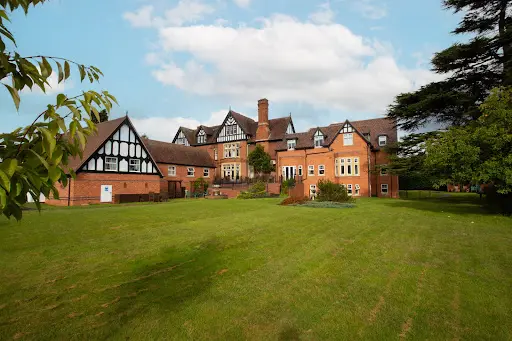
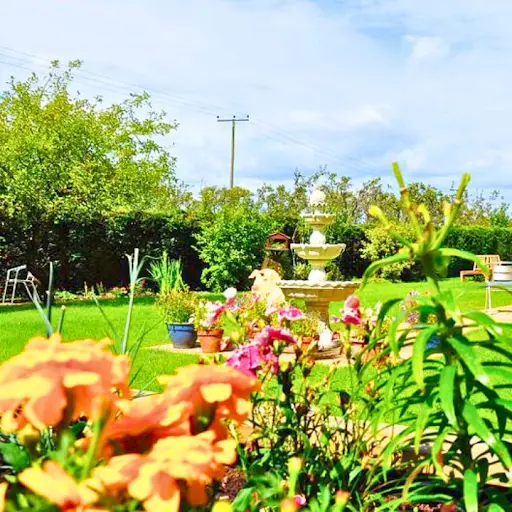
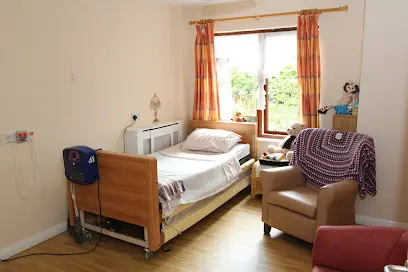
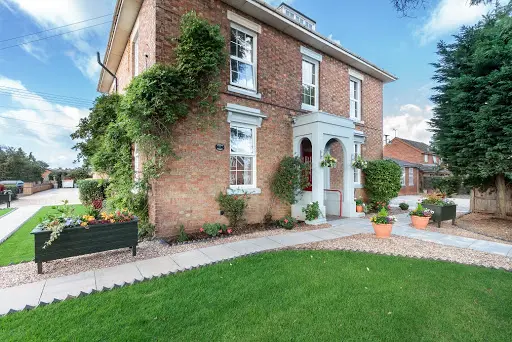
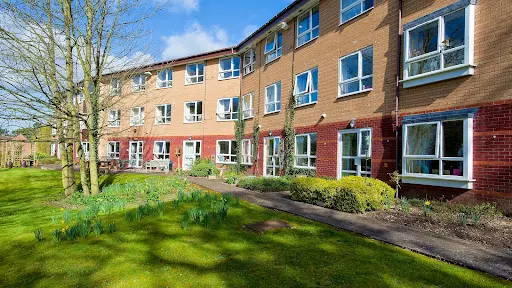
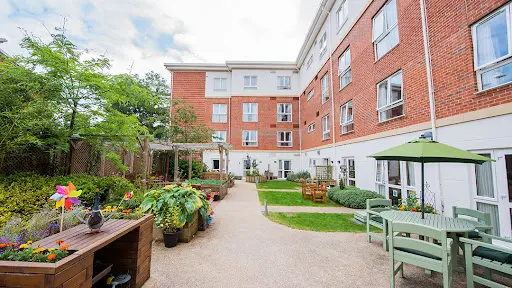
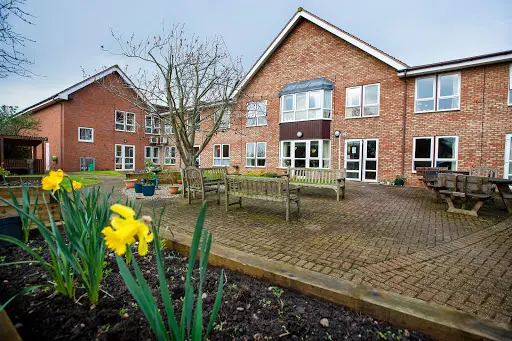
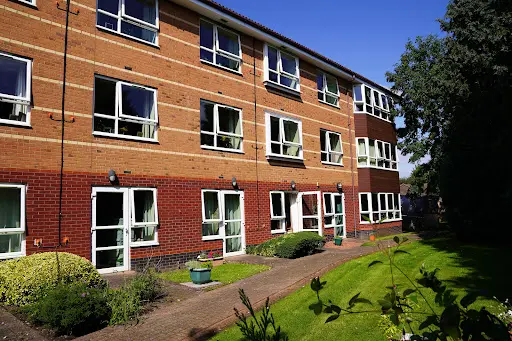
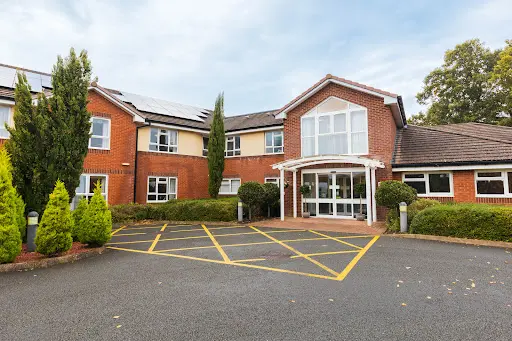
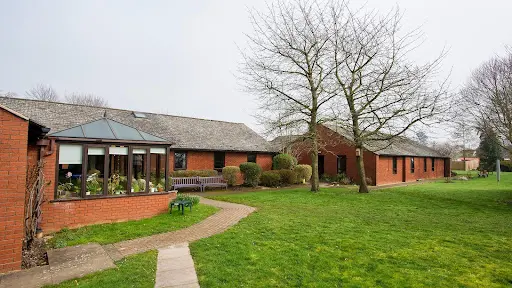
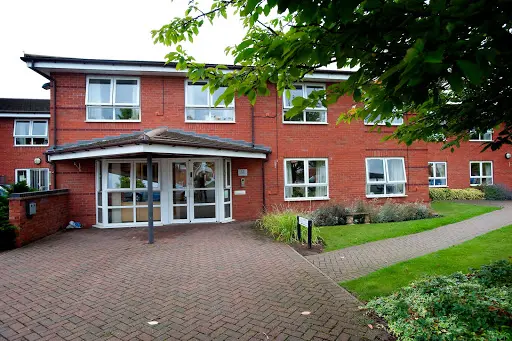
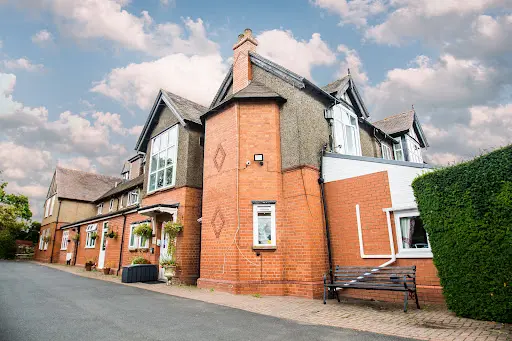
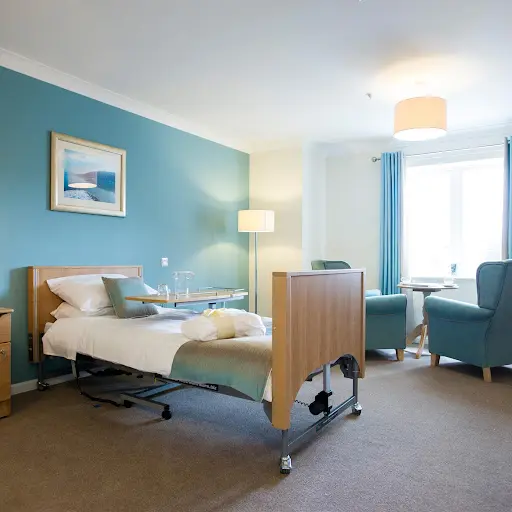
The home maintains high cleanliness standards throughout, with well-kept gardens providing outdoor space for residents to enjoy. The compact size creates a more personal atmosphere than you'd find in larger facilities.
“You might want to visit during an activity session to see how residents and staff interact together.”
DCC does not edit or curate content in this tab. For independently curated information, see The Evidence and DCC Verdict.