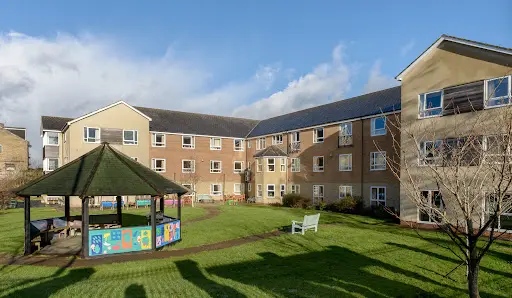
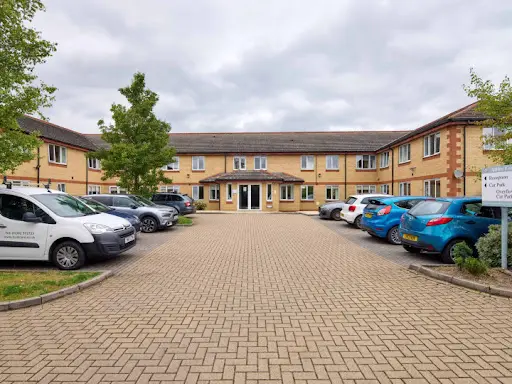
Attlee Court Care Home
At a Glance
The information you need to decide whether this home warrants a closer look.
Residential homes
Staff warmth score
of reviewers answered yes
Good to know
- Registered beds68
- SpecialismsCaring for adults over 65 yrs, Dementia
- Last inspected2022-09-08
Save Attlee Court Care Home to your shortlist
Keep a running list, add visit notes, and compare homes side-by-side. Free account — it takes a minute.
STAGE 4 — RESEARCHING CARE HOMES
Visit homes. Compare them side by side. Choose with confidence.
Most of us will view care homes the way we view houses, impression, atmosphere, the feeling in the corridor. We go home, try to remember what we saw, and make a permanent decision from a blurred memory.

The DCC shortlist gives every home you visit a structured record: the same twelve questions, answered the same way, every time. When you’re ready to choose, pull any two homes side by side and compare them directly. Same criteria, same evidence, your notes and your scores.
The Evidence
What the review data, the inspection reports, and the dementia-care evidence base tell us about this home.
What families say
Families describe walking into a place where staff are naturally warm and approachable. Even as dementia progressed over many years, one resident continued to feel loved and cared for — something their family could sense at every visit.
The eight family priority themes
- Staff warmth55
- Compassion & dignity55
- Cleanliness55
- Activities & engagement50
- Food quality50
- Healthcare55
- Management & leadership60
- Resident happiness55
What inspectors found
Inspected 2022-09-08
Is this home safe?
Is the care effective?
No domain-level rating for Effective is recorded in the published data for the September 2022 inspection. The published inspection summary does not include specific observations about care planning, dementia training, GP access, medication management, or food quality. The home's specialisms include dementia care for adults over 65, which means these areas should be a particular focus of any visit. The August 2025 assessment referenced in the overview may contain relevant detail, but its findings were not available for this review.Is this home caring?
No domain-level rating for Caring is recorded in the published data for the September 2022 inspection, and the inspection summary provided does not include specific observations about staff warmth, dignity, privacy, or how staff interact with residents day to day. The improvement from Inadequate to Requires Improvement suggests that the most serious concerns have been addressed, but the detail of what caring interactions now look like is not captured in the available findings. The August 2025 assessment may contain relevant observations, but its detail was not available for this review.Is the home responsive?
No domain-level rating for Responsive is recorded in the published data for the September 2022 inspection. The inspection summary provided does not include specific observations about activities, individual engagement, end-of-life planning, or how the home responds to individual preferences. The home lists dementia as a specialism, which means responsiveness to the particular needs of people living with dementia should be a core part of its offer. Whether that is reflected in practice is not confirmed in the available findings.Is the home well-led?
No domain-level rating for Well-led is recorded in the published data for the September 2022 inspection. The inspection record confirms a named registered manager, Mrs Michelle Angela Smith, and a named nominated individual, Mr Andrew Savage, are in post. The home's improvement from Inadequate to Requires Improvement is a leadership indicator in itself, as sustained improvement requires management engagement. Beyond the presence of named leaders, the available inspection findings do not provide specific observations about management visibility, staff culture, or governance arrangements.
Source: CQC inspection report →
What the evidence base says
Attlee Court focuses on caring for people over 65 who are living with dementia. The home has supported residents through the full progression of dementia, from early stages through to advanced care needs. Staff understand how to help people feel secure and valued, even when communication becomes difficult. All areas worth probing directly during a visit.
The DCC Verdict
Our editorial view, built from the three lenses: what families tell us, what inspectors record, and how the home sits against good dementia-care practice.
DCC Family Score
Attlee Court has moved from Inadequate to Requires Improvement at its most recent published assessment, which is a meaningful step forward. However, the inspection report provided contains very limited specific evidence across all eight family themes, so scores reflect that improvement trajectory rather than confirmed detail.
Homes in Yorkshire & Humberside typically score 68–82.The three-lens summary
What families tell us
Families describe walking into a place where staff are naturally warm and approachable. Even as dementia progressed over many years, one resident continued to feel loved and cared for — something their family could sense at every visit.
What inspectors have recorded
What stands out here is how staff maintain their caring approach over time. Whether it's a routine visit or supporting someone through their final days, the team shows consistent kindness that families remember.
How it sits against good practice
Sometimes the best measure of a care home is how families feel years later — and here, that feeling is gratitude.
Worth a visit
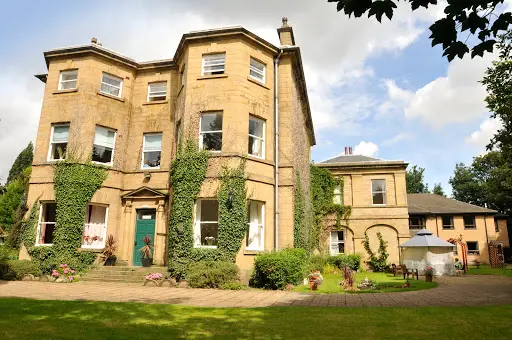
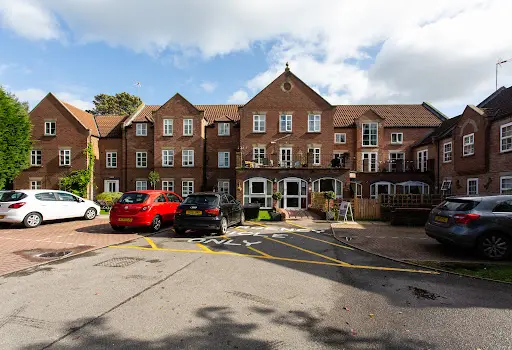
Attlee Court, on Attlee Street in Normanton, was rated Requires Improvement at its most recent published assessment in September 2022. The home has shown a meaningful improvement from its previous rating of Inadequate, which tells you that action has been taken. The home specialises in residential care for adults over 65, including people living with dementia, and has 68 beds. A registered manager and a nominated individual are both named in the inspection record, indicating a defined leadership structure. The most important thing to know is that this report is based on a 2022 inspection, and the inspection summary provided contains very little specific detail about day-to-day care, staffing, activities, food, or the environment. A newer assessment dated August 2025 appears to exist but its full detail was not available for this review. Before making any decision, ask the home to share the August 2025 report, arrange a visit at an unannounced time if possible, and work through the checklist questions below with the registered manager.
The three questions to ask when you visitSave this home. Compare it against your shortlist.
Let our analysis show you how Attlee Court Care Home measures up against the other homes you’re considering. Free account.
In Their Own Words
How Attlee Court Care Home describes itself — collected from its own website. DCC has not edited or independently verified the content in this tab.
Where kindness meets consistency for families facing dementia
Attlee Court – Expert Care in Normanton
When dementia changes everything, finding somewhere that feels genuinely caring becomes crucial. Attlee Court in Normanton has been supporting families through this journey for years, with staff who understand that small acts of warmth make all the difference. The home specialises in dementia care for people over 65.
Who they care for
Attlee Court focuses on caring for people over 65 who are living with dementia.
The home has supported residents through the full progression of dementia, from early stages through to advanced care needs. Staff understand how to help people feel secure and valued, even when communication becomes difficult.
“Sometimes the best measure of a care home is how families feel years later — and here, that feeling is gratitude.”
DCC does not edit or curate content in this tab. For independently curated information, see The Evidence and DCC Verdict.
The DCC Verdict
Our editorial view, built from the three lenses: what families tell us, what inspectors record, and how the home sits against good dementia-care practice.
DCC Family Score
Attlee Court has moved from Inadequate to Requires Improvement at its most recent published assessment, which is a meaningful step forward. However, the inspection report provided contains very limited specific evidence across all eight family themes, so scores reflect that improvement trajectory rather than confirmed detail.
Homes in Yorkshire & Humberside typically score 68–82.The three-lens summary
What families tell us
Families describe walking into a place where staff are naturally warm and approachable. Even as dementia progressed over many years, one resident continued to feel loved and cared for — something their family could sense at every visit.
What inspectors have recorded
What stands out here is how staff maintain their caring approach over time. Whether it's a routine visit or supporting someone through their final days, the team shows consistent kindness that families remember.
How it sits against good practice
Sometimes the best measure of a care home is how families feel years later — and here, that feeling is gratitude.
Worth a visit
Attlee Court, on Attlee Street in Normanton, was rated Requires Improvement at its most recent published assessment in September 2022. The home has shown a meaningful improvement from its previous rating of Inadequate, which tells you that action has been taken. The home specialises in residential care for adults over 65, including people living with dementia, and has 68 beds. A registered manager and a nominated individual are both named in the inspection record, indicating a defined leadership structure. The most important thing to know is that this report is based on a 2022 inspection, and the inspection summary provided contains very little specific detail about day-to-day care, staffing, activities, food, or the environment. A newer assessment dated August 2025 appears to exist but its full detail was not available for this review. Before making any decision, ask the home to share the August 2025 report, arrange a visit at an unannounced time if possible, and work through the checklist questions below with the registered manager.
The three questions to ask when you visitSave this home. Compare it against your shortlist.
Let our analysis show you how Attlee Court Care Home measures up against the other homes you’re considering. Free account.
In Their Own Words
How Attlee Court Care Home describes itself — collected from its own website. DCC has not edited or independently verified the content in this tab.
Where kindness meets consistency for families facing dementia
Attlee Court – Expert Care in Normanton
When dementia changes everything, finding somewhere that feels genuinely caring becomes crucial. Attlee Court in Normanton has been supporting families through this journey for years, with staff who understand that small acts of warmth make all the difference. The home specialises in dementia care for people over 65.
Who they care for
Attlee Court focuses on caring for people over 65 who are living with dementia.
The home has supported residents through the full progression of dementia, from early stages through to advanced care needs. Staff understand how to help people feel secure and valued, even when communication becomes difficult.
Management & ethos
What stands out here is how staff maintain their caring approach over time. Whether it's a routine visit or supporting someone through their final days, the team shows consistent kindness that families remember.
The home & environment
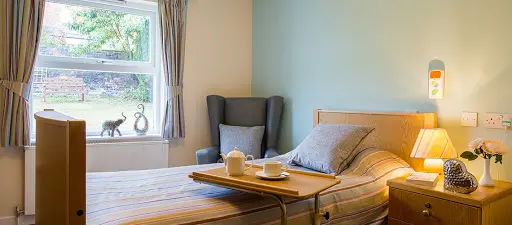
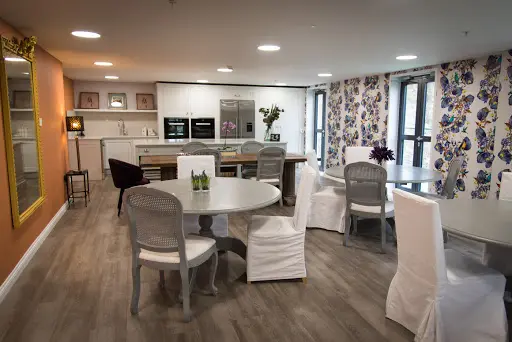
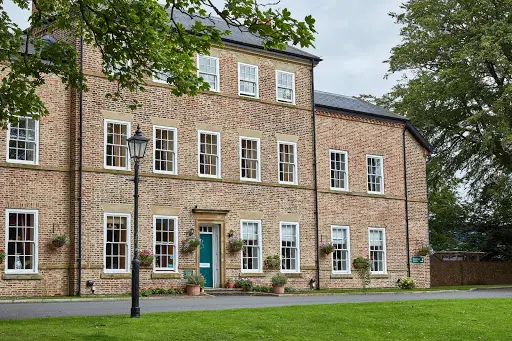
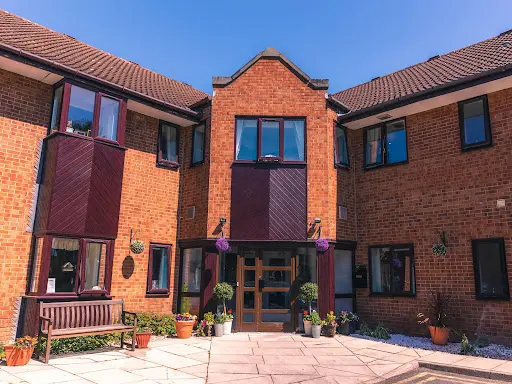
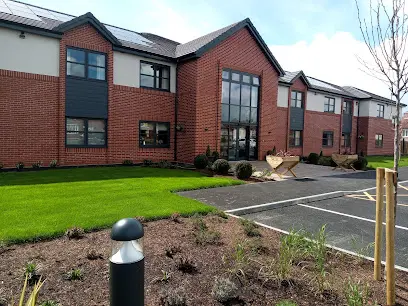
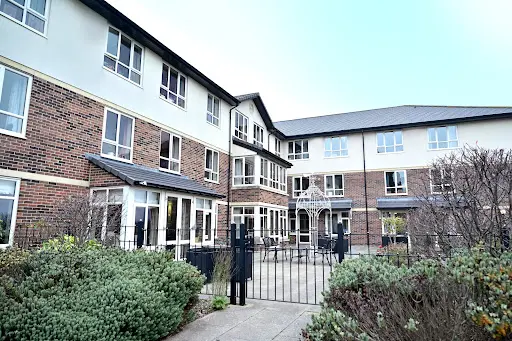
The home maintains clean, comfortable surroundings where residents can enjoy recreational activities. It's the kind of environment where families feel at ease spending time.
“Sometimes the best measure of a care home is how families feel years later — and here, that feeling is gratitude.”
DCC does not edit or curate content in this tab. For independently curated information, see The Evidence and DCC Verdict.