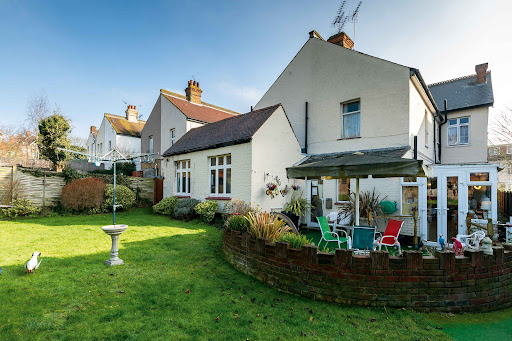
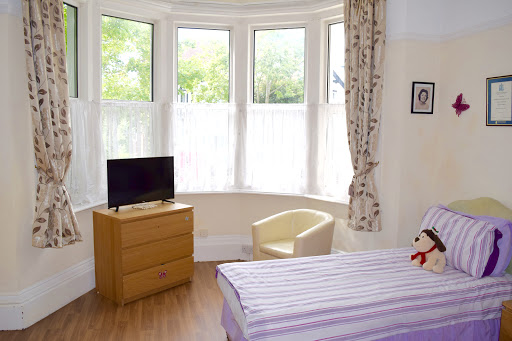
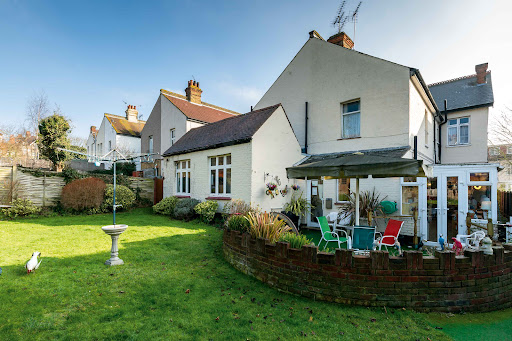
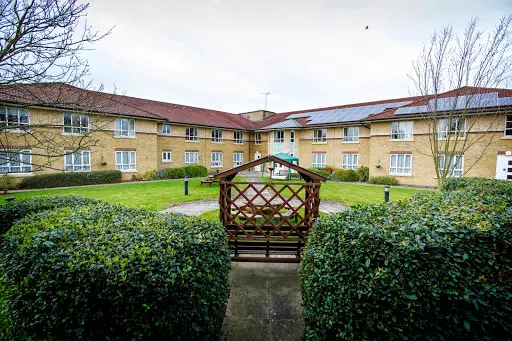
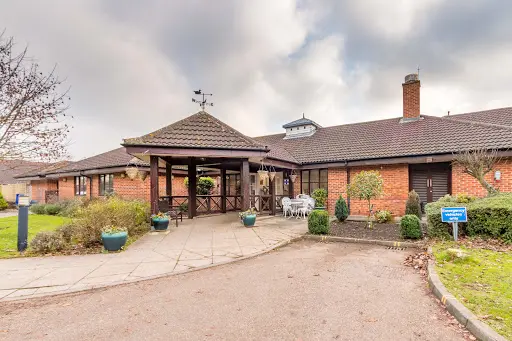
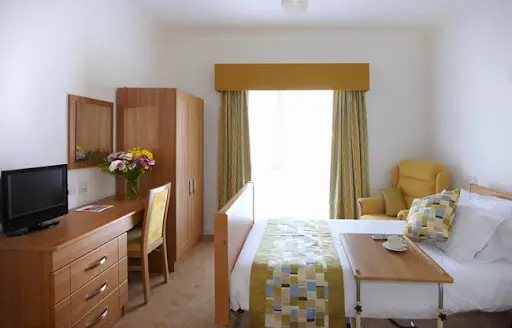
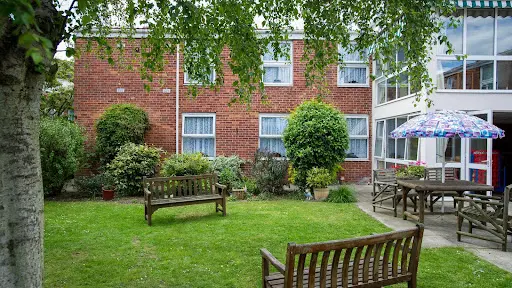
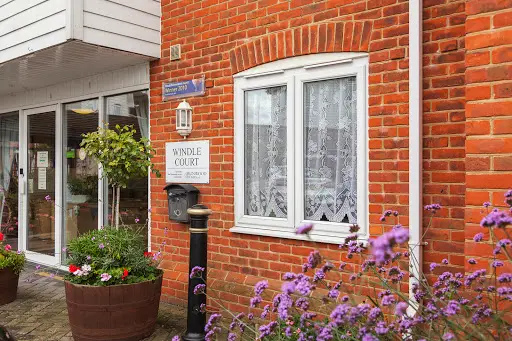
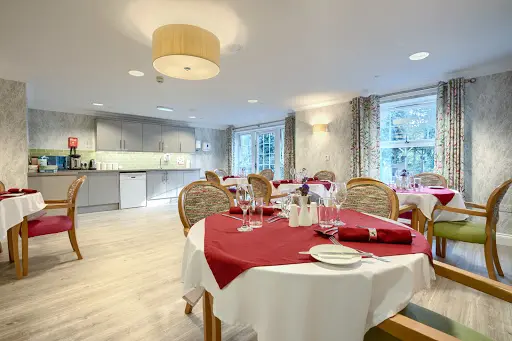
Astral Lodge Residential Care Home

At a Glance
The information you need to decide whether this home warrants a closer look.
Residential homes
Staff warmth score
of reviewers answered yes
Good to know
- Registered beds14
- SpecialismsCaring for adults over 65 yrs, Dementia
- Last inspected2018-11-06
Save Astral Lodge Residential Care Home to your shortlist
Keep a running list, add visit notes, and compare homes side-by-side. Free account — it takes a minute.
STAGE 4 — RESEARCHING CARE HOMES
Visit homes. Compare them side by side. Choose with confidence.
Most of us will view care homes the way we view houses, impression, atmosphere, the feeling in the corridor. We go home, try to remember what we saw, and make a permanent decision from a blurred memory.

The DCC shortlist gives every home you visit a structured record: the same twelve questions, answered the same way, every time. When you’re ready to choose, pull any two homes side by side and compare them directly. Same criteria, same evidence, your notes and your scores.
The Evidence
What the review data, the inspection reports, and the dementia-care evidence base tell us about this home.
What families say
Families often mention how welcoming they find the atmosphere here. Residents seem to settle well after the initial transition, with many appearing more content as they adjust to their new surroundings. The staff focus on creating moments of connection and joy through organised activities and celebrations.
The eight family priority themes
- Staff warmth72
- Compassion & dignity72
- Cleanliness65
- Activities & engagement55
- Food quality55
- Healthcare65
- Management & leadership70
- Resident happiness65
What inspectors found
Inspected 2018-11-06
Is this home safe?
Is the care effective?
The home was rated Good for Effective at the February 2022 inspection. This domain covers care planning, staff training, nutrition, and access to healthcare professionals such as GPs. The published summary does not describe the content of care plans, how frequently they are reviewed, what dementia-specific training staff have completed, or how the home works with GPs and other health professionals. No shortfalls were identified in this domain. The home lists dementia as a specialism, so the quality of training and care planning in this area is especially relevant.Is this home caring?
Astral Lodge was rated Good for Caring at the February 2022 inspection. This domain covers staff warmth, dignity, respect, and support for independence. The published summary does not include any inspector observations of staff interactions, resident quotes about how they feel treated, or examples of how the home promotes privacy and dignity in practice. No concerns were raised. For a dementia-specific home, the quality of moment-to-moment interaction, including tone of voice, use of preferred names, and unhurried pace, is central to this domain.Is the home responsive?
The home was rated Good for Responsive at the February 2022 inspection. This domain covers activities, individual engagement, and how well the home responds to each person's needs and preferences. The published summary does not describe what activities are offered, how they are tailored to individuals, whether one-to-one engagement is available for people who cannot join group activities, or how end-of-life preferences are recorded and honoured. No concerns were identified. At 14 beds, the home is small enough that genuinely individual care is possible, but the inspection provides no evidence either way.Is the home well-led?
Astral Lodge was rated Good for Well-led at the February 2022 inspection. A named registered manager, Mrs Jane Shingirai Zinhu, is recorded as holding that role. The home is run by Mrs Aunjali Johar and Mr Navneet Singh Johar as owners. The published summary does not describe how the manager supports staff, how feedback from residents and families is gathered or acted upon, how the home investigates incidents, or how the culture within the team is maintained. No governance concerns were identified at the time of inspection.
Source: CQC inspection report →
What the evidence base says
The home specialises in dementia care and supports adults over 65. Most residents live with dementia, which shapes the care approach and daily routines. The team shows understanding of dementia's challenges, helping residents through difficult transitions. They provide organised activities aimed at maintaining wellbeing and engagement for those living with the condition. All areas worth probing directly during a visit.
The DCC Verdict
Our editorial view, built from the three lenses: what families tell us, what inspectors record, and how the home sits against good dementia-care practice.
DCC Family Score
Astral Lodge holds a Good rating across all five inspection domains, but the published report contains very limited specific detail, so scores reflect a confirmed baseline of adequacy rather than strong, evidenced practice in any particular area.
Homes in East typically score 68–82.The three-lens summary
What families tell us
Families often mention how welcoming they find the atmosphere here. Residents seem to settle well after the initial transition, with many appearing more content as they adjust to their new surroundings. The staff focus on creating moments of connection and joy through organised activities and celebrations.
What inspectors have recorded
The management team stays accessible to families, keeping communication channels open about resident welfare. Staff demonstrate consistent kindness in their daily interactions, though some families have raised concerns about care standards that deserve careful consideration before making any decisions.
How it sits against good practice
Every care journey is unique, and what matters most is finding the right fit for your loved one's specific needs.
Worth a visit
Astral Lodge Residential Home, a small 14-bed home in Westcliff-on-Sea specialising in dementia care for older adults, was rated Good across all five inspection domains at its last inspection in February 2022. A named registered manager was in post, and the home met the required standard in safety, effectiveness, caring, responsiveness, and leadership. The Good rating across every domain is a positive and consistent baseline. However, the published inspection summary is unusually brief and contains almost no specific observations, resident or relative quotes, or detailed examples of practice. This means you cannot rely on the published findings alone to judge whether this home is right for your parent. When you visit, ask to see last week's actual staffing rota (including night shifts and any agency names), ask how dementia training is delivered and how recently staff completed it, and spend time in communal areas at mealtimes to observe the pace and warmth of interactions for yourself.
The three questions to ask when you visitSave this home. Compare it against your shortlist.
Let our analysis show you how Astral Lodge Residential Care Home measures up against the other homes you’re considering. Free account.
In Their Own Words
How Astral Lodge Residential Care Home describes itself — collected from its own website. DCC has not edited or independently verified the content in this tab.
Where kindness meets experience in Westcliff's residential care
Astral Lodge Residential Home – Expert Care in Westcliff On Sea
When dementia changes everything, finding the right support becomes crucial. Astral Lodge Residential Home in Westcliff On Sea offers residential care with a focus on warmth and engagement. The team here understands that moving into care is a big adjustment, and they work to help residents settle into their new routines.
Who they care for
The home specialises in dementia care and supports adults over 65. Most residents live with dementia, which shapes the care approach and daily routines.
The team shows understanding of dementia's challenges, helping residents through difficult transitions. They provide organised activities aimed at maintaining wellbeing and engagement for those living with the condition.
“Every care journey is unique, and what matters most is finding the right fit for your loved one's specific needs.”
DCC does not edit or curate content in this tab. For independently curated information, see The Evidence and DCC Verdict.
The DCC Verdict
Our editorial view, built from the three lenses: what families tell us, what inspectors record, and how the home sits against good dementia-care practice.
DCC Family Score
Astral Lodge holds a Good rating across all five inspection domains, but the published report contains very limited specific detail, so scores reflect a confirmed baseline of adequacy rather than strong, evidenced practice in any particular area.
Homes in East typically score 68–82.The three-lens summary
What families tell us
Families often mention how welcoming they find the atmosphere here. Residents seem to settle well after the initial transition, with many appearing more content as they adjust to their new surroundings. The staff focus on creating moments of connection and joy through organised activities and celebrations.
What inspectors have recorded
The management team stays accessible to families, keeping communication channels open about resident welfare. Staff demonstrate consistent kindness in their daily interactions, though some families have raised concerns about care standards that deserve careful consideration before making any decisions.
How it sits against good practice
Every care journey is unique, and what matters most is finding the right fit for your loved one's specific needs.
Worth a visit
Astral Lodge Residential Home, a small 14-bed home in Westcliff-on-Sea specialising in dementia care for older adults, was rated Good across all five inspection domains at its last inspection in February 2022. A named registered manager was in post, and the home met the required standard in safety, effectiveness, caring, responsiveness, and leadership. The Good rating across every domain is a positive and consistent baseline. However, the published inspection summary is unusually brief and contains almost no specific observations, resident or relative quotes, or detailed examples of practice. This means you cannot rely on the published findings alone to judge whether this home is right for your parent. When you visit, ask to see last week's actual staffing rota (including night shifts and any agency names), ask how dementia training is delivered and how recently staff completed it, and spend time in communal areas at mealtimes to observe the pace and warmth of interactions for yourself.
The three questions to ask when you visitSave this home. Compare it against your shortlist.
Let our analysis show you how Astral Lodge Residential Care Home measures up against the other homes you’re considering. Free account.
In Their Own Words
How Astral Lodge Residential Care Home describes itself — collected from its own website. DCC has not edited or independently verified the content in this tab.
Where kindness meets experience in Westcliff's residential care
Astral Lodge Residential Home – Expert Care in Westcliff On Sea
When dementia changes everything, finding the right support becomes crucial. Astral Lodge Residential Home in Westcliff On Sea offers residential care with a focus on warmth and engagement. The team here understands that moving into care is a big adjustment, and they work to help residents settle into their new routines.
Who they care for
The home specialises in dementia care and supports adults over 65. Most residents live with dementia, which shapes the care approach and daily routines.
The team shows understanding of dementia's challenges, helping residents through difficult transitions. They provide organised activities aimed at maintaining wellbeing and engagement for those living with the condition.
Management & ethos
The management team stays accessible to families, keeping communication channels open about resident welfare. Staff demonstrate consistent kindness in their daily interactions, though some families have raised concerns about care standards that deserve careful consideration before making any decisions.
“Every care journey is unique, and what matters most is finding the right fit for your loved one's specific needs.”
DCC does not edit or curate content in this tab. For independently curated information, see The Evidence and DCC Verdict.