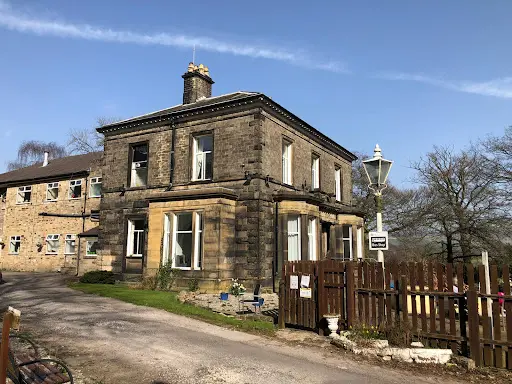
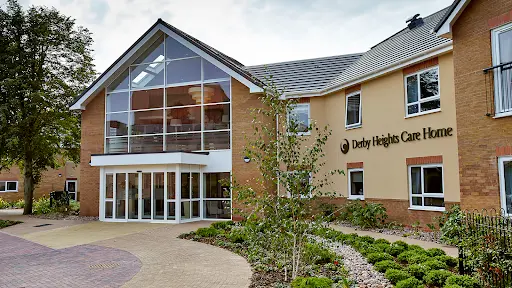
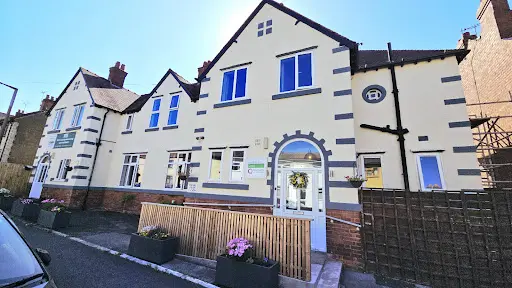
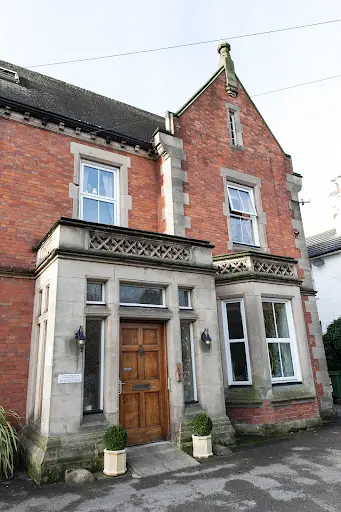
Amberley Nursing Home
At a Glance
The information you need to decide whether this home warrants a closer look.
Nursing homes
Staff warmth score
of reviewers answered yes
Good to know
- Registered beds12
- SpecialismsCaring for adults over 65 yrs, Caring for adults under 65 yrs, Dementia, Eating disorders, Learning disabilities, Mental health conditions, Physical disabilities, Sensory impairment
- Last inspected2018-10-31
Save Amberley Nursing Home to your shortlist
Keep a running list, add visit notes, and compare homes side-by-side. Free account — it takes a minute.
STAGE 4 — RESEARCHING CARE HOMES
Visit homes. Compare them side by side. Choose with confidence.
Most of us will view care homes the way we view houses, impression, atmosphere, the feeling in the corridor. We go home, try to remember what we saw, and make a permanent decision from a blurred memory.

The DCC shortlist gives every home you visit a structured record: the same twelve questions, answered the same way, every time. When you’re ready to choose, pull any two homes side by side and compare them directly. Same criteria, same evidence, your notes and your scores.
The Evidence
What the review data, the inspection reports, and the dementia-care evidence base tell us about this home.
What families say
The eight family priority themes
- Staff warmth62
- Compassion & dignity62
- Cleanliness62
- Activities & engagement58
- Food quality58
- Healthcare60
- Management & leadership60
- Resident happiness60
What inspectors found
Inspected 2018-10-31
Is this home safe?
Is the care effective?
The home was rated Good for Effectiveness at the October 2018 inspection. This domain covers whether staff have the right training and knowledge, whether care plans are personalised and regularly reviewed, whether healthcare needs are met through GP and specialist access, and whether nutrition and hydration are properly managed. No specific detail about dementia training content, care plan review cycles, or GP visiting frequency is available from the inspection data. Given the home's stated specialisms — dementia, learning disabilities, mental health, eating disorders — the depth and currency of staff training is a particularly important question.Is this home caring?
The Caring domain was rated Good at the October 2018 inspection. In this domain, inspectors assess whether staff treat people with kindness and respect, whether dignity and privacy are upheld, and whether residents' independence is supported rather than removed for convenience. No specific observations, resident quotes, or relative testimonies from the inspection are available to confirm what underpins this rating. For a home supporting dementia and mental health conditions, the quality of Caring is particularly significant — it is the domain that most directly reflects daily lived experience for your parent.Is the home responsive?
The home was rated Good for Responsiveness at the October 2018 inspection. This domain covers whether the home provides meaningful activities, responds to individual preferences and needs, handles complaints constructively, and plans appropriately for end-of-life care. No specific detail about the activities programme, one-to-one engagement, complaint records, or advance care planning is available from the inspection data. The home's breadth of specialisms — including dementia, learning disabilities, sensory impairment, and eating disorders — means that 'responsive' care requires genuine tailoring rather than a one-size programme.Is the home well-led?
The home received a Good rating for Well-Led at the October 2018 inspection. This domain assesses whether there is clear, stable leadership, whether staff feel supported and able to raise concerns, whether the home has effective governance systems, and whether it acts on feedback from residents and families. No specific evidence about the registered manager's tenure, staffing culture, or quality monitoring systems is available from the inspection text. Leadership stability is especially important to note here given the inspection is now over six years old — this is the domain most sensitive to change over time.
Source: CQC inspection report →
What the evidence base says
The team supports residents across many situations — younger adults with physical disabilities, people living with dementia, and those managing mental health conditions or learning disabilities. They also care for residents with sensory impairments and eating disorders. For residents with dementia, the nursing team provides specialist support. Staff work to help people feel settled and comfortable as their needs change. All areas worth probing directly during a visit.
The DCC Verdict
Our editorial view, built from the three lenses: what families tell us, what inspectors record, and how the home sits against good dementia-care practice.
DCC Family Score
Every domain was rated Good at the last inspection in October 2018, which is a positive baseline — but the full inspection text was not available, so no specific observations, quotes, or detailed evidence could be verified, keeping scores in the 'present but generic' range across all themes.
Homes in East Midlands typically score 68–82.Worth a visit
This small 12-bed nursing home in Chesterfield, Church Lane, S44 5AG, was rated Good across all five inspection domains — Safe, Effective, Caring, Responsive, and Well-Led — at its last official inspection in October 2018. The home supports a wide range of needs including dementia, learning disabilities, mental health conditions, and physical disabilities, which is a significant breadth for a home of this size. An all-Good rating is a meaningful baseline and suggests that at the time of inspection, the fundamentals of care, staffing, leadership, and responsiveness met the required standard. The most important caveat for you as a family is that this inspection took place in October 2018 — meaning the findings are now more than six years old. A great deal can change in a home over that period: managers move on, staffing levels shift, and care quality can rise or fall. No full inspection text was available, so no specific observations, resident quotes, or detailed evidence could be verified for any theme. On a visit, ask directly: who is the registered manager and how long have they been in post? How many permanent staff work on the dementia unit and how many agency shifts were used in the last month? Request to see the most recent care plan for a resident with similar needs to your parent, and check whether it feels like a real person rather than a template. The Good rating tells you the starting point — your visit will tell you whether it has been maintained.
The three questions to ask when you visitSave this home. Compare it against your shortlist.
Let our analysis show you how Amberley Nursing Home measures up against the other homes you’re considering. Free account.
In Their Own Words
How Amberley Nursing Home describes itself — collected from its own website. DCC has not edited or independently verified the content in this tab.
Welcoming care home with broad specialist support in Chesterfield
Nursing home in Chesterfield: True Peace of Mind
Families looking for specialist nursing care often find what they need at Amberley Nursing Home in Chesterfield. The home works with people facing various challenges, from physical disabilities to mental health conditions. Staff here understand that every resident has different needs.
Who they care for
The team supports residents across many situations — younger adults with physical disabilities, people living with dementia, and those managing mental health conditions or learning disabilities. They also care for residents with sensory impairments and eating disorders.
For residents with dementia, the nursing team provides specialist support. Staff work to help people feel settled and comfortable as their needs change.
“If you'd like to learn more about their approach to specialist care, the team welcomes conversations with families.”
DCC does not edit or curate content in this tab. For independently curated information, see The Evidence and DCC Verdict.
The DCC Verdict
Our editorial view, built from the three lenses: what families tell us, what inspectors record, and how the home sits against good dementia-care practice.
DCC Family Score
Every domain was rated Good at the last inspection in October 2018, which is a positive baseline — but the full inspection text was not available, so no specific observations, quotes, or detailed evidence could be verified, keeping scores in the 'present but generic' range across all themes.
Homes in East Midlands typically score 68–82.Worth a visit
This small 12-bed nursing home in Chesterfield, Church Lane, S44 5AG, was rated Good across all five inspection domains — Safe, Effective, Caring, Responsive, and Well-Led — at its last official inspection in October 2018. The home supports a wide range of needs including dementia, learning disabilities, mental health conditions, and physical disabilities, which is a significant breadth for a home of this size. An all-Good rating is a meaningful baseline and suggests that at the time of inspection, the fundamentals of care, staffing, leadership, and responsiveness met the required standard. The most important caveat for you as a family is that this inspection took place in October 2018 — meaning the findings are now more than six years old. A great deal can change in a home over that period: managers move on, staffing levels shift, and care quality can rise or fall. No full inspection text was available, so no specific observations, resident quotes, or detailed evidence could be verified for any theme. On a visit, ask directly: who is the registered manager and how long have they been in post? How many permanent staff work on the dementia unit and how many agency shifts were used in the last month? Request to see the most recent care plan for a resident with similar needs to your parent, and check whether it feels like a real person rather than a template. The Good rating tells you the starting point — your visit will tell you whether it has been maintained.
The three questions to ask when you visitSave this home. Compare it against your shortlist.
Let our analysis show you how Amberley Nursing Home measures up against the other homes you’re considering. Free account.
In Their Own Words
How Amberley Nursing Home describes itself — collected from its own website. DCC has not edited or independently verified the content in this tab.
Welcoming care home with broad specialist support in Chesterfield
Nursing home in Chesterfield: True Peace of Mind
Families looking for specialist nursing care often find what they need at Amberley Nursing Home in Chesterfield. The home works with people facing various challenges, from physical disabilities to mental health conditions. Staff here understand that every resident has different needs.
Who they care for
The team supports residents across many situations — younger adults with physical disabilities, people living with dementia, and those managing mental health conditions or learning disabilities. They also care for residents with sensory impairments and eating disorders.
For residents with dementia, the nursing team provides specialist support. Staff work to help people feel settled and comfortable as their needs change.
“If you'd like to learn more about their approach to specialist care, the team welcomes conversations with families.”
DCC does not edit or curate content in this tab. For independently curated information, see The Evidence and DCC Verdict.