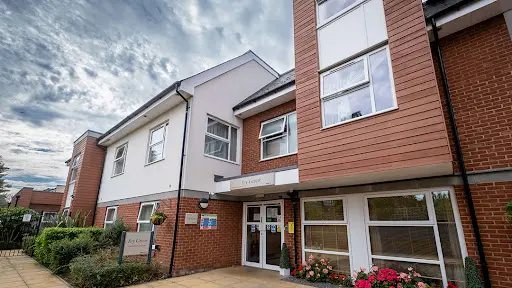
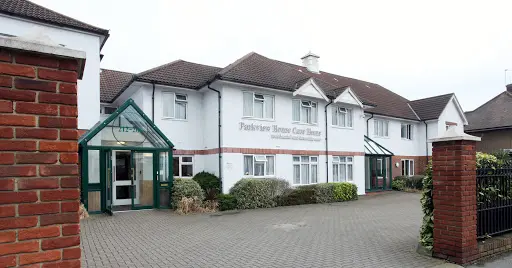
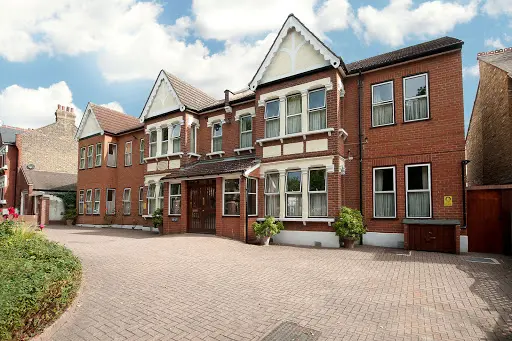
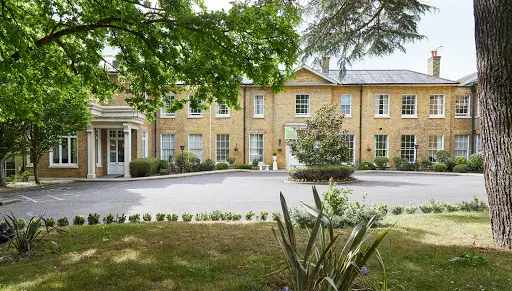
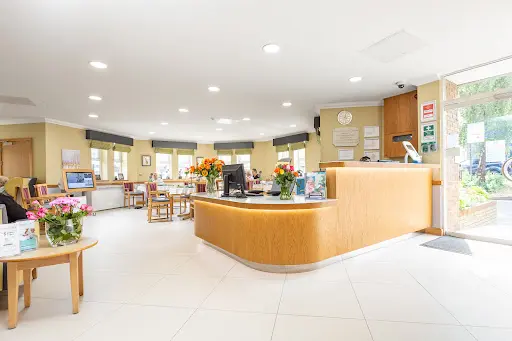
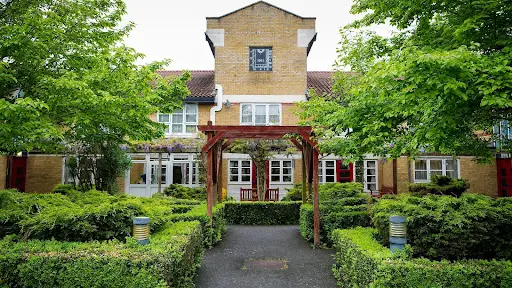
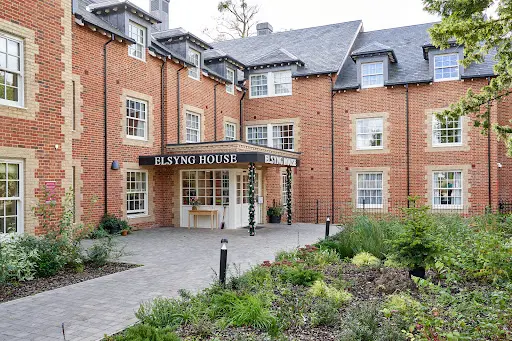
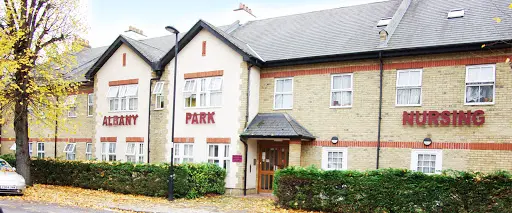
Albany Nursing Home
At a Glance
The information you need to decide whether this home warrants a closer look.
Nursing homes
Staff warmth score
of reviewers answered yes
Good to know
- Registered beds61
- SpecialismsDementia, Mental health conditions, Physical disabilities
- Last inspected2020-04-17
Save Albany Nursing Home to your shortlist
Keep a running list, add visit notes, and compare homes side-by-side. Free account — it takes a minute.
STAGE 4 — RESEARCHING CARE HOMES
Visit homes. Compare them side by side. Choose with confidence.
Most of us will view care homes the way we view houses, impression, atmosphere, the feeling in the corridor. We go home, try to remember what we saw, and make a permanent decision from a blurred memory.

The DCC shortlist gives every home you visit a structured record: the same twelve questions, answered the same way, every time. When you’re ready to choose, pull any two homes side by side and compare them directly. Same criteria, same evidence, your notes and your scores.
The Evidence
What the review data, the inspection reports, and the dementia-care evidence base tell us about this home.
What families say
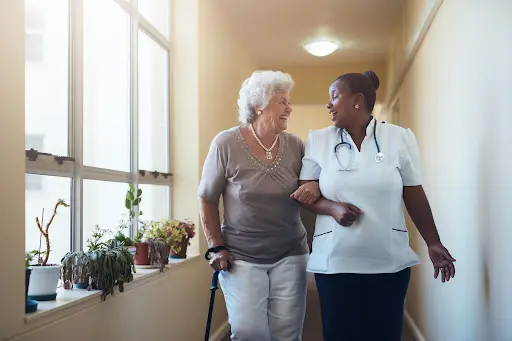
Families describe the warmth of staff when residents first arrive, particularly when someone's coming from hospital or facing a challenging time. People talk about staff who take time to communicate and show genuine friendliness during visits.
The eight family priority themes
- Staff warmth55
- Compassion & dignity55
- Cleanliness55
- Activities & engagement50
- Food quality50
- Healthcare55
- Management & leadership60
- Resident happiness55
What inspectors found
Inspected 2020-04-17
Is this home safe?
Is the care effective?
The effective domain was rated Good. The published inspection text provides no specific information about training content, care plan quality, GP access arrangements, medication management, or food and nutritional support. The home holds registrations covering dementia, mental health, and physical disability, which implies a requirement for staff with a range of clinical and specialist skills. No detail about dementia-specific training programmes or care plan review frequency is recorded.Is this home caring?
The caring domain was rated Good. The published text contains no inspector observations of staff interactions, no resident or relative testimony about kindness or dignity, and no specific examples of how staff treat the people who live here. This is the domain most valued by families in our review data, and the absence of recorded detail makes it impossible to verify what warmth and compassion look like in practice at this home.Is the home responsive?
The responsive domain was rated Good. No detail is published about the activities programme, individual engagement for people who cannot join group activities, how the home responds to complaints, or how care is tailored to individual preferences. The home's dementia and mental health specialism makes individual, meaningful activity provision particularly important, and the absence of any recorded detail here is a gap worth exploring directly.Is the home well-led?
The well-led domain was rated Good. The inspection confirms that a registered manager, Mrs Gurjeet Singh, is in post, and that Mr Birju Nilesh Lukka is the nominated individual holding organisational accountability. Beyond these registration details, the published text provides no information about management visibility, staff culture, how the home handles complaints, or whether staff feel able to speak up. The operator is listed as Topcare Limited.
Source: CQC inspection report →
What the evidence base says
The home provides nursing care for people living with dementia, mental health conditions and physical disabilities. Staff have experience supporting residents who've recently left hospital with complex medical needs. The nursing team supports residents at different stages of dementia, from those newly diagnosed to people needing full nursing care. Staff work to maintain communication with families throughout the dementia journey. All areas worth probing directly during a visit.
The DCC Verdict
Our editorial view, built from the three lenses: what families tell us, what inspectors record, and how the home sits against good dementia-care practice.
DCC Family Score
Albany Nursing Home holds a Good rating across all five inspection domains, but the published inspection text contains very little specific detail, observations, or direct testimony. The score reflects a genuine Good rating with significant uncertainty about what daily life here actually looks like.
Homes in London typically score 68–82.The three-lens summary
What families tell us
Families describe the warmth of staff when residents first arrive, particularly when someone's coming from hospital or facing a challenging time. People talk about staff who take time to communicate and show genuine friendliness during visits.
What inspectors have recorded
Staff show particular attentiveness during end-of-life care, with families noting the emotional support provided during these sensitive times. The nursing team includes staff experienced in supporting people transitioning from hospital care.
How it sits against good practice
If you're considering Albany for someone with complex nursing needs, visiting will help you understand whether it's the right fit for your family.
Worth a visit
Albany Nursing Home, at 11-12 Albany Road in Leyton, east London, holds a Good rating across all five inspection domains following an inspection on 5 February 2021. A monitoring review in July 2023 found no reason to change that rating. The home is registered for 61 beds and specialises in care for people living with dementia, mental health conditions, and physical disabilities, with a named registered manager in post. The significant limitation of this report is that the published inspection text is extremely brief and contains almost no specific observations, resident or relative testimony, or detail about day-to-day life. A Good rating is meaningful, but without knowing what inspectors actually saw and heard, it is difficult to translate that rating into confidence for your parent. Before visiting, prepare a list of questions covering night staffing ratios, dementia training for staff, how care plans are written and reviewed, activity provision for people who cannot join groups, and agency staff usage. Observe unhurried interactions and whether staff use your parent's preferred name when you visit.
The three questions to ask when you visitSave this home. Compare it against your shortlist.
Let our analysis show you how Albany Nursing Home measures up against the other homes you’re considering. Free account.
In Their Own Words
How Albany Nursing Home describes itself — collected from its own website. DCC has not edited or independently verified the content in this tab.
Specialised support for complex needs in North London
Compassionate Care in London at Albany Nursing Home
When someone you love needs nursing care for dementia, mental health conditions or physical disabilities, finding the right environment matters deeply. Albany Nursing Home in London provides specialised nursing support for residents with complex care needs. The home welcomes people who need skilled nursing alongside emotional support during difficult transitions.
Who they care for
The home provides nursing care for people living with dementia, mental health conditions and physical disabilities. Staff have experience supporting residents who've recently left hospital with complex medical needs.
The nursing team supports residents at different stages of dementia, from those newly diagnosed to people needing full nursing care. Staff work to maintain communication with families throughout the dementia journey.
“If you're considering Albany for someone with complex nursing needs, visiting will help you understand whether it's the right fit for your family.”
DCC does not edit or curate content in this tab. For independently curated information, see The Evidence and DCC Verdict.
The DCC Verdict
Our editorial view, built from the three lenses: what families tell us, what inspectors record, and how the home sits against good dementia-care practice.
DCC Family Score
Albany Nursing Home holds a Good rating across all five inspection domains, but the published inspection text contains very little specific detail, observations, or direct testimony. The score reflects a genuine Good rating with significant uncertainty about what daily life here actually looks like.
Homes in London typically score 68–82.The three-lens summary
What families tell us
Families describe the warmth of staff when residents first arrive, particularly when someone's coming from hospital or facing a challenging time. People talk about staff who take time to communicate and show genuine friendliness during visits.
What inspectors have recorded
Staff show particular attentiveness during end-of-life care, with families noting the emotional support provided during these sensitive times. The nursing team includes staff experienced in supporting people transitioning from hospital care.
How it sits against good practice
If you're considering Albany for someone with complex nursing needs, visiting will help you understand whether it's the right fit for your family.
Worth a visit
Albany Nursing Home, at 11-12 Albany Road in Leyton, east London, holds a Good rating across all five inspection domains following an inspection on 5 February 2021. A monitoring review in July 2023 found no reason to change that rating. The home is registered for 61 beds and specialises in care for people living with dementia, mental health conditions, and physical disabilities, with a named registered manager in post. The significant limitation of this report is that the published inspection text is extremely brief and contains almost no specific observations, resident or relative testimony, or detail about day-to-day life. A Good rating is meaningful, but without knowing what inspectors actually saw and heard, it is difficult to translate that rating into confidence for your parent. Before visiting, prepare a list of questions covering night staffing ratios, dementia training for staff, how care plans are written and reviewed, activity provision for people who cannot join groups, and agency staff usage. Observe unhurried interactions and whether staff use your parent's preferred name when you visit.
The three questions to ask when you visitSave this home. Compare it against your shortlist.
Let our analysis show you how Albany Nursing Home measures up against the other homes you’re considering. Free account.
In Their Own Words
How Albany Nursing Home describes itself — collected from its own website. DCC has not edited or independently verified the content in this tab.
Specialised support for complex needs in North London
Compassionate Care in London at Albany Nursing Home
When someone you love needs nursing care for dementia, mental health conditions or physical disabilities, finding the right environment matters deeply. Albany Nursing Home in London provides specialised nursing support for residents with complex care needs. The home welcomes people who need skilled nursing alongside emotional support during difficult transitions.
Who they care for
The home provides nursing care for people living with dementia, mental health conditions and physical disabilities. Staff have experience supporting residents who've recently left hospital with complex medical needs.
The nursing team supports residents at different stages of dementia, from those newly diagnosed to people needing full nursing care. Staff work to maintain communication with families throughout the dementia journey.
Management & ethos
Staff show particular attentiveness during end-of-life care, with families noting the emotional support provided during these sensitive times. The nursing team includes staff experienced in supporting people transitioning from hospital care.
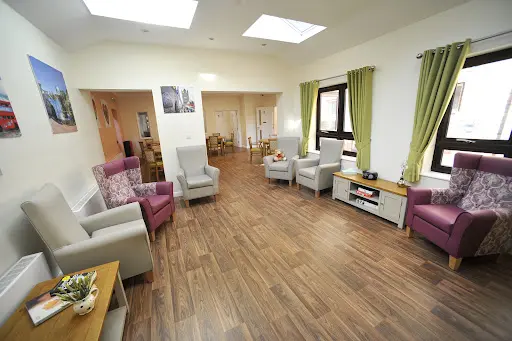
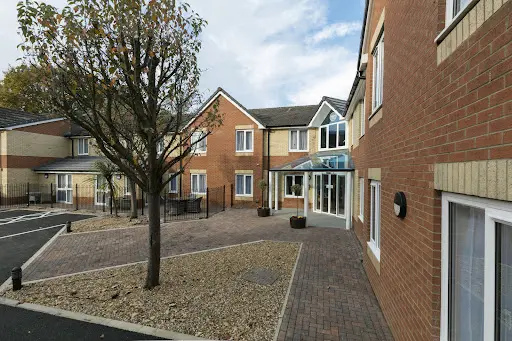
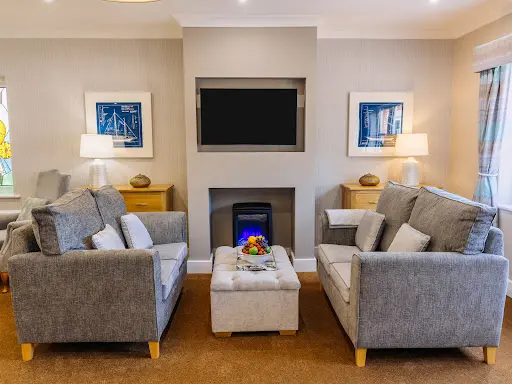
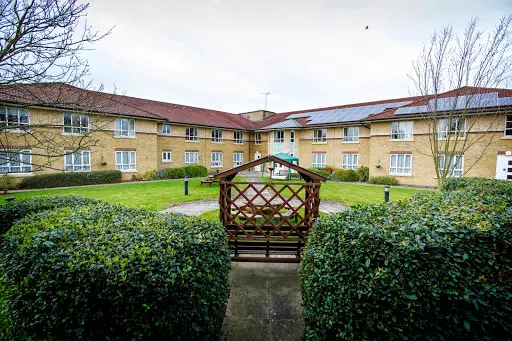
The home & environment
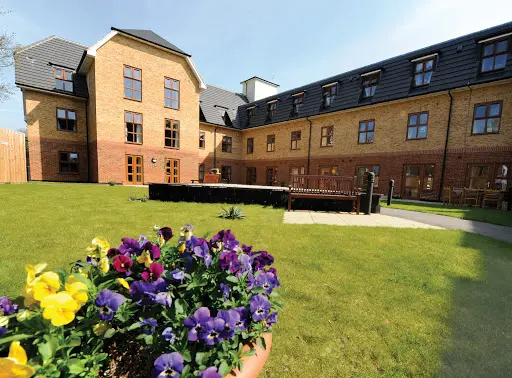
The kitchen serves varied meals that families say taste good and offer proper nutrition. Residents enjoy occasional social events like summer barbecues in the garden.
“If you're considering Albany for someone with complex nursing needs, visiting will help you understand whether it's the right fit for your family.”
DCC does not edit or curate content in this tab. For independently curated information, see The Evidence and DCC Verdict.