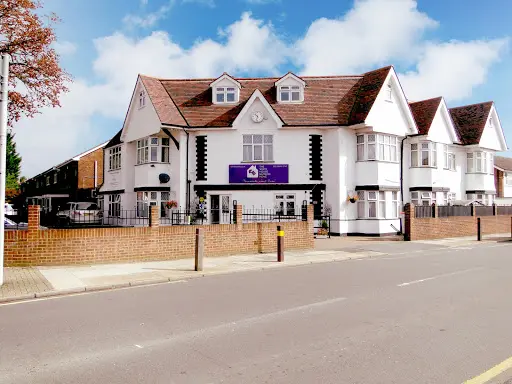
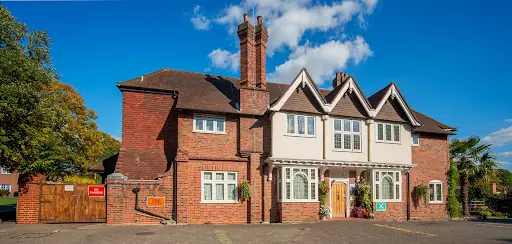
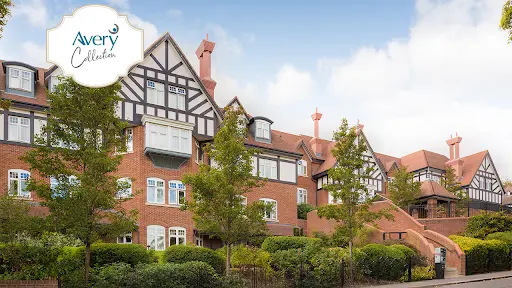
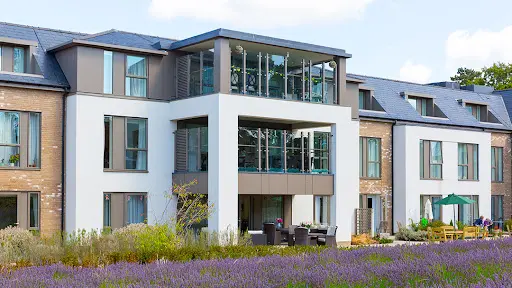
Devonshire Dementia Care Home and Day Centre
At a Glance
The information you need to decide whether this home warrants a closer look.
Residential homes
Staff warmth score
of reviewers answered yes
Good to know
- Registered beds34
- SpecialismsCaring for adults over 65 yrs, Dementia
- Last inspected2020-02-11
Save Devonshire Dementia Care Home and Day Centre to your shortlist
Keep a running list, add visit notes, and compare homes side-by-side. Free account — it takes a minute.
STAGE 4 — RESEARCHING CARE HOMES
Visit homes. Compare them side by side. Choose with confidence.
Most of us will view care homes the way we view houses, impression, atmosphere, the feeling in the corridor. We go home, try to remember what we saw, and make a permanent decision from a blurred memory.

The DCC shortlist gives every home you visit a structured record: the same twelve questions, answered the same way, every time. When you’re ready to choose, pull any two homes side by side and compare them directly. Same criteria, same evidence, your notes and your scores.
The Evidence
What the review data, the inspection reports, and the dementia-care evidence base tell us about this home.
What families say
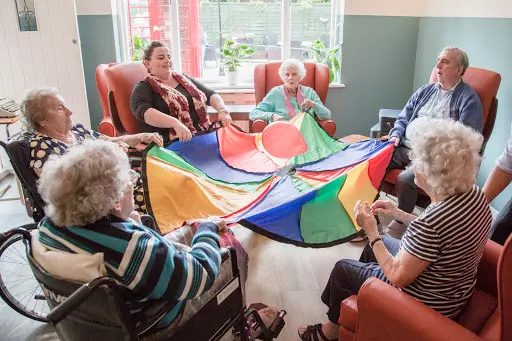
The atmosphere here strikes people as calm and purposeful. Residents settle into routines that respect their dignity, with carers who know when to step in and when to encourage independence. Families mention feeling part of daily life through regular coffee mornings and singing sessions that bring everyone together.
The eight family priority themes
- Staff warmth72
- Compassion & dignity72
- Cleanliness70
- Activities & engagement60
- Food quality60
- Healthcare65
- Management & leadership70
- Resident happiness68
What inspectors found
Inspected 2020-02-11
Is this home safe?
Is the care effective?
The home was rated Good for effectiveness at its January 2020 inspection. The monitoring review in July 2023 found no reason to revise this. The home holds a dementia specialism registration, which means it is formally set up to provide dementia-specific care. The published report does not include specific detail about care plan content, how often plans are reviewed, dementia training records, GP access arrangements, or how the home manages nutrition and hydration.Is this home caring?
The home was rated Good for caring at its January 2020 inspection. This rating has remained stable. The published report does not include inspector observations about staff interactions, use of preferred names, responses to distress, or any resident or family quotes about how staff made them feel. The caring rating is therefore confirmed at a headline level but cannot be verified in specific, observable detail from the published findings.Is the home responsive?
The home was rated Good for responsiveness at its January 2020 inspection, with no change identified at the July 2023 review. The published report does not contain any detail about the activities programme, how activities are tailored to individuals, whether one-to-one engagement is available for people who cannot join groups, or how the home responds to complaints and individual requests. The responsive rating is confirmed but not supported by specific published evidence.Is the home well-led?
The home was rated Good for leadership at its January 2020 inspection. A registered manager, Mr Smithmon Sasi, is named in the registration record, confirming legal accountability is in place. The home is run by Mr and Mrs A Mangalji as owners. The published report does not include observations about the manager's visibility, how staff are supported, whether there are governance processes in place, or how the home responds to feedback and incidents. The well-led rating is confirmed but not detailed.
Source: CQC inspection report →
What the evidence base says
The home specialises in dementia care for adults over 65, with particular strength in supporting residents through different stages of the condition. Staff here understand the patience and flexibility dementia care requires. They've created an environment where therapeutic design supports daily life, from the layout of communal spaces to the sensory gardens that offer moments of calm. All areas worth probing directly during a visit.
The DCC Verdict
Our editorial view, built from the three lenses: what families tell us, what inspectors record, and how the home sits against good dementia-care practice.
DCC Family Score
The home received a Good rating across all five domains at its January 2020 inspection, which is a solid foundation, but the published report contains very little specific detail or direct observation to support higher scores in any individual theme.
Homes in London typically score 68–82.The three-lens summary
What families tell us
The atmosphere here strikes people as calm and purposeful. Residents settle into routines that respect their dignity, with carers who know when to step in and when to encourage independence. Families mention feeling part of daily life through regular coffee mornings and singing sessions that bring everyone together.
What inspectors have recorded
Communication stands out here — families receive detailed weekly reports about their loved ones, and staff respond quickly to questions or concerns. The team demonstrates real dementia expertise, managing transitions smoothly and showing genuine engagement with each resident's needs.
How it sits against good practice
Some safeguarding concerns have been raised that warrant careful consideration before making any decisions.
Worth a visit
Devonshire Dementia Care Home in New Malden was rated Good across all five inspection domains at its last full inspection in January 2020. A monitoring review carried out in July 2023 found no evidence that the rating needed to be reconsidered, which means the home has maintained a consistent picture over several years. The home specialises in dementia care for adults over 65, has 34 beds, and is run by a named registered manager. The main limitation of this report is that the published inspection text is very brief and contains almost no specific observations, quotes from residents or families, or concrete detail about day-to-day life. A Good rating is reassuring, but it tells you relatively little on its own. Before you decide, visit the home at a quiet time (mid-morning on a weekday works well), ask to see last week's actual staffing rota including night shifts, ask how many permanent staff work on the dementia unit regularly, and observe whether staff make eye contact and use your parent's preferred name without being prompted.
The three questions to ask when you visitSave this home. Compare it against your shortlist.
Let our analysis show you how Devonshire Dementia Care Home and Day Centre measures up against the other homes you’re considering. Free account.
In Their Own Words
How Devonshire Dementia Care Home and Day Centre describes itself — collected from its own website. DCC has not edited or independently verified the content in this tab.
Where dementia care meets genuine understanding and respect
Devonshire Dementia Care Home – Expert Care in New Malden
When families describe feeling genuinely welcomed and informed, you know something special is happening. Devonshire Dementia Care Home in New Malden has built its reputation on transparency and skilled dementia care. Families talk about weekly updates that keep them connected, and staff who truly understand the complexities of dementia.
Who they care for
The home specialises in dementia care for adults over 65, with particular strength in supporting residents through different stages of the condition.
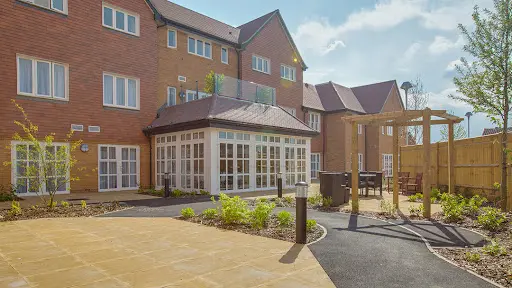
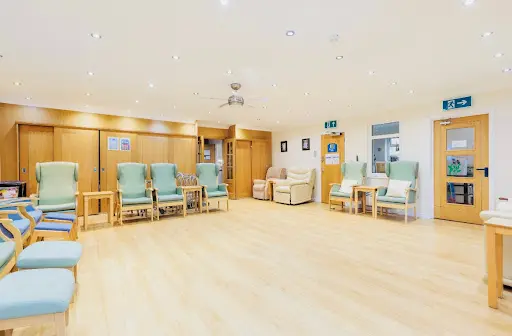
Staff here understand the patience and flexibility dementia care requires. They've created an environment where therapeutic design supports daily life, from the layout of communal spaces to the sensory gardens that offer moments of calm.
“Some safeguarding concerns have been raised that warrant careful consideration before making any decisions.”
DCC does not edit or curate content in this tab. For independently curated information, see The Evidence and DCC Verdict.
The DCC Verdict
Our editorial view, built from the three lenses: what families tell us, what inspectors record, and how the home sits against good dementia-care practice.
DCC Family Score
The home received a Good rating across all five domains at its January 2020 inspection, which is a solid foundation, but the published report contains very little specific detail or direct observation to support higher scores in any individual theme.
Homes in London typically score 68–82.The three-lens summary
What families tell us
The atmosphere here strikes people as calm and purposeful. Residents settle into routines that respect their dignity, with carers who know when to step in and when to encourage independence. Families mention feeling part of daily life through regular coffee mornings and singing sessions that bring everyone together.
What inspectors have recorded
Communication stands out here — families receive detailed weekly reports about their loved ones, and staff respond quickly to questions or concerns. The team demonstrates real dementia expertise, managing transitions smoothly and showing genuine engagement with each resident's needs.
How it sits against good practice
Some safeguarding concerns have been raised that warrant careful consideration before making any decisions.
Worth a visit
Devonshire Dementia Care Home in New Malden was rated Good across all five inspection domains at its last full inspection in January 2020. A monitoring review carried out in July 2023 found no evidence that the rating needed to be reconsidered, which means the home has maintained a consistent picture over several years. The home specialises in dementia care for adults over 65, has 34 beds, and is run by a named registered manager. The main limitation of this report is that the published inspection text is very brief and contains almost no specific observations, quotes from residents or families, or concrete detail about day-to-day life. A Good rating is reassuring, but it tells you relatively little on its own. Before you decide, visit the home at a quiet time (mid-morning on a weekday works well), ask to see last week's actual staffing rota including night shifts, ask how many permanent staff work on the dementia unit regularly, and observe whether staff make eye contact and use your parent's preferred name without being prompted.
The three questions to ask when you visitSave this home. Compare it against your shortlist.
Let our analysis show you how Devonshire Dementia Care Home and Day Centre measures up against the other homes you’re considering. Free account.
In Their Own Words
How Devonshire Dementia Care Home and Day Centre describes itself — collected from its own website. DCC has not edited or independently verified the content in this tab.
Where dementia care meets genuine understanding and respect
Devonshire Dementia Care Home – Expert Care in New Malden
When families describe feeling genuinely welcomed and informed, you know something special is happening. Devonshire Dementia Care Home in New Malden has built its reputation on transparency and skilled dementia care. Families talk about weekly updates that keep them connected, and staff who truly understand the complexities of dementia.
Who they care for
The home specialises in dementia care for adults over 65, with particular strength in supporting residents through different stages of the condition.
Staff here understand the patience and flexibility dementia care requires. They've created an environment where therapeutic design supports daily life, from the layout of communal spaces to the sensory gardens that offer moments of calm.
Management & ethos
Communication stands out here — families receive detailed weekly reports about their loved ones, and staff respond quickly to questions or concerns. The team demonstrates real dementia expertise, managing transitions smoothly and showing genuine engagement with each resident's needs.
The home & environment
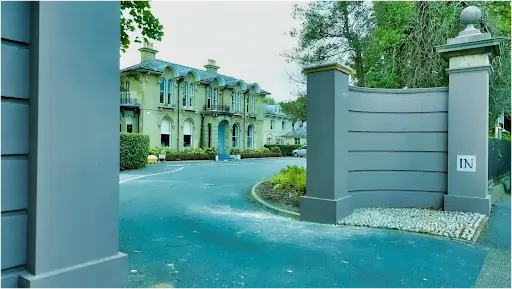
The home maintains high standards of cleanliness that families notice immediately. Sensory gardens provide peaceful spaces for residents to enjoy, while the dementia-friendly layout helps people navigate confidently. The structured activity programme includes reminiscence sessions that families find thoughtfully planned.
“Some safeguarding concerns have been raised that warrant careful consideration before making any decisions.”
DCC does not edit or curate content in this tab. For independently curated information, see The Evidence and DCC Verdict.