Windle Court Care Home – South Woodham Ferrers
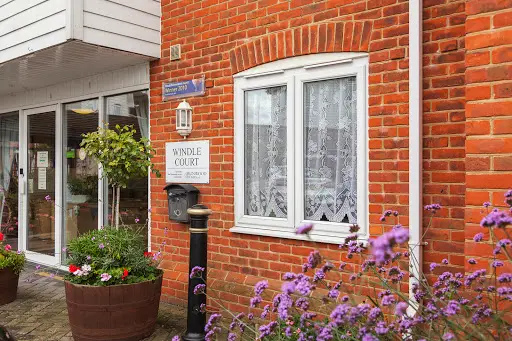
At a Glance
The information you need to decide whether this home warrants a closer look.
Residential homes
Staff warmth score
of reviewers answered yes
Good to know
- Registered beds76
- SpecialismsCaring for adults over 65 yrs, Caring for adults under 65 yrs, Dementia, Physical disabilities, Sensory impairment
- Last inspected2019-09-05
Save Windle Court Care Home – South Woodham Ferrers to your shortlist
Keep a running list, add visit notes, and compare homes side-by-side. Free account — it takes a minute.
STAGE 4 — RESEARCHING CARE HOMES
Visit homes. Compare them side by side. Choose with confidence.
Most of us will view care homes the way we view houses, impression, atmosphere, the feeling in the corridor. We go home, try to remember what we saw, and make a permanent decision from a blurred memory.

The DCC shortlist gives every home you visit a structured record: the same twelve questions, answered the same way, every time. When you’re ready to choose, pull any two homes side by side and compare them directly. Same criteria, same evidence, your notes and your scores.
The Evidence
What the review data, the inspection reports, and the dementia-care evidence base tell us about this home.
What families say
Visitors frequently mention how content their relatives seem, with many noticing increased confidence and social engagement over time. The carers get particular praise for their compassionate approach and the way they interact warmly with residents throughout the day. There's a real effort to include everyone in activities, from structured events to spontaneous singalongs.
The eight family priority themes
- Staff warmth72
- Compassion & dignity72
- Cleanliness70
- Activities & engagement65
- Food quality63
- Healthcare68
- Management & leadership74
- Resident happiness68
What inspectors found
Inspected 2019-09-05
Is this home safe?
Is the care effective?
The Effective domain was rated Good in December 2025. This domain covers staff training, care planning, access to healthcare professionals, nutritional support, and how well the home meets the assessed needs of each person. The home lists dementia as a specialism, which implies that staff are expected to have relevant training, but the published summary does not describe training content, completion rates, or how care plans are written and reviewed. No information about GP access, dietitian involvement, or food quality is included in the published text.Is this home caring?
The Caring domain was rated Good in December 2025. This domain covers how staff treat people, whether dignity and privacy are respected, whether people are supported to be as independent as possible, and whether families are included in care decisions. The published summary does not include any direct inspector observations about staff interactions, nor any quotes from residents or relatives about how care felt in practice. The rating alone tells us that inspectors judged standards to be acceptable, but it does not describe what they saw.Is the home responsive?
The Responsive domain was rated Good in December 2025. This domain covers whether the home provides activities and engagement that reflect each person's interests and abilities, whether individual needs are met flexibly, whether complaints are handled well, and whether end-of-life care is planned thoughtfully. The published summary does not describe specific activities, individual engagement for people who cannot join groups, or any detail about how the home approaches end-of-life planning. For a home supporting people with dementia and sensory impairments, the absence of specific detail about tailored engagement is a gap worth exploring.Is the home well-led?
The Well-led domain was rated Good in December 2025. A named registered manager, Miss Lorraine Taylor, is in post, and a nominated individual, Dr Gavin O'Hare-Connolly, is identified at organisational level. The home is operated by Runwood Homes Limited. The improvement from Requires Improvement to Good across all domains suggests that leadership has been effective in identifying and addressing previous concerns. The published summary does not describe management culture, staff satisfaction, how the manager is visible to residents and families, or how the home uses feedback to improve.
Source: CQC inspection report →
What the evidence base says
Windle Court supports residents with various needs including physical disabilities, sensory impairments and dementia. They welcome both younger adults under 65 and older residents, adapting their approach to suit different abilities and preferences. For residents living with dementia, the team aims to maintain routines that feel familiar and comforting. Carers work to engage residents at their own pace, using activities and interactions that help people feel connected and valued. All areas worth probing directly during a visit.
The DCC Verdict
Our editorial view, built from the three lenses: what families tell us, what inspectors record, and how the home sits against good dementia-care practice.
DCC Family Score
The home has improved from Requires Improvement to Good across all five domains, which is a meaningful step forward. However, the published inspection report contains very limited specific detail, so scores reflect the confirmed rating rather than rich observed evidence.
Homes in East typically score 68–82.The three-lens summary
What families tell us
Visitors frequently mention how content their relatives seem, with many noticing increased confidence and social engagement over time. The carers get particular praise for their compassionate approach and the way they interact warmly with residents throughout the day. There's a real effort to include everyone in activities, from structured events to spontaneous singalongs.
What inspectors have recorded
The management team generally responds quickly when families have questions or concerns, keeping relatives informed about any health changes or incidents. While communication is typically prompt and accessible, some families have raised serious concerns about monitoring and care standards that resulted in hospital admissions. The home works to maintain open dialogue with families, though experiences have varied.
How it sits against good practice
If you're considering Windle Court for someone you care about, visiting at different times of day can help you get a fuller picture of life here.
Worth a visit
Windle Court in South Woodham Ferrers was assessed in December 2025 and rated Good across all five inspection domains, a meaningful improvement on its previous rating of Requires Improvement. The home supports up to 76 people, including those living with dementia, physical disabilities, and sensory impairments, and is run by Runwood Homes Limited with a named registered manager in post. The main limitation for families is that the published report is a summary only, with very little specific detail about what inspectors actually saw, heard, or read during their visit. There are no direct observations about staff interactions, no resident or relative quotes, and no figures for staffing ratios or night cover. Before visiting, prepare specific questions: ask how many permanent staff are on the dementia unit after 8pm, request to see the activity schedule for last week (not the template), and ask how the home has changed since its previous Requires Improvement rating. The improvement in rating is encouraging, but visiting and asking these questions directly is the only way to know whether the progress is visible in daily life for your parent.
The three questions to ask when you visitSave this home. Compare it against your shortlist.
Let our analysis show you how Windle Court Care Home – South Woodham Ferrers measures up against the other homes you’re considering. Free account.
In Their Own Words
How Windle Court Care Home – South Woodham Ferrers describes itself — collected from its own website. DCC has not edited or independently verified the content in this tab.
Where compassionate carers bring warmth to daily life in South Woodham Ferrers
Dedicated residential home Support in South Woodham Ferrers
Families visiting Windle Court in South Woodham Ferrers often comment on the genuine kindness they witness between carers and residents. This established care home provides support for people with physical disabilities, sensory impairments and dementia, welcoming both younger adults and those over 65. The team here clearly works hard to create an environment where residents feel settled and families feel heard.
Who they care for
Windle Court supports residents with various needs including physical disabilities, sensory impairments and dementia. They welcome both younger adults under 65 and older residents, adapting their approach to suit different abilities and preferences.
For residents living with dementia, the team aims to maintain routines that feel familiar and comforting. Carers work to engage residents at their own pace, using activities and interactions that help people feel connected and valued.
“If you're considering Windle Court for someone you care about, visiting at different times of day can help you get a fuller picture of life here.”
DCC does not edit or curate content in this tab. For independently curated information, see The Evidence and DCC Verdict.
The DCC Verdict
Our editorial view, built from the three lenses: what families tell us, what inspectors record, and how the home sits against good dementia-care practice.
DCC Family Score
The home has improved from Requires Improvement to Good across all five domains, which is a meaningful step forward. However, the published inspection report contains very limited specific detail, so scores reflect the confirmed rating rather than rich observed evidence.
Homes in East typically score 68–82.The three-lens summary
What families tell us
Visitors frequently mention how content their relatives seem, with many noticing increased confidence and social engagement over time. The carers get particular praise for their compassionate approach and the way they interact warmly with residents throughout the day. There's a real effort to include everyone in activities, from structured events to spontaneous singalongs.
What inspectors have recorded
The management team generally responds quickly when families have questions or concerns, keeping relatives informed about any health changes or incidents. While communication is typically prompt and accessible, some families have raised serious concerns about monitoring and care standards that resulted in hospital admissions. The home works to maintain open dialogue with families, though experiences have varied.
How it sits against good practice
If you're considering Windle Court for someone you care about, visiting at different times of day can help you get a fuller picture of life here.
Worth a visit
Windle Court in South Woodham Ferrers was assessed in December 2025 and rated Good across all five inspection domains, a meaningful improvement on its previous rating of Requires Improvement. The home supports up to 76 people, including those living with dementia, physical disabilities, and sensory impairments, and is run by Runwood Homes Limited with a named registered manager in post. The main limitation for families is that the published report is a summary only, with very little specific detail about what inspectors actually saw, heard, or read during their visit. There are no direct observations about staff interactions, no resident or relative quotes, and no figures for staffing ratios or night cover. Before visiting, prepare specific questions: ask how many permanent staff are on the dementia unit after 8pm, request to see the activity schedule for last week (not the template), and ask how the home has changed since its previous Requires Improvement rating. The improvement in rating is encouraging, but visiting and asking these questions directly is the only way to know whether the progress is visible in daily life for your parent.
The three questions to ask when you visitSave this home. Compare it against your shortlist.
Let our analysis show you how Windle Court Care Home – South Woodham Ferrers measures up against the other homes you’re considering. Free account.
In Their Own Words
How Windle Court Care Home – South Woodham Ferrers describes itself — collected from its own website. DCC has not edited or independently verified the content in this tab.
Where compassionate carers bring warmth to daily life in South Woodham Ferrers
Dedicated residential home Support in South Woodham Ferrers
Families visiting Windle Court in South Woodham Ferrers often comment on the genuine kindness they witness between carers and residents. This established care home provides support for people with physical disabilities, sensory impairments and dementia, welcoming both younger adults and those over 65. The team here clearly works hard to create an environment where residents feel settled and families feel heard.
Who they care for
Windle Court supports residents with various needs including physical disabilities, sensory impairments and dementia. They welcome both younger adults under 65 and older residents, adapting their approach to suit different abilities and preferences.
For residents living with dementia, the team aims to maintain routines that feel familiar and comforting. Carers work to engage residents at their own pace, using activities and interactions that help people feel connected and valued.
Management & ethos
The management team generally responds quickly when families have questions or concerns, keeping relatives informed about any health changes or incidents. While communication is typically prompt and accessible, some families have raised serious concerns about monitoring and care standards that resulted in hospital admissions. The home works to maintain open dialogue with families, though experiences have varied.
The home & environment
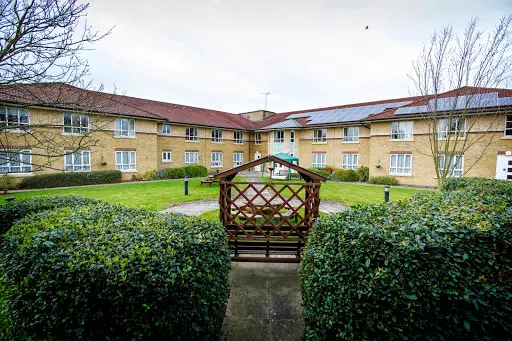
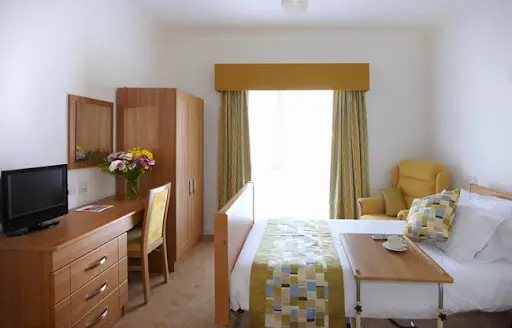
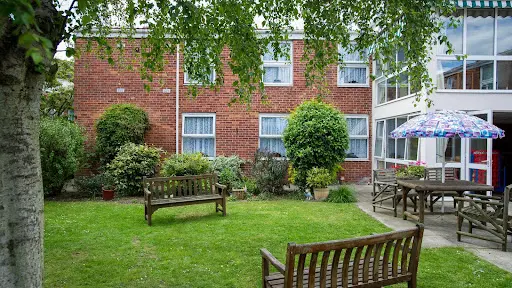
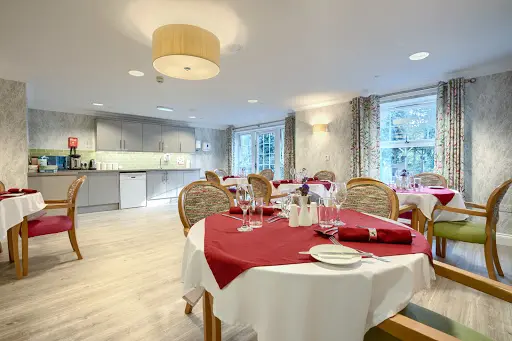
The home maintains impressively clean conditions throughout, with families consistently noting the absence of any unpleasant odours and the generally tidy appearance. The food gets regular compliments for being both appetising and well-prepared. There's space for residents to enjoy time outdoors when weather permits, and various areas for different activities and quiet moments.
“If you're considering Windle Court for someone you care about, visiting at different times of day can help you get a fuller picture of life here.”
DCC does not edit or curate content in this tab. For independently curated information, see The Evidence and DCC Verdict.