Loganberry Lodge Care Home
At a Glance
The information you need to decide whether this home warrants a closer look.
Residential homes
Staff warmth score
of reviewers answered yes
Good to know
- Registered beds143
- SpecialismsCaring for adults over 65 yrs, Caring for adults under 65 yrs, Dementia, Physical disabilities, Sensory impairment
- Last inspected2022-09-21
Save Loganberry Lodge Care Home to your shortlist
Keep a running list, add visit notes, and compare homes side-by-side. Free account — it takes a minute.
STAGE 4 — RESEARCHING CARE HOMES
Visit homes. Compare them side by side. Choose with confidence.
Most of us will view care homes the way we view houses, impression, atmosphere, the feeling in the corridor. We go home, try to remember what we saw, and make a permanent decision from a blurred memory.

The DCC shortlist gives every home you visit a structured record: the same twelve questions, answered the same way, every time. When you’re ready to choose, pull any two homes side by side and compare them directly. Same criteria, same evidence, your notes and your scores.
The Evidence
What the review data, the inspection reports, and the dementia-care evidence base tell us about this home.
What families say
Visitors often comment on the friendly atmosphere throughout Loganberry Lodge. Staff at all levels, from reception through to management, are known for their approachable manner. The home maintains high cleanliness standards that families notice straight away.
The eight family priority themes
- Staff warmth72
- Compassion & dignity72
- Cleanliness72
- Activities & engagement65
- Food quality65
- Healthcare72
- Management & leadership73
- Resident happiness70
What inspectors found
Inspected 2022-09-21
Is this home safe?
Is the care effective?
The Effective domain was rated Good at the October 2025 inspection. No specific detail about training, care planning, healthcare access, or food quality is recorded in the available published summary. The home is registered to care for people with dementia and physical disabilities, which requires staff with specific knowledge and skills. The inspection confirms a satisfactory outcome but does not describe the evidence behind it.Is this home caring?
The Caring domain was rated Good at the October 2025 inspection. No direct observations of staff interactions, quotes from residents or relatives, or specific examples of dignity and respect in practice are available in the published summary. A Good rating in this domain indicates that inspectors did not find cause for concern, but the evidence base behind it cannot be verified from the published text alone.Is the home responsive?
The Responsive domain was rated Good at the October 2025 inspection. No specific information about the activity programme, individual engagement, end-of-life care planning, or how the home responds to changing needs is available in the published summary. The home is registered for a wide range of needs including dementia, physical disabilities, and sensory impairments, which means responsiveness to individual difference is particularly important.Is the home well-led?
The Well-led domain was rated Good at the October 2025 inspection. The home has a named registered manager, Mr Ionut Dunea, and a nominated individual, Dr Gavin O'Hare-Connolly, both formally recorded. The published summary does not describe how leadership operates in practice, whether the manager is visible on the floor, how governance is structured, or how staff are supported to raise concerns. The recovery from Requires Improvement to Good suggests that management took meaningful action following the earlier inspection, but the nature of those changes is not described.
Source: CQC inspection report →
What the evidence base says
The home provides specialist support for residents with sensory impairments and physical disabilities. Their experienced team cares for adults across different age groups, including those under 65 who need residential support. Loganberry Lodge has experience supporting residents living with dementia. The team understands the importance of maintaining familiar routines and providing consistent care for those with memory challenges. All areas worth probing directly during a visit.
The DCC Verdict
Our editorial view, built from the three lenses: what families tell us, what inspectors record, and how the home sits against good dementia-care practice.
DCC Family Score
Loganberry Lodge has returned to a Good rating across all five domains at its most recent inspection in October 2025, a positive recovery from a Requires Improvement rating. However, the published report contains limited specific observational detail, so scores reflect confirmed improvement without the granular evidence needed to rate higher.
Homes in East typically score 68–82.The three-lens summary
What families tell us
Visitors often comment on the friendly atmosphere throughout Loganberry Lodge. Staff at all levels, from reception through to management, are known for their approachable manner. The home maintains high cleanliness standards that families notice straight away.
What inspectors have recorded
The management team at Loganberry Lodge maintains an open-door approach with families. When concerns arise, managers make themselves available to discuss them promptly and professionally.
How it sits against good practice
Families considering Loganberry Lodge are encouraged to visit and see how the home might suit their loved one's specific needs.
Worth a visit
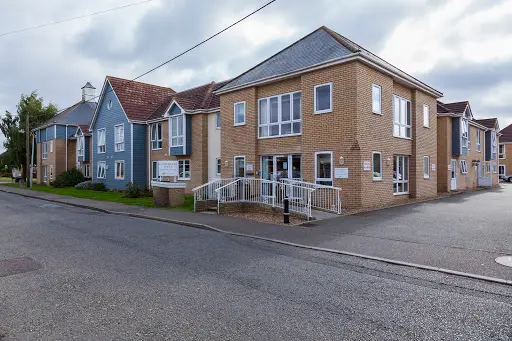
Loganberry Lodge, at 79-81 New Farm Road, Colchester, was rated Good across all five inspection domains at its most recent inspection on 23 October 2025, with the report published on 22 December 2025. This is a meaningful recovery from a previous Requires Improvement overall rating and suggests that the registered provider, Runwood Homes Limited, and the named registered manager have addressed the concerns that led to the earlier decline. The home is a large service with 143 beds and is registered to care for people with dementia, physical disabilities, sensory impairments, and adults of all ages. The main limitation of this report is that the published summary contains very little specific observational detail. Individual domain scores are confirmed as Good but the evidence behind each rating, inspector observations, resident and family quotes, and specific findings on staffing, food, and activities, is not available in the published text. This means families cannot yet verify the quality of daily life from inspection evidence alone. Before visiting, prepare a list of direct questions using the checklist above, and on the day pay close attention to how staff interact with your parent in corridors and communal spaces, whether the home feels calm and unhurried, and whether the manager is visible and known by name to the people who live there.
The three questions to ask when you visitSave this home. Compare it against your shortlist.
Let our analysis show you how Loganberry Lodge Care Home measures up against the other homes you’re considering. Free account.
In Their Own Words
How Loganberry Lodge Care Home describes itself — collected from its own website. DCC has not edited or independently verified the content in this tab.
Welcoming Colchester care home specialising in sensory and physical support
Dedicated residential home Support in Colchester
Loganberry Lodge in east Colchester offers specialised care for residents with sensory impairments, physical disabilities and dementia. The home welcomes both younger adults under 65 and older residents, creating a diverse community. Many families appreciate the warm welcome they receive when visiting.
Who they care for
The home provides specialist support for residents with sensory impairments and physical disabilities. Their experienced team cares for adults across different age groups, including those under 65 who need residential support.
Loganberry Lodge has experience supporting residents living with dementia. The team understands the importance of maintaining familiar routines and providing consistent care for those with memory challenges.
“Families considering Loganberry Lodge are encouraged to visit and see how the home might suit their loved one's specific needs.”
DCC does not edit or curate content in this tab. For independently curated information, see The Evidence and DCC Verdict.
The DCC Verdict
Our editorial view, built from the three lenses: what families tell us, what inspectors record, and how the home sits against good dementia-care practice.
DCC Family Score
Loganberry Lodge has returned to a Good rating across all five domains at its most recent inspection in October 2025, a positive recovery from a Requires Improvement rating. However, the published report contains limited specific observational detail, so scores reflect confirmed improvement without the granular evidence needed to rate higher.
Homes in East typically score 68–82.The three-lens summary
What families tell us
Visitors often comment on the friendly atmosphere throughout Loganberry Lodge. Staff at all levels, from reception through to management, are known for their approachable manner. The home maintains high cleanliness standards that families notice straight away.
What inspectors have recorded
The management team at Loganberry Lodge maintains an open-door approach with families. When concerns arise, managers make themselves available to discuss them promptly and professionally.
How it sits against good practice
Families considering Loganberry Lodge are encouraged to visit and see how the home might suit their loved one's specific needs.
Worth a visit
Loganberry Lodge, at 79-81 New Farm Road, Colchester, was rated Good across all five inspection domains at its most recent inspection on 23 October 2025, with the report published on 22 December 2025. This is a meaningful recovery from a previous Requires Improvement overall rating and suggests that the registered provider, Runwood Homes Limited, and the named registered manager have addressed the concerns that led to the earlier decline. The home is a large service with 143 beds and is registered to care for people with dementia, physical disabilities, sensory impairments, and adults of all ages. The main limitation of this report is that the published summary contains very little specific observational detail. Individual domain scores are confirmed as Good but the evidence behind each rating, inspector observations, resident and family quotes, and specific findings on staffing, food, and activities, is not available in the published text. This means families cannot yet verify the quality of daily life from inspection evidence alone. Before visiting, prepare a list of direct questions using the checklist above, and on the day pay close attention to how staff interact with your parent in corridors and communal spaces, whether the home feels calm and unhurried, and whether the manager is visible and known by name to the people who live there.
The three questions to ask when you visitSave this home. Compare it against your shortlist.
Let our analysis show you how Loganberry Lodge Care Home measures up against the other homes you’re considering. Free account.
In Their Own Words
How Loganberry Lodge Care Home describes itself — collected from its own website. DCC has not edited or independently verified the content in this tab.
Welcoming Colchester care home specialising in sensory and physical support
Dedicated residential home Support in Colchester
Loganberry Lodge in east Colchester offers specialised care for residents with sensory impairments, physical disabilities and dementia. The home welcomes both younger adults under 65 and older residents, creating a diverse community. Many families appreciate the warm welcome they receive when visiting.
Who they care for
The home provides specialist support for residents with sensory impairments and physical disabilities. Their experienced team cares for adults across different age groups, including those under 65 who need residential support.
Loganberry Lodge has experience supporting residents living with dementia. The team understands the importance of maintaining familiar routines and providing consistent care for those with memory challenges.
Management & ethos
The management team at Loganberry Lodge maintains an open-door approach with families. When concerns arise, managers make themselves available to discuss them promptly and professionally.
The home & environment
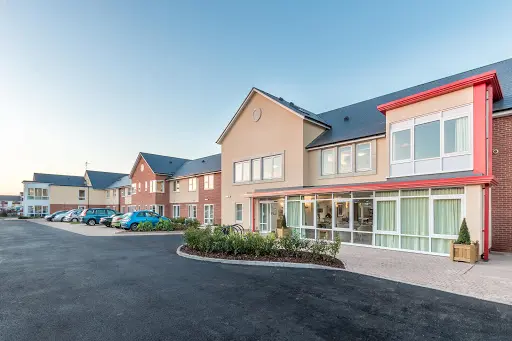
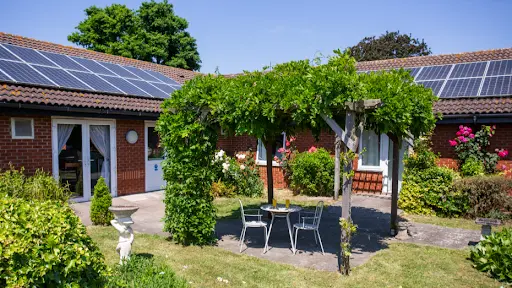
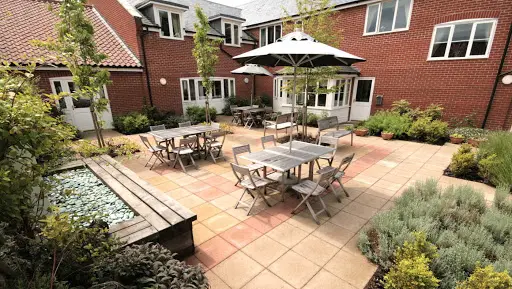
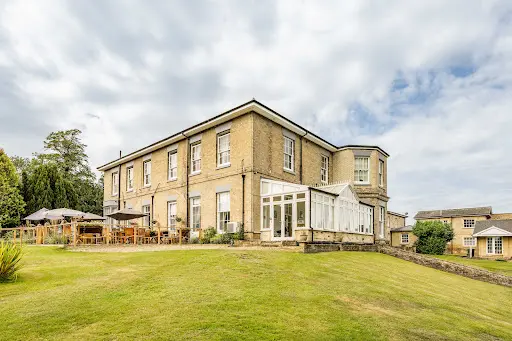
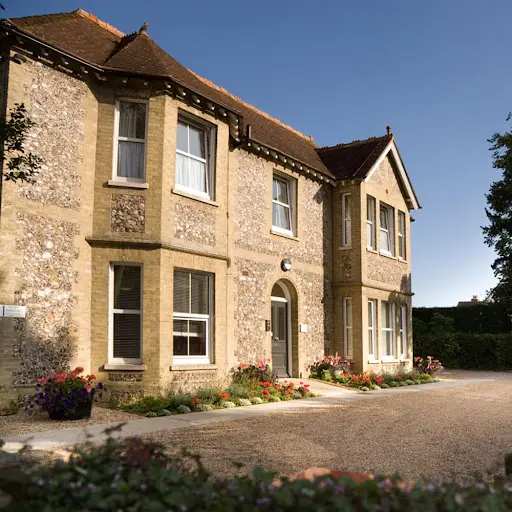
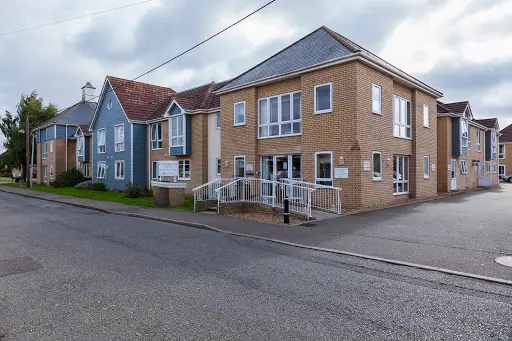
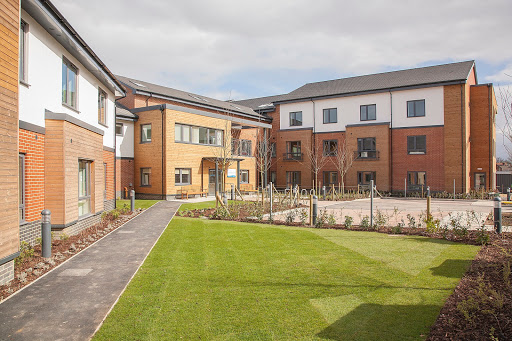
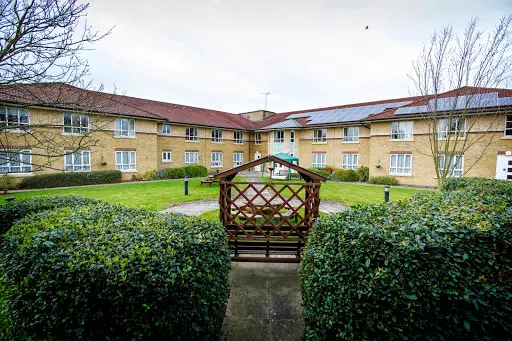
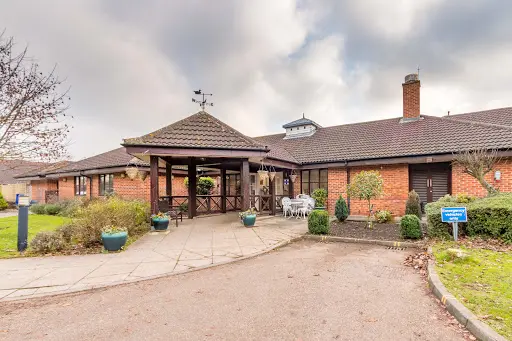
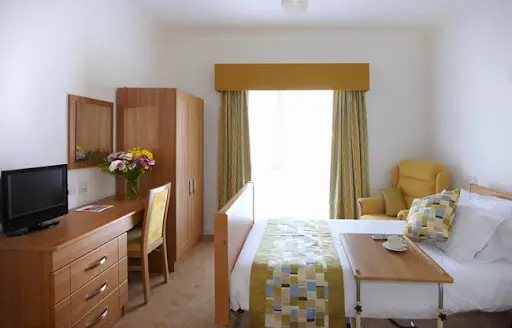
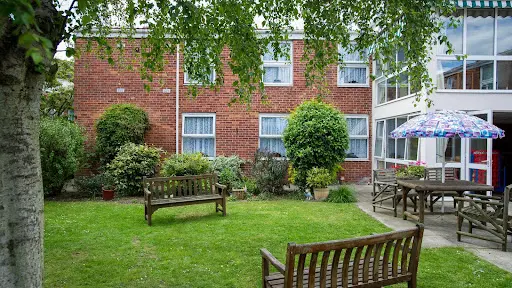
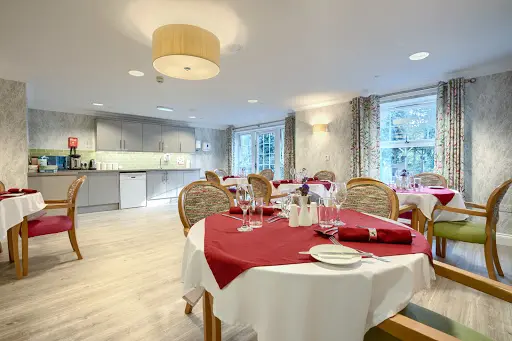
The communal areas at Loganberry Lodge offer space for residents to gather comfortably. The home provides structured activities throughout the day to keep residents engaged and active.
“Families considering Loganberry Lodge are encouraged to visit and see how the home might suit their loved one's specific needs.”
DCC does not edit or curate content in this tab. For independently curated information, see The Evidence and DCC Verdict.