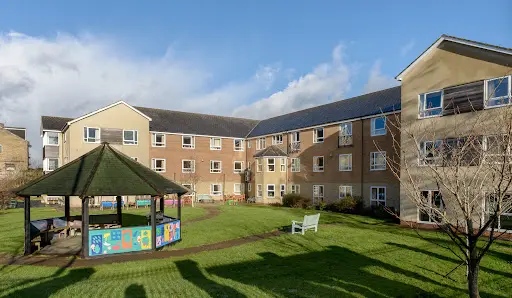
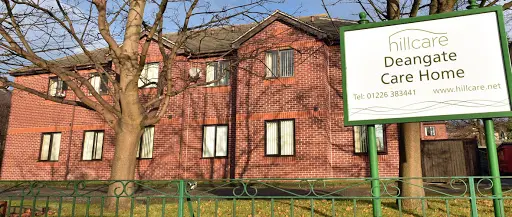
Deangate Care Home
At a Glance
The information you need to decide whether this home warrants a closer look.
Residential homes
Staff warmth score
of reviewers answered yes
Good to know
- Registered beds50
- SpecialismsCaring for adults over 65 yrs, Caring for adults under 65 yrs, Dementia, Learning disabilities
- Last inspected2019-07-18
Save Deangate Care Home to your shortlist
Keep a running list, add visit notes, and compare homes side-by-side. Free account — it takes a minute.
STAGE 4 — RESEARCHING CARE HOMES
Visit homes. Compare them side by side. Choose with confidence.
Most of us will view care homes the way we view houses, impression, atmosphere, the feeling in the corridor. We go home, try to remember what we saw, and make a permanent decision from a blurred memory.

The DCC shortlist gives every home you visit a structured record: the same twelve questions, answered the same way, every time. When you’re ready to choose, pull any two homes side by side and compare them directly. Same criteria, same evidence, your notes and your scores.
The Evidence
What the review data, the inspection reports, and the dementia-care evidence base tell us about this home.
What families say
Families often mention how staff create genuine connections here. When residents feel anxious or confused, the team responds with music, quiet conversation, or simply sitting alongside them. Many relatives notice their loved ones seem settled and content, with staff who know just how to ease difficult moments.
The eight family priority themes
- Staff warmth88
- Compassion & dignity92
- Cleanliness72
- Activities & engagement75
- Food quality65
- Healthcare72
- Management & leadership90
- Resident happiness80
What inspectors found
Inspected 2019-07-18
Is this home safe?
Is the care effective?
The Effective domain is rated Good. This covers whether the home uses its knowledge of each person to deliver care that actually makes a difference, including training, care planning, health monitoring, and food. The home lists dementia and learning disabilities as specialisms, which means inspectors would have considered whether practice in those areas is sound. No specific examples of care plan content, GP access arrangements, or training programmes are included in the published summary.Is this home caring?
The Caring domain is rated Outstanding, the highest possible rating and one awarded to fewer than five per cent of care homes nationally. This requires inspectors to find consistent, specific, observable evidence that staff treat the people who live here with genuine warmth, respect their dignity, and support their independence, not simply the absence of poor practice. The home cares for adults of varying ages, including people with dementia and learning disabilities, and Outstanding Caring across that range is a strong finding. No direct quotes or specific observations are recorded in the available published summary.Is the home responsive?
The Responsive domain is rated Good. This covers whether the home organises care around individual needs rather than institutional convenience, including activities, engagement, and how end-of-life wishes are handled. The home serves a mixed population including people with dementia and learning disabilities, and tailoring activities and care to that range of needs requires deliberate planning. No specific examples of activity programmes, individual engagement plans, or end-of-life arrangements are available in the published summary.Is the home well-led?
The Well-led domain is rated Outstanding. This is the second of two Outstanding ratings at this inspection and covers the quality of leadership, governance, and culture in the home. A named registered manager, Rachael Claire Dawson, is in post and registered with the regulator, alongside a nominated individual, Mandy Vernon, representing the provider, Hill Care 3 Limited. An Outstanding Well-led rating requires inspectors to find not just systems and paperwork but evidence of a culture where staff feel supported, problems are identified and acted on, and quality is genuinely monitored. The home's improvement from a previous Requires Improvement rating makes this finding particularly significant.
Source: CQC inspection report →
What the evidence base says
The home supports younger adults under 65 alongside older residents, including those with learning disabilities and dementia. This mix means they're set up for different types of complex care needs. For residents with dementia, the staff seem particularly skilled at reading mood changes and responding with patience. They use familiar music and one-to-one time to help during moments of confusion or distress. All areas worth probing directly during a visit.
The DCC Verdict
Our editorial view, built from the three lenses: what families tell us, what inspectors record, and how the home sits against good dementia-care practice.
DCC Family Score
Deangate Care Home scores strongly on the themes families care about most, particularly staff warmth and compassion, which together carry the heaviest weight in our family review data. The score reflects the Outstanding ratings in Caring and Well-led, tempered by limited specific detail available in the published findings for food, cleanliness, and activities.
Homes in Yorkshire & Humberside typically score 68–82.The three-lens summary
What families tell us
Families often mention how staff create genuine connections here. When residents feel anxious or confused, the team responds with music, quiet conversation, or simply sitting alongside them. Many relatives notice their loved ones seem settled and content, with staff who know just how to ease difficult moments.
What inspectors have recorded
The care team's friendliness stands out to most visitors, from support workers through to management. However, there have been serious incidents where families weren't contacted promptly during medical emergencies, and occasions when residents weren't monitored closely enough. These concerns suggest the home needs stronger systems for keeping families informed and residents safe.
How it sits against good practice
While the personal care often shines through, families should ask specific questions about safety protocols and communication procedures during their visit.
Worth a visit
Deangate Care Home in Barnsley was assessed in June 2025 and rated Good overall, with two domains, Caring and Well-led, rated Outstanding. This is a meaningful improvement from a previous Requires Improvement rating, and the Outstanding Caring rating in particular places this home in the top tier nationally for how staff treat the people who live there. The home is run by Hill Care 3 Limited and has a named registered manager, Rachael Claire Dawson, in post. The main limitation of this report for families is that the published summary is brief and does not include the specific observations, quotes, or detail that would allow a full picture of daily life. You cannot rely on ratings alone when choosing a home for your parent. Visit in person, ask to see last month's staffing rota, request a mealtime visit to judge the food and pace of care for yourself, and ask directly how the team supports someone with dementia on a difficult day. The Outstanding Caring rating gives real grounds for confidence, but the questions in the checklist below are the ones to pursue before making a final decision.
The three questions to ask when you visitSave this home. Compare it against your shortlist.
Let our analysis show you how Deangate Care Home measures up against the other homes you’re considering. Free account.
In Their Own Words
How Deangate Care Home describes itself — collected from its own website. DCC has not edited or independently verified the content in this tab.
Dementia care with warmth when families need reassurance most
Compassionate Care in Barnsley at Deangate Care Home
When dementia changes everything familiar, finding the right support matters deeply. Deangate Care Home in Barnsley brings together warmth and understanding for residents living with dementia, learning disabilities, and other complex needs. Families describe staff who connect personally with each resident, though some have raised concerns about communication systems that need strengthening.
Who they care for
The home supports younger adults under 65 alongside older residents, including those with learning disabilities and dementia. This mix means they're set up for different types of complex care needs.
For residents with dementia, the staff seem particularly skilled at reading mood changes and responding with patience. They use familiar music and one-to-one time to help during moments of confusion or distress.
“While the personal care often shines through, families should ask specific questions about safety protocols and communication procedures during their visit.”
DCC does not edit or curate content in this tab. For independently curated information, see The Evidence and DCC Verdict.
The DCC Verdict
Our editorial view, built from the three lenses: what families tell us, what inspectors record, and how the home sits against good dementia-care practice.
DCC Family Score
Deangate Care Home scores strongly on the themes families care about most, particularly staff warmth and compassion, which together carry the heaviest weight in our family review data. The score reflects the Outstanding ratings in Caring and Well-led, tempered by limited specific detail available in the published findings for food, cleanliness, and activities.
Homes in Yorkshire & Humberside typically score 68–82.The three-lens summary
What families tell us
Families often mention how staff create genuine connections here. When residents feel anxious or confused, the team responds with music, quiet conversation, or simply sitting alongside them. Many relatives notice their loved ones seem settled and content, with staff who know just how to ease difficult moments.
What inspectors have recorded
The care team's friendliness stands out to most visitors, from support workers through to management. However, there have been serious incidents where families weren't contacted promptly during medical emergencies, and occasions when residents weren't monitored closely enough. These concerns suggest the home needs stronger systems for keeping families informed and residents safe.
How it sits against good practice
While the personal care often shines through, families should ask specific questions about safety protocols and communication procedures during their visit.
Worth a visit
Deangate Care Home in Barnsley was assessed in June 2025 and rated Good overall, with two domains, Caring and Well-led, rated Outstanding. This is a meaningful improvement from a previous Requires Improvement rating, and the Outstanding Caring rating in particular places this home in the top tier nationally for how staff treat the people who live there. The home is run by Hill Care 3 Limited and has a named registered manager, Rachael Claire Dawson, in post. The main limitation of this report for families is that the published summary is brief and does not include the specific observations, quotes, or detail that would allow a full picture of daily life. You cannot rely on ratings alone when choosing a home for your parent. Visit in person, ask to see last month's staffing rota, request a mealtime visit to judge the food and pace of care for yourself, and ask directly how the team supports someone with dementia on a difficult day. The Outstanding Caring rating gives real grounds for confidence, but the questions in the checklist below are the ones to pursue before making a final decision.
The three questions to ask when you visitSave this home. Compare it against your shortlist.
Let our analysis show you how Deangate Care Home measures up against the other homes you’re considering. Free account.
In Their Own Words
How Deangate Care Home describes itself — collected from its own website. DCC has not edited or independently verified the content in this tab.
Dementia care with warmth when families need reassurance most
Compassionate Care in Barnsley at Deangate Care Home
When dementia changes everything familiar, finding the right support matters deeply. Deangate Care Home in Barnsley brings together warmth and understanding for residents living with dementia, learning disabilities, and other complex needs. Families describe staff who connect personally with each resident, though some have raised concerns about communication systems that need strengthening.
Who they care for
The home supports younger adults under 65 alongside older residents, including those with learning disabilities and dementia. This mix means they're set up for different types of complex care needs.
For residents with dementia, the staff seem particularly skilled at reading mood changes and responding with patience. They use familiar music and one-to-one time to help during moments of confusion or distress.
Management & ethos
The care team's friendliness stands out to most visitors, from support workers through to management. However, there have been serious incidents where families weren't contacted promptly during medical emergencies, and occasions when residents weren't monitored closely enough. These concerns suggest the home needs stronger systems for keeping families informed and residents safe.
The home & environment
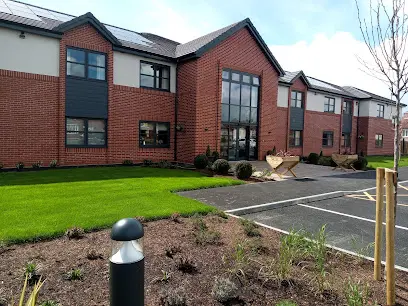
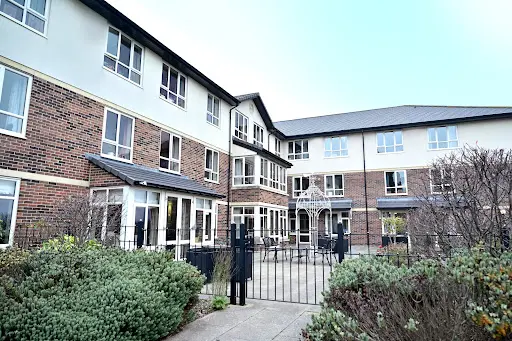
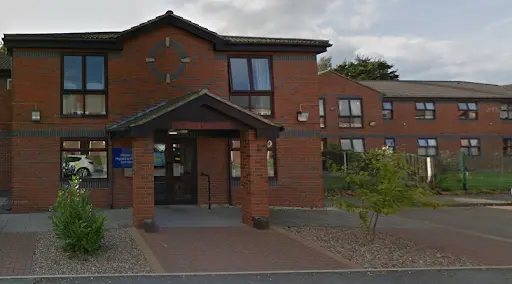
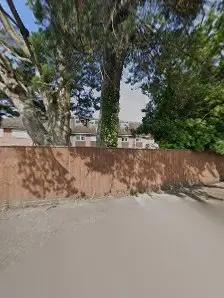
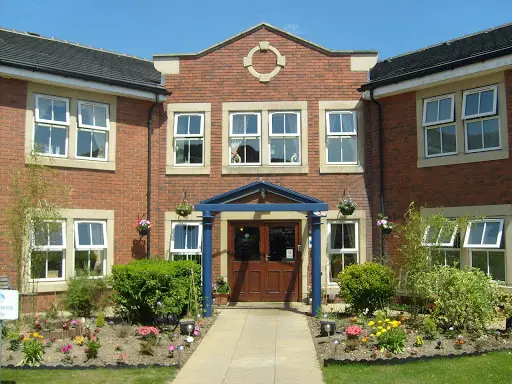
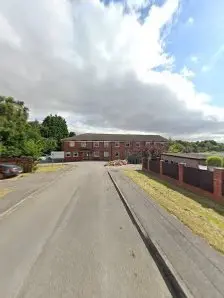
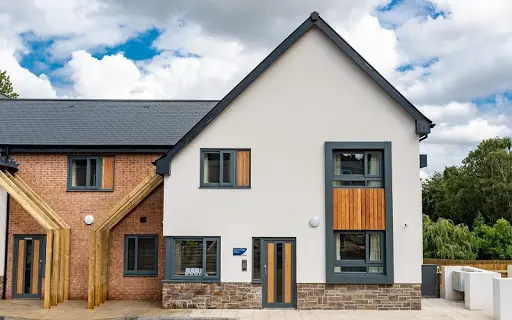
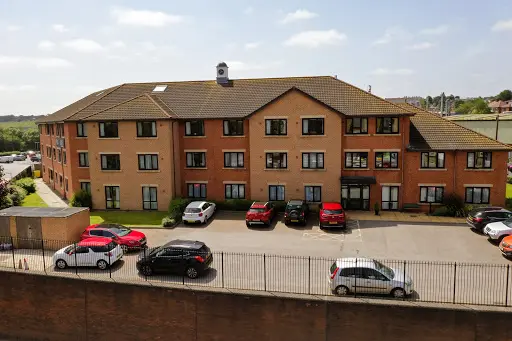
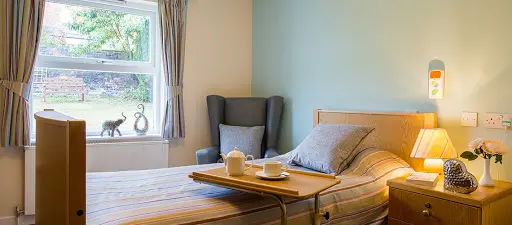
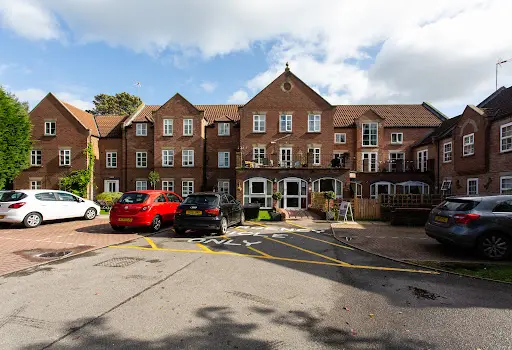
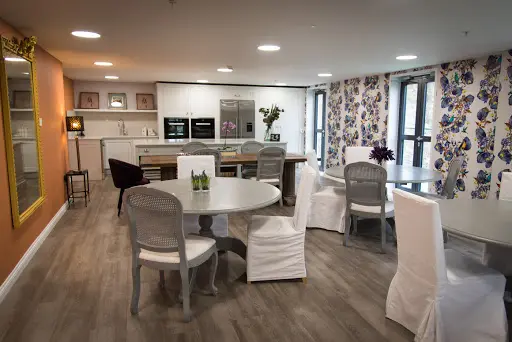
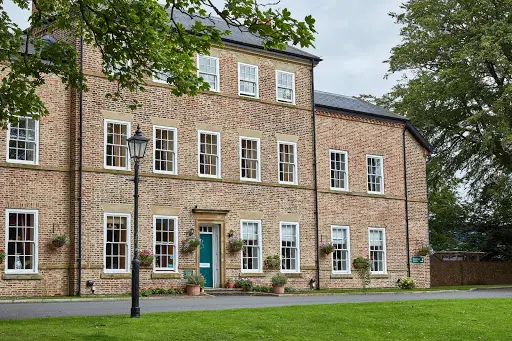
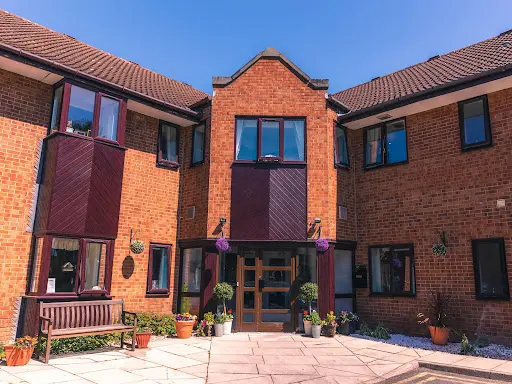
The building itself divides opinion — some visitors find it clean and well-maintained, while others have found certain rooms too small for mobility equipment. The food seems fairly standard, though there have been comments about limited choices at mealtimes.
“While the personal care often shines through, families should ask specific questions about safety protocols and communication procedures during their visit.”
DCC does not edit or curate content in this tab. For independently curated information, see The Evidence and DCC Verdict.