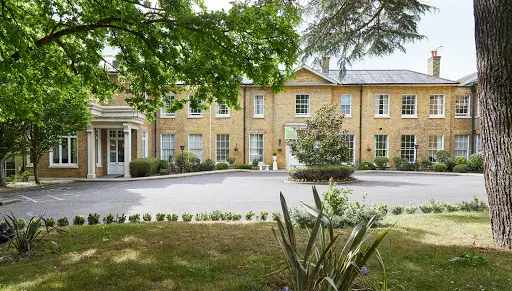
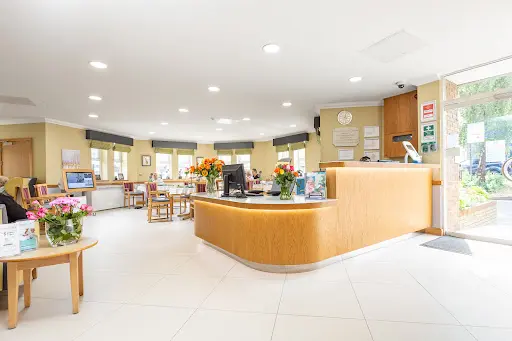
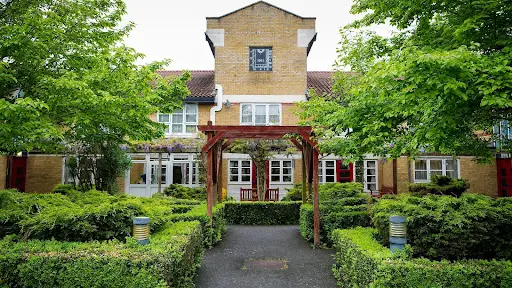
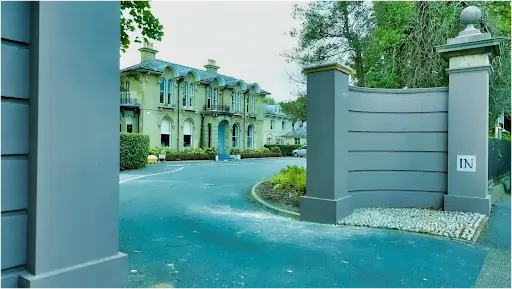
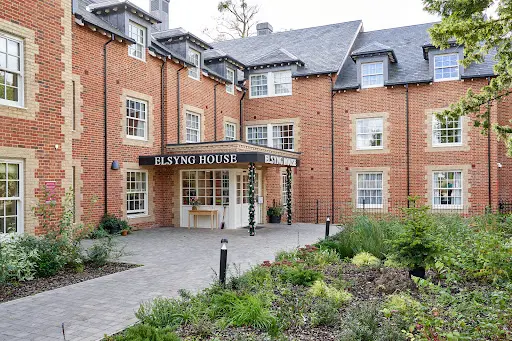
Stella & Harry Freedman House (Jewish Care)

At a Glance
The information you need to decide whether this home warrants a closer look.
Nursing homes, Residential homes
Staff warmth score
of reviewers answered yes
Good to know
- Registered beds120
- SpecialismsCaring for adults over 65 yrs, Caring for adults under 65 yrs, Dementia
- Last inspected2023-02-14
Save Stella & Harry Freedman House (Jewish Care) to your shortlist
Keep a running list, add visit notes, and compare homes side-by-side. Free account — it takes a minute.
STAGE 4 — RESEARCHING CARE HOMES
Visit homes. Compare them side by side. Choose with confidence.
Most of us will view care homes the way we view houses, impression, atmosphere, the feeling in the corridor. We go home, try to remember what we saw, and make a permanent decision from a blurred memory.

The DCC shortlist gives every home you visit a structured record: the same twelve questions, answered the same way, every time. When you’re ready to choose, pull any two homes side by side and compare them directly. Same criteria, same evidence, your notes and your scores.
The Evidence
What the review data, the inspection reports, and the dementia-care evidence base tell us about this home.
What families say
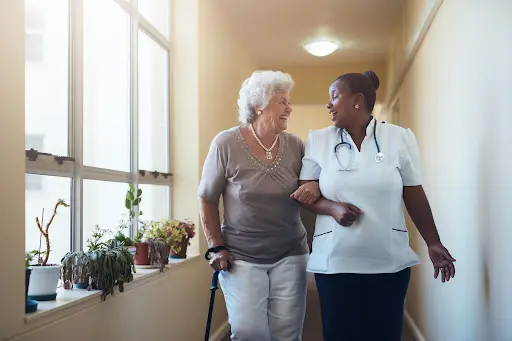
Visitors often mention how staff engage meaningfully with residents throughout the day. There's a sense that people here are treated as individuals first, with their own stories and preferences respected. Families report feeling reassured by the consistent, dependable support their relatives receive.
The eight family priority themes
- Staff warmth72
- Compassion & dignity72
- Cleanliness70
- Activities & engagement68
- Food quality65
- Healthcare70
- Management & leadership75
- Resident happiness70
What inspectors found
Inspected 2023-02-14
Is this home safe?
Is the care effective?
The Effective domain was rated Good, covering training, care planning, healthcare access, and nutrition. The home lists dementia as a specialism, which means inspectors would have assessed whether staff have relevant training and whether care plans are appropriately detailed. No specific information about training content, GP access frequency, or care plan review cycles is included in the published summary. The home provides nursing care, indicating that clinical oversight is part of its offer. Jewish Care as an organisation has a track record in dementia services, though this report does not detail how that translates into day-to-day practice at this location.Is this home caring?
The Caring domain was rated Good, which covers staff warmth, dignity, respect, and support for independence. This is the domain most directly linked to the quality of daily life your parent would experience. Inspectors would have observed staff interactions and spoken with residents and relatives. No direct observations, quotes, or specific examples are recorded in the published summary for this home. A Good rating indicates inspectors did not find cause for concern, but the absence of specific detail means this report cannot confirm what warmth looks like in practice at Stella and Harry Freedman House.Is the home responsive?
The Responsive domain was rated Good, covering activities, individual engagement, and responsiveness to changing needs including end-of-life care. The home caters for both adults over and under 65, which means activities and social programming need to work for a wide age range and range of ability. No specific description of the activity programme, examples of individual engagement, or end-of-life care approach is recorded in the published summary. The Good rating indicates inspectors were satisfied, but the level of detail available does not allow confirmation of whether activities are tailored to individuals or primarily group-based.Is the home well-led?
The Well-led domain was rated Good, having previously been rated Requires Improvement. This is the most significant finding in the report. A home that improves its leadership rating has demonstrated to inspectors that it can identify problems, act on them, and embed changes. The Nominated Individual is named as Ms Rita Rousso, and the home is operated by Jewish Care. No detail about the registered manager's tenure, staff culture, or governance processes is included in the published summary. The overall trajectory from Requires Improvement to Good across all domains suggests coordinated leadership effort rather than isolated fixes.
Source: CQC inspection report →
What the evidence base says
The home provides care for adults both under and over 65, including those living with dementia. For residents with dementia, the person-centred approach here means staff work to understand each individual's unique needs and preferences, adapting their support accordingly. All areas worth probing directly during a visit.
The DCC Verdict
Our editorial view, built from the three lenses: what families tell us, what inspectors record, and how the home sits against good dementia-care practice.
DCC Family Score
Stella and Harry Freedman House scores 79 out of 100, reflecting a genuine improvement from Requires Improvement to Good across all five inspection domains, with consistent positive findings but limited specific detail in the published report to push scores higher.
Homes in London typically score 68–82.The three-lens summary
What families tell us
Visitors often mention how staff engage meaningfully with residents throughout the day. There's a sense that people here are treated as individuals first, with their own stories and preferences respected. Families report feeling reassured by the consistent, dependable support their relatives receive.
What inspectors have recorded
The care team here appears responsive to residents' needs, with families noting prompt attention when issues arise. However, you should know that one family documented serious concerns about medication management and medical care that were upheld by the Parliamentary and Health Service Ombudsman.
How it sits against good practice
Every care home has its strengths and challenges — what matters is finding the right fit for your family's specific situation.
Worth a visit
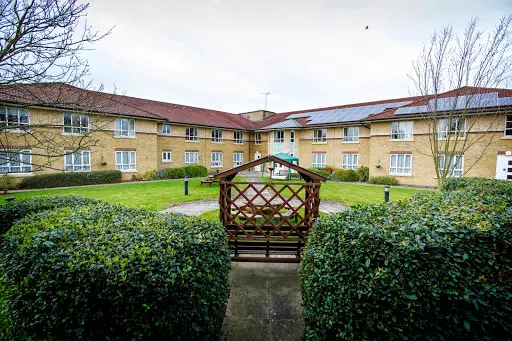
Stella and Harry Freedman House, on Asher Loftus Way in north London, was rated Good at its inspection in January 2023, with Good ratings across all five domains: Safe, Effective, Caring, Responsive, and Well-led. This is a meaningful improvement from a previous Requires Improvement rating, which tells you the home recognised it had problems and addressed them. The home is run by Jewish Care, a well-established provider, and offers both nursing and residential care for up to 120 people, including those living with dementia. The main uncertainty here is that the published inspection summary contains very little specific detail: no direct quotes from residents or relatives, no descriptions of individual interactions, and no data on staffing ratios or activity provision. A Good rating is reassuring but it is a baseline, not a ceiling. When you visit, ask to see the actual staffing rota from last week (not a template), speak to a carer on the dementia unit, and observe how staff interact with residents in corridors and at mealtimes. The improvement from Requires Improvement makes this a home worth visiting, but your own eyes on a busy weekday afternoon will tell you more than any rating.
The three questions to ask when you visitSave this home. Compare it against your shortlist.
Let our analysis show you how Stella & Harry Freedman House (Jewish Care) measures up against the other homes you’re considering. Free account.
In Their Own Words
How Stella & Harry Freedman House (Jewish Care) describes itself — collected from its own website. DCC has not edited or independently verified the content in this tab.
Where staff genuinely care about every resident's individual story
Nursing home,residential home in London: True Peace of Mind
Finding the right care home means trusting others with someone you love. At Stella & Harry Freedman House in London, families describe staff who take time to really know each resident — their preferences, their histories, their needs. It's that personal attention that matters when you're making this difficult decision.
Who they care for
The home provides care for adults both under and over 65, including those living with dementia.
For residents with dementia, the person-centred approach here means staff work to understand each individual's unique needs and preferences, adapting their support accordingly.
“Every care home has its strengths and challenges — what matters is finding the right fit for your family's specific situation.”
DCC does not edit or curate content in this tab. For independently curated information, see The Evidence and DCC Verdict.
The DCC Verdict
Our editorial view, built from the three lenses: what families tell us, what inspectors record, and how the home sits against good dementia-care practice.
DCC Family Score
Stella and Harry Freedman House scores 79 out of 100, reflecting a genuine improvement from Requires Improvement to Good across all five inspection domains, with consistent positive findings but limited specific detail in the published report to push scores higher.
Homes in London typically score 68–82.The three-lens summary
What families tell us
Visitors often mention how staff engage meaningfully with residents throughout the day. There's a sense that people here are treated as individuals first, with their own stories and preferences respected. Families report feeling reassured by the consistent, dependable support their relatives receive.
What inspectors have recorded
The care team here appears responsive to residents' needs, with families noting prompt attention when issues arise. However, you should know that one family documented serious concerns about medication management and medical care that were upheld by the Parliamentary and Health Service Ombudsman.
How it sits against good practice
Every care home has its strengths and challenges — what matters is finding the right fit for your family's specific situation.
Worth a visit
Stella and Harry Freedman House, on Asher Loftus Way in north London, was rated Good at its inspection in January 2023, with Good ratings across all five domains: Safe, Effective, Caring, Responsive, and Well-led. This is a meaningful improvement from a previous Requires Improvement rating, which tells you the home recognised it had problems and addressed them. The home is run by Jewish Care, a well-established provider, and offers both nursing and residential care for up to 120 people, including those living with dementia. The main uncertainty here is that the published inspection summary contains very little specific detail: no direct quotes from residents or relatives, no descriptions of individual interactions, and no data on staffing ratios or activity provision. A Good rating is reassuring but it is a baseline, not a ceiling. When you visit, ask to see the actual staffing rota from last week (not a template), speak to a carer on the dementia unit, and observe how staff interact with residents in corridors and at mealtimes. The improvement from Requires Improvement makes this a home worth visiting, but your own eyes on a busy weekday afternoon will tell you more than any rating.
The three questions to ask when you visitSave this home. Compare it against your shortlist.
Let our analysis show you how Stella & Harry Freedman House (Jewish Care) measures up against the other homes you’re considering. Free account.
In Their Own Words
How Stella & Harry Freedman House (Jewish Care) describes itself — collected from its own website. DCC has not edited or independently verified the content in this tab.
Where staff genuinely care about every resident's individual story
Nursing home,residential home in London: True Peace of Mind
Finding the right care home means trusting others with someone you love. At Stella & Harry Freedman House in London, families describe staff who take time to really know each resident — their preferences, their histories, their needs. It's that personal attention that matters when you're making this difficult decision.
Who they care for
The home provides care for adults both under and over 65, including those living with dementia.
For residents with dementia, the person-centred approach here means staff work to understand each individual's unique needs and preferences, adapting their support accordingly.
Management & ethos
The care team here appears responsive to residents' needs, with families noting prompt attention when issues arise. However, you should know that one family documented serious concerns about medication management and medical care that were upheld by the Parliamentary and Health Service Ombudsman.
“Every care home has its strengths and challenges — what matters is finding the right fit for your family's specific situation.”
DCC does not edit or curate content in this tab. For independently curated information, see The Evidence and DCC Verdict.