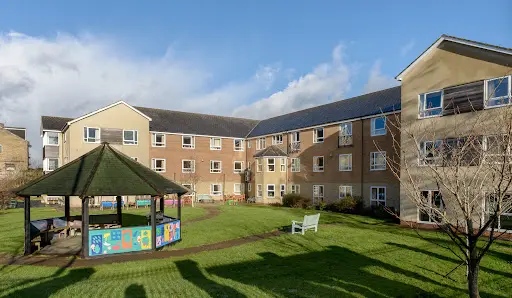
Grimston Court Residential Care Home
At a Glance
The information you need to decide whether this home warrants a closer look.
Residential homes
Staff warmth score
of reviewers answered yes
Good to know
- Registered beds47
- SpecialismsCaring for adults over 65 yrs, Dementia
- Last inspected2020-01-10
Save Grimston Court Residential Care Home to your shortlist
Keep a running list, add visit notes, and compare homes side-by-side. Free account — it takes a minute.
STAGE 4 — RESEARCHING CARE HOMES
Visit homes. Compare them side by side. Choose with confidence.
Most of us will view care homes the way we view houses, impression, atmosphere, the feeling in the corridor. We go home, try to remember what we saw, and make a permanent decision from a blurred memory.

The DCC shortlist gives every home you visit a structured record: the same twelve questions, answered the same way, every time. When you’re ready to choose, pull any two homes side by side and compare them directly. Same criteria, same evidence, your notes and your scores.
The Evidence
What the review data, the inspection reports, and the dementia-care evidence base tell us about this home.
What families say
Families talk about seeing genuine connections between carers and residents here. Staff take time to understand each person's preferences and personality, which shows in how content many residents seem day to day. When relatives visit, they often notice these small but meaningful interactions that suggest real rapport.
The eight family priority themes
- Staff warmth75
- Compassion & dignity75
- Cleanliness70
- Activities & engagement65
- Food quality65
- Healthcare70
- Management & leadership45
- Resident happiness70
What inspectors found
Inspected 2020-01-10
Is this home safe?
Is the care effective?
Inspectors rated Grimston Court Good for Effective at the March 2024 inspection. This domain covers care plans, dementia-specific training, healthcare access including GP visits, nutrition, and how well staff use information about each person to guide their care. A Good rating indicates these areas met the required standard, though the published summary does not reproduce specific examples of what inspectors observed or reviewed.Is this home caring?
Grimston Court received a Good rating for Caring at the March 2024 inspection. This is the domain that most directly reflects whether staff are kind, whether your parent's dignity is protected, and whether the pace of care is driven by the person rather than the timetable. A Good rating here means inspectors were satisfied these standards were met. The published summary does not reproduce specific inspector observations, quotes from residents, or detail about how dignity was protected in practice.Is the home responsive?
Grimston Court was rated Good for Responsive at the March 2024 inspection. This domain assesses whether the home tailors care and daily life to individual needs, whether activities are meaningful rather than generic, and whether people's complaints are heard and acted upon. For a home with a dementia specialism, Responsive also covers how the home supports people as their condition changes and how it approaches end-of-life care. Specific detail on activities, individual engagement, or complaint handling is not available in the published summary.Is the home well-led?
Grimston Court received a Requires Improvement rating in Well-led at the March 2024 inspection. This is the only domain not rated Good and it is the most consequential for long-term quality. Well-led covers whether the registered manager has clear oversight of what is happening in the home, whether staff feel supported and able to raise concerns, and whether governance systems reliably identify and correct problems. The home is registered with Miss Hannah Louise Ridley as registered manager and Mrs Susan Margaret McKinney as nominated individual. The specific issues identified by inspectors under Well-led are not reproduced in the available published summary.
Source: CQC inspection report →
What the evidence base says
Grimston Court provides residential care for people over 65, including those living with dementia. For residents with dementia, the staff's ability to form genuine connections becomes especially valuable. Carers here show patience in getting to know each person's unique needs and communication style. All areas worth probing directly during a visit.
The DCC Verdict
Our editorial view, built from the three lenses: what families tell us, what inspectors record, and how the home sits against good dementia-care practice.
DCC Family Score
Grimston Court scores well on the care and kindness themes that matter most to families, but the Requires Improvement rating in Well-led pulls the overall score down and means leadership and governance need scrutiny before you commit.
Homes in Yorkshire & Humberside typically score 68–82.The three-lens summary
What families tell us
Families talk about seeing genuine connections between carers and residents here. Staff take time to understand each person's preferences and personality, which shows in how content many residents seem day to day. When relatives visit, they often notice these small but meaningful interactions that suggest real rapport.
What inspectors have recorded
The team stays in touch with families, providing updates about how residents are doing and responding when relatives have questions. While most carers come across as friendly and engaged, some families have noticed that staffing levels can affect how quickly things get done.
How it sits against good practice
The combination of Yorkshire countryside views and staff who genuinely care creates an environment where many residents have found their rhythm.
Worth a visit
Grimston Court, on Hull Road in Grimston near York, was rated Good overall at its most recent inspection in March 2024, with Good ratings across Safe, Effective, Caring, and Responsive. This is a meaningful improvement from its previous Requires Improvement rating, and it covers a 47-bed home specialising in older adults and dementia care run by Wellburn Care Homes Limited. The four Good domain ratings suggest inspectors found the core elements of safe, effective, and kind care were in place at the time of the visit. The significant caveat is a Requires Improvement rating in Well-led, which covers management, governance, and organisational culture. This is the domain that predicts whether quality is sustained over time, not just on the day of inspection. Because the full report text is not reproduced in the data available here, it is not possible to pinpoint exactly what inspectors found wanting in leadership. Before visiting, ask the registered manager, Miss Hannah Louise Ridley, what specific issues the inspection identified under Well-led and what changes have been made since August 2024 when the report was published. On your visit, pay attention to whether staff seem settled and supported, and whether the manager is present and known to the people who live there.
The three questions to ask when you visitSave this home. Compare it against your shortlist.
Let our analysis show you how Grimston Court Residential Care Home measures up against the other homes you’re considering. Free account.
In Their Own Words
How Grimston Court Residential Care Home describes itself — collected from its own website. DCC has not edited or independently verified the content in this tab.
Beautiful Yorkshire setting where caring staff forge real connections with residents
Grimston Court – Your Trusted residential home
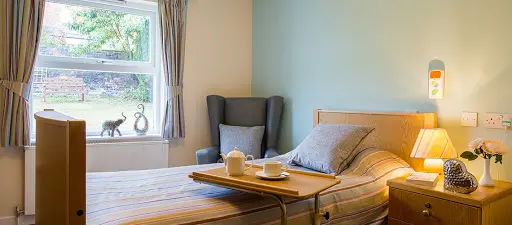
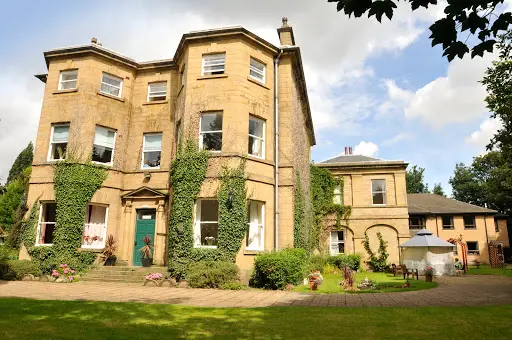
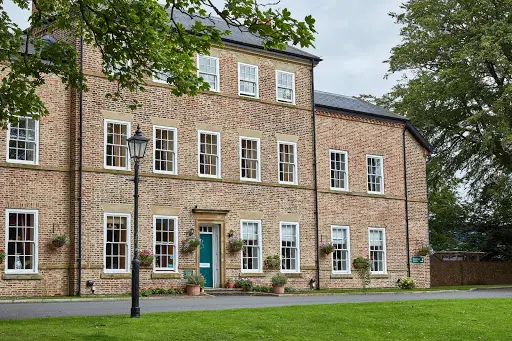
The grounds at Grimston Court in Yorkshire catch your eye first — visitors often mention how lovely the setting is, with well-maintained gardens perfect for quiet moments outdoors. Inside this care home in Grimston, you'll find staff who really get to know residents as individuals, building the kind of relationships that matter when you're trusting someone with your loved one's daily care.
Who they care for
Grimston Court provides residential care for people over 65, including those living with dementia.
For residents with dementia, the staff's ability to form genuine connections becomes especially valuable. Carers here show patience in getting to know each person's unique needs and communication style.
“The combination of Yorkshire countryside views and staff who genuinely care creates an environment where many residents have found their rhythm.”
DCC does not edit or curate content in this tab. For independently curated information, see The Evidence and DCC Verdict.
The DCC Verdict
Our editorial view, built from the three lenses: what families tell us, what inspectors record, and how the home sits against good dementia-care practice.
DCC Family Score
Grimston Court scores well on the care and kindness themes that matter most to families, but the Requires Improvement rating in Well-led pulls the overall score down and means leadership and governance need scrutiny before you commit.
Homes in Yorkshire & Humberside typically score 68–82.The three-lens summary
What families tell us
Families talk about seeing genuine connections between carers and residents here. Staff take time to understand each person's preferences and personality, which shows in how content many residents seem day to day. When relatives visit, they often notice these small but meaningful interactions that suggest real rapport.
What inspectors have recorded
The team stays in touch with families, providing updates about how residents are doing and responding when relatives have questions. While most carers come across as friendly and engaged, some families have noticed that staffing levels can affect how quickly things get done.
How it sits against good practice
The combination of Yorkshire countryside views and staff who genuinely care creates an environment where many residents have found their rhythm.
Worth a visit
Grimston Court, on Hull Road in Grimston near York, was rated Good overall at its most recent inspection in March 2024, with Good ratings across Safe, Effective, Caring, and Responsive. This is a meaningful improvement from its previous Requires Improvement rating, and it covers a 47-bed home specialising in older adults and dementia care run by Wellburn Care Homes Limited. The four Good domain ratings suggest inspectors found the core elements of safe, effective, and kind care were in place at the time of the visit. The significant caveat is a Requires Improvement rating in Well-led, which covers management, governance, and organisational culture. This is the domain that predicts whether quality is sustained over time, not just on the day of inspection. Because the full report text is not reproduced in the data available here, it is not possible to pinpoint exactly what inspectors found wanting in leadership. Before visiting, ask the registered manager, Miss Hannah Louise Ridley, what specific issues the inspection identified under Well-led and what changes have been made since August 2024 when the report was published. On your visit, pay attention to whether staff seem settled and supported, and whether the manager is present and known to the people who live there.
The three questions to ask when you visitSave this home. Compare it against your shortlist.
Let our analysis show you how Grimston Court Residential Care Home measures up against the other homes you’re considering. Free account.
In Their Own Words
How Grimston Court Residential Care Home describes itself — collected from its own website. DCC has not edited or independently verified the content in this tab.
Beautiful Yorkshire setting where caring staff forge real connections with residents
Grimston Court – Your Trusted residential home
The grounds at Grimston Court in Yorkshire catch your eye first — visitors often mention how lovely the setting is, with well-maintained gardens perfect for quiet moments outdoors. Inside this care home in Grimston, you'll find staff who really get to know residents as individuals, building the kind of relationships that matter when you're trusting someone with your loved one's daily care.
Who they care for
Grimston Court provides residential care for people over 65, including those living with dementia.
For residents with dementia, the staff's ability to form genuine connections becomes especially valuable. Carers here show patience in getting to know each person's unique needs and communication style.
Management & ethos
The team stays in touch with families, providing updates about how residents are doing and responding when relatives have questions. While most carers come across as friendly and engaged, some families have noticed that staffing levels can affect how quickly things get done.
“The combination of Yorkshire countryside views and staff who genuinely care creates an environment where many residents have found their rhythm.”
DCC does not edit or curate content in this tab. For independently curated information, see The Evidence and DCC Verdict.