The Heathers Nursing Home
At a Glance
The information you need to decide whether this home warrants a closer look.
Nursing homes
Staff warmth score
of reviewers answered yes
Good to know
- Registered beds47
- SpecialismsCaring for adults over 65 yrs, Dementia, Physical disabilities, Sensory impairment
- Last inspected2022-03-11
Save The Heathers Nursing Home to your shortlist
Keep a running list, add visit notes, and compare homes side-by-side. Free account — it takes a minute.
STAGE 4 — RESEARCHING CARE HOMES
Visit homes. Compare them side by side. Choose with confidence.
Most of us will view care homes the way we view houses, impression, atmosphere, the feeling in the corridor. We go home, try to remember what we saw, and make a permanent decision from a blurred memory.

The DCC shortlist gives every home you visit a structured record: the same twelve questions, answered the same way, every time. When you’re ready to choose, pull any two homes side by side and compare them directly. Same criteria, same evidence, your notes and your scores.
The Evidence
What the review data, the inspection reports, and the dementia-care evidence base tell us about this home.
What families say
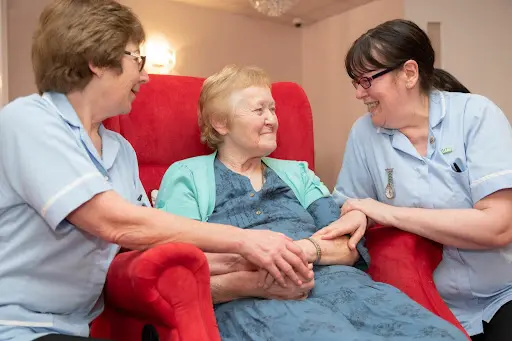
Families describe feeling genuinely welcomed here, with staff across all roles taking time to chat and share updates. The home has created opportunities for couples to spend meaningful time together, and relatives appreciate being included in events and daily moments.
The eight family priority themes
- Staff warmth72
- Compassion & dignity72
- Cleanliness72
- Activities & engagement65
- Food quality60
- Healthcare70
- Management & leadership75
- Resident happiness70
What inspectors found
Inspected 2022-03-11
Is this home safe?
Is the care effective?
The home was rated Good for effectiveness at the February 2022 inspection. The home is registered to provide nursing care and is listed as specialising in dementia, physical disabilities, and sensory impairments, which indicates relevant experience is expected. No specific detail was published about care plan content, GP access, medicines management, dementia training, or food quality. Two registered managers are in post, which provides a leadership structure to oversee care quality.Is this home caring?
The home was rated Good for caring at the February 2022 inspection. No specific observational detail about staff interactions, use of preferred names, privacy practices, or responses to distress was included in the published inspection summary. The improvement from Requires Improvement to Good across the whole inspection suggests that the quality of care interactions was judged to have improved. No resident or relative quotes were published.Is the home responsive?
The home was rated Good for responsiveness at the February 2022 inspection. The home supports people with dementia, physical disabilities, and sensory impairments, indicating a need for individualised approaches to activity and daily life. No specific detail about the activity programme, one-to-one engagement, end-of-life planning, or how individual preferences are recorded was included in the published inspection summary. The improvement from Requires Improvement suggests responsiveness to individual needs was judged to have improved.Is the home well-led?
The home was rated Good for leadership at the February 2022 inspection, having previously been rated Requires Improvement. Two registered managers are named (Mrs Tracey Jane Burke and Mr Paul Andrew O'Grady), alongside a nominated individual (Ms Lyndsey Miller). This formal structure suggests governance responsibilities are clearly assigned. A monitoring review in July 2023 found no evidence requiring a change to the Good rating, which indicates the leadership has maintained standards since the inspection. No specific detail about management visibility, staff culture, or governance processes was published.
Source: CQC inspection report →
What the evidence base says
The home provides care for residents over 65 with physical disabilities and sensory impairments. Staff have received specific training in dementia care approaches. The team at The Heathers has invested in dementia-specific training for their staff. This specialised knowledge helps them support residents living with dementia through their daily routines. All areas worth probing directly during a visit.
The DCC Verdict
Our editorial view, built from the three lenses: what families tell us, what inspectors record, and how the home sits against good dementia-care practice.
DCC Family Score
The Heathers Nursing Home improved from Requires Improvement to Good across all five inspection domains, which is a meaningful positive trend. However, the published inspection text contains limited specific detail on individual themes, so several scores reflect a confirmed Good rating rather than rich observational evidence.
Homes in West Midlands typically score 68–82.The three-lens summary
What families tell us
Families describe feeling genuinely welcomed here, with staff across all roles taking time to chat and share updates. The home has created opportunities for couples to spend meaningful time together, and relatives appreciate being included in events and daily moments.
What inspectors have recorded
How it sits against good practice
While the home excels in creating a clean, family-friendly environment, visitors may want to ask about current staffing levels and daily activity schedules when considering care options.
Worth a visit
The Heathers Nursing Home, on Gorsemoor Road in Cannock, was rated Good at its most recent inspection in February 2022, with Good awarded across all five domains: Safe, Effective, Caring, Responsive, and Well-led. This is a meaningful improvement from its previous Requires Improvement rating, and a monitoring review in July 2023 found no reason to change that rating. The home cares for up to 47 people, including those living with dementia, physical disabilities, and sensory impairments, and has a formal management structure with two registered managers in post. The main limitation of this report is that the published inspection text is brief and contains very little specific observational detail about daily life, staffing, food, activities, or the experience of people with dementia. A Good rating confirms a baseline standard has been met, but it does not tell you whether this home is the right fit for your parent. Before you decide, visit during the afternoon (not a scheduled show-around), ask to see last week's actual staffing rota including night shifts, and watch how staff interact with residents in shared spaces. The checklist above identifies 20 areas where specific evidence is not yet publicly available and where you should ask the home directly.
The three questions to ask when you visitSave this home. Compare it against your shortlist.
Let our analysis show you how The Heathers Nursing Home measures up against the other homes you’re considering. Free account.
In Their Own Words
How The Heathers Nursing Home describes itself — collected from its own website. DCC has not edited or independently verified the content in this tab.
Clean, welcoming home where families feel part of daily life
The Heathers Nursing Home – Your Trusted nursing home
The Heathers Nursing Home in Cannock creates a spotless, well-maintained environment where families find themselves welcomed into the rhythm of care. This West Midlands home has built its approach around keeping families connected, with staff who greet visitors warmly and work to include them in their loved one's daily experience.
Who they care for
The home provides care for residents over 65 with physical disabilities and sensory impairments. Staff have received specific training in dementia care approaches.
The team at The Heathers has invested in dementia-specific training for their staff. This specialised knowledge helps them support residents living with dementia through their daily routines.
“While the home excels in creating a clean, family-friendly environment, visitors may want to ask about current staffing levels and daily activity schedules when considering care options.”
DCC does not edit or curate content in this tab. For independently curated information, see The Evidence and DCC Verdict.
The DCC Verdict
Our editorial view, built from the three lenses: what families tell us, what inspectors record, and how the home sits against good dementia-care practice.
DCC Family Score
The Heathers Nursing Home improved from Requires Improvement to Good across all five inspection domains, which is a meaningful positive trend. However, the published inspection text contains limited specific detail on individual themes, so several scores reflect a confirmed Good rating rather than rich observational evidence.
Homes in West Midlands typically score 68–82.The three-lens summary
What families tell us
Families describe feeling genuinely welcomed here, with staff across all roles taking time to chat and share updates. The home has created opportunities for couples to spend meaningful time together, and relatives appreciate being included in events and daily moments.
What inspectors have recorded
How it sits against good practice
While the home excels in creating a clean, family-friendly environment, visitors may want to ask about current staffing levels and daily activity schedules when considering care options.
Worth a visit
The Heathers Nursing Home, on Gorsemoor Road in Cannock, was rated Good at its most recent inspection in February 2022, with Good awarded across all five domains: Safe, Effective, Caring, Responsive, and Well-led. This is a meaningful improvement from its previous Requires Improvement rating, and a monitoring review in July 2023 found no reason to change that rating. The home cares for up to 47 people, including those living with dementia, physical disabilities, and sensory impairments, and has a formal management structure with two registered managers in post. The main limitation of this report is that the published inspection text is brief and contains very little specific observational detail about daily life, staffing, food, activities, or the experience of people with dementia. A Good rating confirms a baseline standard has been met, but it does not tell you whether this home is the right fit for your parent. Before you decide, visit during the afternoon (not a scheduled show-around), ask to see last week's actual staffing rota including night shifts, and watch how staff interact with residents in shared spaces. The checklist above identifies 20 areas where specific evidence is not yet publicly available and where you should ask the home directly.
The three questions to ask when you visitSave this home. Compare it against your shortlist.
Let our analysis show you how The Heathers Nursing Home measures up against the other homes you’re considering. Free account.
In Their Own Words
How The Heathers Nursing Home describes itself — collected from its own website. DCC has not edited or independently verified the content in this tab.
Clean, welcoming home where families feel part of daily life
The Heathers Nursing Home – Your Trusted nursing home
The Heathers Nursing Home in Cannock creates a spotless, well-maintained environment where families find themselves welcomed into the rhythm of care. This West Midlands home has built its approach around keeping families connected, with staff who greet visitors warmly and work to include them in their loved one's daily experience.
Who they care for
The home provides care for residents over 65 with physical disabilities and sensory impairments. Staff have received specific training in dementia care approaches.
The team at The Heathers has invested in dementia-specific training for their staff. This specialised knowledge helps them support residents living with dementia through their daily routines.
The home & environment
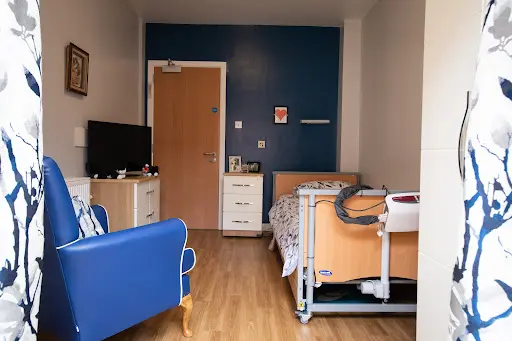
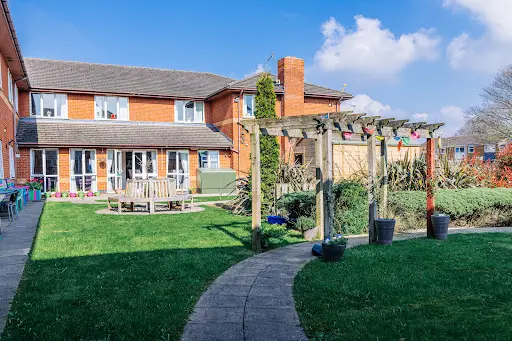
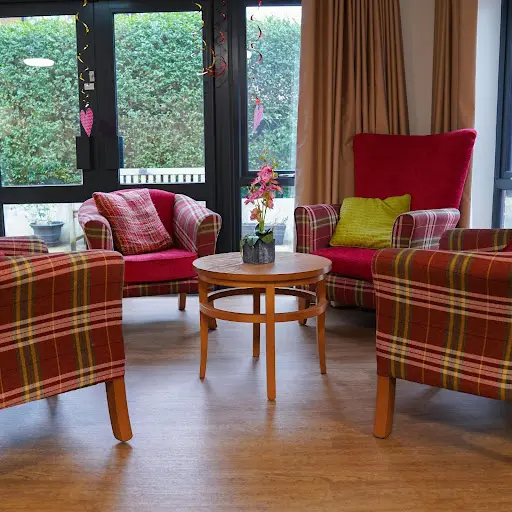
The home maintains exceptionally clean facilities throughout, with well-kept rooms and properly functioning equipment. The physical environment receives consistent praise from visitors who notice the attention to cleanliness and maintenance standards.
“While the home excels in creating a clean, family-friendly environment, visitors may want to ask about current staffing levels and daily activity schedules when considering care options.”
DCC does not edit or curate content in this tab. For independently curated information, see The Evidence and DCC Verdict.