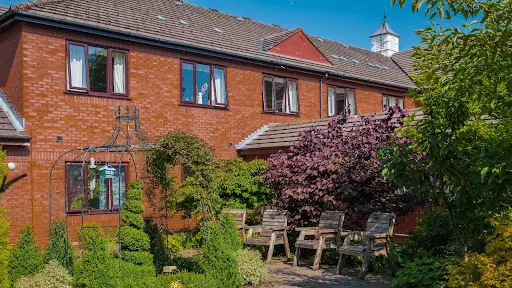
Nazareth House Manchester
At a Glance
The information you need to decide whether this home warrants a closer look.
Nursing homes
Staff warmth score
of reviewers answered yes
Good to know
- Registered beds66
- SpecialismsCaring for adults over 65 yrs, Caring for adults under 65 yrs, Dementia
- Last inspected2023-03-07
Save Nazareth House Manchester to your shortlist
Keep a running list, add visit notes, and compare homes side-by-side. Free account — it takes a minute.
STAGE 4 — RESEARCHING CARE HOMES
Visit homes. Compare them side by side. Choose with confidence.
Most of us will view care homes the way we view houses, impression, atmosphere, the feeling in the corridor. We go home, try to remember what we saw, and make a permanent decision from a blurred memory.

The DCC shortlist gives every home you visit a structured record: the same twelve questions, answered the same way, every time. When you’re ready to choose, pull any two homes side by side and compare them directly. Same criteria, same evidence, your notes and your scores.
The Evidence
What the review data, the inspection reports, and the dementia-care evidence base tell us about this home.
What families say
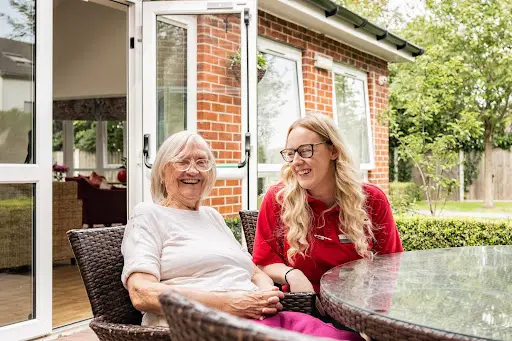
Families talk about the calm, relaxed feeling they get when visiting. There's a genuine warmth to how staff interact with residents, and visitors often comment on the friendly reception they receive. The atmosphere throughout the home feels welcoming rather than clinical.
The eight family priority themes
- Staff warmth72
- Compassion & dignity72
- Cleanliness70
- Activities & engagement65
- Food quality60
- Healthcare70
- Management & leadership78
- Resident happiness70
What inspectors found
Inspected 2023-03-07
Is this home safe?
Is the care effective?
The Effective domain was rated Good at the February 2023 inspection. The home is registered to provide nursing care, which means clinical oversight and health monitoring form part of its core offer alongside personal care. The published summary does not include specific detail on care plan quality, GP access arrangements, dementia training content, or nutrition and hydration findings. No concerns were flagged under this domain in the available text. Given that the home's previous overall rating was Inadequate, the improvement to Good in Effectiveness suggests training and care planning standards were reviewed and improved.Is this home caring?
The Caring domain was rated Good at the February 2023 inspection. This domain covers staff warmth, dignity, respect, and whether people are supported to maintain independence. The published summary does not include specific inspector observations of staff interactions, resident testimony about how they feel treated, or examples of dignity-preserving practice. No concerns were raised in this area. The Good rating indicates that inspectors were satisfied with the standard of care observed during the visit.Is the home responsive?
The Responsive domain was rated Good at the February 2023 inspection. This domain covers whether the home tailors its care to individual needs, provides meaningful activities, supports people's independence, and responds well to complaints. The home lists dementia as a specialism, which sets an expectation for individualised, cognitively appropriate engagement. The published summary does not include specific detail on the activity programme, whether one-to-one engagement is provided for people with advanced dementia, or how the home responds to individual preferences and requests. No concerns were flagged in this domain.Is the home well-led?
The Well-led domain was rated Good at the February 2023 inspection, and the home's overall rating improved from Inadequate to Good. The home has a named registered manager (Ms Nichola Dawn Lindsay) and a nominated individual (Mrs Rita Asamoah), indicating a defined accountability structure. The published summary does not describe the manager's tenure, the culture within the staff team, whether staff feel able to raise concerns, or how governance processes work in practice. The improvement from Inadequate to Good across all domains is itself a meaningful signal that leadership took corrective action and it was effective.
Source: CQC inspection report →
What the evidence base says
The home cares for adults both under and over 65, with specific experience in dementia care. Daily mass and chaplaincy services are available for those who want spiritual support as part of their care. For residents living with dementia, the calm atmosphere and compassionate staff approach helps create a reassuring environment. The home has experience supporting people at different stages of their dementia journey. All areas worth probing directly during a visit.
The DCC Verdict
Our editorial view, built from the three lenses: what families tell us, what inspectors record, and how the home sits against good dementia-care practice.
DCC Family Score
Nazareth House Manchester scores 74 out of 100, reflecting a genuine and encouraging turnaround from a previous Inadequate rating to Good across all five inspection domains. The score is tempered by limited specific detail in the published report, meaning several important areas cannot be independently verified from inspection evidence alone.
Homes in North West typically score 68–82.The three-lens summary
What families tell us
Families talk about the calm, relaxed feeling they get when visiting. There's a genuine warmth to how staff interact with residents, and visitors often comment on the friendly reception they receive. The atmosphere throughout the home feels welcoming rather than clinical.
What inspectors have recorded
Staff here show real compassion in their daily work. Families describe seeing calm, attentive care being delivered, with staff responding well to residents' needs. There's consistent feedback about staff genuinely caring about the people they look after, though families with bed-bound relatives note that one-to-one companionship can be limited despite staff doing their best.
How it sits against good practice
If faith-based care matters to your family, this could be worth exploring further.
Worth a visit
Nazareth House Manchester, on Scholes Lane in Prestwich, was rated Good at its most recent inspection in February 2023, with Good ratings across all five domains: Safe, Effective, Caring, Responsive, and Well-led. This is a significant improvement from a previous Inadequate rating, which tells you that someone took the problems seriously and did the work to put them right. The home is registered to provide nursing care as well as personal care, and lists dementia as a specialism alongside caring for both older and younger adults, making it a nursing home rather than a residential-only setting. The main limitation here is that the published inspection summary contains very little specific detail: no quoted observations from inspectors, no resident or relative testimony, and no figures on staffing ratios, activity provision, or food. A Good rating is meaningful and should not be dismissed, but it tells you the threshold was met, not how comfortably it was met. On a visit, ask to see last week's actual staffing rota (not a template), ask what the night staffing ratio is for the dementia unit, and ask how the home has changed since the previous Inadequate rating. Those conversations will tell you more than any summary can.
The three questions to ask when you visitSave this home. Compare it against your shortlist.
Let our analysis show you how Nazareth House Manchester measures up against the other homes you’re considering. Free account.
In Their Own Words
How Nazareth House Manchester describes itself — collected from its own website. DCC has not edited or independently verified the content in this tab.
Where genuine compassion meets daily spiritual comfort in Manchester
Nursing home in Manchester: True Peace of Mind
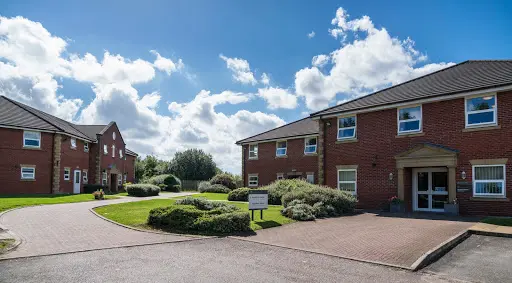
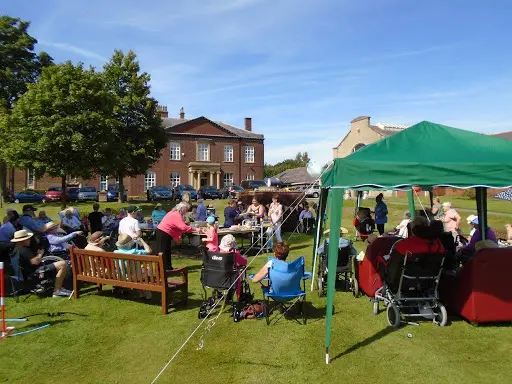
When you're looking for somewhere that combines heartfelt care with faith-based support, Nazareth House in Manchester offers both. This established home welcomes people who need different levels of support, including those living with dementia. Set in pleasant grounds with spacious communal areas, it's a place where spiritual care sits alongside practical daily support.
Who they care for
The home cares for adults both under and over 65, with specific experience in dementia care. Daily mass and chaplaincy services are available for those who want spiritual support as part of their care.
For residents living with dementia, the calm atmosphere and compassionate staff approach helps create a reassuring environment. The home has experience supporting people at different stages of their dementia journey.
“If faith-based care matters to your family, this could be worth exploring further.”
DCC does not edit or curate content in this tab. For independently curated information, see The Evidence and DCC Verdict.
The DCC Verdict
Our editorial view, built from the three lenses: what families tell us, what inspectors record, and how the home sits against good dementia-care practice.
DCC Family Score
Nazareth House Manchester scores 74 out of 100, reflecting a genuine and encouraging turnaround from a previous Inadequate rating to Good across all five inspection domains. The score is tempered by limited specific detail in the published report, meaning several important areas cannot be independently verified from inspection evidence alone.
Homes in North West typically score 68–82.The three-lens summary
What families tell us
Families talk about the calm, relaxed feeling they get when visiting. There's a genuine warmth to how staff interact with residents, and visitors often comment on the friendly reception they receive. The atmosphere throughout the home feels welcoming rather than clinical.
What inspectors have recorded
Staff here show real compassion in their daily work. Families describe seeing calm, attentive care being delivered, with staff responding well to residents' needs. There's consistent feedback about staff genuinely caring about the people they look after, though families with bed-bound relatives note that one-to-one companionship can be limited despite staff doing their best.
How it sits against good practice
If faith-based care matters to your family, this could be worth exploring further.
Worth a visit
Nazareth House Manchester, on Scholes Lane in Prestwich, was rated Good at its most recent inspection in February 2023, with Good ratings across all five domains: Safe, Effective, Caring, Responsive, and Well-led. This is a significant improvement from a previous Inadequate rating, which tells you that someone took the problems seriously and did the work to put them right. The home is registered to provide nursing care as well as personal care, and lists dementia as a specialism alongside caring for both older and younger adults, making it a nursing home rather than a residential-only setting. The main limitation here is that the published inspection summary contains very little specific detail: no quoted observations from inspectors, no resident or relative testimony, and no figures on staffing ratios, activity provision, or food. A Good rating is meaningful and should not be dismissed, but it tells you the threshold was met, not how comfortably it was met. On a visit, ask to see last week's actual staffing rota (not a template), ask what the night staffing ratio is for the dementia unit, and ask how the home has changed since the previous Inadequate rating. Those conversations will tell you more than any summary can.
The three questions to ask when you visitSave this home. Compare it against your shortlist.
Let our analysis show you how Nazareth House Manchester measures up against the other homes you’re considering. Free account.
In Their Own Words
How Nazareth House Manchester describes itself — collected from its own website. DCC has not edited or independently verified the content in this tab.
Where genuine compassion meets daily spiritual comfort in Manchester
Nursing home in Manchester: True Peace of Mind
When you're looking for somewhere that combines heartfelt care with faith-based support, Nazareth House in Manchester offers both. This established home welcomes people who need different levels of support, including those living with dementia. Set in pleasant grounds with spacious communal areas, it's a place where spiritual care sits alongside practical daily support.
Who they care for
The home cares for adults both under and over 65, with specific experience in dementia care. Daily mass and chaplaincy services are available for those who want spiritual support as part of their care.
For residents living with dementia, the calm atmosphere and compassionate staff approach helps create a reassuring environment. The home has experience supporting people at different stages of their dementia journey.
Management & ethos
Staff here show real compassion in their daily work. Families describe seeing calm, attentive care being delivered, with staff responding well to residents' needs. There's consistent feedback about staff genuinely caring about the people they look after, though families with bed-bound relatives note that one-to-one companionship can be limited despite staff doing their best.
The home & environment
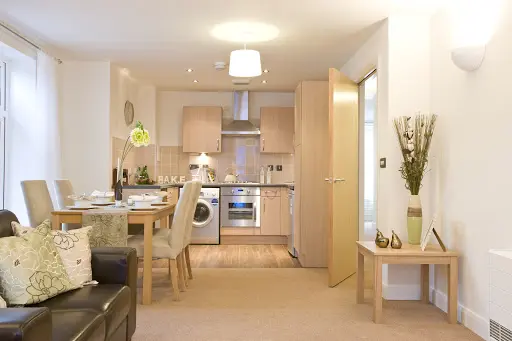
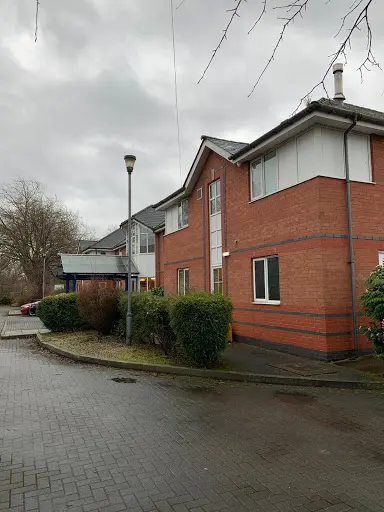
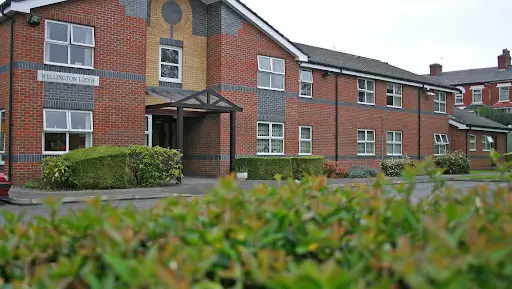
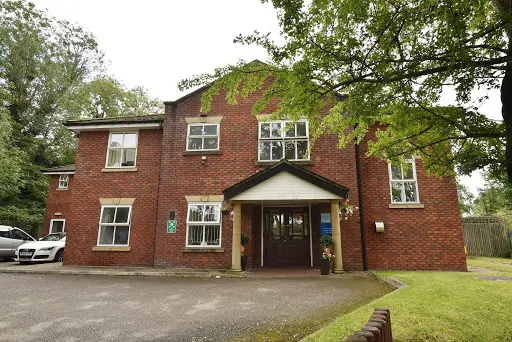
The home has well-maintained communal spaces that give residents room to move around comfortably. Outside, there are pleasant grounds for those who enjoy spending time outdoors. The physical environment feels spacious and cared for.
“If faith-based care matters to your family, this could be worth exploring further.”
DCC does not edit or curate content in this tab. For independently curated information, see The Evidence and DCC Verdict.