Willow Park Care Home
At a Glance
The information you need to decide whether this home warrants a closer look.
Nursing homes
Staff warmth score
of reviewers answered yes
Good to know
- Registered beds64
- SpecialismsCaring for adults over 65 yrs, Caring for adults under 65 yrs, Dementia, Mental health conditions, Physical disabilities, Sensory impairment
- Last inspected2022-11-09
Save Willow Park Care Home to your shortlist
Keep a running list, add visit notes, and compare homes side-by-side. Free account — it takes a minute.
STAGE 4 — RESEARCHING CARE HOMES
Visit homes. Compare them side by side. Choose with confidence.
Most of us will view care homes the way we view houses, impression, atmosphere, the feeling in the corridor. We go home, try to remember what we saw, and make a permanent decision from a blurred memory.

The DCC shortlist gives every home you visit a structured record: the same twelve questions, answered the same way, every time. When you’re ready to choose, pull any two homes side by side and compare them directly. Same criteria, same evidence, your notes and your scores.
The Evidence
What the review data, the inspection reports, and the dementia-care evidence base tell us about this home.
What families say
Families who've had relatives at the home for extended periods often describe the care staff as professional and friendly. The dementia unit team in particular receives praise for their responsive approach to residents' needs. People notice how staff maintain their composure and cheerfulness even during challenging times.
The eight family priority themes
- Staff warmth55
- Compassion & dignity55
- Cleanliness55
- Activities & engagement50
- Food quality50
- Healthcare55
- Management & leadership60
- Resident happiness55
What inspectors found
Inspected 2022-11-09
Is this home safe?
Is the care effective?
The Effective domain was rated Good at the October 2022 inspection. This domain covers care planning, dementia training, healthcare access, nutrition, and hydration. No specific detail about care plan content, GP access arrangements, or dementia training hours is recorded in the published findings. The home provides both nursing and personal care, which means medication management and health monitoring are central to daily practice. A review in July 2023 found no evidence that the rating needed revision.Is this home caring?
The Caring domain was rated Good at the October 2022 inspection. This domain covers staff warmth, dignity and respect, privacy, and whether residents are supported to remain as independent as possible. No direct inspector observations, resident quotes, or relative feedback are recorded in the available published text for this domain. For a home specialising in dementia and mental health conditions, the quality of everyday human interaction is especially significant. The rating alone cannot convey whether staff interactions feel warm and unhurried.Is the home responsive?
The Responsive domain was rated Good at the October 2022 inspection. This domain covers activities and engagement, whether the home responds to individual preferences, and end-of-life planning. No activity schedules, individual engagement examples, or end-of-life care details are recorded in the available published text. The home supports people with a wide range of needs including dementia, mental health conditions, and physical and sensory impairments, which makes the range and adaptability of activities particularly important. The July 2023 review found no evidence requiring a rating change.Is the home well-led?
The Well-led domain was rated Good at the October 2022 inspection. A registered manager, Mrs Victoria Louise Darlow, and a nominated individual, Mr Alan Goldstein, are named and in post, which indicates the home has identifiable leadership accountability. No detail about management visibility, staff culture, governance systems, or family communication processes is recorded in the available published text. Leadership stability is one of the strongest predictors of sustained care quality, so understanding how long the current manager has been in post is important. The July 2023 review found no evidence requiring a rating change.
Source: CQC inspection report →
What the evidence base says
The home provides specialist support for people living with dementia, mental health conditions, physical disabilities and sensory impairments. They accommodate both younger adults under 65 and older residents. The dementia unit staff receive particular recognition from families for their professional approach and understanding of residents' specific needs. Long-term families often feel their relatives with dementia receive attentive, responsive care from the specialist team. All areas worth probing directly during a visit.
The DCC Verdict
Our editorial view, built from the three lenses: what families tell us, what inspectors record, and how the home sits against good dementia-care practice.
DCC Family Score
Willow Park Care Home holds a Good rating across all five inspection domains, which is a positive foundation. However, the published inspection report contains very limited specific detail, so scores reflect the rating rather than rich observed evidence.
Homes in Yorkshire & Humberside typically score 68–82.The three-lens summary
What families tell us
Families who've had relatives at the home for extended periods often describe the care staff as professional and friendly. The dementia unit team in particular receives praise for their responsive approach to residents' needs. People notice how staff maintain their composure and cheerfulness even during challenging times.
What inspectors have recorded
Communication experiences vary considerably at Willow Park. While some families report receiving prompt updates when situations arise, others describe frustrating encounters with reception and administrative processes. Several people have found booking procedures and initial visits particularly challenging, with some experiencing difficulties arranging assessments or admissions despite confirmed appointments.
How it sits against good practice
If you're considering Willow Park, it may help to speak directly with families who currently have relatives there to understand their experiences.
Worth a visit
Willow Park Care Home, on Baghill Lane in Pontefract, was rated Good across all five inspection domains following an inspection on 12 October 2022. A subsequent review of available data in July 2023 found no reason to change that rating. The home is registered to provide nursing care for up to 64 people, including those living with dementia, mental health conditions, physical disabilities, and sensory impairment. A registered manager and nominated individual are named, which is a positive sign of organisational accountability. The main uncertainty here is that the published inspection report contains very little specific observed detail: no direct quotes from residents or relatives, no named staff interactions, and no concrete examples of activities, food quality, or night staffing arrangements. A Good rating is meaningful, but it tells you the minimum threshold was met, not how far above it the home sits. Before making a decision, visit during a mealtime to judge food quality and atmosphere, ask for last week's actual staffing rota (not the template), and find out how many permanent staff work the dementia unit on nights. These three things will tell you more than the rating alone.
The three questions to ask when you visitSave this home. Compare it against your shortlist.
Let our analysis show you how Willow Park Care Home measures up against the other homes you’re considering. Free account.
In Their Own Words
How Willow Park Care Home describes itself — collected from its own website. DCC has not edited or independently verified the content in this tab.
Where dedicated care teams work hard despite operational challenges
Compassionate Care in Pontefract at Willow Park Care Home
Willow Park Care Home in Pontefract presents a complex picture for families considering care options. The home supports residents with various needs including dementia, mental health conditions, physical disabilities and sensory impairments. While many long-standing families speak warmly of the frontline care their relatives receive, others have encountered difficulties with administrative processes and communication.
Who they care for
The home provides specialist support for people living with dementia, mental health conditions, physical disabilities and sensory impairments. They accommodate both younger adults under 65 and older residents.
The dementia unit staff receive particular recognition from families for their professional approach and understanding of residents' specific needs. Long-term families often feel their relatives with dementia receive attentive, responsive care from the specialist team.
“If you're considering Willow Park, it may help to speak directly with families who currently have relatives there to understand their experiences.”
DCC does not edit or curate content in this tab. For independently curated information, see The Evidence and DCC Verdict.
The DCC Verdict
Our editorial view, built from the three lenses: what families tell us, what inspectors record, and how the home sits against good dementia-care practice.
DCC Family Score
Willow Park Care Home holds a Good rating across all five inspection domains, which is a positive foundation. However, the published inspection report contains very limited specific detail, so scores reflect the rating rather than rich observed evidence.
Homes in Yorkshire & Humberside typically score 68–82.The three-lens summary
What families tell us
Families who've had relatives at the home for extended periods often describe the care staff as professional and friendly. The dementia unit team in particular receives praise for their responsive approach to residents' needs. People notice how staff maintain their composure and cheerfulness even during challenging times.
What inspectors have recorded
Communication experiences vary considerably at Willow Park. While some families report receiving prompt updates when situations arise, others describe frustrating encounters with reception and administrative processes. Several people have found booking procedures and initial visits particularly challenging, with some experiencing difficulties arranging assessments or admissions despite confirmed appointments.
How it sits against good practice
If you're considering Willow Park, it may help to speak directly with families who currently have relatives there to understand their experiences.
Worth a visit
Willow Park Care Home, on Baghill Lane in Pontefract, was rated Good across all five inspection domains following an inspection on 12 October 2022. A subsequent review of available data in July 2023 found no reason to change that rating. The home is registered to provide nursing care for up to 64 people, including those living with dementia, mental health conditions, physical disabilities, and sensory impairment. A registered manager and nominated individual are named, which is a positive sign of organisational accountability. The main uncertainty here is that the published inspection report contains very little specific observed detail: no direct quotes from residents or relatives, no named staff interactions, and no concrete examples of activities, food quality, or night staffing arrangements. A Good rating is meaningful, but it tells you the minimum threshold was met, not how far above it the home sits. Before making a decision, visit during a mealtime to judge food quality and atmosphere, ask for last week's actual staffing rota (not the template), and find out how many permanent staff work the dementia unit on nights. These three things will tell you more than the rating alone.
The three questions to ask when you visitSave this home. Compare it against your shortlist.
Let our analysis show you how Willow Park Care Home measures up against the other homes you’re considering. Free account.
In Their Own Words
How Willow Park Care Home describes itself — collected from its own website. DCC has not edited or independently verified the content in this tab.
Where dedicated care teams work hard despite operational challenges
Compassionate Care in Pontefract at Willow Park Care Home
Willow Park Care Home in Pontefract presents a complex picture for families considering care options. The home supports residents with various needs including dementia, mental health conditions, physical disabilities and sensory impairments. While many long-standing families speak warmly of the frontline care their relatives receive, others have encountered difficulties with administrative processes and communication.
Who they care for
The home provides specialist support for people living with dementia, mental health conditions, physical disabilities and sensory impairments. They accommodate both younger adults under 65 and older residents.
The dementia unit staff receive particular recognition from families for their professional approach and understanding of residents' specific needs. Long-term families often feel their relatives with dementia receive attentive, responsive care from the specialist team.
Management & ethos
Communication experiences vary considerably at Willow Park. While some families report receiving prompt updates when situations arise, others describe frustrating encounters with reception and administrative processes. Several people have found booking procedures and initial visits particularly challenging, with some experiencing difficulties arranging assessments or admissions despite confirmed appointments.
The home & environment
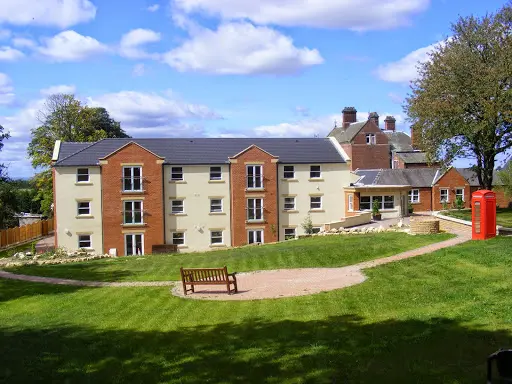
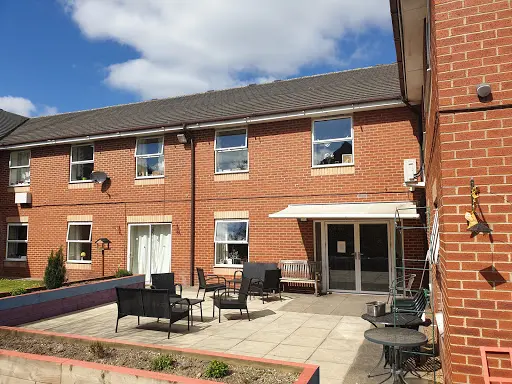
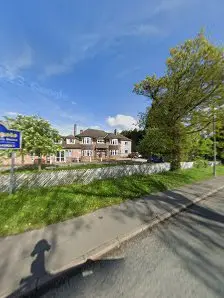
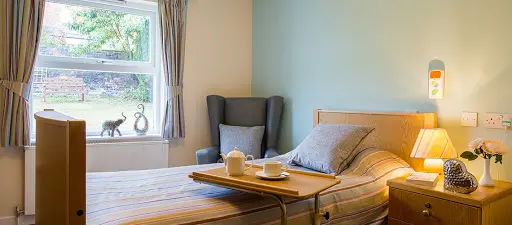
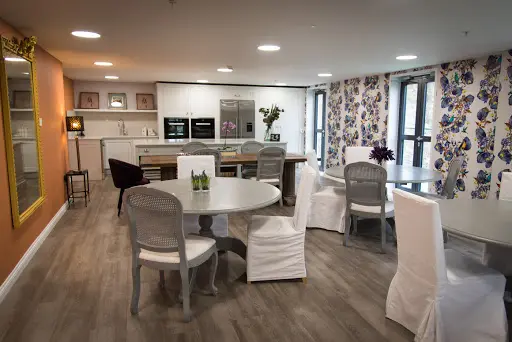
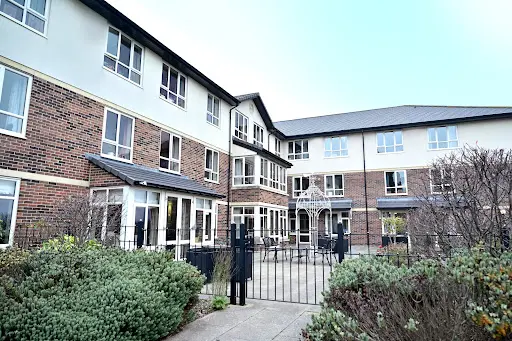
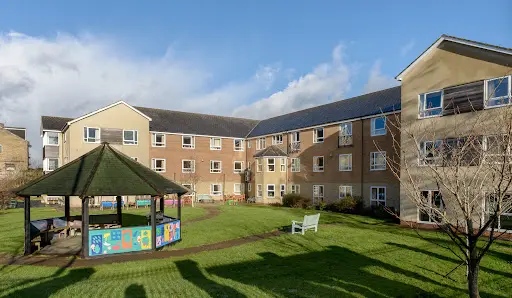
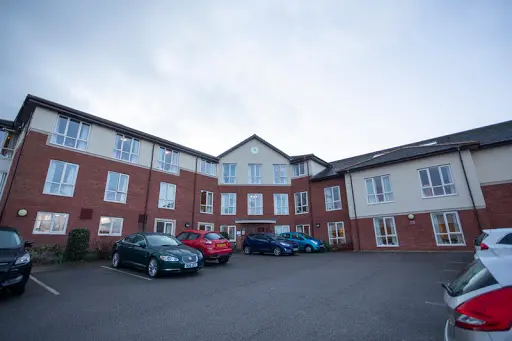
The home maintains clean surroundings that visitors find physically pleasant. However, some families have raised concerns about maintenance standards in individual rooms and the upkeep of personal items.
“If you're considering Willow Park, it may help to speak directly with families who currently have relatives there to understand their experiences.”
DCC does not edit or curate content in this tab. For independently curated information, see The Evidence and DCC Verdict.