Cavendish Park Care Home
At a Glance
The information you need to decide whether this home warrants a closer look.
Nursing homes
Staff warmth score
of reviewers answered yes
Good to know
- Registered beds67
- SpecialismsCaring for adults over 65 yrs, Caring for adults under 65 yrs, Dementia
- Last inspected2021-04-22
Save Cavendish Park Care Home to your shortlist
Keep a running list, add visit notes, and compare homes side-by-side. Free account — it takes a minute.
STAGE 4 — RESEARCHING CARE HOMES
Visit homes. Compare them side by side. Choose with confidence.
Most of us will view care homes the way we view houses, impression, atmosphere, the feeling in the corridor. We go home, try to remember what we saw, and make a permanent decision from a blurred memory.

The DCC shortlist gives every home you visit a structured record: the same twelve questions, answered the same way, every time. When you’re ready to choose, pull any two homes side by side and compare them directly. Same criteria, same evidence, your notes and your scores.
The Evidence
What the review data, the inspection reports, and the dementia-care evidence base tell us about this home.
What families say
Visitors regularly comment on how welcoming the atmosphere feels from the moment they arrive. The staff's friendly approach seems to put both residents and their families at ease. There's a real sense of community here, with regular events bringing together residents, families and locals.
The eight family priority themes
- Staff warmth75
- Compassion & dignity75
- Cleanliness72
- Activities & engagement65
- Food quality60
- Healthcare70
- Management & leadership45
- Resident happiness70
What inspectors found
Inspected 2021-04-22
Is this home safe?
Is the care effective?
The effective domain was rated Good at the January 2021 inspection. This domain covers whether care plans are detailed and kept up to date, whether staff have appropriate training, whether residents have access to GPs and other health professionals, and whether food and nutrition are well managed. The published summary does not include specific examples of any of these. The inspection is over four years old, and the desk review in July 2023 did not generate a new inspection.Is this home caring?
The caring domain was rated Good at the January 2021 inspection. This domain covers whether staff treat people with warmth and respect, whether privacy and dignity are upheld, and whether residents are supported to maintain independence. The published summary does not include specific inspector observations, resident quotes, or relative feedback. A Good rating in this domain is the one most directly relevant to the day-to-day experience your parent would have.Is the home responsive?
The responsive domain was rated Good at the January 2021 inspection. This domain covers whether the home offers activities and social engagement tailored to individuals, whether it responds to complaints, and whether end-of-life care is well planned. The published summary does not include specific examples of the activity programme, how individual interests are recorded, or how the home supports people who can no longer join group activities. The home supports people with dementia, for whom individual and meaningful engagement is particularly important.Is the home well-led?
The well-led domain was rated Requires Improvement at the January 2021 inspection. This is the only domain where the home fell below a Good rating, and it is the one that most directly affects whether the quality you see on a visit is consistent every day. The home has a named registered manager (Mrs Melanie Anne Hoskins) and a nominated individual (Mrs Sarah Jennings). The published summary does not describe what specific failures led to the Requires Improvement rating, making it difficult to assess how serious or how resolved those issues are. A desk-based review in July 2023 did not prompt a re-inspection, but neither did it clear the rating.
Source: CQC inspection report →
What the evidence base says
Cavendish Park provides care for adults both under and over 65, including those living with dementia. For residents with dementia, the calm atmosphere and consistent routines seem to work well. The team understands the importance of maintaining dignity while providing specialized support. All areas worth probing directly during a visit.
The DCC Verdict
Our editorial view, built from the three lenses: what families tell us, what inspectors record, and how the home sits against good dementia-care practice.
DCC Family Score
Cavendish Park scores well across the care and safety domains, reflecting a Good rating in four out of five areas. The score is held back by a Requires Improvement in well-led, and by the absence of specific inspection detail across most themes, meaning many areas could not be scored with confidence.
Homes in West Midlands typically score 68–82.The three-lens summary
What families tell us
Visitors regularly comment on how welcoming the atmosphere feels from the moment they arrive. The staff's friendly approach seems to put both residents and their families at ease. There's a real sense of community here, with regular events bringing together residents, families and locals.
What inspectors have recorded
The team here strikes a balance between professionalism and genuine care. Staff members treat residents with real dignity, taking time to connect rather than just rushing through tasks. Several families have noticed how compassionate the approach feels.
How it sits against good practice
It's worth visiting to get a feel for whether this blend of community spirit and professional care suits your family's needs.
Worth a visit
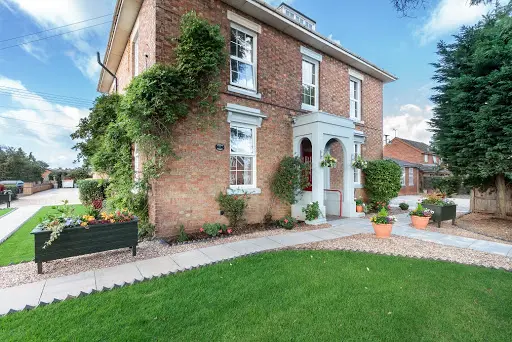
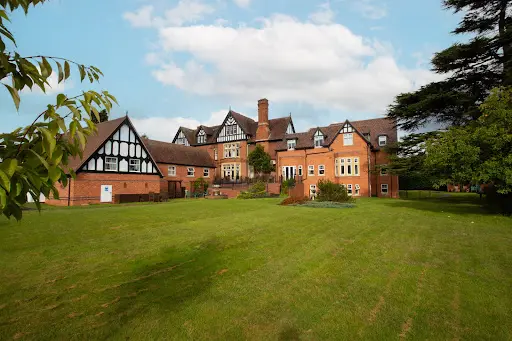
Cavendish Park, on Offenham Road in Evesham, was rated Good overall at its last inspection in January 2021, with Good ratings across safe, effective, caring, and responsive. The home provides nursing care for up to 67 people, including those living with dementia, and is run by Majesticare Cavendish Limited. A Requires Improvement rating in well-led is the one significant finding that families need to understand before making a decision. The main uncertainty here is the age of the evidence. The inspection took place in January 2021, over four years ago, and the published summary contains very little specific detail about what inspectors actually observed. A desk-based review in July 2023 found no reason to change the ratings, but that is not the same as a fresh inspection. Before visiting, prepare questions around the well-led concern specifically: ask who is currently in charge, how long the manager has been in post, and what has changed since the 2021 inspection identified leadership as an area needing improvement. On the visit itself, watch how staff interact with residents in corridors and communal spaces, where the culture of a home tends to show itself most honestly.
The three questions to ask when you visitSave this home. Compare it against your shortlist.
Let our analysis show you how Cavendish Park Care Home measures up against the other homes you’re considering. Free account.
In Their Own Words
How Cavendish Park Care Home describes itself — collected from its own website. DCC has not edited or independently verified the content in this tab.
Where compassion meets community in Evesham's countryside
Cavendish Park – Your Trusted nursing home
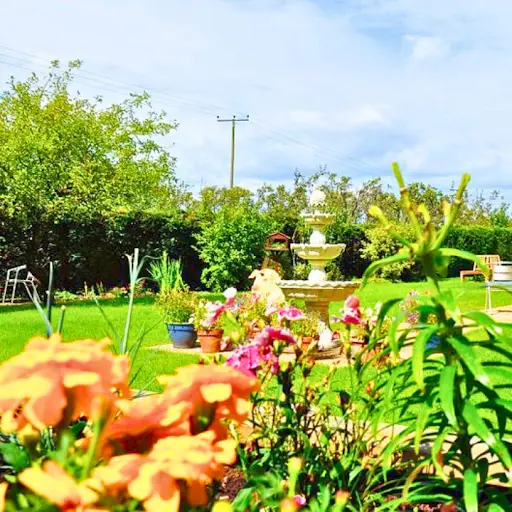
Families visiting Cavendish Park in Evesham often mention the sense of calm that greets them at the door. This care home sits in a peaceful spot where residents enjoy a blend of professional care and genuine warmth. The team here has built something that feels both purposeful and relaxed.
Who they care for
Cavendish Park provides care for adults both under and over 65, including those living with dementia.
For residents with dementia, the calm atmosphere and consistent routines seem to work well. The team understands the importance of maintaining dignity while providing specialized support.
“It's worth visiting to get a feel for whether this blend of community spirit and professional care suits your family's needs.”
DCC does not edit or curate content in this tab. For independently curated information, see The Evidence and DCC Verdict.
The DCC Verdict
Our editorial view, built from the three lenses: what families tell us, what inspectors record, and how the home sits against good dementia-care practice.
DCC Family Score
Cavendish Park scores well across the care and safety domains, reflecting a Good rating in four out of five areas. The score is held back by a Requires Improvement in well-led, and by the absence of specific inspection detail across most themes, meaning many areas could not be scored with confidence.
Homes in West Midlands typically score 68–82.The three-lens summary
What families tell us
Visitors regularly comment on how welcoming the atmosphere feels from the moment they arrive. The staff's friendly approach seems to put both residents and their families at ease. There's a real sense of community here, with regular events bringing together residents, families and locals.
What inspectors have recorded
The team here strikes a balance between professionalism and genuine care. Staff members treat residents with real dignity, taking time to connect rather than just rushing through tasks. Several families have noticed how compassionate the approach feels.
How it sits against good practice
It's worth visiting to get a feel for whether this blend of community spirit and professional care suits your family's needs.
Worth a visit
Cavendish Park, on Offenham Road in Evesham, was rated Good overall at its last inspection in January 2021, with Good ratings across safe, effective, caring, and responsive. The home provides nursing care for up to 67 people, including those living with dementia, and is run by Majesticare Cavendish Limited. A Requires Improvement rating in well-led is the one significant finding that families need to understand before making a decision. The main uncertainty here is the age of the evidence. The inspection took place in January 2021, over four years ago, and the published summary contains very little specific detail about what inspectors actually observed. A desk-based review in July 2023 found no reason to change the ratings, but that is not the same as a fresh inspection. Before visiting, prepare questions around the well-led concern specifically: ask who is currently in charge, how long the manager has been in post, and what has changed since the 2021 inspection identified leadership as an area needing improvement. On the visit itself, watch how staff interact with residents in corridors and communal spaces, where the culture of a home tends to show itself most honestly.
The three questions to ask when you visitSave this home. Compare it against your shortlist.
Let our analysis show you how Cavendish Park Care Home measures up against the other homes you’re considering. Free account.
In Their Own Words
How Cavendish Park Care Home describes itself — collected from its own website. DCC has not edited or independently verified the content in this tab.
Where compassion meets community in Evesham's countryside
Cavendish Park – Your Trusted nursing home
Families visiting Cavendish Park in Evesham often mention the sense of calm that greets them at the door. This care home sits in a peaceful spot where residents enjoy a blend of professional care and genuine warmth. The team here has built something that feels both purposeful and relaxed.
Who they care for
Cavendish Park provides care for adults both under and over 65, including those living with dementia.
For residents with dementia, the calm atmosphere and consistent routines seem to work well. The team understands the importance of maintaining dignity while providing specialized support.
Management & ethos
The team here strikes a balance between professionalism and genuine care. Staff members treat residents with real dignity, taking time to connect rather than just rushing through tasks. Several families have noticed how compassionate the approach feels.
The home & environment
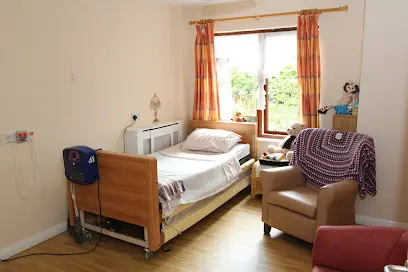
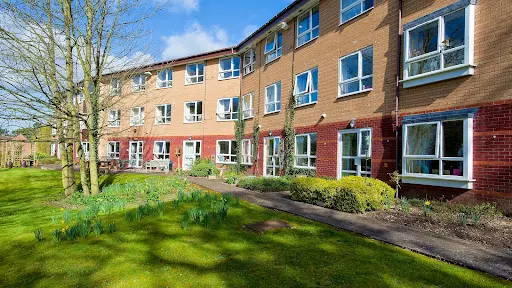
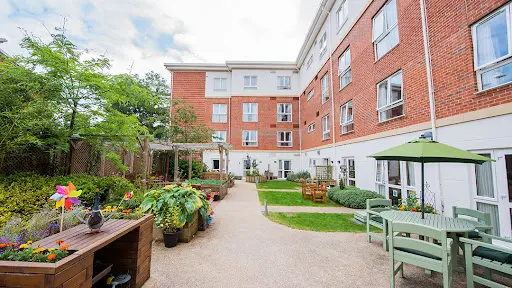
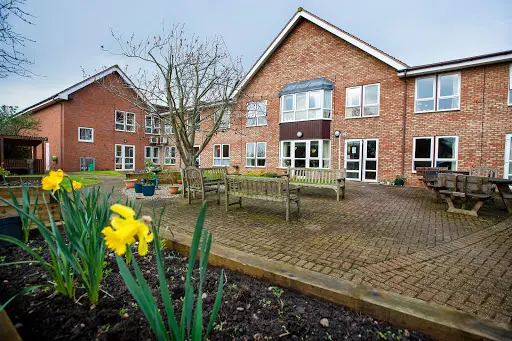
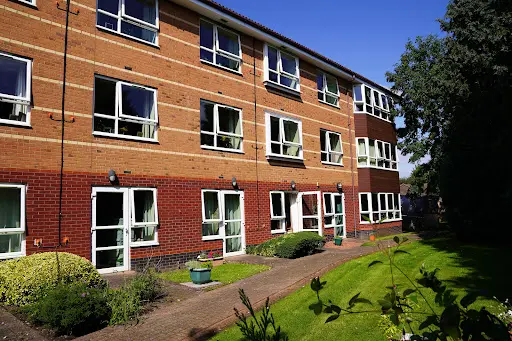
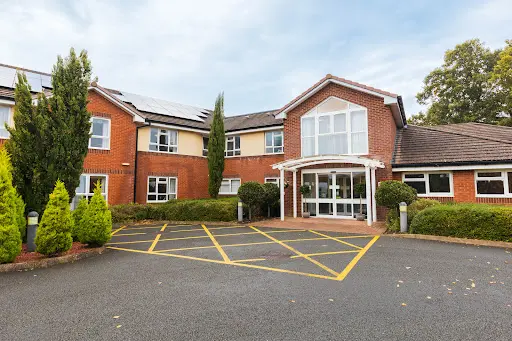
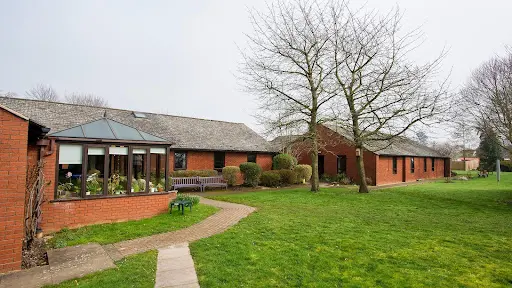
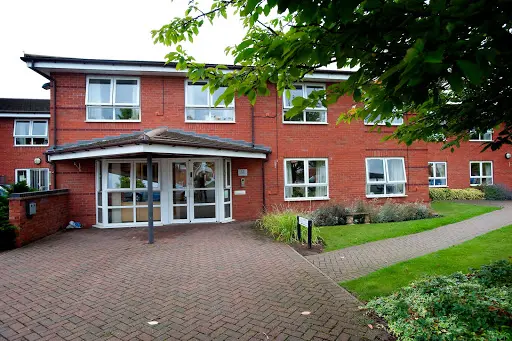
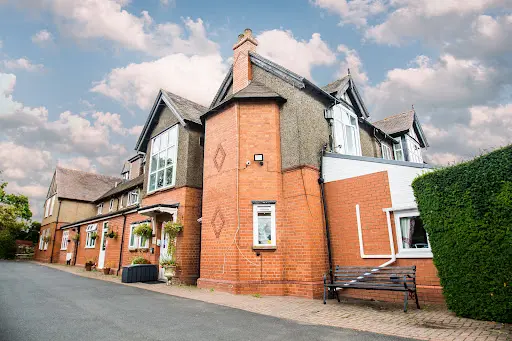
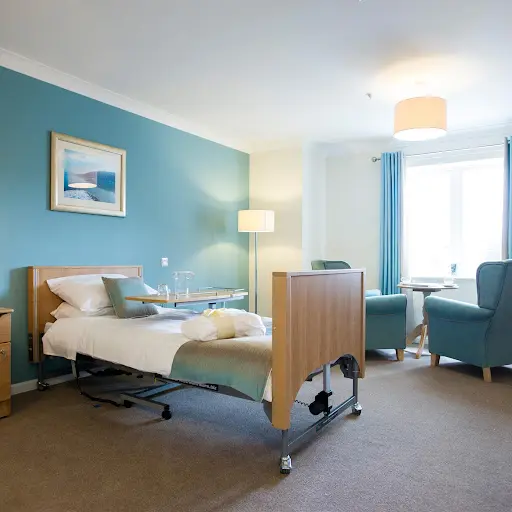
The home keeps everything spotless — something multiple visitors have noticed and appreciated. The food gets positive mentions too, with the kitchen happy to offer refreshments to visiting families. Being a newer building, the spaces feel well-organized and thoughtfully laid out.
“It's worth visiting to get a feel for whether this blend of community spirit and professional care suits your family's needs.”
DCC does not edit or curate content in this tab. For independently curated information, see The Evidence and DCC Verdict.