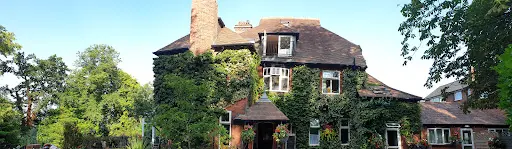
Inglewood Residential Care Home
At a Glance
The information you need to decide whether this home warrants a closer look.
Residential homes
Staff warmth score
of reviewers answered yes
Good to know
- Registered beds22
- SpecialismsCaring for adults over 65 yrs, Dementia
- Last inspected2019-08-14
Save Inglewood Residential Care Home to your shortlist
Keep a running list, add visit notes, and compare homes side-by-side. Free account — it takes a minute.
STAGE 4 — RESEARCHING CARE HOMES
Visit homes. Compare them side by side. Choose with confidence.
Most of us will view care homes the way we view houses, impression, atmosphere, the feeling in the corridor. We go home, try to remember what we saw, and make a permanent decision from a blurred memory.

The DCC shortlist gives every home you visit a structured record: the same twelve questions, answered the same way, every time. When you’re ready to choose, pull any two homes side by side and compare them directly. Same criteria, same evidence, your notes and your scores.
The Evidence
What the review data, the inspection reports, and the dementia-care evidence base tell us about this home.
What families say
Families describe a real transformation in their loved ones after moving to Inglewood. People who'd lost their spark seem to find it again here, with many relatives noticing improved appetites and renewed energy. The variety of activities — from singing sessions to Zumba and gentle exercise — means there's something for everyone to enjoy, regardless of their abilities.
The eight family priority themes
- Staff warmth55
- Compassion & dignity55
- Cleanliness55
- Activities & engagement50
- Food quality50
- Healthcare50
- Management & leadership60
- Resident happiness55
What inspectors found
Inspected 2019-08-14
Is this home safe?
Is the care effective?
The home was rated Good for effectiveness at its last inspection. The published text does not include specific detail about care plan quality, dementia training content, GP access arrangements, or how food quality and dietary needs are managed. The home lists dementia as a specialism, which implies some structured approach to dementia-specific care, but the inspection text does not describe what that looks like in practice.Is this home caring?
The home was rated Good for caring at its last inspection. The published text does not include inspector observations of staff interactions, quotes from residents or relatives about how care feels, or specific examples of dignity and respect in practice. A Good rating in the caring domain is the most family-relevant rating, but without detail it is difficult to translate into what your parent's day would feel like.Is the home responsive?
The home was rated Good for responsiveness at its last inspection. The published text does not describe the activity programme, how individual preferences are incorporated into daily life, how the home handles complaints, or what end-of-life care looks like. The home's small size (22 beds) can support more individualised attention, but this depends entirely on how the home chooses to use that advantage.Is the home well-led?
The home was rated Good for being well-led at its last inspection. A named registered manager, Mr David Anthony Whitfield, is in post, and the home is run by Mr and Mrs J A Barton. The improvement from a previous Requires Improvement rating suggests leadership capacity has developed, but the published text does not describe how the manager runs the home day to day, how staff are supported, or how the home handles governance and accountability.
Source: CQC inspection report →
What the evidence base says
Inglewood specialises in caring for adults over 65, including those living with dementia. The home provides residential care with a focus on helping residents maintain their independence and quality of life. For residents with dementia, the team creates an environment where people feel secure and valued. Staff work to understand each person's unique needs and preferences, adapting their approach to provide meaningful engagement and maintain dignity throughout the journey. All areas worth probing directly during a visit.
The DCC Verdict
Our editorial view, built from the three lenses: what families tell us, what inspectors record, and how the home sits against good dementia-care practice.
DCC Family Score
Inglewood holds a Good rating across all five inspection domains, which is a positive sign, but the published inspection text contains very little specific detail. Scores reflect the rating itself rather than direct observations, quotes, or evidence that would push them higher.
Homes in North West typically score 68–82.The three-lens summary
What families tell us
Families describe a real transformation in their loved ones after moving to Inglewood. People who'd lost their spark seem to find it again here, with many relatives noticing improved appetites and renewed energy. The variety of activities — from singing sessions to Zumba and gentle exercise — means there's something for everyone to enjoy, regardless of their abilities.
What inspectors have recorded
What stands out about Inglewood is how well the staff know each resident. They remember the little things that matter — favourite foods, personal routines, individual quirks. Families appreciate being kept in the loop too, with access to care notes and quick responses to any questions. This attention to detail helps create genuinely personalised care.
How it sits against good practice
Making the decision to move into care is never easy, but at Inglewood, families often find the transition gentler than they expected.
Worth a visit
Inglewood Residential Care Home, on Coppice Lane in Stockport, was rated Good across all five inspection domains at its last full inspection, published in February 2021. This is a meaningful result, especially given that the home previously held a Requires Improvement rating, meaning the team has demonstrably made improvements. The home is small, with 22 beds, and specialises in dementia care for older adults. A named registered manager is in post. The honest limitation here is that the published inspection text provides almost no specific detail: no direct observations of care, no resident or family quotes, and no description of what daily life looks like. This means the Good rating tells you the direction of travel but not the texture of the home. Before making a decision, visit in person, ask to see last month's actual staffing rota (not a template), observe how staff interact with residents in corridors and communal areas, and ask the manager what specific changes were made after the previous Requires Improvement rating.
The three questions to ask when you visitSave this home. Compare it against your shortlist.
Let our analysis show you how Inglewood Residential Care Home measures up against the other homes you’re considering. Free account.
In Their Own Words
How Inglewood Residential Care Home describes itself — collected from its own website. DCC has not edited or independently verified the content in this tab.
Where residents rediscover their appetite for life in Stockport
Residential home in Stockport: True Peace of Mind
Watching someone you love struggle with their health can be heartbreaking. At Inglewood Residential Care Home in Stockport, families often find themselves surprised by positive changes they see in their relatives. This established care home has built a reputation for helping residents regain their strength and vitality through attentive, personalised care.
Who they care for
Inglewood specialises in caring for adults over 65, including those living with dementia. The home provides residential care with a focus on helping residents maintain their independence and quality of life.
For residents with dementia, the team creates an environment where people feel secure and valued. Staff work to understand each person's unique needs and preferences, adapting their approach to provide meaningful engagement and maintain dignity throughout the journey.
“Making the decision to move into care is never easy, but at Inglewood, families often find the transition gentler than they expected.”
DCC does not edit or curate content in this tab. For independently curated information, see The Evidence and DCC Verdict.
The DCC Verdict
Our editorial view, built from the three lenses: what families tell us, what inspectors record, and how the home sits against good dementia-care practice.
DCC Family Score
Inglewood holds a Good rating across all five inspection domains, which is a positive sign, but the published inspection text contains very little specific detail. Scores reflect the rating itself rather than direct observations, quotes, or evidence that would push them higher.
Homes in North West typically score 68–82.The three-lens summary
What families tell us
Families describe a real transformation in their loved ones after moving to Inglewood. People who'd lost their spark seem to find it again here, with many relatives noticing improved appetites and renewed energy. The variety of activities — from singing sessions to Zumba and gentle exercise — means there's something for everyone to enjoy, regardless of their abilities.
What inspectors have recorded
What stands out about Inglewood is how well the staff know each resident. They remember the little things that matter — favourite foods, personal routines, individual quirks. Families appreciate being kept in the loop too, with access to care notes and quick responses to any questions. This attention to detail helps create genuinely personalised care.
How it sits against good practice
Making the decision to move into care is never easy, but at Inglewood, families often find the transition gentler than they expected.
Worth a visit
Inglewood Residential Care Home, on Coppice Lane in Stockport, was rated Good across all five inspection domains at its last full inspection, published in February 2021. This is a meaningful result, especially given that the home previously held a Requires Improvement rating, meaning the team has demonstrably made improvements. The home is small, with 22 beds, and specialises in dementia care for older adults. A named registered manager is in post. The honest limitation here is that the published inspection text provides almost no specific detail: no direct observations of care, no resident or family quotes, and no description of what daily life looks like. This means the Good rating tells you the direction of travel but not the texture of the home. Before making a decision, visit in person, ask to see last month's actual staffing rota (not a template), observe how staff interact with residents in corridors and communal areas, and ask the manager what specific changes were made after the previous Requires Improvement rating.
The three questions to ask when you visitSave this home. Compare it against your shortlist.
Let our analysis show you how Inglewood Residential Care Home measures up against the other homes you’re considering. Free account.
In Their Own Words
How Inglewood Residential Care Home describes itself — collected from its own website. DCC has not edited or independently verified the content in this tab.
Where residents rediscover their appetite for life in Stockport
Residential home in Stockport: True Peace of Mind
Watching someone you love struggle with their health can be heartbreaking. At Inglewood Residential Care Home in Stockport, families often find themselves surprised by positive changes they see in their relatives. This established care home has built a reputation for helping residents regain their strength and vitality through attentive, personalised care.
Who they care for
Inglewood specialises in caring for adults over 65, including those living with dementia. The home provides residential care with a focus on helping residents maintain their independence and quality of life.
For residents with dementia, the team creates an environment where people feel secure and valued. Staff work to understand each person's unique needs and preferences, adapting their approach to provide meaningful engagement and maintain dignity throughout the journey.
Management & ethos
What stands out about Inglewood is how well the staff know each resident. They remember the little things that matter — favourite foods, personal routines, individual quirks. Families appreciate being kept in the loop too, with access to care notes and quick responses to any questions. This attention to detail helps create genuinely personalised care.
The home & environment
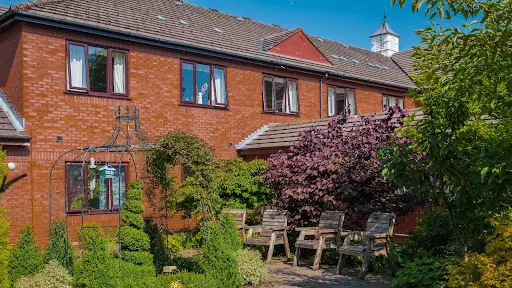
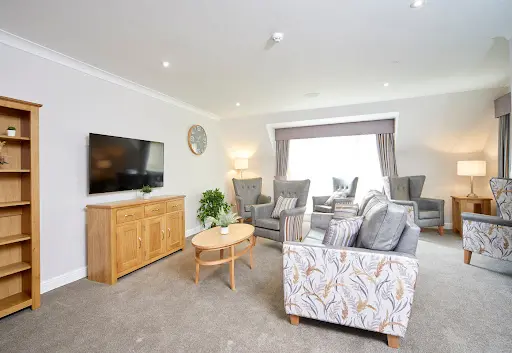
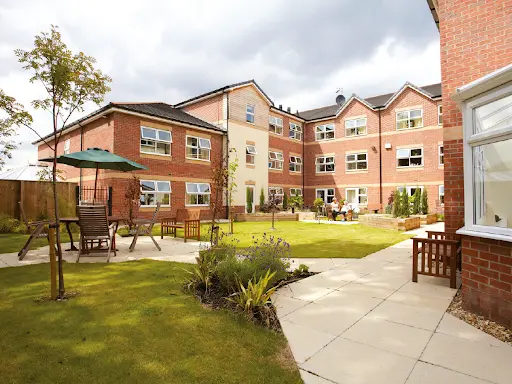
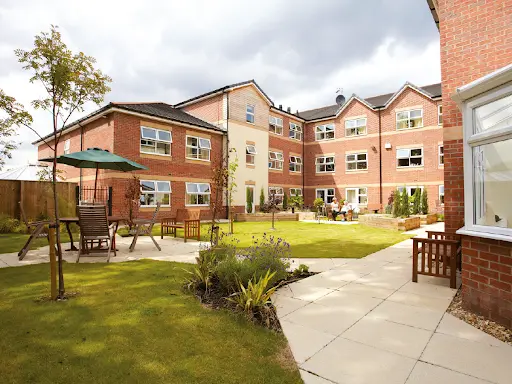
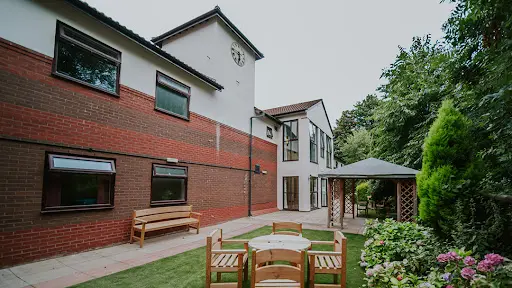
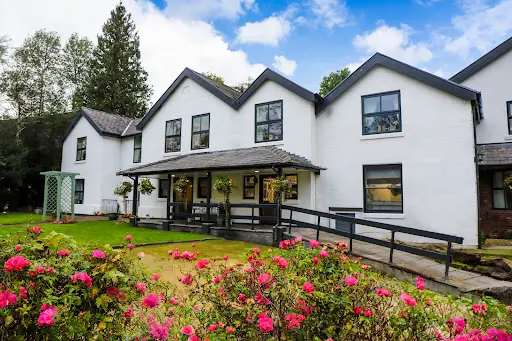
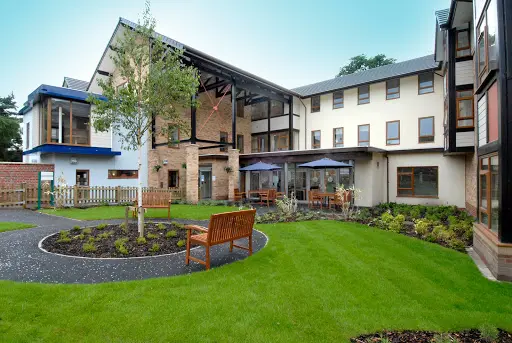
The home maintains high standards throughout, with families consistently praising the cleanliness and upkeep of both the building and grounds. Meals seem to play an important part in residents' recovery, with staff taking time to learn individual preferences and dietary needs. The physical environment provides a comfortable, well-maintained setting for daily life.
“Making the decision to move into care is never easy, but at Inglewood, families often find the transition gentler than they expected.”
DCC does not edit or curate content in this tab. For independently curated information, see The Evidence and DCC Verdict.