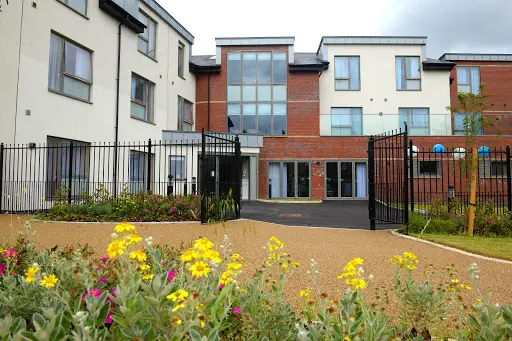
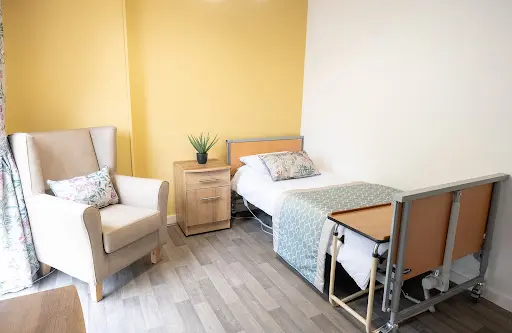
Aaron Crest Care Home
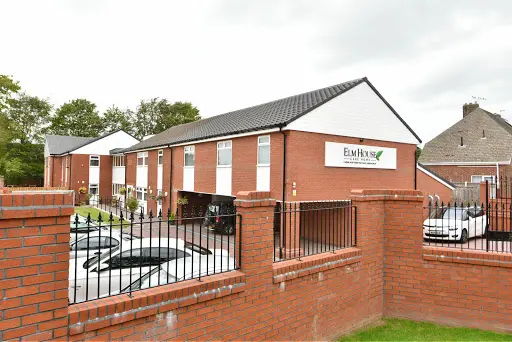
At a Glance
The information you need to decide whether this home warrants a closer look.
Nursing homes
Staff warmth score
of reviewers answered yes
Good to know
- Registered beds66
- SpecialismsCaring for adults over 65 yrs, Caring for adults under 65 yrs, Dementia
- Last inspected2023-04-18
Save Aaron Crest Care Home to your shortlist
Keep a running list, add visit notes, and compare homes side-by-side. Free account — it takes a minute.
STAGE 4 — RESEARCHING CARE HOMES
Visit homes. Compare them side by side. Choose with confidence.
Most of us will view care homes the way we view houses, impression, atmosphere, the feeling in the corridor. We go home, try to remember what we saw, and make a permanent decision from a blurred memory.

The DCC shortlist gives every home you visit a structured record: the same twelve questions, answered the same way, every time. When you’re ready to choose, pull any two homes side by side and compare them directly. Same criteria, same evidence, your notes and your scores.
The Evidence
What the review data, the inspection reports, and the dementia-care evidence base tell us about this home.
What families say
Staff show genuine warmth when caring for residents, taking time to understand individual comfort needs and preferences. The team puts visible effort into creating themed events and social activities that bring residents together.
The eight family priority themes
- Staff warmth72
- Compassion & dignity72
- Cleanliness68
- Activities & engagement55
- Food quality50
- Healthcare45
- Management & leadership72
- Resident happiness68
What inspectors found
Inspected 2023-04-18
Is this home safe?
Is the care effective?
The Effective domain was rated Requires Improvement at the March 2023 inspection. This domain covers training, care planning, access to healthcare professionals, nutrition, and how well the home translates its knowledge of a resident into daily care. A Requires Improvement rating means inspectors identified at least one area that needs to get better. The published summary does not specify which aspect of Effective was found wanting, so it is not possible from this report alone to say whether the concern was about training, care plans, food, or something else.Is this home caring?
The Caring domain was rated Good at the March 2023 inspection. Inspectors assess this domain by observing how staff interact with residents, whether people are treated with dignity and respect, whether independence is supported, and whether residents feel they matter as individuals. A Good rating here is encouraging and suggests inspectors saw or heard enough positive evidence during the visit to be satisfied. The published summary does not include specific observations or quotes from residents or relatives.Is the home responsive?
The Responsive domain was rated Good at the March 2023 inspection. This domain covers whether the home responds to each person's individual needs and preferences, whether activities are meaningful and varied, and whether end-of-life planning is in place. A Good rating here suggests inspectors were satisfied that the home was not just running a generic programme but attempting to respond to individuals. The published summary does not describe specific activities observed or give examples of how individual preferences were accommodated.Is the home well-led?
The Well-led domain was rated Good at the March 2023 inspection. This domain covers whether the home has stable, visible leadership, whether staff feel supported and able to raise concerns, whether there are systems in place to monitor quality, and whether the home learns from things that go wrong. A Good Well-led rating, combined with the overall improvement from Requires Improvement, suggests the management team has been actively working to address earlier concerns. The home is run by Aaroncare Limited with a named Nominated Individual.
Source: CQC inspection report →
What the evidence base says
The home cares for adults both over and under 65, bringing different generations together in residential care. They also support residents living with dementia. For those with dementia, the home provides specialist residential care alongside their general services. Staff work to include residents with dementia in the home's social activities and daily life. All areas worth probing directly during a visit.
The DCC Verdict
Our editorial view, built from the three lenses: what families tell us, what inspectors record, and how the home sits against good dementia-care practice.
DCC Family Score
Aaron Crest Care Home scores 72 out of 100, reflecting a genuine improvement from its previous Requires Improvement rating, with Good awarded in four of five domains. The Requires Improvement in Effective, covering training, care plans, and healthcare, pulls the score down and means this is a home on an upward trend but not yet at the top of the range.
Homes in North West typically score 68–82.The three-lens summary
What families tell us
Staff show genuine warmth when caring for residents, taking time to understand individual comfort needs and preferences. The team puts visible effort into creating themed events and social activities that bring residents together.
What inspectors have recorded
The new management team has brought fresh energy to family communication, actively engaging with relatives about care decisions. However, consistency across the leadership team remains a work in progress, with some families experiencing frustration around response times and follow-through on care requests.
How it sits against good practice
Aaron Crest appears to be at a crossroads, with committed individuals working to improve care standards while addressing longstanding challenges.
Worth a visit
Aaron Crest Care Home in Skelmersdale was rated Good overall at its inspection in March 2023, an improvement on its previous Requires Improvement rating. Inspectors found the home to be Good in four of the five domains: Safe, Caring, Responsive, and Well-led. That upward trajectory matters: it suggests the management team responded to earlier concerns and made real changes rather than letting problems drift. The one area that remains Requires Improvement is Effective, which covers training, care planning, and healthcare. This is the domain most directly connected to whether your parent's individual needs are properly understood and consistently met, and it is where the published report gives the least reassurance. Because the full inspection detail is limited in the published summary, there is a lot this report cannot confirm. Before visiting, prepare questions specifically about how care plans are written and reviewed, what dementia training staff have completed, and how mealtimes are managed. Ask the manager to show you a recent care plan (anonymised) so you can judge the level of detail yourself.
The three questions to ask when you visitSave this home. Compare it against your shortlist.
Let our analysis show you how Aaron Crest Care Home measures up against the other homes you’re considering. Free account.
In Their Own Words
How Aaron Crest Care Home describes itself — collected from its own website. DCC has not edited or independently verified the content in this tab.
Where individual care meets ongoing transformation in Skelmersdale
Dedicated nursing home Support in Skelmersdale
Aaron Crest Care Home in Skelmersdale is navigating significant changes under new management leadership. The home provides residential care for adults over and under 65, including those living with dementia. While individual staff members demonstrate real compassion in their daily care, families considering Aaron Crest should know the home is working through some operational challenges.
Who they care for
The home cares for adults both over and under 65, bringing different generations together in residential care. They also support residents living with dementia.
For those with dementia, the home provides specialist residential care alongside their general services. Staff work to include residents with dementia in the home's social activities and daily life.
“Aaron Crest appears to be at a crossroads, with committed individuals working to improve care standards while addressing longstanding challenges.”
DCC does not edit or curate content in this tab. For independently curated information, see The Evidence and DCC Verdict.
The DCC Verdict
Our editorial view, built from the three lenses: what families tell us, what inspectors record, and how the home sits against good dementia-care practice.
DCC Family Score
Aaron Crest Care Home scores 72 out of 100, reflecting a genuine improvement from its previous Requires Improvement rating, with Good awarded in four of five domains. The Requires Improvement in Effective, covering training, care plans, and healthcare, pulls the score down and means this is a home on an upward trend but not yet at the top of the range.
Homes in North West typically score 68–82.The three-lens summary
What families tell us
Staff show genuine warmth when caring for residents, taking time to understand individual comfort needs and preferences. The team puts visible effort into creating themed events and social activities that bring residents together.
What inspectors have recorded
The new management team has brought fresh energy to family communication, actively engaging with relatives about care decisions. However, consistency across the leadership team remains a work in progress, with some families experiencing frustration around response times and follow-through on care requests.
How it sits against good practice
Aaron Crest appears to be at a crossroads, with committed individuals working to improve care standards while addressing longstanding challenges.
Worth a visit
Aaron Crest Care Home in Skelmersdale was rated Good overall at its inspection in March 2023, an improvement on its previous Requires Improvement rating. Inspectors found the home to be Good in four of the five domains: Safe, Caring, Responsive, and Well-led. That upward trajectory matters: it suggests the management team responded to earlier concerns and made real changes rather than letting problems drift. The one area that remains Requires Improvement is Effective, which covers training, care planning, and healthcare. This is the domain most directly connected to whether your parent's individual needs are properly understood and consistently met, and it is where the published report gives the least reassurance. Because the full inspection detail is limited in the published summary, there is a lot this report cannot confirm. Before visiting, prepare questions specifically about how care plans are written and reviewed, what dementia training staff have completed, and how mealtimes are managed. Ask the manager to show you a recent care plan (anonymised) so you can judge the level of detail yourself.
The three questions to ask when you visitSave this home. Compare it against your shortlist.
Let our analysis show you how Aaron Crest Care Home measures up against the other homes you’re considering. Free account.
In Their Own Words
How Aaron Crest Care Home describes itself — collected from its own website. DCC has not edited or independently verified the content in this tab.
Where individual care meets ongoing transformation in Skelmersdale
Dedicated nursing home Support in Skelmersdale
Aaron Crest Care Home in Skelmersdale is navigating significant changes under new management leadership. The home provides residential care for adults over and under 65, including those living with dementia. While individual staff members demonstrate real compassion in their daily care, families considering Aaron Crest should know the home is working through some operational challenges.
Who they care for
The home cares for adults both over and under 65, bringing different generations together in residential care. They also support residents living with dementia.
For those with dementia, the home provides specialist residential care alongside their general services. Staff work to include residents with dementia in the home's social activities and daily life.
Management & ethos
The new management team has brought fresh energy to family communication, actively engaging with relatives about care decisions. However, consistency across the leadership team remains a work in progress, with some families experiencing frustration around response times and follow-through on care requests.
“Aaron Crest appears to be at a crossroads, with committed individuals working to improve care standards while addressing longstanding challenges.”
DCC does not edit or curate content in this tab. For independently curated information, see The Evidence and DCC Verdict.