Princess Christian Care Home
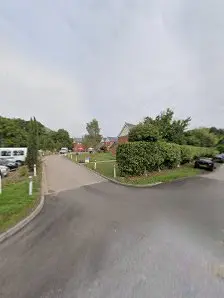
At a Glance
The information you need to decide whether this home warrants a closer look.
Nursing homes, Residential homes
Staff warmth score
of reviewers answered yes
Good to know
- Registered beds96
- SpecialismsCaring for adults over 65 yrs, Caring for adults under 65 yrs, Dementia
- Last inspected2022-08-11
Save Princess Christian Care Home to your shortlist
Keep a running list, add visit notes, and compare homes side-by-side. Free account — it takes a minute.
STAGE 4 — RESEARCHING CARE HOMES
Visit homes. Compare them side by side. Choose with confidence.
Most of us will view care homes the way we view houses, impression, atmosphere, the feeling in the corridor. We go home, try to remember what we saw, and make a permanent decision from a blurred memory.

The DCC shortlist gives every home you visit a structured record: the same twelve questions, answered the same way, every time. When you’re ready to choose, pull any two homes side by side and compare them directly. Same criteria, same evidence, your notes and your scores.
The Evidence
What the review data, the inspection reports, and the dementia-care evidence base tell us about this home.
What families say
Families consistently mention how staff adapt their approach to match each person's needs and preferences. Whether it's learning individual communication styles or recognising behavioural patterns, the team shows real patience and understanding in their daily interactions.
The eight family priority themes
- Staff warmth72
- Compassion & dignity74
- Cleanliness72
- Activities & engagement70
- Food quality70
- Healthcare85
- Management & leadership72
- Resident happiness72
What inspectors found
Inspected 2022-08-11
Is this home safe?
Is the care effective?
The Effective domain was rated Outstanding at the June 2022 inspection. This is the home's standout strength and the area where inspectors found the most compelling evidence. An Outstanding rating in this domain typically reflects strong training programmes, well-maintained and individualised care plans, robust healthcare access (including GP involvement), and good nutritional care. The published report text does not reproduce the specific observations or quotes that drove this rating, so the detail behind it is not visible in the published findings.Is this home caring?
The Caring domain was rated Good at the June 2022 inspection. This domain covers staff warmth, dignity, respect, and whether residents are treated as individuals. A Good rating indicates inspectors were satisfied with what they observed, but the published report text does not include specific observations of staff interactions, preferred-name use, or responses to distress. Without that detail, it is not possible to describe the texture of day-to-day caring from the published findings alone.Is the home responsive?
The Responsive domain was rated Good at the June 2022 inspection. This domain covers whether your parent will have a meaningful life at the home, including activities, individual engagement, and end-of-life planning. The home caters for people living with dementia as a specialism, which means it should be offering more than group activities in a lounge. The published inspection text does not include specific descriptions of the activities programme, one-to-one engagement provision, or how the home supports residents who cannot join group activities.Is the home well-led?
The Well-led domain was rated Good at the June 2022 inspection. The registered manager is listed as Mr Mario Taherian, and the nominated individual is Mr Martin Barrett. The home is operated by Nellsar Limited. The published inspection text does not include specific observations about management visibility, staff culture, incident governance, or how the home responds to feedback. The decline from a previous Outstanding overall rating raises a question about what changed in the leadership picture between inspections.
Source: CQC inspection report →
What the evidence base says
The home cares for adults both under and over 65, with particular expertise in dementia care. Staff here understand that dementia affects everyone differently. They work to learn each resident's unique communication preferences and behavioural patterns, tailoring their approach accordingly. All areas worth probing directly during a visit.
The DCC Verdict
Our editorial view, built from the three lenses: what families tell us, what inspectors record, and how the home sits against good dementia-care practice.
DCC Family Score
Princess Christian scores well overall, with its Outstanding rating for Effective care (training, care planning, and healthcare) being the standout strength. The remaining domains are rated Good across the board, but the published inspection text provides limited specific detail, which holds the family score below the top tier.
Homes in South East typically score 68–82.The three-lens summary
What families tell us
Families consistently mention how staff adapt their approach to match each person's needs and preferences. Whether it's learning individual communication styles or recognising behavioural patterns, the team shows real patience and understanding in their daily interactions.
What inspectors have recorded
From the cleaning team to clinical nurses, families describe staff who are equally invested in residents' wellbeing. The home accommodates family visiting patterns and dietary requirements, including catering for specific allergies and food intolerances.
How it sits against good practice
While most families speak positively about the care here, it's worth noting that a couple have raised concerns about management.
Worth a visit
Princess Christian Residential and Nursing Care Home, on Stafford Lake in Woking, was rated Good overall at its most recent inspection in June 2022, with an Outstanding rating in the Effective domain. That means inspectors found particularly strong evidence around training, care planning, and healthcare access. The home cares for up to 96 adults, including people living with dementia, across both residential and nursing care. It is worth knowing that the home's overall rating has declined from a previous Outstanding, which means something changed between inspections. The published report text is limited in the detail it shares about specific observations, quotes, and individual findings. Before you visit, it is worth asking the manager directly what changed, what has been done about it, and whether the home is working toward recovering the Outstanding rating. The questions in this report will help you get concrete answers on your visit.
The three questions to ask when you visitSave this home. Compare it against your shortlist.
Let our analysis show you how Princess Christian Care Home measures up against the other homes you’re considering. Free account.
In Their Own Words
How Princess Christian Care Home describes itself — collected from its own website. DCC has not edited or independently verified the content in this tab.
Where patience meets understanding in dementia and nursing care
Princess Christian Residential and Nursing Care Home – Your Trusted nursing home,residential home
When families describe the care at Princess Christian in Woking, they talk about staff who take time to learn how each resident prefers to communicate. This residential and nursing home has built its reputation on genuinely personalised care, with particular strengths in supporting people with dementia and providing compassionate end-of-life care.
Who they care for
The home cares for adults both under and over 65, with particular expertise in dementia care.
Staff here understand that dementia affects everyone differently. They work to learn each resident's unique communication preferences and behavioural patterns, tailoring their approach accordingly.
“While most families speak positively about the care here, it's worth noting that a couple have raised concerns about management.”
DCC does not edit or curate content in this tab. For independently curated information, see The Evidence and DCC Verdict.
The DCC Verdict
Our editorial view, built from the three lenses: what families tell us, what inspectors record, and how the home sits against good dementia-care practice.
DCC Family Score
Princess Christian scores well overall, with its Outstanding rating for Effective care (training, care planning, and healthcare) being the standout strength. The remaining domains are rated Good across the board, but the published inspection text provides limited specific detail, which holds the family score below the top tier.
Homes in South East typically score 68–82.The three-lens summary
What families tell us
Families consistently mention how staff adapt their approach to match each person's needs and preferences. Whether it's learning individual communication styles or recognising behavioural patterns, the team shows real patience and understanding in their daily interactions.
What inspectors have recorded
From the cleaning team to clinical nurses, families describe staff who are equally invested in residents' wellbeing. The home accommodates family visiting patterns and dietary requirements, including catering for specific allergies and food intolerances.
How it sits against good practice
While most families speak positively about the care here, it's worth noting that a couple have raised concerns about management.
Worth a visit
Princess Christian Residential and Nursing Care Home, on Stafford Lake in Woking, was rated Good overall at its most recent inspection in June 2022, with an Outstanding rating in the Effective domain. That means inspectors found particularly strong evidence around training, care planning, and healthcare access. The home cares for up to 96 adults, including people living with dementia, across both residential and nursing care. It is worth knowing that the home's overall rating has declined from a previous Outstanding, which means something changed between inspections. The published report text is limited in the detail it shares about specific observations, quotes, and individual findings. Before you visit, it is worth asking the manager directly what changed, what has been done about it, and whether the home is working toward recovering the Outstanding rating. The questions in this report will help you get concrete answers on your visit.
The three questions to ask when you visitSave this home. Compare it against your shortlist.
Let our analysis show you how Princess Christian Care Home measures up against the other homes you’re considering. Free account.
In Their Own Words
How Princess Christian Care Home describes itself — collected from its own website. DCC has not edited or independently verified the content in this tab.
Where patience meets understanding in dementia and nursing care
Princess Christian Residential and Nursing Care Home – Your Trusted nursing home,residential home
When families describe the care at Princess Christian in Woking, they talk about staff who take time to learn how each resident prefers to communicate. This residential and nursing home has built its reputation on genuinely personalised care, with particular strengths in supporting people with dementia and providing compassionate end-of-life care.
Who they care for
The home cares for adults both under and over 65, with particular expertise in dementia care.
Staff here understand that dementia affects everyone differently. They work to learn each resident's unique communication preferences and behavioural patterns, tailoring their approach accordingly.
Management & ethos
From the cleaning team to clinical nurses, families describe staff who are equally invested in residents' wellbeing. The home accommodates family visiting patterns and dietary requirements, including catering for specific allergies and food intolerances.
“While most families speak positively about the care here, it's worth noting that a couple have raised concerns about management.”
DCC does not edit or curate content in this tab. For independently curated information, see The Evidence and DCC Verdict.