Ruislip Nursing Home
At a Glance
The information you need to decide whether this home warrants a closer look.
Nursing homes
Staff warmth score
of reviewers answered yes
Good to know
- Registered beds31
- SpecialismsCaring for adults over 65 yrs, Caring for adults under 65 yrs, Dementia, Mental health conditions
- Last inspected2022-10-14
Save Ruislip Nursing Home to your shortlist
Keep a running list, add visit notes, and compare homes side-by-side. Free account — it takes a minute.
STAGE 4 — RESEARCHING CARE HOMES
Visit homes. Compare them side by side. Choose with confidence.
Most of us will view care homes the way we view houses, impression, atmosphere, the feeling in the corridor. We go home, try to remember what we saw, and make a permanent decision from a blurred memory.

The DCC shortlist gives every home you visit a structured record: the same twelve questions, answered the same way, every time. When you’re ready to choose, pull any two homes side by side and compare them directly. Same criteria, same evidence, your notes and your scores.
The Evidence
What the review data, the inspection reports, and the dementia-care evidence base tell us about this home.
What families say
What strikes families most is how staff treat each resident as someone with their own story, not just a list of care needs. People notice the patience shown during difficult moments with dementia, the way preferences are remembered and respected. There's a warmth here that families say makes all the difference.
The eight family priority themes
- Staff warmth72
- Compassion & dignity72
- Cleanliness72
- Activities & engagement65
- Food quality65
- Healthcare70
- Management & leadership72
- Resident happiness70
What inspectors found
Inspected 2022-10-14
Is this home safe?
Is the care effective?
The October 2024 inspection rated this domain Good. The home holds a dementia specialism registration and is also registered for mental health conditions, which implies there should be staff training and care planning tailored to these needs. No specific detail about care plan content, review frequency, GP access, medicine management, or dementia training content is recorded in the published findings. The nursing registration suggests clinical competence is expected, but the inspection text does not confirm this with examples or observations.Is this home caring?
The October 2024 inspection rated this domain Good. Staff warmth and compassion are the two highest-weighted themes in family satisfaction data, and a Good rating in Caring is therefore particularly meaningful. However, the published report contains no direct observations of staff interactions, no quotes from residents or relatives, and no specific examples of how dignity is maintained in personal care. The rating indicates inspectors were satisfied, but the evidence behind that satisfaction is not available in the published text.Is the home responsive?
The October 2024 inspection rated this domain Good. The home is registered to care for people with dementia and mental health conditions, which suggests activities and daily routines should be adapted to individual needs. The published report contains no detail about the activities programme, one-to-one engagement, how residents spend their time, or how end-of-life wishes are recorded and respected. Resident happiness and engagement are not described with specific examples.Is the home well-led?
The October 2024 inspection rated this domain Good. Mrs Raziya Banu Cader is named as both the Registered Manager and the Nominated Individual, meaning she holds overall accountability for the home's quality and compliance. The previous overall rating was Requires Improvement, and the return to Good across all domains suggests the management team has addressed whatever concerns were previously identified. The published report does not record detail about governance systems, staff culture, or how the home monitors and improves its own performance.
Source: CQC inspection report →
What the evidence base says
The home cares for adults both under and over 65, with particular experience in dementia and mental health conditions. For residents living with dementia, the team brings real understanding to the daily challenges. Families describe staff who know how to navigate difficult moments with patience, maintaining dignity even when communication becomes hard. All areas worth probing directly during a visit.
The DCC Verdict
Our editorial view, built from the three lenses: what families tell us, what inspectors record, and how the home sits against good dementia-care practice.
DCC Family Score
The home's most recent assessment (October 2024) rated all five domains as Good, a positive recovery from a previous Requires Improvement rating. However, because the published report contains very limited specific detail, most scores sit in the 65-72 range, reflecting positive but unverified claims rather than strong inspection evidence.
Homes in London typically score 68–82.The three-lens summary
What families tell us
What strikes families most is how staff treat each resident as someone with their own story, not just a list of care needs. People notice the patience shown during difficult moments with dementia, the way preferences are remembered and respected. There's a warmth here that families say makes all the difference.
What inspectors have recorded
Families particularly value how the team handles complex medical needs — from diabetes to Parkinson's — while keeping everyone in the loop. Communication flows naturally here, with staff updating families on care decisions and offering practical advice. The whole team, from nurses to kitchen staff, share the same patient approach.
How it sits against good practice
Sometimes the smallest details — remembering preferences, taking time to chat — reveal the most about a place's values.
Worth a visit
Ruislip Nursing Home, at 173 West End Road in Ruislip, was assessed in October 2024 and rated Good across all five inspection domains: Safe, Effective, Caring, Responsive, and Well-led. This is a meaningful improvement from a previous Requires Improvement rating, and the home remains registered and active with a named manager, Mrs Raziya Banu Cader, holding both the Registered Manager and Nominated Individual roles. The home provides nursing care for up to 31 people, including those living with dementia and mental health conditions. The main difficulty in advising you here is that the published inspection report contains very little specific detail. Almost nothing is recorded about how staff interact with residents, what the food is like, whether activities are tailored to individual needs, or how safe the home feels at night. A Good rating is genuinely encouraging, but it tells you the direction of travel rather than the full picture. Before making a decision, visit in person, ask to see last week's actual staffing rota (counting permanent versus agency staff on nights), ask what dementia training staff have completed in the past 12 months, and sit with your parent in the lounge or dining room to observe the pace and tone of interactions for yourself.
The three questions to ask when you visitSave this home. Compare it against your shortlist.
Let our analysis show you how Ruislip Nursing Home measures up against the other homes you’re considering. Free account.
In Their Own Words
How Ruislip Nursing Home describes itself — collected from its own website. DCC has not edited or independently verified the content in this tab.
Where clinical expertise meets genuine compassion every single day
Compassionate Care in Ruislip at Ruislip Nursing Home
When families talk about Ruislip Nursing Home in London, they describe something beyond good medical care. They talk about staff who remember how residents take their tea, who sit and chat when there's a quiet moment, who make those difficult final months feel somehow peaceful.
Who they care for
The home cares for adults both under and over 65, with particular experience in dementia and mental health conditions.
For residents living with dementia, the team brings real understanding to the daily challenges. Families describe staff who know how to navigate difficult moments with patience, maintaining dignity even when communication becomes hard.
“Sometimes the smallest details — remembering preferences, taking time to chat — reveal the most about a place's values.”
DCC does not edit or curate content in this tab. For independently curated information, see The Evidence and DCC Verdict.
The DCC Verdict
Our editorial view, built from the three lenses: what families tell us, what inspectors record, and how the home sits against good dementia-care practice.
DCC Family Score
The home's most recent assessment (October 2024) rated all five domains as Good, a positive recovery from a previous Requires Improvement rating. However, because the published report contains very limited specific detail, most scores sit in the 65-72 range, reflecting positive but unverified claims rather than strong inspection evidence.
Homes in London typically score 68–82.The three-lens summary
What families tell us
What strikes families most is how staff treat each resident as someone with their own story, not just a list of care needs. People notice the patience shown during difficult moments with dementia, the way preferences are remembered and respected. There's a warmth here that families say makes all the difference.
What inspectors have recorded
Families particularly value how the team handles complex medical needs — from diabetes to Parkinson's — while keeping everyone in the loop. Communication flows naturally here, with staff updating families on care decisions and offering practical advice. The whole team, from nurses to kitchen staff, share the same patient approach.
How it sits against good practice
Sometimes the smallest details — remembering preferences, taking time to chat — reveal the most about a place's values.
Worth a visit
Ruislip Nursing Home, at 173 West End Road in Ruislip, was assessed in October 2024 and rated Good across all five inspection domains: Safe, Effective, Caring, Responsive, and Well-led. This is a meaningful improvement from a previous Requires Improvement rating, and the home remains registered and active with a named manager, Mrs Raziya Banu Cader, holding both the Registered Manager and Nominated Individual roles. The home provides nursing care for up to 31 people, including those living with dementia and mental health conditions. The main difficulty in advising you here is that the published inspection report contains very little specific detail. Almost nothing is recorded about how staff interact with residents, what the food is like, whether activities are tailored to individual needs, or how safe the home feels at night. A Good rating is genuinely encouraging, but it tells you the direction of travel rather than the full picture. Before making a decision, visit in person, ask to see last week's actual staffing rota (counting permanent versus agency staff on nights), ask what dementia training staff have completed in the past 12 months, and sit with your parent in the lounge or dining room to observe the pace and tone of interactions for yourself.
The three questions to ask when you visitSave this home. Compare it against your shortlist.
Let our analysis show you how Ruislip Nursing Home measures up against the other homes you’re considering. Free account.
In Their Own Words
How Ruislip Nursing Home describes itself — collected from its own website. DCC has not edited or independently verified the content in this tab.
Where clinical expertise meets genuine compassion every single day
Compassionate Care in Ruislip at Ruislip Nursing Home
When families talk about Ruislip Nursing Home in London, they describe something beyond good medical care. They talk about staff who remember how residents take their tea, who sit and chat when there's a quiet moment, who make those difficult final months feel somehow peaceful.
Who they care for
The home cares for adults both under and over 65, with particular experience in dementia and mental health conditions.
For residents living with dementia, the team brings real understanding to the daily challenges. Families describe staff who know how to navigate difficult moments with patience, maintaining dignity even when communication becomes hard.
Management & ethos
Families particularly value how the team handles complex medical needs — from diabetes to Parkinson's — while keeping everyone in the loop. Communication flows naturally here, with staff updating families on care decisions and offering practical advice. The whole team, from nurses to kitchen staff, share the same patient approach.
The home & environment
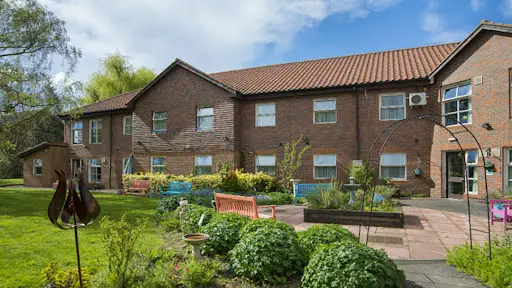
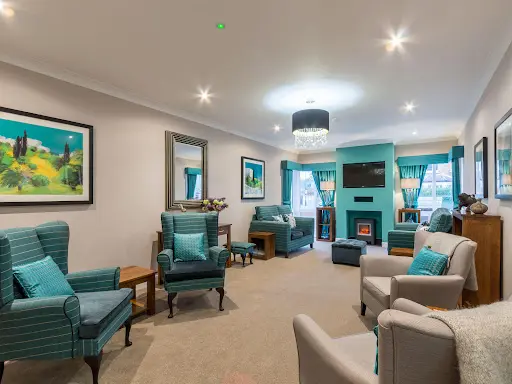
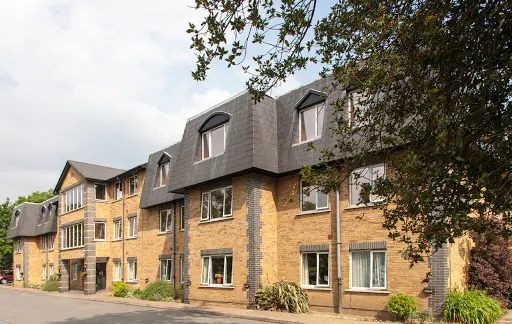
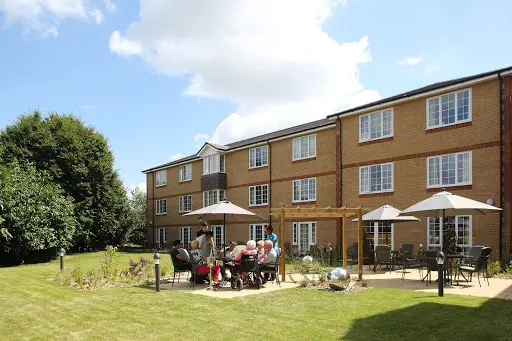
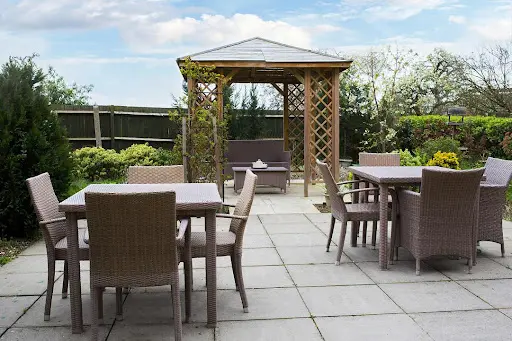
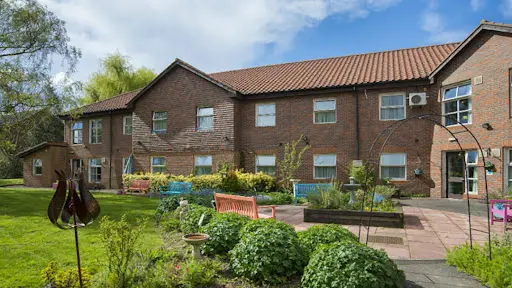
The home feels bright and purposeful, with rooms and communal areas that families describe as clean and well-kept. There are gardens where residents can enjoy fresh air, and the whole place has been designed with resident needs in mind. Regular activities like quizzes and games keep minds active.
“Sometimes the smallest details — remembering preferences, taking time to chat — reveal the most about a place's values.”
DCC does not edit or curate content in this tab. For independently curated information, see The Evidence and DCC Verdict.