Parkview House Care Home

At a Glance
The information you need to decide whether this home warrants a closer look.
Residential homes
Staff warmth score
of reviewers answered yes
Good to know
- Registered beds53
- SpecialismsCaring for adults over 65 yrs, Caring for adults under 65 yrs, Dementia, Physical disabilities, Sensory impairment
- Last inspected2023-09-26
Save Parkview House Care Home to your shortlist
Keep a running list, add visit notes, and compare homes side-by-side. Free account — it takes a minute.
STAGE 4 — RESEARCHING CARE HOMES
Visit homes. Compare them side by side. Choose with confidence.
Most of us will view care homes the way we view houses, impression, atmosphere, the feeling in the corridor. We go home, try to remember what we saw, and make a permanent decision from a blurred memory.

The DCC shortlist gives every home you visit a structured record: the same twelve questions, answered the same way, every time. When you’re ready to choose, pull any two homes side by side and compare them directly. Same criteria, same evidence, your notes and your scores.
The Evidence
What the review data, the inspection reports, and the dementia-care evidence base tell us about this home.
What families say
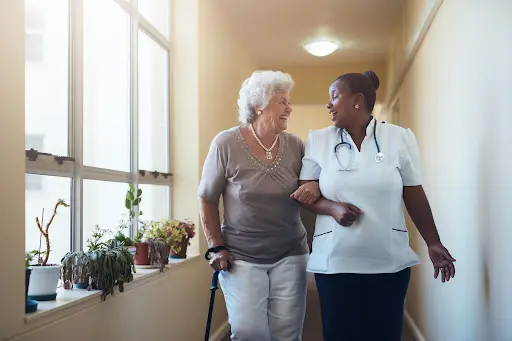
Visitors often mention how friendly the staff are here — it's something that comes up again and again. The team takes time to understand what makes each resident tick, creating care plans that work with individual preferences and routines.
The eight family priority themes
- Staff warmth72
- Compassion & dignity72
- Cleanliness72
- Activities & engagement60
- Food quality60
- Healthcare70
- Management & leadership75
- Resident happiness70
What inspectors found
Inspected 2023-09-26
Is this home safe?
Is the care effective?
The home received a Good rating for Effective, which covers training, care planning, nutrition, and healthcare access. Dementia is listed as a specialism, meaning inspectors will have considered whether staff have appropriate knowledge and skills. No specific detail about dementia training content, GP access arrangements, or care plan quality appears in the published summary. The Good rating implies these areas met the required standard at inspection. As with other domains, the improvement from the previous rating suggests earlier gaps in this area have been addressed.Is this home caring?
Parkview House was rated Good for Caring, which covers staff warmth, dignity, respect, and the way residents are treated day to day. This is the domain most directly connected to how your parent will feel living here. No direct inspector observations, such as staff using preferred names or moving at an unhurried pace, appear in the published summary, and no resident or family quotes are reproduced. The Good rating confirms inspectors were satisfied, but the detail that would let you picture daily life is not available in the published text.Is the home responsive?
The home was rated Good for Responsive, covering activities, individual engagement, and how well care is tailored to each person. Parkview House supports people with dementia, physical disabilities, and sensory impairment, meaning the activities offer needs to span a wide range of abilities. No specific activities, named events, or examples of individual engagement are described in the published summary. End-of-life care planning also falls within this domain and is not specifically referenced. The Good rating confirms the standard was met at inspection.Is the home well-led?
Parkview House was rated Good for Well-Led, with a named registered manager and a nominated individual both recorded. This domain covers governance, staff culture, accountability, and whether the home learns from things that go wrong. The improvement from a previous Requires Improvement rating to Good across all domains suggests the leadership team has made substantive changes since the last inspection. No specific examples of governance improvements, staff development initiatives, or family feedback mechanisms are described in the published summary.
Source: CQC inspection report →
What the evidence base says
The team at Parkview House supports residents with various needs, including physical disabilities and sensory impairments. They care for both younger adults under 65 and older residents, adapting their approach to suit different life stages. For residents living with dementia, the home provides specialized support tailored to individual needs. The team understands that every person's journey with dementia is unique. All areas worth probing directly during a visit.
The DCC Verdict
Our editorial view, built from the three lenses: what families tell us, what inspectors record, and how the home sits against good dementia-care practice.
DCC Family Score
Parkview House scores 74 out of 100, reflecting a genuine and encouraging improvement from a previous Requires Improvement rating to a clean sweep of Good across all five domains. The score sits in the positive-but-undetailed band because the published inspection text does not contain specific observations, quotes, or examples that would push individual themes higher.
Homes in London typically score 68–82.The three-lens summary
What families tell us
Visitors often mention how friendly the staff are here — it's something that comes up again and again. The team takes time to understand what makes each resident tick, creating care plans that work with individual preferences and routines.
What inspectors have recorded
The new management team has made quite an impression since taking over. While one visitor did wonder about staffing levels during their visit, the overall sense is of a team working hard to create positive change.
How it sits against good practice
If you're considering Parkview House, it might be worth visiting during different times of day to get a full picture of daily life there.
Worth a visit
Parkview House on Chingford Mount Road was rated Good at its inspection in May 2023, with all five domains (Safe, Effective, Caring, Responsive, and Well-Led) receiving a Good rating. This is a meaningful improvement on its previous Requires Improvement rating, which suggests the management team identified problems and addressed them. The home supports 53 people, including those living with dementia, physical disabilities, and sensory impairment, and is run by a named registered manager alongside a nominated individual. The main limitation of this report is the brevity of the published inspection text: no direct observations, resident or family quotes, or specific examples appear in the available summary. This means the Good ratings are confirmed but not illustrated. On a visit, ask the manager to walk you through what changed since the previous inspection, request last week's actual staffing rota rather than the template, and ask specifically how many permanent staff work on the dementia unit after 8pm. These questions will tell you more than the rating alone.
The three questions to ask when you visitSave this home. Compare it against your shortlist.
Let our analysis show you how Parkview House Care Home measures up against the other homes you’re considering. Free account.
In Their Own Words
How Parkview House Care Home describes itself — collected from its own website. DCC has not edited or independently verified the content in this tab.
Fresh start brings thoughtful care to North London residents
Parkview House – Expert Care in London
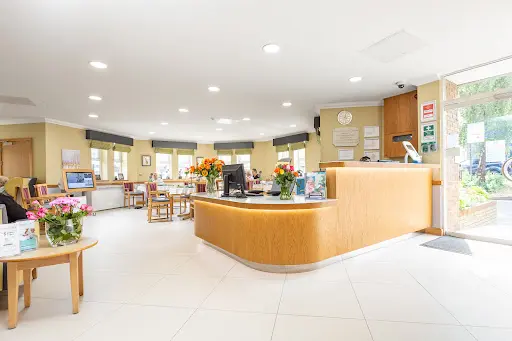
Big changes have brought new energy to Parkview House in London, where recent improvements have caught the attention of visiting families. The home's transformation under new ownership has created a welcoming environment that feels refreshingly different from what came before. Families describe walking into clean, bright spaces where staff greet everyone with genuine warmth.
Who they care for
The team at Parkview House supports residents with various needs, including physical disabilities and sensory impairments. They care for both younger adults under 65 and older residents, adapting their approach to suit different life stages.
For residents living with dementia, the home provides specialized support tailored to individual needs. The team understands that every person's journey with dementia is unique.
“If you're considering Parkview House, it might be worth visiting during different times of day to get a full picture of daily life there.”
DCC does not edit or curate content in this tab. For independently curated information, see The Evidence and DCC Verdict.
The DCC Verdict
Our editorial view, built from the three lenses: what families tell us, what inspectors record, and how the home sits against good dementia-care practice.
DCC Family Score
Parkview House scores 74 out of 100, reflecting a genuine and encouraging improvement from a previous Requires Improvement rating to a clean sweep of Good across all five domains. The score sits in the positive-but-undetailed band because the published inspection text does not contain specific observations, quotes, or examples that would push individual themes higher.
Homes in London typically score 68–82.The three-lens summary
What families tell us
Visitors often mention how friendly the staff are here — it's something that comes up again and again. The team takes time to understand what makes each resident tick, creating care plans that work with individual preferences and routines.
What inspectors have recorded
The new management team has made quite an impression since taking over. While one visitor did wonder about staffing levels during their visit, the overall sense is of a team working hard to create positive change.
How it sits against good practice
If you're considering Parkview House, it might be worth visiting during different times of day to get a full picture of daily life there.
Worth a visit
Parkview House on Chingford Mount Road was rated Good at its inspection in May 2023, with all five domains (Safe, Effective, Caring, Responsive, and Well-Led) receiving a Good rating. This is a meaningful improvement on its previous Requires Improvement rating, which suggests the management team identified problems and addressed them. The home supports 53 people, including those living with dementia, physical disabilities, and sensory impairment, and is run by a named registered manager alongside a nominated individual. The main limitation of this report is the brevity of the published inspection text: no direct observations, resident or family quotes, or specific examples appear in the available summary. This means the Good ratings are confirmed but not illustrated. On a visit, ask the manager to walk you through what changed since the previous inspection, request last week's actual staffing rota rather than the template, and ask specifically how many permanent staff work on the dementia unit after 8pm. These questions will tell you more than the rating alone.
The three questions to ask when you visitSave this home. Compare it against your shortlist.
Let our analysis show you how Parkview House Care Home measures up against the other homes you’re considering. Free account.
In Their Own Words
How Parkview House Care Home describes itself — collected from its own website. DCC has not edited or independently verified the content in this tab.
Fresh start brings thoughtful care to North London residents
Parkview House – Expert Care in London
Big changes have brought new energy to Parkview House in London, where recent improvements have caught the attention of visiting families. The home's transformation under new ownership has created a welcoming environment that feels refreshingly different from what came before. Families describe walking into clean, bright spaces where staff greet everyone with genuine warmth.
Who they care for
The team at Parkview House supports residents with various needs, including physical disabilities and sensory impairments. They care for both younger adults under 65 and older residents, adapting their approach to suit different life stages.
For residents living with dementia, the home provides specialized support tailored to individual needs. The team understands that every person's journey with dementia is unique.
Management & ethos
The new management team has made quite an impression since taking over. While one visitor did wonder about staffing levels during their visit, the overall sense is of a team working hard to create positive change.
The home & environment
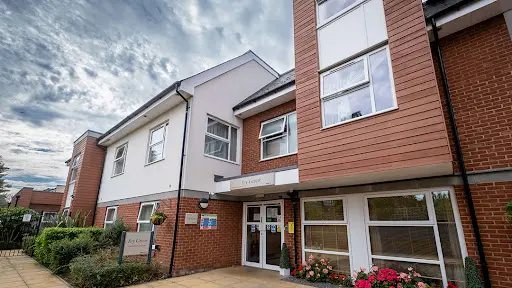
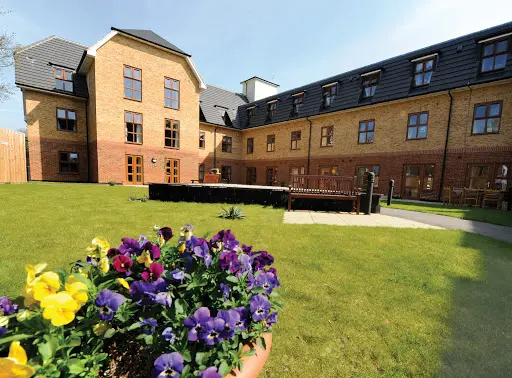
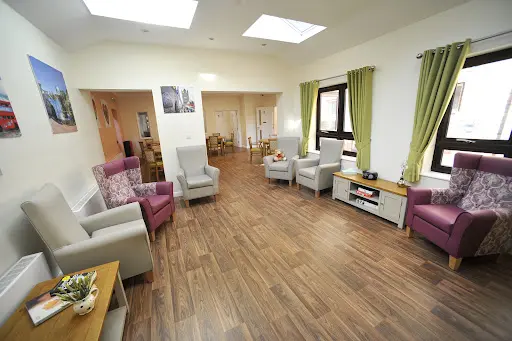
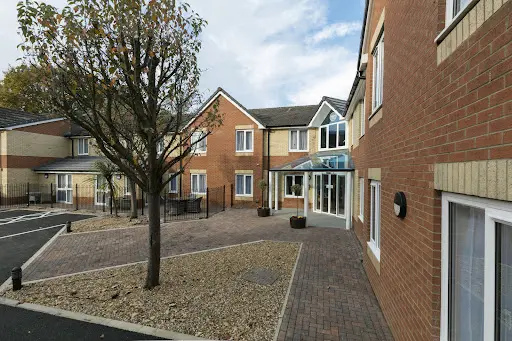
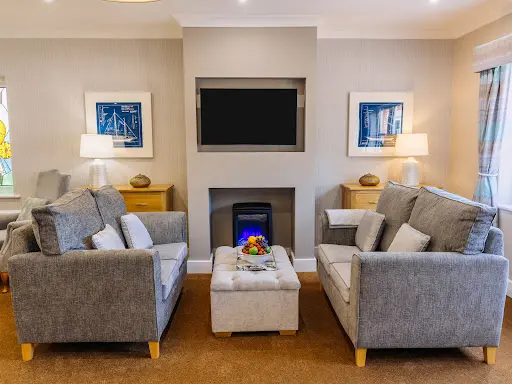
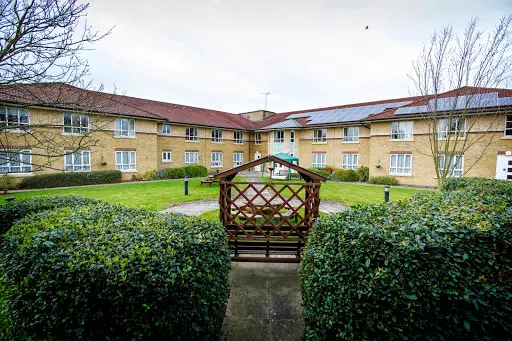
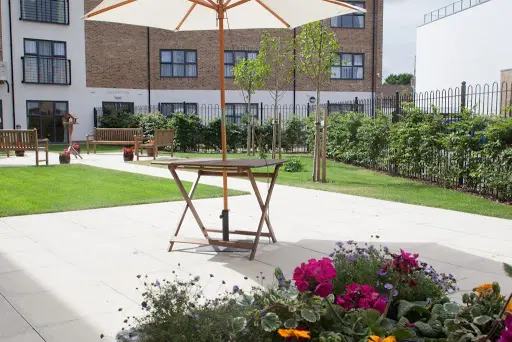
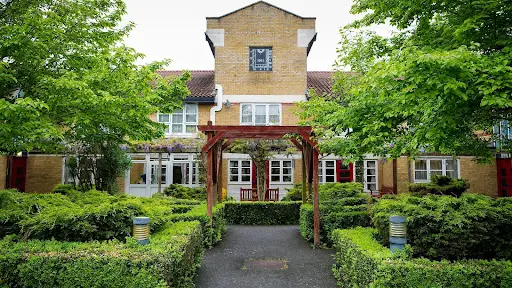
The recent refurbishment has given the whole place a real lift. Families talk about walking into spaces that feel fresh and well-maintained, with cleanliness standards that really stand out.
“If you're considering Parkview House, it might be worth visiting during different times of day to get a full picture of daily life there.”
DCC does not edit or curate content in this tab. For independently curated information, see The Evidence and DCC Verdict.