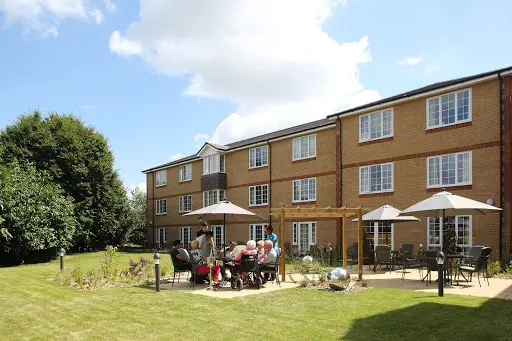
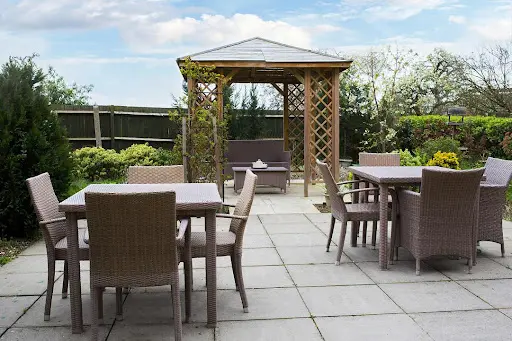
The Boyne Residential Care Home

At a Glance
The information you need to decide whether this home warrants a closer look.
Residential homes
Staff warmth score
of reviewers answered yes
Good to know
- Registered beds30
- SpecialismsCaring for adults over 65 yrs, Caring for adults under 65 yrs, Dementia
- Last inspected2023-12-01
Save The Boyne Residential Care Home to your shortlist
Keep a running list, add visit notes, and compare homes side-by-side. Free account — it takes a minute.
STAGE 4 — RESEARCHING CARE HOMES
Visit homes. Compare them side by side. Choose with confidence.
Most of us will view care homes the way we view houses, impression, atmosphere, the feeling in the corridor. We go home, try to remember what we saw, and make a permanent decision from a blurred memory.

The DCC shortlist gives every home you visit a structured record: the same twelve questions, answered the same way, every time. When you’re ready to choose, pull any two homes side by side and compare them directly. Same criteria, same evidence, your notes and your scores.
The Evidence
What the review data, the inspection reports, and the dementia-care evidence base tell us about this home.
What families say
What strikes families most is the patience. Staff take time with residents experiencing grief or confusion, offering emotional support through difficult transitions. People notice how residents are treated with genuine respect, particularly during the harder moments of cognitive decline.
The eight family priority themes
- Staff warmth72
- Compassion & dignity72
- Cleanliness70
- Activities & engagement65
- Food quality65
- Healthcare68
- Management & leadership72
- Resident happiness70
What inspectors found
Inspected 2023-12-01
Is this home safe?
Is the care effective?
The home received a Good rating for effectiveness at the October 2023 inspection. This domain covers training, care planning, access to healthcare professionals, and food. The registration confirms the home is set up to provide personal care to people living with dementia. No specific examples of dementia training, care plan quality, GP access, or food provision are included in the published summary.Is this home caring?
The home was rated Good for caring at the October 2023 inspection. This is the domain that covers staff warmth, dignity, respect, and how well staff know the people they support as individuals. Staff warmth is the single biggest driver of positive family reviews, mentioned in 57.3% of all positive feedback in our data set of 3,602 reviews. The published inspection text does not include specific observations of staff interactions, resident testimony, or examples of person-centred practice.Is the home responsive?
The home received a Good rating for responsiveness at the October 2023 inspection. This domain covers activities, engagement, individuality, and end-of-life care. The home is registered as a dementia specialism, which means it should be able to demonstrate how it keeps people meaningfully engaged as their condition changes. No specific activities, individual engagement approaches, or end-of-life planning practices are described in the published summary.Is the home well-led?
The home was rated Good for leadership at the October 2023 inspection. Mrs Hannah Cader is both the registered manager and the nominated individual, meaning she carries overall accountability for the home. A single named leader holding both roles can indicate stability, but the published inspection text does not describe how long she has been in post, how visible she is to staff and residents on a daily basis, or how the home handles complaints and feedback.
Source: CQC inspection report →
What the evidence base says
The Boyne specialises in dementia care alongside general support for adults over 65. They also provide care for younger adults who need residential support. Their approach to dementia focuses on maintaining dignity through every stage. Staff show particular skill in helping residents navigate the emotional challenges of memory loss while fostering meaningful connections and engagement. All areas worth probing directly during a visit.
The DCC Verdict
Our editorial view, built from the three lenses: what families tell us, what inspectors record, and how the home sits against good dementia-care practice.
DCC Family Score
The Boyne Residential Care Home was rated Good across all five inspection domains, which is a solid baseline. However, the published inspection text contains very limited specific detail, so most scores reflect a confirmed Good rating rather than rich, observed evidence.
Homes in London typically score 68–82.The three-lens summary
What families tell us
What strikes families most is the patience. Staff take time with residents experiencing grief or confusion, offering emotional support through difficult transitions. People notice how residents are treated with genuine respect, particularly during the harder moments of cognitive decline.
What inspectors have recorded
The management team stays accessible and responsive when families need them. Regular updates keep everyone connected, with video calls bridging the gap when visits aren't possible. Families appreciate the clear communication about health changes and the support through difficult decisions.
How it sits against good practice
Sometimes the best measure of a care home is hearing residents say they don't want to leave.
Worth a visit
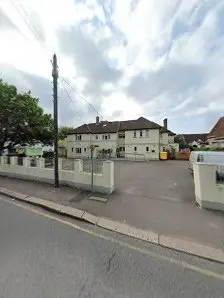
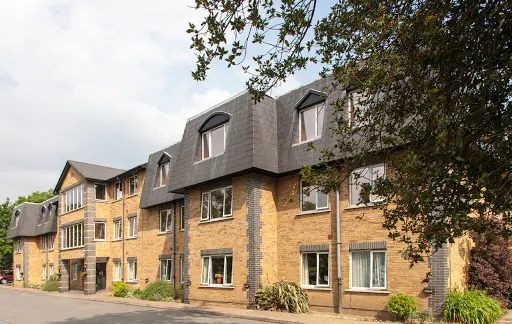
The Boyne Residential Care Home, at 38 Park Way in Ruislip, was rated Good across all five inspection domains at its most recent inspection on 17 October 2023. The home is registered to care for people living with dementia as well as older and younger adults, and has a named registered manager, Mrs Hannah Cader, in post. A Good rating across every domain is a positive baseline, reflecting that inspectors found no significant concerns in safety, effectiveness, the quality of caring, responsiveness to individuals, or leadership. The main limitation here is that the published inspection text is brief and contains very few specific observations, quotes from residents or relatives, or detailed examples of practice. A Good rating tells you the minimum standard has been met, but it does not tell you whether the warmth, activities, food, and daily life at this home are the right fit for your parent. Visit in person during the afternoon when staffing patterns are often different from a morning inspection slot, ask to see the actual staffing rota from last week, and spend time watching how staff talk to and move alongside the people who live here. Those observations will tell you far more than a rating alone.
The three questions to ask when you visitSave this home. Compare it against your shortlist.
Let our analysis show you how The Boyne Residential Care Home measures up against the other homes you’re considering. Free account.
In Their Own Words
How The Boyne Residential Care Home describes itself — collected from its own website. DCC has not edited or independently verified the content in this tab.
Where patience meets genuine warmth in dementia care
Residential home in Ruislip: True Peace of Mind
When dementia changes everything, finding the right care feels overwhelming. The Boyne Residential Care Home in Ruislip understands this journey. Families describe watching their loved ones settle into friendships, engage in activities, and express real contentment — even those who initially resisted the move.
Who they care for
The Boyne specialises in dementia care alongside general support for adults over 65. They also provide care for younger adults who need residential support.
Their approach to dementia focuses on maintaining dignity through every stage. Staff show particular skill in helping residents navigate the emotional challenges of memory loss while fostering meaningful connections and engagement.
“Sometimes the best measure of a care home is hearing residents say they don't want to leave.”
DCC does not edit or curate content in this tab. For independently curated information, see The Evidence and DCC Verdict.
The DCC Verdict
Our editorial view, built from the three lenses: what families tell us, what inspectors record, and how the home sits against good dementia-care practice.
DCC Family Score
The Boyne Residential Care Home was rated Good across all five inspection domains, which is a solid baseline. However, the published inspection text contains very limited specific detail, so most scores reflect a confirmed Good rating rather than rich, observed evidence.
Homes in London typically score 68–82.The three-lens summary
What families tell us
What strikes families most is the patience. Staff take time with residents experiencing grief or confusion, offering emotional support through difficult transitions. People notice how residents are treated with genuine respect, particularly during the harder moments of cognitive decline.
What inspectors have recorded
The management team stays accessible and responsive when families need them. Regular updates keep everyone connected, with video calls bridging the gap when visits aren't possible. Families appreciate the clear communication about health changes and the support through difficult decisions.
How it sits against good practice
Sometimes the best measure of a care home is hearing residents say they don't want to leave.
Worth a visit
The Boyne Residential Care Home, at 38 Park Way in Ruislip, was rated Good across all five inspection domains at its most recent inspection on 17 October 2023. The home is registered to care for people living with dementia as well as older and younger adults, and has a named registered manager, Mrs Hannah Cader, in post. A Good rating across every domain is a positive baseline, reflecting that inspectors found no significant concerns in safety, effectiveness, the quality of caring, responsiveness to individuals, or leadership. The main limitation here is that the published inspection text is brief and contains very few specific observations, quotes from residents or relatives, or detailed examples of practice. A Good rating tells you the minimum standard has been met, but it does not tell you whether the warmth, activities, food, and daily life at this home are the right fit for your parent. Visit in person during the afternoon when staffing patterns are often different from a morning inspection slot, ask to see the actual staffing rota from last week, and spend time watching how staff talk to and move alongside the people who live here. Those observations will tell you far more than a rating alone.
The three questions to ask when you visitSave this home. Compare it against your shortlist.
Let our analysis show you how The Boyne Residential Care Home measures up against the other homes you’re considering. Free account.
In Their Own Words
How The Boyne Residential Care Home describes itself — collected from its own website. DCC has not edited or independently verified the content in this tab.
Where patience meets genuine warmth in dementia care
Residential home in Ruislip: True Peace of Mind
When dementia changes everything, finding the right care feels overwhelming. The Boyne Residential Care Home in Ruislip understands this journey. Families describe watching their loved ones settle into friendships, engage in activities, and express real contentment — even those who initially resisted the move.
Who they care for
The Boyne specialises in dementia care alongside general support for adults over 65. They also provide care for younger adults who need residential support.
Their approach to dementia focuses on maintaining dignity through every stage. Staff show particular skill in helping residents navigate the emotional challenges of memory loss while fostering meaningful connections and engagement.
Management & ethos
The management team stays accessible and responsive when families need them. Regular updates keep everyone connected, with video calls bridging the gap when visits aren't possible. Families appreciate the clear communication about health changes and the support through difficult decisions.
“Sometimes the best measure of a care home is hearing residents say they don't want to leave.”
DCC does not edit or curate content in this tab. For independently curated information, see The Evidence and DCC Verdict.