Shoreline Nursing Home
At a Glance
The information you need to decide whether this home warrants a closer look.
Nursing homes
Staff warmth score
of reviewers answered yes
Good to know
- Registered beds44
- SpecialismsCaring for adults over 65 yrs, Caring for adults under 65 yrs, Dementia
- Last inspected2020-07-21
Save Shoreline Nursing Home to your shortlist
Keep a running list, add visit notes, and compare homes side-by-side. Free account — it takes a minute.
STAGE 4 — RESEARCHING CARE HOMES
Visit homes. Compare them side by side. Choose with confidence.
Most of us will view care homes the way we view houses, impression, atmosphere, the feeling in the corridor. We go home, try to remember what we saw, and make a permanent decision from a blurred memory.

The DCC shortlist gives every home you visit a structured record: the same twelve questions, answered the same way, every time. When you’re ready to choose, pull any two homes side by side and compare them directly. Same criteria, same evidence, your notes and your scores.
The Evidence
What the review data, the inspection reports, and the dementia-care evidence base tell us about this home.
What families say
Families describe feeling genuinely included in the life of the home. Visitors find staff approachable and management willing to sit down and work through any concerns that arise.
The eight family priority themes
- Staff warmth55
- Compassion & dignity55
- Cleanliness55
- Activities & engagement50
- Food quality50
- Healthcare55
- Management & leadership65
- Resident happiness55
What inspectors found
Inspected 2020-07-21
Is this home safe?
Is the care effective?
The Effective domain was rated Good at the June 2020 inspection. This domain covers staff training, care planning, nutrition, and healthcare access. The home lists dementia as a specialism, which implies a expectation of specific dementia training for staff. No detail about training content, care plan quality, GP access frequency, or mealtime observations is recorded in the published findings.Is this home caring?
The Caring domain was rated Good at the June 2020 inspection. This domain covers staff warmth, dignity, respect, and supporting independence. No specific observations of staff interactions, no resident or relative quotes, and no descriptions of how staff communicate with people living with dementia are recorded in the published findings available for this report.Is the home responsive?
The Responsive domain was rated Good at the June 2020 inspection. This domain covers activities, individual engagement, and how well the home responds to changing needs. The home lists dementia as a specialism, which raises the expectation of tailored, individual engagement rather than group-only activities. No specific activity descriptions, individual engagement examples, or information about end-of-life care planning are recorded in the published findings.Is the home well-led?
The Well-led domain was rated Good at the June 2020 inspection, improving from the previous Requires Improvement rating. A named registered manager, Miss Emma Louise Tyreman, and a named nominated individual, Mr Sanjai Ahitan, are recorded. This formal accountability structure is a positive indicator. No detail about management visibility, staff culture, governance processes, or how the home responds to feedback is recorded in the published findings.
Source: CQC inspection report →
What the evidence base says
The home provides nursing care for adults over 65, with particular experience in dementia and complex behaviours. They also support younger adults who need nursing care. Several families have moved their relatives here specifically because the team succeeded where previous care homes struggled. Staff show particular skill in managing challenging behaviours and helping residents with advanced dementia stay engaged in meaningful activities right through to end of life. All areas worth probing directly during a visit.
The DCC Verdict
Our editorial view, built from the three lenses: what families tell us, what inspectors record, and how the home sits against good dementia-care practice.
DCC Family Score
Shoreline Nursing Home improved from Requires Improvement to a Good rating across all five inspection domains, which is a meaningful and positive step. However, the published inspection report contains very limited detail, so most scores reflect that improvement trend rather than specific observed evidence.
Homes in North East typically score 68–82.The three-lens summary
What families tell us
Families describe feeling genuinely included in the life of the home. Visitors find staff approachable and management willing to sit down and work through any concerns that arise.
What inspectors have recorded
Staff here seem to understand that caring for someone with complex dementia means staying flexible and responsive. Families report that management takes time to listen and adjust care approaches when needed. They've seen staff persist with residents who initially struggle to settle, finding ways to reach them when others have given up.
How it sits against good practice
If you're feeling overwhelmed because nowhere else seems able to manage your loved one's needs, it might be worth having a conversation with Shoreline.
Worth a visit
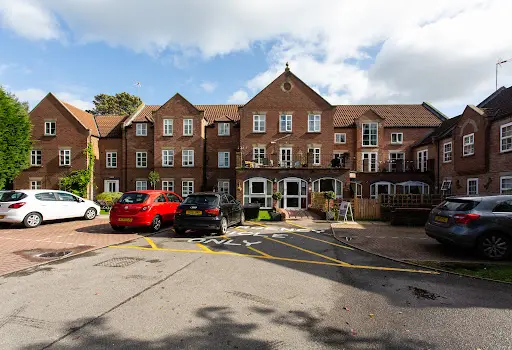
Shoreline Nursing Home, on Park Avenue in Redcar, was rated Good across all five inspection domains at its most recent inspection, carried out on 30 June 2020. This represents a genuine improvement from its previous Requires Improvement rating, which is an encouraging trajectory. The home provides nursing care and specialises in dementia, caring for both adults over and under 65. The main uncertainty here is that the published inspection report contains very limited narrative detail. Ratings alone tell you the direction of travel but not what daily life looks like for your parent. Before visiting, prepare specific questions about night staffing numbers, agency staff use, and how one-to-one time is provided for residents who cannot join group activities. When you visit, pay close attention to how staff interact with residents in corridors and communal spaces, whether residents appear settled and unhurried, and whether the environment is clearly designed with dementia in mind.
The three questions to ask when you visitSave this home. Compare it against your shortlist.
Let our analysis show you how Shoreline Nursing Home measures up against the other homes you’re considering. Free account.
In Their Own Words
How Shoreline Nursing Home describes itself — collected from its own website. DCC has not edited or independently verified the content in this tab.
Where challenging dementia care becomes possible again
Dedicated nursing home Support in Redcar
When other places have said they can't cope, families turn to Shoreline Nursing Home in Redcar. This specialist nursing home has built a reputation for taking on complex cases that others find too difficult, particularly residents with dementia and challenging behaviours. It's not always an easy journey, but for many families, it's been the difference between despair and hope.
Who they care for
The home provides nursing care for adults over 65, with particular experience in dementia and complex behaviours. They also support younger adults who need nursing care.
Several families have moved their relatives here specifically because the team succeeded where previous care homes struggled. Staff show particular skill in managing challenging behaviours and helping residents with advanced dementia stay engaged in meaningful activities right through to end of life.
“If you're feeling overwhelmed because nowhere else seems able to manage your loved one's needs, it might be worth having a conversation with Shoreline.”
DCC does not edit or curate content in this tab. For independently curated information, see The Evidence and DCC Verdict.
The DCC Verdict
Our editorial view, built from the three lenses: what families tell us, what inspectors record, and how the home sits against good dementia-care practice.
DCC Family Score
Shoreline Nursing Home improved from Requires Improvement to a Good rating across all five inspection domains, which is a meaningful and positive step. However, the published inspection report contains very limited detail, so most scores reflect that improvement trend rather than specific observed evidence.
Homes in North East typically score 68–82.The three-lens summary
What families tell us
Families describe feeling genuinely included in the life of the home. Visitors find staff approachable and management willing to sit down and work through any concerns that arise.
What inspectors have recorded
Staff here seem to understand that caring for someone with complex dementia means staying flexible and responsive. Families report that management takes time to listen and adjust care approaches when needed. They've seen staff persist with residents who initially struggle to settle, finding ways to reach them when others have given up.
How it sits against good practice
If you're feeling overwhelmed because nowhere else seems able to manage your loved one's needs, it might be worth having a conversation with Shoreline.
Worth a visit
Shoreline Nursing Home, on Park Avenue in Redcar, was rated Good across all five inspection domains at its most recent inspection, carried out on 30 June 2020. This represents a genuine improvement from its previous Requires Improvement rating, which is an encouraging trajectory. The home provides nursing care and specialises in dementia, caring for both adults over and under 65. The main uncertainty here is that the published inspection report contains very limited narrative detail. Ratings alone tell you the direction of travel but not what daily life looks like for your parent. Before visiting, prepare specific questions about night staffing numbers, agency staff use, and how one-to-one time is provided for residents who cannot join group activities. When you visit, pay close attention to how staff interact with residents in corridors and communal spaces, whether residents appear settled and unhurried, and whether the environment is clearly designed with dementia in mind.
The three questions to ask when you visitSave this home. Compare it against your shortlist.
Let our analysis show you how Shoreline Nursing Home measures up against the other homes you’re considering. Free account.
In Their Own Words
How Shoreline Nursing Home describes itself — collected from its own website. DCC has not edited or independently verified the content in this tab.
Where challenging dementia care becomes possible again
Dedicated nursing home Support in Redcar
When other places have said they can't cope, families turn to Shoreline Nursing Home in Redcar. This specialist nursing home has built a reputation for taking on complex cases that others find too difficult, particularly residents with dementia and challenging behaviours. It's not always an easy journey, but for many families, it's been the difference between despair and hope.
Who they care for
The home provides nursing care for adults over 65, with particular experience in dementia and complex behaviours. They also support younger adults who need nursing care.
Several families have moved their relatives here specifically because the team succeeded where previous care homes struggled. Staff show particular skill in managing challenging behaviours and helping residents with advanced dementia stay engaged in meaningful activities right through to end of life.
Management & ethos
Staff here seem to understand that caring for someone with complex dementia means staying flexible and responsive. Families report that management takes time to listen and adjust care approaches when needed. They've seen staff persist with residents who initially struggle to settle, finding ways to reach them when others have given up.
The home & environment
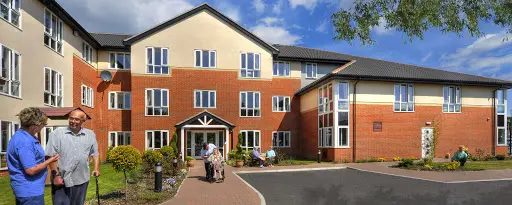
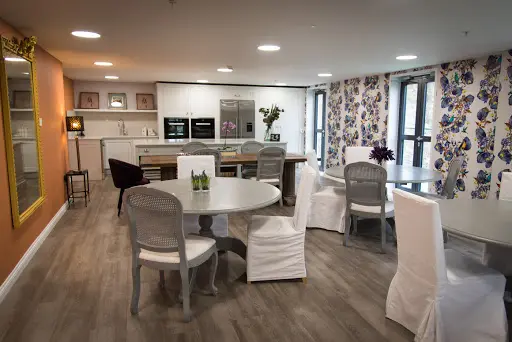
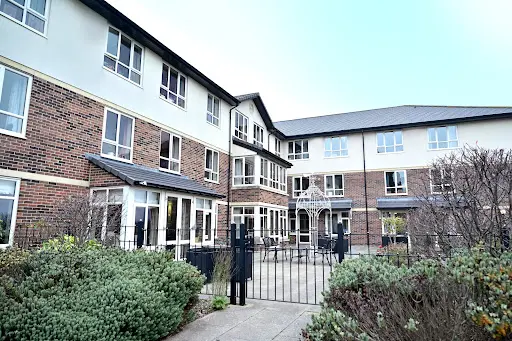
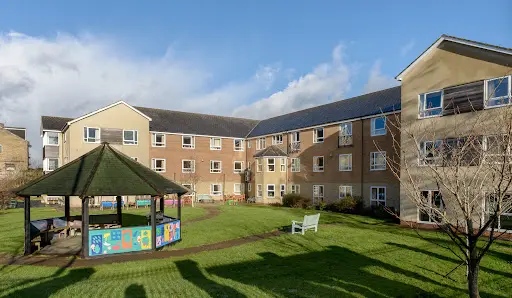
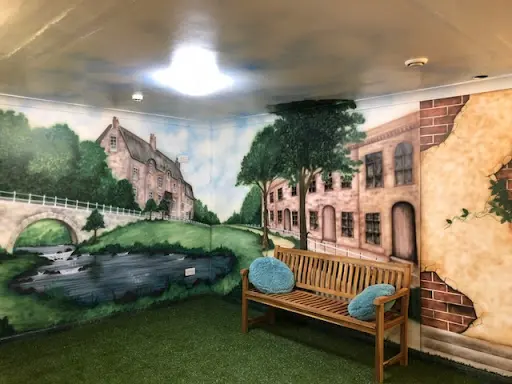
The activities programme keeps residents engaged throughout the week — from horticulture sessions and animal visits to entertainment and regular outings. Fish and Chips Friday has become a particularly popular tradition. While the home acknowledges its outdoor spaces could be better, staff work hard to ensure residents still get fresh air and variety.
“If you're feeling overwhelmed because nowhere else seems able to manage your loved one's needs, it might be worth having a conversation with Shoreline.”
DCC does not edit or curate content in this tab. For independently curated information, see The Evidence and DCC Verdict.