Coxhill Manor Nursing and Residential Home
At a Glance
The information you need to decide whether this home warrants a closer look.
Nursing homes
Staff warmth score
of reviewers answered yes
Good to know
- Registered beds52
- SpecialismsCaring for adults over 65 yrs, Caring for adults under 65 yrs, Dementia, Physical disabilities
- Last inspected2019-12-18
Save Coxhill Manor Nursing and Residential Home to your shortlist
Keep a running list, add visit notes, and compare homes side-by-side. Free account — it takes a minute.
STAGE 4 — RESEARCHING CARE HOMES
Visit homes. Compare them side by side. Choose with confidence.
Most of us will view care homes the way we view houses, impression, atmosphere, the feeling in the corridor. We go home, try to remember what we saw, and make a permanent decision from a blurred memory.

The DCC shortlist gives every home you visit a structured record: the same twelve questions, answered the same way, every time. When you’re ready to choose, pull any two homes side by side and compare them directly. Same criteria, same evidence, your notes and your scores.
The Evidence
What the review data, the inspection reports, and the dementia-care evidence base tell us about this home.
What families say
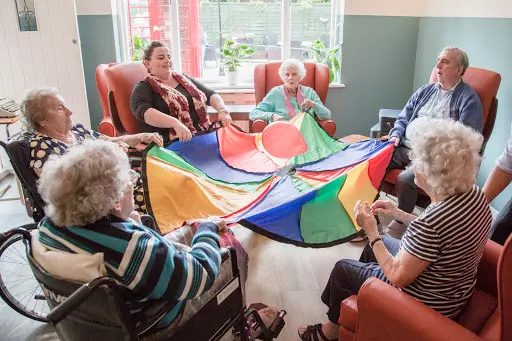
Visitors consistently describe feeling welcomed here, with staff taking time to chat over homemade cakes and proper cups of tea. Families notice their relatives looking happy and participating in the day's activities, whether that's joining in with entertainment or simply enjoying time in the well-kept gardens.
The eight family priority themes
- Staff warmth72
- Compassion & dignity72
- Cleanliness70
- Activities & engagement65
- Food quality65
- Healthcare70
- Management & leadership70
- Resident happiness68
What inspectors found
Inspected 2019-12-18
Is this home safe?
Is the care effective?
The Effective domain was rated Good at the September 2019 inspection. This domain covers training, care planning, healthcare access, nutrition, and whether care is based on current best practice. The home specialises in dementia care, which requires specific training beyond general care qualifications. No detail about training content, care plan frequency, GP access arrangements, or food quality is recorded in the published report.Is this home caring?
The Caring domain was rated Good at the September 2019 inspection. This domain covers staff warmth, dignity, respect, and whether residents are treated as individuals. Staff warmth is the single most important theme in our family review data, mentioned in 57.3% of positive reviews, and compassion and dignity appear in 55.2%. No specific inspector observations, staff interactions, or resident or relative quotes are recorded in the published report for this home.Is the home responsive?
The Responsive domain was rated Good at the September 2019 inspection. This domain covers activities, individual engagement, end-of-life care, and whether the home responds to the changing needs of the people who live there. The home is registered as specialising in dementia, which requires a thoughtful approach to activities for people at different stages. No detail about the activity programme, individual engagement, or end-of-life planning is recorded in the published report.Is the home well-led?
The Well-led domain was rated Good at the September 2019 inspection. A registered manager, Mr Sudhir Sijapati, and a nominated individual, Ms Rachel Harvey, were named at the time of registration. The home is operated by Aria Healthcare Group Ltd. The Well-led domain covers management culture, governance, accountability, staff support, and whether the home learns from incidents and complaints. No specific examples of leadership in action, staff feedback mechanisms, or governance processes are recorded in the published report.
Source: CQC inspection report →
What the evidence base says
The home provides both residential and nursing care, with particular experience supporting people living with dementia and physical disabilities. They welcome both younger adults under 65 and older residents who need round-the-clock support. Families with relatives living with dementia report feeling their loved ones are safe here, with staff who understand the specific care and support needed to help residents feel secure and maintain their daily routines. All areas worth probing directly during a visit.
The DCC Verdict
Our editorial view, built from the three lenses: what families tell us, what inspectors record, and how the home sits against good dementia-care practice.
DCC Family Score
Coxhill Manor Nursing and Residential Home received a Good rating across all five domains at its last inspection in September 2019, which is a positive baseline. However, because the published report contains very limited specific detail, observations, or direct testimony, scores reflect the Good rating rather than strong verified evidence.
Homes in South East typically score 68–82.The three-lens summary
What families tell us
Visitors consistently describe feeling welcomed here, with staff taking time to chat over homemade cakes and proper cups of tea. Families notice their relatives looking happy and participating in the day's activities, whether that's joining in with entertainment or simply enjoying time in the well-kept gardens.
What inspectors have recorded
The activities team receives specific mentions for keeping residents engaged throughout the day. However, one family experienced a serious concern when their relative's infection wasn't escalated to medical professionals quickly enough, resulting in a hospital admission that could have been prevented with earlier intervention.
How it sits against good practice
While the warmth and daily care here clearly matter to many families, that medical oversight concern suggests asking detailed questions about their clinical procedures when you visit.
Worth a visit
Coxhill Manor Nursing and Residential Home, on Station Road in Woking, was rated Good across all five inspection domains at its last inspection in September 2019, with the rating confirmed as still current following a monitoring review in July 2023. The home offers nursing and residential care for up to 52 people and specialises in dementia, physical disabilities, and care for both older and younger adults. A Good rating across every domain is a positive sign, indicating that inspectors found no significant concerns in safety, staffing, care quality, leadership, or responsiveness at the time of the visit. The main uncertainty here is that the published inspection report contains very little specific detail. There are no inspector observations, no direct quotes from residents or relatives, and no specific examples of what Good actually looked like in practice at Coxhill Manor. The rating is now over five years old, which means the home and its staff team may have changed considerably since it was awarded. Before making a decision, visit in person, ask to meet the current registered manager, and use the checklist questions in this report to fill the gaps that the inspection findings do not address.
The three questions to ask when you visitSave this home. Compare it against your shortlist.
Let our analysis show you how Coxhill Manor Nursing and Residential Home measures up against the other homes you’re considering. Free account.
In Their Own Words
How Coxhill Manor Nursing and Residential Home describes itself — collected from its own website. DCC has not edited or independently verified the content in this tab.
Warm staff and thoughtful dementia support in Woking home
Compassionate Care in Woking at Coxhill Manor Nursing and Residential Home
When families visit Coxhill Manor Nursing and Residential Home in Woking, they often mention the genuine friendliness that greets them at the door. This home cares for people with dementia, physical disabilities, and both younger and older adults who need residential or nursing support. The combination of structured daily activities and attentive staff creates an environment where residents seem content and engaged.
Who they care for
The home provides both residential and nursing care, with particular experience supporting people living with dementia and physical disabilities. They welcome both younger adults under 65 and older residents who need round-the-clock support.
Families with relatives living with dementia report feeling their loved ones are safe here, with staff who understand the specific care and support needed to help residents feel secure and maintain their daily routines.
“While the warmth and daily care here clearly matter to many families, that medical oversight concern suggests asking detailed questions about their clinical procedures when you visit.”
DCC does not edit or curate content in this tab. For independently curated information, see The Evidence and DCC Verdict.
The DCC Verdict
Our editorial view, built from the three lenses: what families tell us, what inspectors record, and how the home sits against good dementia-care practice.
DCC Family Score
Coxhill Manor Nursing and Residential Home received a Good rating across all five domains at its last inspection in September 2019, which is a positive baseline. However, because the published report contains very limited specific detail, observations, or direct testimony, scores reflect the Good rating rather than strong verified evidence.
Homes in South East typically score 68–82.The three-lens summary
What families tell us
Visitors consistently describe feeling welcomed here, with staff taking time to chat over homemade cakes and proper cups of tea. Families notice their relatives looking happy and participating in the day's activities, whether that's joining in with entertainment or simply enjoying time in the well-kept gardens.
What inspectors have recorded
The activities team receives specific mentions for keeping residents engaged throughout the day. However, one family experienced a serious concern when their relative's infection wasn't escalated to medical professionals quickly enough, resulting in a hospital admission that could have been prevented with earlier intervention.
How it sits against good practice
While the warmth and daily care here clearly matter to many families, that medical oversight concern suggests asking detailed questions about their clinical procedures when you visit.
Worth a visit
Coxhill Manor Nursing and Residential Home, on Station Road in Woking, was rated Good across all five inspection domains at its last inspection in September 2019, with the rating confirmed as still current following a monitoring review in July 2023. The home offers nursing and residential care for up to 52 people and specialises in dementia, physical disabilities, and care for both older and younger adults. A Good rating across every domain is a positive sign, indicating that inspectors found no significant concerns in safety, staffing, care quality, leadership, or responsiveness at the time of the visit. The main uncertainty here is that the published inspection report contains very little specific detail. There are no inspector observations, no direct quotes from residents or relatives, and no specific examples of what Good actually looked like in practice at Coxhill Manor. The rating is now over five years old, which means the home and its staff team may have changed considerably since it was awarded. Before making a decision, visit in person, ask to meet the current registered manager, and use the checklist questions in this report to fill the gaps that the inspection findings do not address.
The three questions to ask when you visitSave this home. Compare it against your shortlist.
Let our analysis show you how Coxhill Manor Nursing and Residential Home measures up against the other homes you’re considering. Free account.
In Their Own Words
How Coxhill Manor Nursing and Residential Home describes itself — collected from its own website. DCC has not edited or independently verified the content in this tab.
Warm staff and thoughtful dementia support in Woking home
Compassionate Care in Woking at Coxhill Manor Nursing and Residential Home
When families visit Coxhill Manor Nursing and Residential Home in Woking, they often mention the genuine friendliness that greets them at the door. This home cares for people with dementia, physical disabilities, and both younger and older adults who need residential or nursing support. The combination of structured daily activities and attentive staff creates an environment where residents seem content and engaged.
Who they care for
The home provides both residential and nursing care, with particular experience supporting people living with dementia and physical disabilities. They welcome both younger adults under 65 and older residents who need round-the-clock support.
Families with relatives living with dementia report feeling their loved ones are safe here, with staff who understand the specific care and support needed to help residents feel secure and maintain their daily routines.
Management & ethos
The activities team receives specific mentions for keeping residents engaged throughout the day. However, one family experienced a serious concern when their relative's infection wasn't escalated to medical professionals quickly enough, resulting in a hospital admission that could have been prevented with earlier intervention.
The home & environment
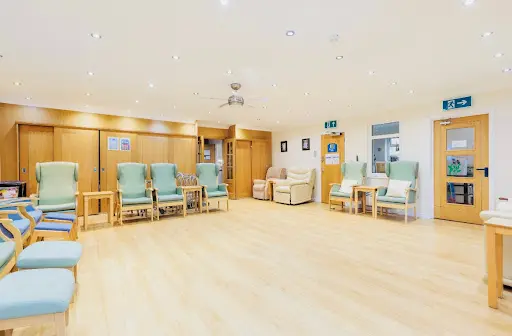
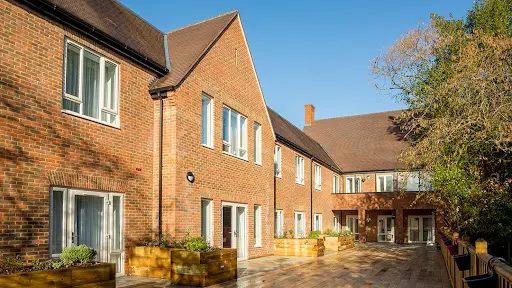
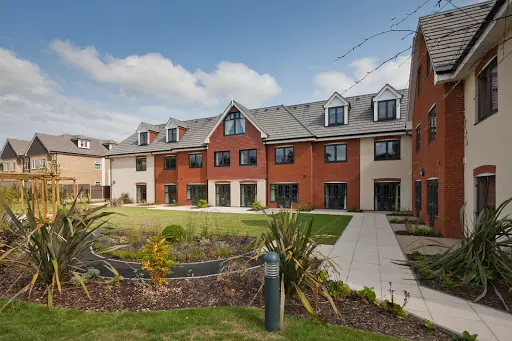
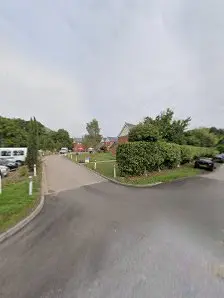
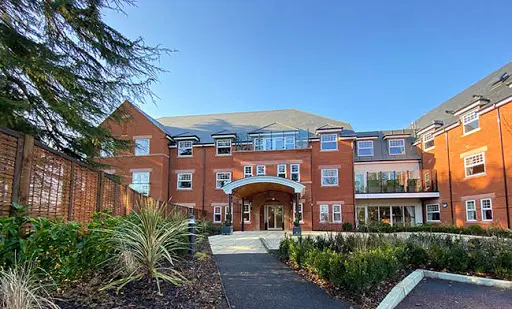
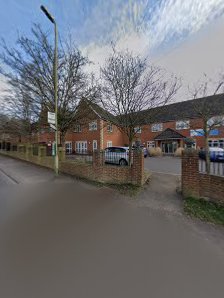
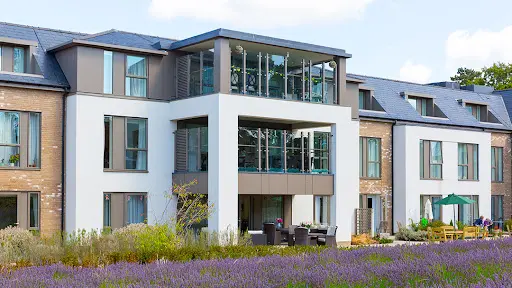
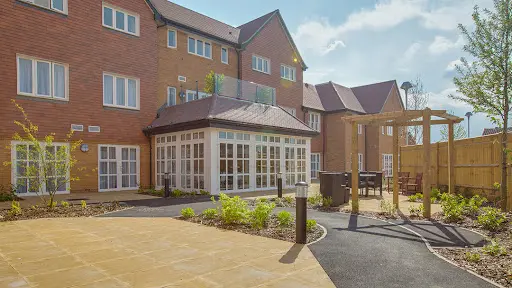
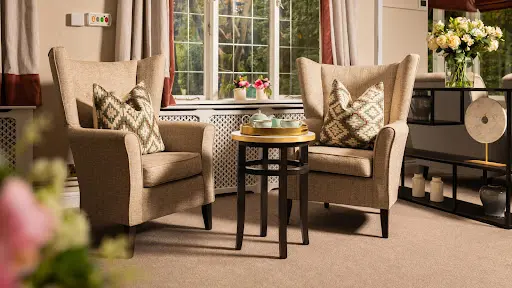
The food gets particular praise — proper home-cooked meals that residents actually enjoy eating. The building has been recently refurbished and families comment on how clean and well-maintained everything looks, from the communal areas to the outdoor spaces where residents can spend time when the weather's nice.
“While the warmth and daily care here clearly matter to many families, that medical oversight concern suggests asking detailed questions about their clinical procedures when you visit.”
DCC does not edit or curate content in this tab. For independently curated information, see The Evidence and DCC Verdict.