OSJCT Edwardstow Court

At a Glance
The information you need to decide whether this home warrants a closer look.
Residential homes
Staff warmth score
of reviewers answered yes
Good to know
- Registered beds48
- SpecialismsCaring for adults over 65 yrs, Caring for adults under 65 yrs, Dementia, Physical disabilities, Sensory impairment
- Last inspected2021-12-02
Save OSJCT Edwardstow Court to your shortlist
Keep a running list, add visit notes, and compare homes side-by-side. Free account — it takes a minute.
STAGE 4 — RESEARCHING CARE HOMES
Visit homes. Compare them side by side. Choose with confidence.
Most of us will view care homes the way we view houses, impression, atmosphere, the feeling in the corridor. We go home, try to remember what we saw, and make a permanent decision from a blurred memory.

The DCC shortlist gives every home you visit a structured record: the same twelve questions, answered the same way, every time. When you’re ready to choose, pull any two homes side by side and compare them directly. Same criteria, same evidence, your notes and your scores.
The Evidence
What the review data, the inspection reports, and the dementia-care evidence base tell us about this home.
What families say
Visitors often mention how the staff greet everyone — not just going through the motions, but with genuine friendliness that makes both residents and families feel valued. The atmosphere strikes people as notably calm, with entertainment and activities woven naturally into daily life rather than feeling scheduled or forced.
The eight family priority themes
- Staff warmth72
- Compassion & dignity74
- Cleanliness68
- Activities & engagement82
- Food quality60
- Healthcare68
- Management & leadership70
- Resident happiness75
What inspectors found
Inspected 2021-12-02
Is this home safe?
Is the care effective?
Effective was rated Good at the October 2022 inspection. This domain covers training, care planning, healthcare access, nutrition, and support for people with dementia. The published summary does not provide specific detail on care plan review frequency, dementia training content, or GP access arrangements. No concerns were identified. The home lists dementia as a specialism alongside physical disabilities and sensory impairment.Is this home caring?
Caring was rated Good at the October 2022 inspection. This domain covers dignity, respect, kindness, privacy, and independence. The published summary does not include specific inspector observations such as whether staff knocked before entering rooms or used preferred names. No concerns were raised. The Good rating indicates inspectors were satisfied that the standard of kindness and dignity was met.Is the home responsive?
Responsive was rated Outstanding at the October 2022 inspection, the highest possible rating. This domain covers activities, individuality, complaint handling, and end-of-life care. An Outstanding rating means inspectors found strong, specific evidence that the home goes beyond standard expectations in these areas. The published summary does not reproduce the specific examples that earned this rating. The home is run by a not-for-profit trust, which tends to support stability in responsiveness to residents.Is the home well-led?
Well-led was rated Good at the October 2022 inspection. A named registered manager, Matthew Charles Peach, is recorded as in post. A nominated individual, James Norman Robson, provides organisational oversight on behalf of The Orders of St. John Care Trust. The published summary does not describe the manager's visibility on the floor, how long they have been in post, or how staff are supported to raise concerns. No concerns about leadership or governance were identified.
Source: CQC inspection report →
What the evidence base says
Edwardstow Court provides residential care for adults over 65, with particular expertise in dementia support and sensory impairments. The home also welcomes younger adults with physical disabilities and offers respite stays. For those living with dementia, the home's calm environment and consistent staff approach create a reassuring daily rhythm. The combination of structured activities and flexible, person-centred care helps residents maintain their interests and connections. All areas worth probing directly during a visit.
The DCC Verdict
Our editorial view, built from the three lenses: what families tell us, what inspectors record, and how the home sits against good dementia-care practice.
DCC Family Score
Edwardstow Court scores well above average on activities and engagement, where inspectors rated the home Outstanding, and holds solid Good ratings across every other domain. The overall family score is held back by limited specific detail in the published report on food, night staffing, and cleanliness.
Homes in South West typically score 68–82.The three-lens summary
What families tell us
Visitors often mention how the staff greet everyone — not just going through the motions, but with genuine friendliness that makes both residents and families feel valued. The atmosphere strikes people as notably calm, with entertainment and activities woven naturally into daily life rather than feeling scheduled or forced.
What inspectors have recorded
The management team maintains a visible presence throughout the home, which families notice and appreciate. Staff morale appears strong, with team members showing genuine engagement in their work. The home has also built connections with local exercise providers and community groups, bringing fresh faces and energy into residents' routines.
How it sits against good practice
Sometimes the best recommendation comes from professionals who see many care homes — and choose to keep coming back to one in particular.
Worth a visit
Edwardstow Court Care Centre, in Cheltenham, was rated Good overall at its inspection in October 2022, with an Outstanding rating for Responsive care, the highest grade available. That Outstanding means inspectors found strong, specific evidence that the home goes beyond standard expectations in how it engages and responds to the people who live there. Every other domain, including safety, training, kindness, and management, was rated Good. The home is run by The Orders of St. John Care Trust, a not-for-profit charitable organisation with a long history in residential care. The main limitation of this report is that the published summary is brief, and many practical details that matter to families, including night staffing numbers, food quality, agency staff use, and dementia-specific environment design, are not recorded. The Outstanding Responsive rating gives real reason for confidence about activities and individuality, but you should visit during the day and, if possible, around a mealtime. Ask the manager specifically about night staffing ratios, how dementia training is delivered and assessed, and how families are kept informed when your parent's condition changes.
The three questions to ask when you visitSave this home. Compare it against your shortlist.
Let our analysis show you how OSJCT Edwardstow Court measures up against the other homes you’re considering. Free account.
In Their Own Words
How OSJCT Edwardstow Court describes itself — collected from its own website. DCC has not edited or independently verified the content in this tab.
Where kindness meets capability in Cheltenham dementia care
Residential home in Cheltenham: True Peace of Mind
When families describe a care home as both beautiful and genuinely welcoming, it catches your attention. Edwardstow Court Care Centre in Cheltenham seems to have found that balance between creating an attractive environment and fostering real warmth in daily care. Professionals who visit regularly and families who've experienced the home firsthand paint a consistent picture of thoughtful attention to what matters.
Who they care for
Edwardstow Court provides residential care for adults over 65, with particular expertise in dementia support and sensory impairments. The home also welcomes younger adults with physical disabilities and offers respite stays.
For those living with dementia, the home's calm environment and consistent staff approach create a reassuring daily rhythm. The combination of structured activities and flexible, person-centred care helps residents maintain their interests and connections.
“Sometimes the best recommendation comes from professionals who see many care homes — and choose to keep coming back to one in particular.”
DCC does not edit or curate content in this tab. For independently curated information, see The Evidence and DCC Verdict.
The DCC Verdict
Our editorial view, built from the three lenses: what families tell us, what inspectors record, and how the home sits against good dementia-care practice.
DCC Family Score
Edwardstow Court scores well above average on activities and engagement, where inspectors rated the home Outstanding, and holds solid Good ratings across every other domain. The overall family score is held back by limited specific detail in the published report on food, night staffing, and cleanliness.
Homes in South West typically score 68–82.The three-lens summary
What families tell us
Visitors often mention how the staff greet everyone — not just going through the motions, but with genuine friendliness that makes both residents and families feel valued. The atmosphere strikes people as notably calm, with entertainment and activities woven naturally into daily life rather than feeling scheduled or forced.
What inspectors have recorded
The management team maintains a visible presence throughout the home, which families notice and appreciate. Staff morale appears strong, with team members showing genuine engagement in their work. The home has also built connections with local exercise providers and community groups, bringing fresh faces and energy into residents' routines.
How it sits against good practice
Sometimes the best recommendation comes from professionals who see many care homes — and choose to keep coming back to one in particular.
Worth a visit
Edwardstow Court Care Centre, in Cheltenham, was rated Good overall at its inspection in October 2022, with an Outstanding rating for Responsive care, the highest grade available. That Outstanding means inspectors found strong, specific evidence that the home goes beyond standard expectations in how it engages and responds to the people who live there. Every other domain, including safety, training, kindness, and management, was rated Good. The home is run by The Orders of St. John Care Trust, a not-for-profit charitable organisation with a long history in residential care. The main limitation of this report is that the published summary is brief, and many practical details that matter to families, including night staffing numbers, food quality, agency staff use, and dementia-specific environment design, are not recorded. The Outstanding Responsive rating gives real reason for confidence about activities and individuality, but you should visit during the day and, if possible, around a mealtime. Ask the manager specifically about night staffing ratios, how dementia training is delivered and assessed, and how families are kept informed when your parent's condition changes.
The three questions to ask when you visitSave this home. Compare it against your shortlist.
Let our analysis show you how OSJCT Edwardstow Court measures up against the other homes you’re considering. Free account.
In Their Own Words
How OSJCT Edwardstow Court describes itself — collected from its own website. DCC has not edited or independently verified the content in this tab.
Where kindness meets capability in Cheltenham dementia care
Residential home in Cheltenham: True Peace of Mind
When families describe a care home as both beautiful and genuinely welcoming, it catches your attention. Edwardstow Court Care Centre in Cheltenham seems to have found that balance between creating an attractive environment and fostering real warmth in daily care. Professionals who visit regularly and families who've experienced the home firsthand paint a consistent picture of thoughtful attention to what matters.
Who they care for
Edwardstow Court provides residential care for adults over 65, with particular expertise in dementia support and sensory impairments. The home also welcomes younger adults with physical disabilities and offers respite stays.
For those living with dementia, the home's calm environment and consistent staff approach create a reassuring daily rhythm. The combination of structured activities and flexible, person-centred care helps residents maintain their interests and connections.
Management & ethos
The management team maintains a visible presence throughout the home, which families notice and appreciate. Staff morale appears strong, with team members showing genuine engagement in their work. The home has also built connections with local exercise providers and community groups, bringing fresh faces and energy into residents' routines.
The home & environment
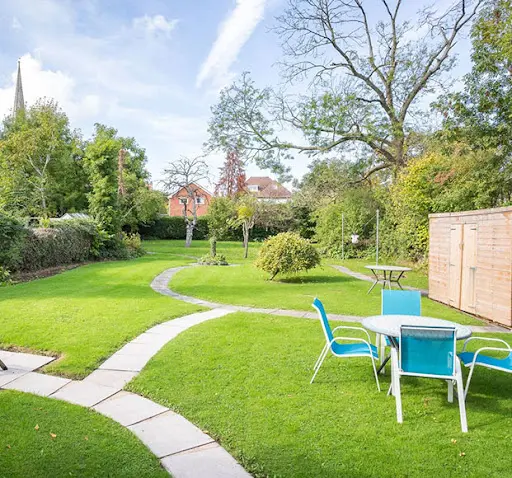
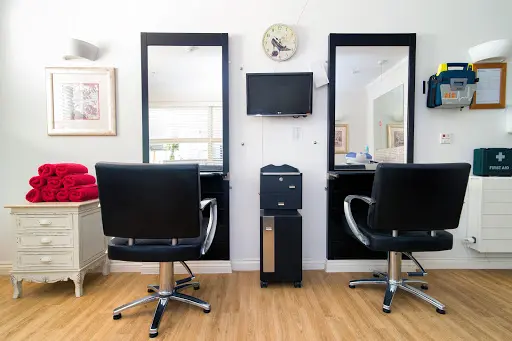
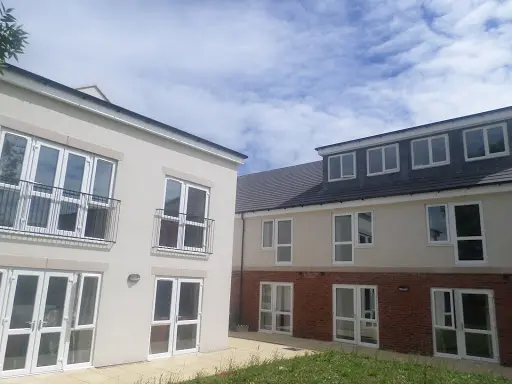
The building itself draws consistent praise for being well-maintained and thoughtfully designed. Families appreciate having comfortable spaces to visit, while the dining experience seems to be a particular bright spot — enough so that some visitors find themselves looking forward to mealtimes alongside their relatives.
“Sometimes the best recommendation comes from professionals who see many care homes — and choose to keep coming back to one in particular.”
DCC does not edit or curate content in this tab. For independently curated information, see The Evidence and DCC Verdict.