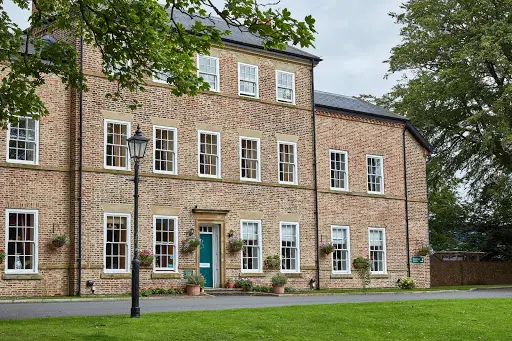
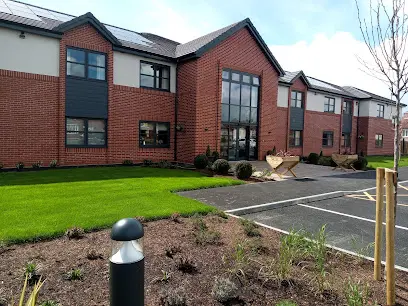
Cottingham Hall

At a Glance
The information you need to decide whether this home warrants a closer look.
Residential homes
Staff warmth score
of reviewers answered yes
Good to know
- Registered beds41
- SpecialismsCaring for adults over 65 yrs, Caring for adults under 65 yrs, Dementia, Physical disabilities
- Last inspected2024-01-04
Save Cottingham Hall to your shortlist
Keep a running list, add visit notes, and compare homes side-by-side. Free account — it takes a minute.
STAGE 4 — RESEARCHING CARE HOMES
Visit homes. Compare them side by side. Choose with confidence.
Most of us will view care homes the way we view houses, impression, atmosphere, the feeling in the corridor. We go home, try to remember what we saw, and make a permanent decision from a blurred memory.

The DCC shortlist gives every home you visit a structured record: the same twelve questions, answered the same way, every time. When you’re ready to choose, pull any two homes side by side and compare them directly. Same criteria, same evidence, your notes and your scores.
The Evidence
What the review data, the inspection reports, and the dementia-care evidence base tell us about this home.
What families say
Families talk about the warmth they feel from the moment they arrive. Staff show real patience and understanding, particularly when residents are going through difficult times or displaying challenging behaviours. There's a welcoming atmosphere that extends to visitors too, making family time feel natural and relaxed.
The eight family priority themes
- Staff warmth72
- Compassion & dignity72
- Cleanliness70
- Activities & engagement65
- Food quality65
- Healthcare70
- Management & leadership70
- Resident happiness70
What inspectors found
Inspected 2024-01-04
Is this home safe?
Is the care effective?
The Effective domain was rated Good. This covers whether staff have the training they need, whether care plans are detailed and kept up to date, whether residents have good access to GPs and other health professionals, and whether food meets individual needs. The published report does not include specific evidence on any of these areas: no detail on training completion, no mention of care plan reviews, no observations about mealtime support, and no evidence of healthcare professional involvement.Is this home caring?
The Caring domain was rated Good. Inspectors did not raise concerns about staff attitudes, dignity, or respect. The published text does not include direct observations of staff interactions, resident testimony about how they are treated, or specific examples of how dignity is maintained in practice. No quotes from residents or relatives were included in the published findings.Is the home responsive?
The Responsive domain was rated Good. This domain covers whether the home meets individual needs, whether activities are meaningful and varied, whether residents can make choices about their daily lives, and whether complaints are handled well. The published report contains no specific detail on any of these areas: no activity schedule, no evidence of individual engagement, no mention of how the home handles complaints, and no testimony from residents about whether they feel their preferences are respected.Is the home well-led?
The Well-led domain was rated Good. The registered provider is GB Healthcare Group Ltd, with Mr Thanabalasingam Shankar named as the nominated individual. A Good rating in this domain means inspectors found the governance and management arrangements to be satisfactory. The published report contains no detail about the registered manager's tenure, staff culture, how the home handles feedback, or whether staff feel able to raise concerns.
Source: CQC inspection report →
What the evidence base says
Cottingham Hall provides specialist care for adults over and under 65, including those living with dementia or physical disabilities. For residents with dementia, the team shows particular skill in managing changing needs and behaviours with patience and understanding. The flexible approach to routines works especially well for those whose patterns may differ from traditional schedules. All areas worth probing directly during a visit.
The DCC Verdict
Our editorial view, built from the three lenses: what families tell us, what inspectors record, and how the home sits against good dementia-care practice.
DCC Family Score
Cottingham Hall achieved a Good rating across all five inspection domains in November 2023, which is a positive baseline, but the published inspection text contains very limited specific detail, observations, or testimony, so scores reflect general positive findings rather than strong confirming evidence.
Homes in Yorkshire & Humberside typically score 68–82.The three-lens summary
What families tell us
Families talk about the warmth they feel from the moment they arrive. Staff show real patience and understanding, particularly when residents are going through difficult times or displaying challenging behaviours. There's a welcoming atmosphere that extends to visitors too, making family time feel natural and relaxed.
What inspectors have recorded
The team adapts daily routines around each resident's preferences — whether that's meal times, activities, or sleep patterns. They work with families to create meaningful moments, organising birthday celebrations and gatherings that bring everyone together. This individualised approach extends through every aspect of care, including maintaining dignity during the most difficult times.
How it sits against good practice
It's this combination of professional care and genuine flexibility that helps residents feel truly at home here.
Worth a visit
Cottingham Hall, on Hull's Cottingham Road, was rated Good across all five inspection domains at its last inspection in November 2023, with the report published in January 2024. This is a positive result: inspectors found no significant concerns in safety, effectiveness, care quality, responsiveness to residents, or leadership. The home is registered for 41 beds and cares for adults over and under 65, including people living with dementia and those with physical disabilities. The main limitation for families is that the published inspection text contains very little specific detail: no direct quotes from your parent's perspective, no named observations of staff interactions, and no specifics about food, activities, night staffing, or dementia environment. A Good rating tells you the home passed; it does not tell you what daily life looks like. Before making a decision, visit during the mid-morning activity period, ask to see last week's actual staffing rota including nights, and ask how many permanent staff work regularly on the dementia unit.
The three questions to ask when you visitSave this home. Compare it against your shortlist.
Let our analysis show you how Cottingham Hall measures up against the other homes you’re considering. Free account.
In Their Own Words
How Cottingham Hall describes itself — collected from its own website. DCC has not edited or independently verified the content in this tab.
Where flexible routines and genuine warmth create real comfort
Cottingham Hall – Your Trusted residential home
When your loved one needs care that truly adapts to who they are, finding the right place feels crucial. Cottingham Hall in Hull understands this deeply, creating an environment where residents' individual rhythms and preferences shape each day. The team here has built something special — a place where flexibility meets genuine care.
Who they care for
Cottingham Hall provides specialist care for adults over and under 65, including those living with dementia or physical disabilities.
For residents with dementia, the team shows particular skill in managing changing needs and behaviours with patience and understanding. The flexible approach to routines works especially well for those whose patterns may differ from traditional schedules.
“It's this combination of professional care and genuine flexibility that helps residents feel truly at home here.”
DCC does not edit or curate content in this tab. For independently curated information, see The Evidence and DCC Verdict.
The DCC Verdict
Our editorial view, built from the three lenses: what families tell us, what inspectors record, and how the home sits against good dementia-care practice.
DCC Family Score
Cottingham Hall achieved a Good rating across all five inspection domains in November 2023, which is a positive baseline, but the published inspection text contains very limited specific detail, observations, or testimony, so scores reflect general positive findings rather than strong confirming evidence.
Homes in Yorkshire & Humberside typically score 68–82.The three-lens summary
What families tell us
Families talk about the warmth they feel from the moment they arrive. Staff show real patience and understanding, particularly when residents are going through difficult times or displaying challenging behaviours. There's a welcoming atmosphere that extends to visitors too, making family time feel natural and relaxed.
What inspectors have recorded
The team adapts daily routines around each resident's preferences — whether that's meal times, activities, or sleep patterns. They work with families to create meaningful moments, organising birthday celebrations and gatherings that bring everyone together. This individualised approach extends through every aspect of care, including maintaining dignity during the most difficult times.
How it sits against good practice
It's this combination of professional care and genuine flexibility that helps residents feel truly at home here.
Worth a visit
Cottingham Hall, on Hull's Cottingham Road, was rated Good across all five inspection domains at its last inspection in November 2023, with the report published in January 2024. This is a positive result: inspectors found no significant concerns in safety, effectiveness, care quality, responsiveness to residents, or leadership. The home is registered for 41 beds and cares for adults over and under 65, including people living with dementia and those with physical disabilities. The main limitation for families is that the published inspection text contains very little specific detail: no direct quotes from your parent's perspective, no named observations of staff interactions, and no specifics about food, activities, night staffing, or dementia environment. A Good rating tells you the home passed; it does not tell you what daily life looks like. Before making a decision, visit during the mid-morning activity period, ask to see last week's actual staffing rota including nights, and ask how many permanent staff work regularly on the dementia unit.
The three questions to ask when you visitSave this home. Compare it against your shortlist.
Let our analysis show you how Cottingham Hall measures up against the other homes you’re considering. Free account.
In Their Own Words
How Cottingham Hall describes itself — collected from its own website. DCC has not edited or independently verified the content in this tab.
Where flexible routines and genuine warmth create real comfort
Cottingham Hall – Your Trusted residential home
When your loved one needs care that truly adapts to who they are, finding the right place feels crucial. Cottingham Hall in Hull understands this deeply, creating an environment where residents' individual rhythms and preferences shape each day. The team here has built something special — a place where flexibility meets genuine care.
Who they care for
Cottingham Hall provides specialist care for adults over and under 65, including those living with dementia or physical disabilities.
For residents with dementia, the team shows particular skill in managing changing needs and behaviours with patience and understanding. The flexible approach to routines works especially well for those whose patterns may differ from traditional schedules.
Management & ethos
The team adapts daily routines around each resident's preferences — whether that's meal times, activities, or sleep patterns. They work with families to create meaningful moments, organising birthday celebrations and gatherings that bring everyone together. This individualised approach extends through every aspect of care, including maintaining dignity during the most difficult times.
The home & environment
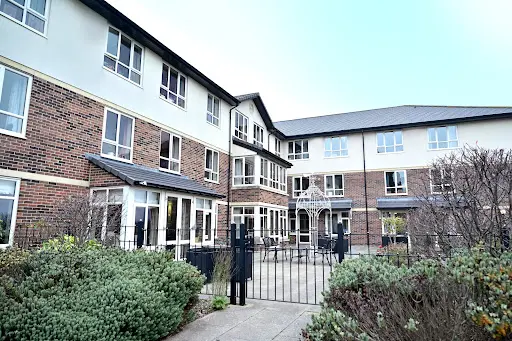
The secure garden gives residents freedom to enjoy fresh air whenever they choose, with comfortable seating and safety measures that provide reassurance without feeling restrictive. Staff ensure residents can communicate easily when outside, maintaining that important connection while encouraging independence.
“It's this combination of professional care and genuine flexibility that helps residents feel truly at home here.”
DCC does not edit or curate content in this tab. For independently curated information, see The Evidence and DCC Verdict.