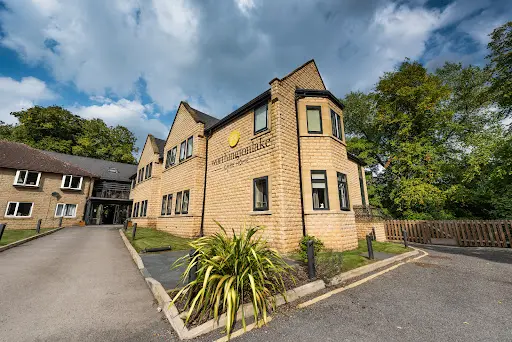
Worthington Lake Care Home
At a Glance
The information you need to decide whether this home warrants a closer look.
Residential homes
Staff warmth score
of reviewers answered yes
Good to know
- Registered beds34
- SpecialismsCaring for adults over 65 yrs, Dementia
- Last inspected2020-04-16
Save Worthington Lake Care Home to your shortlist
Keep a running list, add visit notes, and compare homes side-by-side. Free account — it takes a minute.
STAGE 4 — RESEARCHING CARE HOMES
Visit homes. Compare them side by side. Choose with confidence.
Most of us will view care homes the way we view houses, impression, atmosphere, the feeling in the corridor. We go home, try to remember what we saw, and make a permanent decision from a blurred memory.

The DCC shortlist gives every home you visit a structured record: the same twelve questions, answered the same way, every time. When you’re ready to choose, pull any two homes side by side and compare them directly. Same criteria, same evidence, your notes and your scores.
The Evidence
What the review data, the inspection reports, and the dementia-care evidence base tell us about this home.
What families say
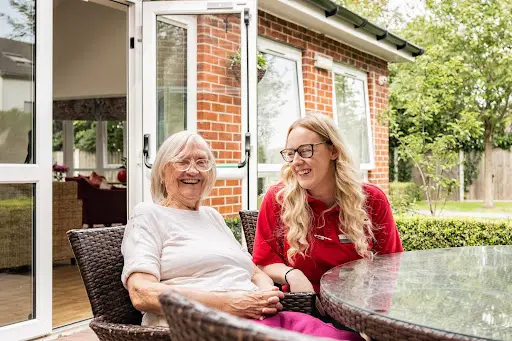
What strikes families most is watching their relatives genuinely settle in. People who initially ask to leave soon stop mentioning it — they're too busy planning garden visits or chatting with staff who remember exactly how they take their tea. The open layout means residents naturally mix throughout the day, creating a buzzing atmosphere where loneliness struggles to take hold.
The eight family priority themes
- Staff warmth55
- Compassion & dignity55
- Cleanliness55
- Activities & engagement50
- Food quality50
- Healthcare55
- Management & leadership60
- Resident happiness55
What inspectors found
Inspected 2020-04-16
Is this home safe?
Is the care effective?
The home was rated Good for Effective, covering training, care planning, healthcare access, and nutrition. The home specialises in dementia care, which means inspectors would have considered whether staff training and care plans reflect the specific needs of people living with dementia. No specific detail about training content, GP access arrangements, or care plan quality is included in the published findings. The Good rating indicates standards were met at the time of inspection.Is this home caring?
Worthington Lake Care Home received a Good rating for Caring, which covers staff warmth, dignity, respect, and support for independence. This is the domain most directly relevant to whether your parent will feel treated as a person rather than a task. No direct observations, resident quotes, or relative feedback are included in the published summary. The rating confirms inspectors were satisfied with caring practice, but the absence of detail makes it difficult to describe what that looks like day to day.Is the home responsive?
The home received a Good rating for Responsive, which covers activities, individual engagement, complaints handling, and end-of-life care. The home is registered as a specialist dementia service, so responsiveness to individual needs and preferences is particularly important. No specific detail about the activities programme, one-to-one engagement, or how individual preferences are met is included in the published summary. The rating confirms the home met required standards in this domain.Is the home well-led?
Worthington Lake Care Home received a Good rating for Well-led and has a named registered manager, Mrs Kim Marie Jones, alongside a nominated individual, Mrs Stacey Jayne Astin. Both are formally registered with the regulator, which confirms a clear accountability structure. A monitoring review in July 2023 found no evidence that the rating needed to be changed. No specific detail about management visibility, staff culture, governance processes, or complaint handling is included in the published summary.
Source: CQC inspection report →
What the evidence base says
The home provides specialist dementia care alongside general support for adults over 65. For those living with dementia, the team creates structure through familiar routines while encouraging independence where possible. Regular outings to the seaside, local pubs, and shops help residents maintain connections to the wider world. All areas worth probing directly during a visit.
The DCC Verdict
Our editorial view, built from the three lenses: what families tell us, what inspectors record, and how the home sits against good dementia-care practice.
DCC Family Score
Worthington Lake Care Home received a Good rating across all five inspection domains in February 2022, which is a meaningful baseline. However, the published report contains very little specific detail, so scores reflect the rating itself rather than rich evidence of what daily life actually looks like.
Homes in North West typically score 68–82.The three-lens summary
What families tell us
What strikes families most is watching their relatives genuinely settle in. People who initially ask to leave soon stop mentioning it — they're too busy planning garden visits or chatting with staff who remember exactly how they take their tea. The open layout means residents naturally mix throughout the day, creating a buzzing atmosphere where loneliness struggles to take hold.
What inspectors have recorded
Staff here treat residents as individuals worth knowing — they'll sit for a proper chat, share a joke, and notice when someone needs extra reassurance. The management team stays visible throughout the home, checking in with families and setting a tone of genuine warmth. When residents need help, someone responds quickly, whether it's assistance with daily tasks or just company during a difficult moment.
How it sits against good practice
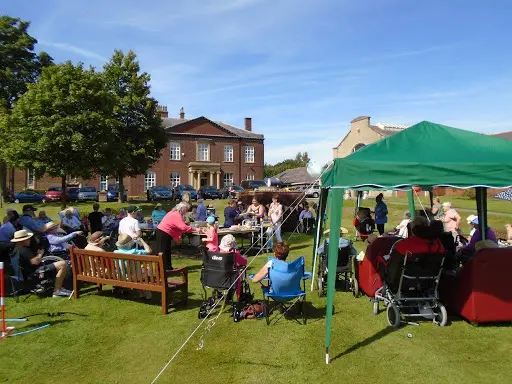
It's the kind of place where birthday parties happen spontaneously and visiting toddlers from the local nursery bring unexpected joy to Tuesday afternoons.
Worth a visit
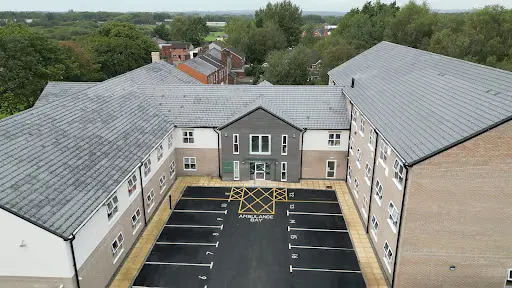
Worthington Lake Care Home, on Chorley Road in Wigan, was rated Good across all five inspection domains at its last inspection in February 2022. The home is registered to care for up to 34 adults over 65, including people living with dementia, and is run by Millennium Care (UK) Limited with a named registered manager in post. A Good rating across the board is a positive starting point, and a subsequent monitoring review in July 2023 found no reason to change that rating. The main limitation here is that the published inspection summary contains very little specific detail about what daily life actually looks like. There are no direct observations, no resident or relative quotes, and no figures for staffing, training, or activities included in the published report. This means the Good rating tells you the home met required standards, but it does not tell you whether it will feel right for your parent. A visit is essential. Pay close attention to how staff interact with residents when they do not know you are watching, ask to see last week's actual staffing rota rather than a template, and ask specifically about one-to-one engagement for people living with dementia who may not join group activities.
The three questions to ask when you visitSave this home. Compare it against your shortlist.
Let our analysis show you how Worthington Lake Care Home measures up against the other homes you’re considering. Free account.
In Their Own Words
How Worthington Lake Care Home describes itself — collected from its own website. DCC has not edited or independently verified the content in this tab.
Where residents rediscover contentment in Wigan's welcoming community
Compassionate Care in Wigan at Worthington Lake Care Home
Families searching for dementia care often worry about how their loved ones will adjust to new surroundings. At Worthington Lake Care Home in Wigan, that worry tends to fade quickly. Residents who arrive unsettled often find themselves joining in activities, chatting with neighbours, and looking forward to freshly baked treats within weeks.
Who they care for
The home provides specialist dementia care alongside general support for adults over 65.
For those living with dementia, the team creates structure through familiar routines while encouraging independence where possible. Regular outings to the seaside, local pubs, and shops help residents maintain connections to the wider world.
“It's the kind of place where birthday parties happen spontaneously and visiting toddlers from the local nursery bring unexpected joy to Tuesday afternoons.”
DCC does not edit or curate content in this tab. For independently curated information, see The Evidence and DCC Verdict.
The DCC Verdict
Our editorial view, built from the three lenses: what families tell us, what inspectors record, and how the home sits against good dementia-care practice.
DCC Family Score
Worthington Lake Care Home received a Good rating across all five inspection domains in February 2022, which is a meaningful baseline. However, the published report contains very little specific detail, so scores reflect the rating itself rather than rich evidence of what daily life actually looks like.
Homes in North West typically score 68–82.The three-lens summary
What families tell us
What strikes families most is watching their relatives genuinely settle in. People who initially ask to leave soon stop mentioning it — they're too busy planning garden visits or chatting with staff who remember exactly how they take their tea. The open layout means residents naturally mix throughout the day, creating a buzzing atmosphere where loneliness struggles to take hold.
What inspectors have recorded
Staff here treat residents as individuals worth knowing — they'll sit for a proper chat, share a joke, and notice when someone needs extra reassurance. The management team stays visible throughout the home, checking in with families and setting a tone of genuine warmth. When residents need help, someone responds quickly, whether it's assistance with daily tasks or just company during a difficult moment.
How it sits against good practice
It's the kind of place where birthday parties happen spontaneously and visiting toddlers from the local nursery bring unexpected joy to Tuesday afternoons.
Worth a visit
Worthington Lake Care Home, on Chorley Road in Wigan, was rated Good across all five inspection domains at its last inspection in February 2022. The home is registered to care for up to 34 adults over 65, including people living with dementia, and is run by Millennium Care (UK) Limited with a named registered manager in post. A Good rating across the board is a positive starting point, and a subsequent monitoring review in July 2023 found no reason to change that rating. The main limitation here is that the published inspection summary contains very little specific detail about what daily life actually looks like. There are no direct observations, no resident or relative quotes, and no figures for staffing, training, or activities included in the published report. This means the Good rating tells you the home met required standards, but it does not tell you whether it will feel right for your parent. A visit is essential. Pay close attention to how staff interact with residents when they do not know you are watching, ask to see last week's actual staffing rota rather than a template, and ask specifically about one-to-one engagement for people living with dementia who may not join group activities.
The three questions to ask when you visitSave this home. Compare it against your shortlist.
Let our analysis show you how Worthington Lake Care Home measures up against the other homes you’re considering. Free account.
In Their Own Words
How Worthington Lake Care Home describes itself — collected from its own website. DCC has not edited or independently verified the content in this tab.
Where residents rediscover contentment in Wigan's welcoming community
Compassionate Care in Wigan at Worthington Lake Care Home
Families searching for dementia care often worry about how their loved ones will adjust to new surroundings. At Worthington Lake Care Home in Wigan, that worry tends to fade quickly. Residents who arrive unsettled often find themselves joining in activities, chatting with neighbours, and looking forward to freshly baked treats within weeks.
Who they care for
The home provides specialist dementia care alongside general support for adults over 65.
For those living with dementia, the team creates structure through familiar routines while encouraging independence where possible. Regular outings to the seaside, local pubs, and shops help residents maintain connections to the wider world.
Management & ethos
Staff here treat residents as individuals worth knowing — they'll sit for a proper chat, share a joke, and notice when someone needs extra reassurance. The management team stays visible throughout the home, checking in with families and setting a tone of genuine warmth. When residents need help, someone responds quickly, whether it's assistance with daily tasks or just company during a difficult moment.
The home & environment
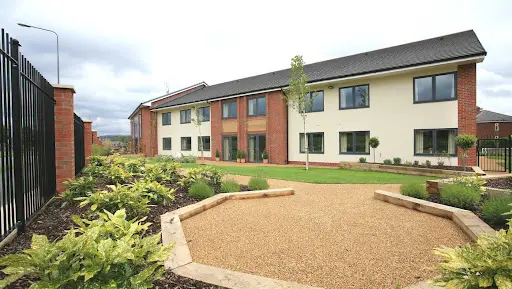
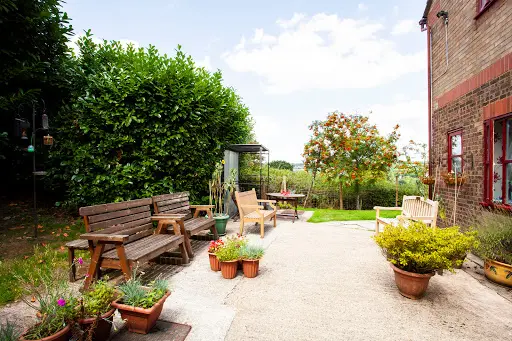
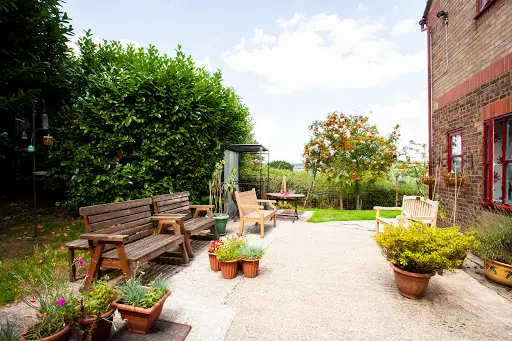
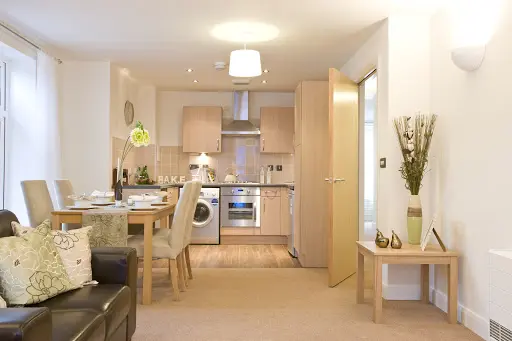
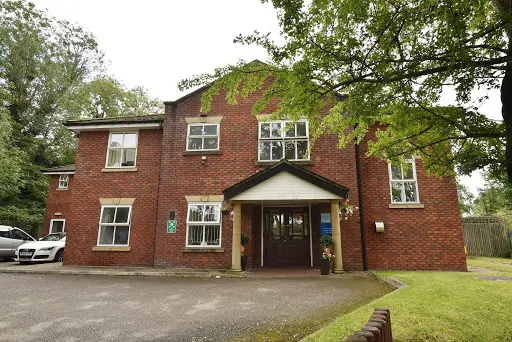
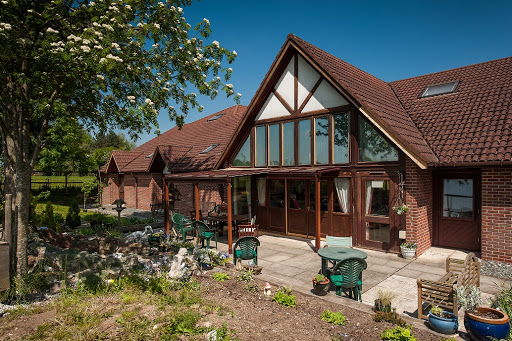
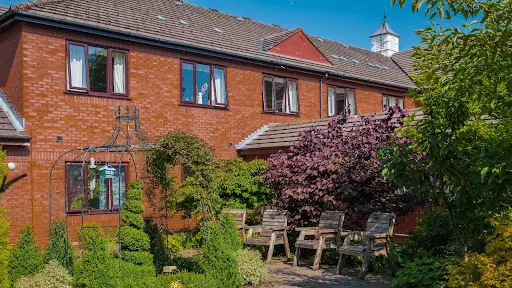
The kitchen produces everything fresh daily, from hearty meals to afternoon cakes, with menus that reflect what residents actually want to eat. Rooms stay spotless and odour-free, decorated with personal touches that make them feel like private sanctuaries. The gardens offer quiet spots for contemplation, while the communal areas buzz with celebrations and daily activities.
“It's the kind of place where birthday parties happen spontaneously and visiting toddlers from the local nursery bring unexpected joy to Tuesday afternoons.”
DCC does not edit or curate content in this tab. For independently curated information, see The Evidence and DCC Verdict.