St Winifreds Care Home

At a Glance
The information you need to decide whether this home warrants a closer look.
Nursing homes, Residential homes
Staff warmth score
of reviewers answered yes
Good to know
- Registered beds59
- SpecialismsCaring for adults over 65 yrs, Caring for adults under 65 yrs, Dementia, Physical disabilities
- Last inspected2021-01-14
Save St Winifreds Care Home to your shortlist
Keep a running list, add visit notes, and compare homes side-by-side. Free account — it takes a minute.
STAGE 4 — RESEARCHING CARE HOMES
Visit homes. Compare them side by side. Choose with confidence.
Most of us will view care homes the way we view houses, impression, atmosphere, the feeling in the corridor. We go home, try to remember what we saw, and make a permanent decision from a blurred memory.

The DCC shortlist gives every home you visit a structured record: the same twelve questions, answered the same way, every time. When you’re ready to choose, pull any two homes side by side and compare them directly. Same criteria, same evidence, your notes and your scores.
The Evidence
What the review data, the inspection reports, and the dementia-care evidence base tell us about this home.
What families say
Families often comment on the friendly atmosphere when they visit. Staff are described as warm and approachable, making an effort to chat with both residents and their visitors. The home runs regular activities and encourages families to get involved through dedicated family days.
The eight family priority themes
- Staff warmth72
- Compassion & dignity72
- Cleanliness68
- Activities & engagement42
- Food quality55
- Healthcare68
- Management & leadership72
- Resident happiness65
What inspectors found
Inspected 2021-01-14
Is this home safe?
Is the care effective?
The home was rated Good for Effective at its December 2020 inspection. This domain covers how well staff know and plan for each resident's individual needs, including dementia care, healthcare access, nutrition, and training. St Winifreds lists dementia as a specialism, which means inspectors would have scrutinised whether staff have the knowledge to support people living with dementia. The published summary does not include specific examples of care plan content, GP visit frequency, or the detail of dementia training provided. No concerns in this domain are recorded.Is this home caring?
St Winifreds received a Good rating for Caring at its December 2020 inspection. This domain covers how staff treat the people who live there, including dignity, respect, privacy, and whether care feels genuinely person-centred rather than task-focused. The published summary does not include specific inspector observations of staff interactions, named quotes from residents or relatives, or examples of how the home supports independence. No concerns in this domain are recorded, and the improvement from Requires Improvement overall suggests the previous inspection's issues have been resolved.Is the home responsive?
The Responsive domain was rated Requires Improvement at the December 2020 inspection. This is the domain that covers how well the home tailors care and daily life to the individual needs of the people who live there, including activities, engagement, and how complaints are handled. This rating means inspectors found specific shortfalls in this area that had not yet been resolved. The published summary does not detail what those shortfalls were, which is a significant gap for families. No detail on activity provision, individual engagement, or complaint handling is included in the published text.Is the home well-led?
St Winifreds was rated Good for Well-led at its December 2020 inspection. The home is operated by Nellsar Limited, with Mrs Tracy Ann Wright as registered manager and Mr Martin Barrett as nominated individual. A named leadership structure being in place is a basic but important indicator. The Good rating for Well-led suggests inspectors found the governance, accountability, and culture of the home to be satisfactory. The published summary does not include specific observations on management visibility, staff culture, or how the home learns from incidents. The overall improvement from Requires Improvement is itself a meaningful signal that leadership is functioning.
Source: CQC inspection report →
What the evidence base says
The home cares for adults of all ages, including younger people under 65 with physical disabilities. They also provide specialist dementia support. For those living with dementia, the home offers dedicated support as part of their specialist services. The team works with residents at different stages of their dementia journey. All areas worth probing directly during a visit.
The DCC Verdict
Our editorial view, built from the three lenses: what families tell us, what inspectors record, and how the home sits against good dementia-care practice.
DCC Family Score
St Winifreds Care Centre scores 68 out of 100, reflecting a genuine improvement from its previous Requires Improvement rating, with solid evidence across safety, care, and leadership, but a significant gap in how well it keeps your parent meaningfully engaged day to day.
Homes in South East typically score 68–82.The three-lens summary
What families tell us
Families often comment on the friendly atmosphere when they visit. Staff are described as warm and approachable, making an effort to chat with both residents and their visitors. The home runs regular activities and encourages families to get involved through dedicated family days.
What inspectors have recorded
Communication with management seems to vary depending on individual experiences. While some families have found managers supportive during their relative's stay, others have encountered challenges getting their concerns addressed. The responsiveness to care needs, particularly during busy periods, has been inconsistent.
How it sits against good practice
If you're considering St Winifreds, it's worth asking specific questions about their care routines and how they handle different situations throughout the day and night.
Worth a visit
St Winifreds Care Centre, at 236 London Road, Deal, was rated Good overall at its inspection in December 2020, an improvement on its previous Requires Improvement rating. Inspectors found the home met the Good standard across safety, effectiveness, caring, and leadership. The home supports a broad range of needs, including dementia and physical disabilities, across 59 beds, and is run by Nellsar Limited with a named registered manager in post. The one area that needs careful scrutiny is the Responsive domain, which was rated Requires Improvement. This means inspectors were not satisfied with how well the home was meeting people's individual needs, day-to-day engagement, and activity provision. This is the domain most directly linked to your parent's quality of life, not just their safety. On your visit, ask to see four weeks of actual activity records (not the planned schedule), ask specifically what happens for residents who cannot join group activities, and observe whether staff are stopping to talk and engage or moving at pace through tasks. The published summary is brief, so many areas in this report are based on domain ratings rather than specific inspection observations. Use the checklist above to fill the gaps before making your decision.
The three questions to ask when you visitSave this home. Compare it against your shortlist.
Let our analysis show you how St Winifreds Care Home measures up against the other homes you’re considering. Free account.
In Their Own Words
How St Winifreds Care Home describes itself — collected from its own website. DCC has not edited or independently verified the content in this tab.
Finding the right balance between warmth and clinical care
St Winifreds – Expert Care in Deal
When you're looking for care that combines friendliness with proper support, St Winifreds Care Centre in Deal offers a mixed picture worth understanding. The home specialises in supporting people of all ages with physical disabilities and dementia, alongside general care for those over 65. Some families have found real warmth here, while others have raised concerns about consistency.
Who they care for
The home cares for adults of all ages, including younger people under 65 with physical disabilities. They also provide specialist dementia support.
For those living with dementia, the home offers dedicated support as part of their specialist services. The team works with residents at different stages of their dementia journey.
“If you're considering St Winifreds, it's worth asking specific questions about their care routines and how they handle different situations throughout the day and night.”
DCC does not edit or curate content in this tab. For independently curated information, see The Evidence and DCC Verdict.
The DCC Verdict
Our editorial view, built from the three lenses: what families tell us, what inspectors record, and how the home sits against good dementia-care practice.
DCC Family Score
St Winifreds Care Centre scores 68 out of 100, reflecting a genuine improvement from its previous Requires Improvement rating, with solid evidence across safety, care, and leadership, but a significant gap in how well it keeps your parent meaningfully engaged day to day.
Homes in South East typically score 68–82.The three-lens summary
What families tell us
Families often comment on the friendly atmosphere when they visit. Staff are described as warm and approachable, making an effort to chat with both residents and their visitors. The home runs regular activities and encourages families to get involved through dedicated family days.
What inspectors have recorded
Communication with management seems to vary depending on individual experiences. While some families have found managers supportive during their relative's stay, others have encountered challenges getting their concerns addressed. The responsiveness to care needs, particularly during busy periods, has been inconsistent.
How it sits against good practice
If you're considering St Winifreds, it's worth asking specific questions about their care routines and how they handle different situations throughout the day and night.
Worth a visit
St Winifreds Care Centre, at 236 London Road, Deal, was rated Good overall at its inspection in December 2020, an improvement on its previous Requires Improvement rating. Inspectors found the home met the Good standard across safety, effectiveness, caring, and leadership. The home supports a broad range of needs, including dementia and physical disabilities, across 59 beds, and is run by Nellsar Limited with a named registered manager in post. The one area that needs careful scrutiny is the Responsive domain, which was rated Requires Improvement. This means inspectors were not satisfied with how well the home was meeting people's individual needs, day-to-day engagement, and activity provision. This is the domain most directly linked to your parent's quality of life, not just their safety. On your visit, ask to see four weeks of actual activity records (not the planned schedule), ask specifically what happens for residents who cannot join group activities, and observe whether staff are stopping to talk and engage or moving at pace through tasks. The published summary is brief, so many areas in this report are based on domain ratings rather than specific inspection observations. Use the checklist above to fill the gaps before making your decision.
The three questions to ask when you visitSave this home. Compare it against your shortlist.
Let our analysis show you how St Winifreds Care Home measures up against the other homes you’re considering. Free account.
In Their Own Words
How St Winifreds Care Home describes itself — collected from its own website. DCC has not edited or independently verified the content in this tab.
Finding the right balance between warmth and clinical care
St Winifreds – Expert Care in Deal
When you're looking for care that combines friendliness with proper support, St Winifreds Care Centre in Deal offers a mixed picture worth understanding. The home specialises in supporting people of all ages with physical disabilities and dementia, alongside general care for those over 65. Some families have found real warmth here, while others have raised concerns about consistency.
Who they care for
The home cares for adults of all ages, including younger people under 65 with physical disabilities. They also provide specialist dementia support.
For those living with dementia, the home offers dedicated support as part of their specialist services. The team works with residents at different stages of their dementia journey.
Management & ethos
Communication with management seems to vary depending on individual experiences. While some families have found managers supportive during their relative's stay, others have encountered challenges getting their concerns addressed. The responsiveness to care needs, particularly during busy periods, has been inconsistent.
The home & environment
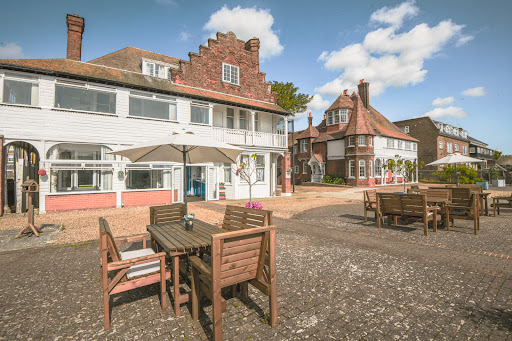
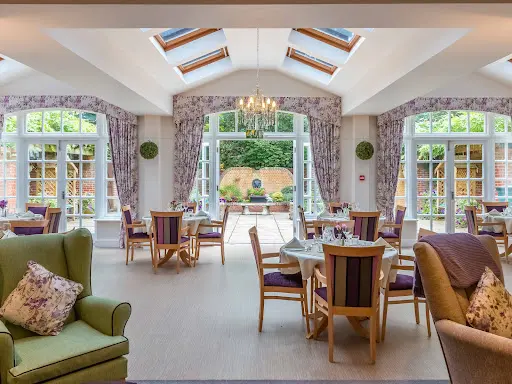
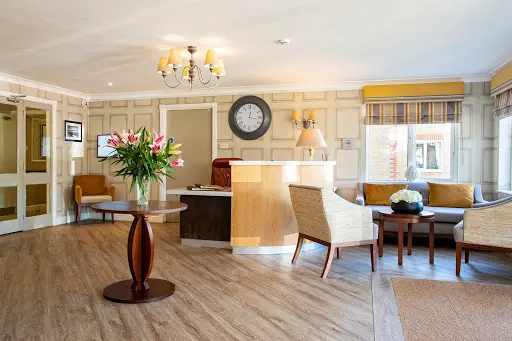
The kitchen provides home-cooked meals that families have noticed look appetising. Some visitors have mentioned the rooms being nicely decorated when refreshed, though the corridors can feel a bit cramped.
“If you're considering St Winifreds, it's worth asking specific questions about their care routines and how they handle different situations throughout the day and night.”
DCC does not edit or curate content in this tab. For independently curated information, see The Evidence and DCC Verdict.