MHA Lauriston – Residential, Nursing & Dementia Care Home
At a Glance
The information you need to decide whether this home warrants a closer look.
Nursing homes
Staff warmth score
of reviewers answered yes
Good to know
- Registered beds60
- SpecialismsCaring for adults over 65 yrs, Caring for adults under 65 yrs, Dementia
- Last inspected2022-11-17
Save MHA Lauriston – Residential, Nursing & Dementia Care Home to your shortlist
Keep a running list, add visit notes, and compare homes side-by-side. Free account — it takes a minute.
STAGE 4 — RESEARCHING CARE HOMES
Visit homes. Compare them side by side. Choose with confidence.
Most of us will view care homes the way we view houses, impression, atmosphere, the feeling in the corridor. We go home, try to remember what we saw, and make a permanent decision from a blurred memory.

The DCC shortlist gives every home you visit a structured record: the same twelve questions, answered the same way, every time. When you’re ready to choose, pull any two homes side by side and compare them directly. Same criteria, same evidence, your notes and your scores.
The Evidence
What the review data, the inspection reports, and the dementia-care evidence base tell us about this home.
What families say
People talk about the difference those small dining tables make — residents eating together, chatting over home-cooked meals, forming friendships. The garden becomes a natural gathering spot when weather permits, with families mentioning how their relatives enjoy sitting outside together.
The eight family priority themes
- Staff warmth72
- Compassion & dignity72
- Cleanliness65
- Activities & engagement60
- Food quality60
- Healthcare68
- Management & leadership45
- Resident happiness65
What inspectors found
Inspected 2022-11-17
Is this home safe?
Is the care effective?
The Effective domain was rated Good at the October 2022 inspection. This covers care planning, staff training, healthcare access, and nutrition. Lauriston holds a dementia specialism, which means the regulator has confirmed it accepts people living with dementia, though it does not in itself tell you the quality of dementia-specific practice. The published summary does not include specific detail about care plan content, dementia training curricula, or food quality observations.Is this home caring?
The Caring domain was rated Good at the October 2022 inspection. This is the domain most directly concerned with how staff treat the people who live at Lauriston: whether they are kind, respectful, unhurried, and attentive to individual dignity. A Good rating here means inspectors were satisfied with what they observed and heard. However, the published summary contains no specific observations, direct quotes from residents or relatives, or examples of caring practice that would allow a more detailed assessment.Is the home responsive?
The Responsive domain was rated Good at the October 2022 inspection. This domain covers whether the home supports people to have a meaningful daily life, including activities, individual engagement, and responsiveness to changing needs. It also covers end-of-life care planning. Lauriston holds a dementia specialism, which makes the quality of individual activity provision particularly important. The published summary does not include specific examples of activity programmes, one-to-one engagement, or how the home supports people in the later stages of dementia.Is the home well-led?
The Well-led domain was rated Requires Improvement at the October 2022 inspection. This is the one area where Lauriston did not meet the Good standard. A named registered manager, Mrs Dionne McEwan, is in post, and a nominated individual, Mrs Amanda Weir, is recorded. The home is operated by Methodist Homes, a national provider. The published summary does not specify what aspect of leadership or governance fell short. The overall rating of Good was awarded despite this domain rating, which means inspectors judged the other four domains sufficiently strong to support a Good overall rating.
Source: CQC inspection report →
What the evidence base says
Lauriston provides residential care for adults over 65, with particular experience supporting people living with dementia. The home also welcomes younger adults who need residential support. Staff take time to understand each person's history and habits before they move in, working closely with families to maintain familiar routines. This person-centred approach helps residents with dementia feel secure and understood. All areas worth probing directly during a visit.
The DCC Verdict
Our editorial view, built from the three lenses: what families tell us, what inspectors record, and how the home sits against good dementia-care practice.
DCC Family Score
Lauriston scores well on the themes families care about most, with Good ratings across safety, effectiveness, caring, and responsiveness, but the Requires Improvement rating for well-led pulls the overall score down. There is not enough specific detail in the published inspection text to score several themes with confidence, so a visit is essential.
Homes in South East typically score 68–82.The three-lens summary
What families tell us
People talk about the difference those small dining tables make — residents eating together, chatting over home-cooked meals, forming friendships. The garden becomes a natural gathering spot when weather permits, with families mentioning how their relatives enjoy sitting outside together.
What inspectors have recorded
What stands out is how many staff have been there for years, building genuine relationships with residents and their families. People describe staff who remember the small details — personal preferences, family stories, what makes someone smile — and use that knowledge to provide thoughtful, individualised care.
How it sits against good practice
It's the long-serving staff and those shared meals around small tables that seem to define life at Lauriston — creating genuine connections in a place that feels refreshingly unhurried.
Worth a visit
Lauriston, at 40 The Green, St Leonards on Sea, was rated Good overall at its inspection in October 2022, having improved from a previous rating of Requires Improvement. Inspectors found the home Good across four of its five domains: safety, effectiveness, caring, and responsiveness. Lauriston is run by Methodist Homes, an experienced national provider, and has a named registered manager in post. The one area of concern is Well-led, which remains rated Requires Improvement. This means inspectors identified something in the management or governance of the home that was not yet good enough, even as the rest of the home had improved. The published inspection summary does not include enough specific detail to tell you precisely what inspectors saw day to day, so a visit is essential. When you go, ask the manager directly what the Requires Improvement finding related to and what has changed since. The inspection report itself, which you can download from the regulator's website, will contain that detail.
The three questions to ask when you visitSave this home. Compare it against your shortlist.
Let our analysis show you how MHA Lauriston – Residential, Nursing & Dementia Care Home measures up against the other homes you’re considering. Free account.
In Their Own Words
How MHA Lauriston – Residential, Nursing & Dementia Care Home describes itself — collected from its own website. DCC has not edited or independently verified the content in this tab.
Where settled routines and familiar faces create a real sense of belonging
Lauriston – Expert Care in St Leonards On Sea
Families describe a palpable sense of relief when they see how quickly their loved ones settle at Lauriston in St Leonards On Sea. The combination of patient staff who take time to learn each person's story and the warm communal atmosphere seems to ease what can be such a difficult transition.
Who they care for
Lauriston provides residential care for adults over 65, with particular experience supporting people living with dementia. The home also welcomes younger adults who need residential support.
Staff take time to understand each person's history and habits before they move in, working closely with families to maintain familiar routines. This person-centred approach helps residents with dementia feel secure and understood.
“It's the long-serving staff and those shared meals around small tables that seem to define life at Lauriston — creating genuine connections in a place that feels refreshingly unhurried.”
DCC does not edit or curate content in this tab. For independently curated information, see The Evidence and DCC Verdict.
The DCC Verdict
Our editorial view, built from the three lenses: what families tell us, what inspectors record, and how the home sits against good dementia-care practice.
DCC Family Score
Lauriston scores well on the themes families care about most, with Good ratings across safety, effectiveness, caring, and responsiveness, but the Requires Improvement rating for well-led pulls the overall score down. There is not enough specific detail in the published inspection text to score several themes with confidence, so a visit is essential.
Homes in South East typically score 68–82.The three-lens summary
What families tell us
People talk about the difference those small dining tables make — residents eating together, chatting over home-cooked meals, forming friendships. The garden becomes a natural gathering spot when weather permits, with families mentioning how their relatives enjoy sitting outside together.
What inspectors have recorded
What stands out is how many staff have been there for years, building genuine relationships with residents and their families. People describe staff who remember the small details — personal preferences, family stories, what makes someone smile — and use that knowledge to provide thoughtful, individualised care.
How it sits against good practice
It's the long-serving staff and those shared meals around small tables that seem to define life at Lauriston — creating genuine connections in a place that feels refreshingly unhurried.
Worth a visit
Lauriston, at 40 The Green, St Leonards on Sea, was rated Good overall at its inspection in October 2022, having improved from a previous rating of Requires Improvement. Inspectors found the home Good across four of its five domains: safety, effectiveness, caring, and responsiveness. Lauriston is run by Methodist Homes, an experienced national provider, and has a named registered manager in post. The one area of concern is Well-led, which remains rated Requires Improvement. This means inspectors identified something in the management or governance of the home that was not yet good enough, even as the rest of the home had improved. The published inspection summary does not include enough specific detail to tell you precisely what inspectors saw day to day, so a visit is essential. When you go, ask the manager directly what the Requires Improvement finding related to and what has changed since. The inspection report itself, which you can download from the regulator's website, will contain that detail.
The three questions to ask when you visitSave this home. Compare it against your shortlist.
Let our analysis show you how MHA Lauriston – Residential, Nursing & Dementia Care Home measures up against the other homes you’re considering. Free account.
In Their Own Words
How MHA Lauriston – Residential, Nursing & Dementia Care Home describes itself — collected from its own website. DCC has not edited or independently verified the content in this tab.
Where settled routines and familiar faces create a real sense of belonging
Lauriston – Expert Care in St Leonards On Sea
Families describe a palpable sense of relief when they see how quickly their loved ones settle at Lauriston in St Leonards On Sea. The combination of patient staff who take time to learn each person's story and the warm communal atmosphere seems to ease what can be such a difficult transition.
Who they care for
Lauriston provides residential care for adults over 65, with particular experience supporting people living with dementia. The home also welcomes younger adults who need residential support.
Staff take time to understand each person's history and habits before they move in, working closely with families to maintain familiar routines. This person-centred approach helps residents with dementia feel secure and understood.
Management & ethos
What stands out is how many staff have been there for years, building genuine relationships with residents and their families. People describe staff who remember the small details — personal preferences, family stories, what makes someone smile — and use that knowledge to provide thoughtful, individualised care.
The home & environment
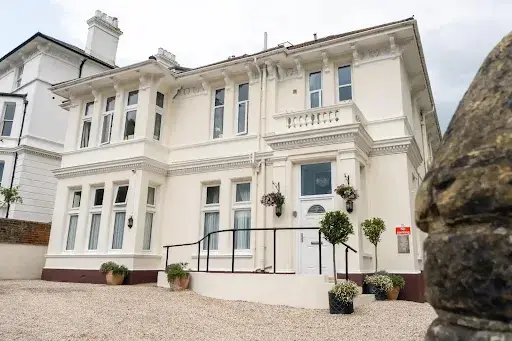
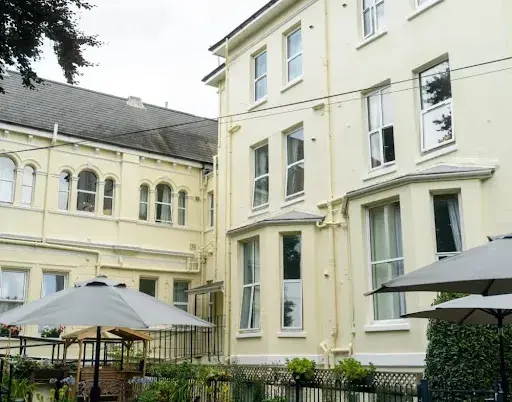
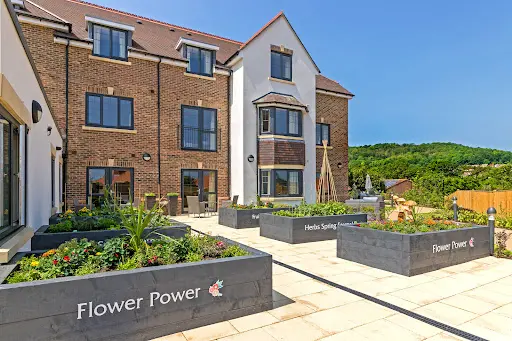
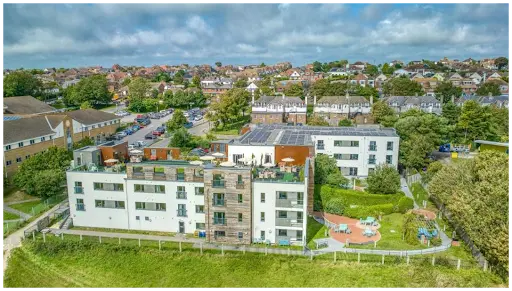
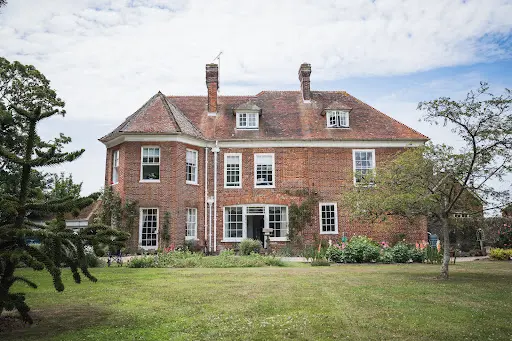
The kitchen prepares all meals on-site, with families noticing the care taken over dietary requirements and the variety offered. Several people comment on the cleanliness throughout, while the garden provides a peaceful outdoor space that residents and visitors clearly value.
“It's the long-serving staff and those shared meals around small tables that seem to define life at Lauriston — creating genuine connections in a place that feels refreshingly unhurried.”
DCC does not edit or curate content in this tab. For independently curated information, see The Evidence and DCC Verdict.