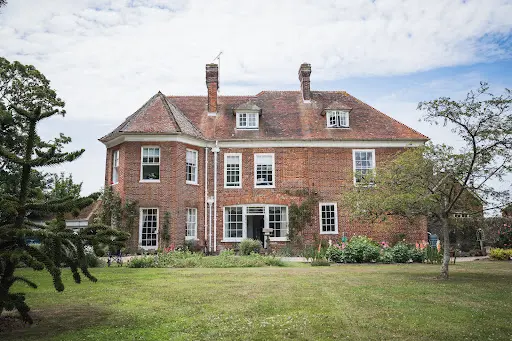
Whitecliff Care Home, St Leonards | Coast Care Group

At a Glance
The information you need to decide whether this home warrants a closer look.
Nursing homes
Staff warmth score
of reviewers answered yes
Good to know
- Registered beds28
- SpecialismsCaring for adults over 65 yrs, Caring for adults under 65 yrs, Dementia, Learning disabilities
- Last inspected2023-03-29
Save Whitecliff Care Home, St Leonards | Coast Care Group to your shortlist
Keep a running list, add visit notes, and compare homes side-by-side. Free account — it takes a minute.
STAGE 4 — RESEARCHING CARE HOMES
Visit homes. Compare them side by side. Choose with confidence.
Most of us will view care homes the way we view houses, impression, atmosphere, the feeling in the corridor. We go home, try to remember what we saw, and make a permanent decision from a blurred memory.

The DCC shortlist gives every home you visit a structured record: the same twelve questions, answered the same way, every time. When you’re ready to choose, pull any two homes side by side and compare them directly. Same criteria, same evidence, your notes and your scores.
The Evidence
What the review data, the inspection reports, and the dementia-care evidence base tell us about this home.
What families say
Families describe walking into an atmosphere that immediately feels calm and welcoming. Residents here aren't just looked after; they're encouraged to maintain their independence through thoughtful activities like baking sessions and craft projects. The staff take time to learn what makes each person tick, whether that's arranging flowers, enjoying a bus trip out, or simply having their morning routine respected.
The eight family priority themes
- Staff warmth75
- Compassion & dignity75
- Cleanliness70
- Activities & engagement65
- Food quality60
- Healthcare70
- Management & leadership45
- Resident happiness70
What inspectors found
Inspected 2023-03-29
Is this home safe?
Is the care effective?
The Effective domain was rated Good at the March 2023 inspection. This domain covers staff training, care planning, access to healthcare professionals, nutrition, and how well the home meets the specific needs of people with dementia and learning disabilities. The published summary does not include specific detail about care plan quality, GP visit frequency, or dementia training content. The Good rating indicates inspectors found no significant concerns in this area at the time of inspection.Is this home caring?
The Caring domain was rated Good at the March 2023 inspection. This domain covers how staff treat the people who live at the home, including dignity, respect, privacy, and whether people are supported to maintain their independence. The published summary does not include specific inspector observations about staff interactions, preferred name use, or how staff respond to distress. The Good rating indicates inspectors were satisfied with the quality of care relationships at the time of the visit.Is the home responsive?
The Responsive domain was rated Good at the March 2023 inspection. This domain covers whether the home meets individual needs, provides meaningful activities, supports people's independence and identity, handles complaints well, and plans for end of life. The published summary does not include specific detail about the activities programme, complaint handling outcomes, or end-of-life planning at this home. The Good rating indicates inspectors did not identify significant concerns in this area.Is the home well-led?
The Well-led domain was rated Requires Improvement at the March 2023 inspection. This is the only domain below Good and covers the management culture, governance systems, how the home identifies and acts on problems, and whether staff feel able to speak up. The published summary does not specify which aspects of leadership fell short, but a Requires Improvement rating in this domain typically indicates weaknesses in quality monitoring, incident oversight, or management visibility. The home lists two registered managers, Danielle Tomara Henderson and Lindsey Rose Sherwood, alongside a nominated individual, Kevin Neil Dewhurst.
Source: CQC inspection report →
What the evidence base says
The home provides care for adults both under and over 65, including those with learning disabilities. They have particular experience supporting people living with dementia. For residents with dementia, the calm environment and consistent routines seem to make a real difference. Staff understand the importance of patience and familiar faces, creating a setting where people feel secure and valued. All areas worth probing directly during a visit.
The DCC Verdict
Our editorial view, built from the three lenses: what families tell us, what inspectors record, and how the home sits against good dementia-care practice.
DCC Family Score
Whitecliff Care Home scores well across the care and safety domains, with inspectors rating four out of five areas Good. The overall score is held back by a Requires Improvement in leadership and governance, which is the area families most need to probe before deciding.
Homes in South East typically score 68–82.The three-lens summary
What families tell us
Families describe walking into an atmosphere that immediately feels calm and welcoming. Residents here aren't just looked after; they're encouraged to maintain their independence through thoughtful activities like baking sessions and craft projects. The staff take time to learn what makes each person tick, whether that's arranging flowers, enjoying a bus trip out, or simply having their morning routine respected.
What inspectors have recorded
What strikes visitors most is how the staff genuinely seem to care. They're described as attentive without being intrusive, knowing when to offer help and when to step back. Families feel included and informed, with staff taking time to update them properly and listen to their concerns. There's a real sense that everyone's working together to create the best possible life for residents.
How it sits against good practice
It's the small touches — remembering birthdays, respecting personal choices, creating moments of joy — that seem to define life at Whitecliff.
Worth a visit
Whitecliff Care Home, in St Leonards on Sea, was rated Good overall at its most recent inspection in March 2023, with four of the five domains assessed as Good: Safe, Effective, Caring, and Responsive. The home is a 28-bed nursing home registered to care for people over and under 65, including people living with dementia and people with learning disabilities. The inspection summary available is brief, and the published report does not contain the level of specific observational detail that would normally allow a fuller picture to emerge. The one area of clear concern is Well-led, which was rated Requires Improvement. This covers the management culture, governance systems, and the home's ability to identify and act on problems. Poor leadership can affect every other aspect of care over time, even when the front-line picture looks positive. On a visit, ask to speak to the manager in person, find out how long they have been in post, and ask what specific improvement actions have been taken since the inspection. The home has two registered managers listed, which is also worth clarifying so you know who is actually accountable day to day.
The three questions to ask when you visitSave this home. Compare it against your shortlist.
Let our analysis show you how Whitecliff Care Home, St Leonards | Coast Care Group measures up against the other homes you’re considering. Free account.
In Their Own Words
How Whitecliff Care Home, St Leonards | Coast Care Group describes itself — collected from its own website. DCC has not edited or independently verified the content in this tab.
Where warmth and dignity shape every single day
Whitecliff Care Home – Expert Care in St Leonards On Sea
When families visit Whitecliff Care Home in St Leonards On Sea, they often remark on the genuine warmth that fills the place. It's in the way staff greet residents by name each morning, in the laughter drifting from the activities room, and in the careful attention given to each person's individual preferences. This isn't just professional care — it's care that recognises the whole person.
Who they care for
The home provides care for adults both under and over 65, including those with learning disabilities. They have particular experience supporting people living with dementia.
For residents with dementia, the calm environment and consistent routines seem to make a real difference. Staff understand the importance of patience and familiar faces, creating a setting where people feel secure and valued.
“It's the small touches — remembering birthdays, respecting personal choices, creating moments of joy — that seem to define life at Whitecliff.”
DCC does not edit or curate content in this tab. For independently curated information, see The Evidence and DCC Verdict.
The DCC Verdict
Our editorial view, built from the three lenses: what families tell us, what inspectors record, and how the home sits against good dementia-care practice.
DCC Family Score
Whitecliff Care Home scores well across the care and safety domains, with inspectors rating four out of five areas Good. The overall score is held back by a Requires Improvement in leadership and governance, which is the area families most need to probe before deciding.
Homes in South East typically score 68–82.The three-lens summary
What families tell us
Families describe walking into an atmosphere that immediately feels calm and welcoming. Residents here aren't just looked after; they're encouraged to maintain their independence through thoughtful activities like baking sessions and craft projects. The staff take time to learn what makes each person tick, whether that's arranging flowers, enjoying a bus trip out, or simply having their morning routine respected.
What inspectors have recorded
What strikes visitors most is how the staff genuinely seem to care. They're described as attentive without being intrusive, knowing when to offer help and when to step back. Families feel included and informed, with staff taking time to update them properly and listen to their concerns. There's a real sense that everyone's working together to create the best possible life for residents.
How it sits against good practice
It's the small touches — remembering birthdays, respecting personal choices, creating moments of joy — that seem to define life at Whitecliff.
Worth a visit
Whitecliff Care Home, in St Leonards on Sea, was rated Good overall at its most recent inspection in March 2023, with four of the five domains assessed as Good: Safe, Effective, Caring, and Responsive. The home is a 28-bed nursing home registered to care for people over and under 65, including people living with dementia and people with learning disabilities. The inspection summary available is brief, and the published report does not contain the level of specific observational detail that would normally allow a fuller picture to emerge. The one area of clear concern is Well-led, which was rated Requires Improvement. This covers the management culture, governance systems, and the home's ability to identify and act on problems. Poor leadership can affect every other aspect of care over time, even when the front-line picture looks positive. On a visit, ask to speak to the manager in person, find out how long they have been in post, and ask what specific improvement actions have been taken since the inspection. The home has two registered managers listed, which is also worth clarifying so you know who is actually accountable day to day.
The three questions to ask when you visitSave this home. Compare it against your shortlist.
Let our analysis show you how Whitecliff Care Home, St Leonards | Coast Care Group measures up against the other homes you’re considering. Free account.
In Their Own Words
How Whitecliff Care Home, St Leonards | Coast Care Group describes itself — collected from its own website. DCC has not edited or independently verified the content in this tab.
Where warmth and dignity shape every single day
Whitecliff Care Home – Expert Care in St Leonards On Sea
When families visit Whitecliff Care Home in St Leonards On Sea, they often remark on the genuine warmth that fills the place. It's in the way staff greet residents by name each morning, in the laughter drifting from the activities room, and in the careful attention given to each person's individual preferences. This isn't just professional care — it's care that recognises the whole person.
Who they care for
The home provides care for adults both under and over 65, including those with learning disabilities. They have particular experience supporting people living with dementia.
For residents with dementia, the calm environment and consistent routines seem to make a real difference. Staff understand the importance of patience and familiar faces, creating a setting where people feel secure and valued.
Management & ethos
What strikes visitors most is how the staff genuinely seem to care. They're described as attentive without being intrusive, knowing when to offer help and when to step back. Families feel included and informed, with staff taking time to update them properly and listen to their concerns. There's a real sense that everyone's working together to create the best possible life for residents.
“It's the small touches — remembering birthdays, respecting personal choices, creating moments of joy — that seem to define life at Whitecliff.”
DCC does not edit or curate content in this tab. For independently curated information, see The Evidence and DCC Verdict.