Frethey House
At a Glance
The information you need to decide whether this home warrants a closer look.
Nursing homes
Staff warmth score
of reviewers answered yes
Good to know
- Registered beds41
- SpecialismsCaring for adults over 65 yrs, Caring for adults under 65 yrs, Dementia
- Last inspected2020-10-08
Save Frethey House to your shortlist
Keep a running list, add visit notes, and compare homes side-by-side. Free account — it takes a minute.
STAGE 4 — RESEARCHING CARE HOMES
Visit homes. Compare them side by side. Choose with confidence.
Most of us will view care homes the way we view houses, impression, atmosphere, the feeling in the corridor. We go home, try to remember what we saw, and make a permanent decision from a blurred memory.

The DCC shortlist gives every home you visit a structured record: the same twelve questions, answered the same way, every time. When you’re ready to choose, pull any two homes side by side and compare them directly. Same criteria, same evidence, your notes and your scores.
The Evidence
What the review data, the inspection reports, and the dementia-care evidence base tell us about this home.
What families say
Several families describe feeling genuinely involved in their loved one's care here, from planning through to daily updates. People mention that residents with dementia often seem more settled after moving in, with staff showing real understanding of how to respond to challenging behaviours.
The eight family priority themes
- Staff warmth55
- Compassion & dignity60
- Cleanliness60
- Activities & engagement40
- Food quality50
- Healthcare60
- Management & leadership65
- Resident happiness55
What inspectors found
Inspected 2020-10-08
Is this home safe?
Is the care effective?
The Effective domain was rated Good at the February 2022 inspection. Frethey House is a nursing home, meaning registered nurses are present, which is a higher level of clinical support than a residential home provides. The home cares for people with dementia as a named specialism. Beyond these structural details, the published report does not include specific information about care plan quality, dementia training, GP access arrangements, or how food quality and dietary needs are managed.Is this home caring?
The Caring domain was rated Good at the February 2022 inspection. This domain covers staff warmth, dignity, respect, and whether your parent's independence is supported. The published findings do not include specific inspector observations about how staff interact with residents, whether residents are addressed by preferred names, or how the home supports privacy during personal care. The Good rating reflects the inspector's overall assessment but no supporting evidence is visible in the published report.Is the home responsive?
The Responsive domain was rated Requires Improvement at the February 2022 inspection. This is the one domain where the home did not meet the Good standard. Responsive covers activities and engagement, how well the home responds to individual needs and preferences, and end-of-life care arrangements. The published report does not describe what specific concerns the inspector identified, which makes it difficult to know whether the issue was about the quantity of activities, their quality, their suitability for people with dementia, or something else entirely. This rating is the clearest area of concern in an otherwise positive inspection.Is the home well-led?
The Well-led domain was rated Good at the February 2022 inspection. The home has a named registered manager (Miss Helen Mary Oliver) and a nominated individual (Ms Rachel Harvey) listed on the registration, indicating a defined leadership structure. The home is part of the Aria Healthcare Group. The improvement from a previous Requires Improvement rating across multiple domains suggests the management team responded to earlier inspection concerns. No specific detail about the manager's visibility, staff culture, or governance arrangements is included in the published findings.
Source: CQC inspection report →
What the evidence base says
The home cares for adults over 65 and some younger adults with care needs. They have specific experience with dementia care and supporting residents through end-of-life stages. Staff here work with various types of dementia, with families noting that the team shows patience with dementia-specific behaviours. The structured activities programme helps keep residents engaged throughout the day. All areas worth probing directly during a visit.
The DCC Verdict
Our editorial view, built from the three lenses: what families tell us, what inspectors record, and how the home sits against good dementia-care practice.
DCC Family Score
Frethey House scores in the mid-range, reflecting a positive overall direction after improving from Requires Improvement, but the inspection report contains very limited specific detail across most areas. The Requires Improvement rating for Responsive means activities and individual engagement need closer scrutiny on a visit.
Homes in South West typically score 68–82.The three-lens summary
What families tell us
Several families describe feeling genuinely involved in their loved one's care here, from planning through to daily updates. People mention that residents with dementia often seem more settled after moving in, with staff showing real understanding of how to respond to challenging behaviours.
What inspectors have recorded
Families report mixed experiences with care quality at Frethey House. While some describe attentive permanent staff who know residents well, the home has faced serious concerns about hygiene standards and medication management that led to a safeguarding investigation.
How it sits against good practice
Families considering Frethey House should visit to assess current standards and discuss how any past concerns have been addressed.
Worth a visit
Frethey House, on Frethey Lane in Taunton, was rated Good overall at its most recent inspection in February 2022, published in March 2022. This is a meaningful improvement from a previous Requires Improvement rating, suggesting the home responded to earlier concerns and made real changes. The home is registered with Aria Healthcare Group and has a named registered manager in place, which is a positive sign of accountability. However, the published inspection findings contain very little specific detail, which makes it difficult to give you a confident picture of day-to-day life for your parent. The one area rated Requires Improvement is Responsive, which covers activities, individual engagement, and how well the home responds to each person's needs. This is particularly relevant if your parent has dementia. Before visiting, prepare specific questions about staffing ratios overnight, how one-to-one time is provided for residents who cannot join group activities, and what has changed since the previous inspection.
The three questions to ask when you visitSave this home. Compare it against your shortlist.
Let our analysis show you how Frethey House measures up against the other homes you’re considering. Free account.
In Their Own Words
How Frethey House describes itself — collected from its own website. DCC has not edited or independently verified the content in this tab.
Supporting families through dementia and end-of-life care in Taunton
Frethey House – Your Trusted nursing home
When dementia changes everything, families in Taunton are finding that Frethey House offers structured support through some of life's most difficult transitions. This care home specialises in dementia care alongside general support for older adults, with families particularly noting the patience staff show with dementia-related behaviours. The home has experience supporting residents through end-of-life care, though families should note that care standards have been inconsistent.
Who they care for
The home cares for adults over 65 and some younger adults with care needs. They have specific experience with dementia care and supporting residents through end-of-life stages.
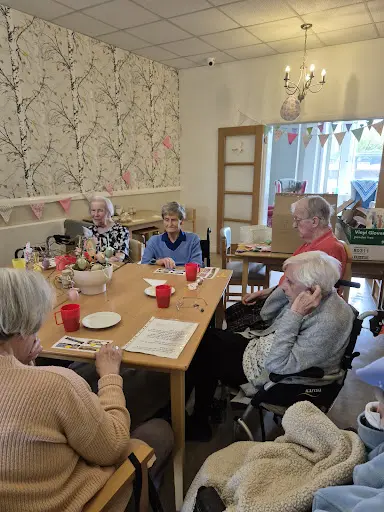
Staff here work with various types of dementia, with families noting that the team shows patience with dementia-specific behaviours. The structured activities programme helps keep residents engaged throughout the day.
“Families considering Frethey House should visit to assess current standards and discuss how any past concerns have been addressed.”
DCC does not edit or curate content in this tab. For independently curated information, see The Evidence and DCC Verdict.
The DCC Verdict
Our editorial view, built from the three lenses: what families tell us, what inspectors record, and how the home sits against good dementia-care practice.
DCC Family Score
Frethey House scores in the mid-range, reflecting a positive overall direction after improving from Requires Improvement, but the inspection report contains very limited specific detail across most areas. The Requires Improvement rating for Responsive means activities and individual engagement need closer scrutiny on a visit.
Homes in South West typically score 68–82.The three-lens summary
What families tell us
Several families describe feeling genuinely involved in their loved one's care here, from planning through to daily updates. People mention that residents with dementia often seem more settled after moving in, with staff showing real understanding of how to respond to challenging behaviours.
What inspectors have recorded
Families report mixed experiences with care quality at Frethey House. While some describe attentive permanent staff who know residents well, the home has faced serious concerns about hygiene standards and medication management that led to a safeguarding investigation.
How it sits against good practice
Families considering Frethey House should visit to assess current standards and discuss how any past concerns have been addressed.
Worth a visit
Frethey House, on Frethey Lane in Taunton, was rated Good overall at its most recent inspection in February 2022, published in March 2022. This is a meaningful improvement from a previous Requires Improvement rating, suggesting the home responded to earlier concerns and made real changes. The home is registered with Aria Healthcare Group and has a named registered manager in place, which is a positive sign of accountability. However, the published inspection findings contain very little specific detail, which makes it difficult to give you a confident picture of day-to-day life for your parent. The one area rated Requires Improvement is Responsive, which covers activities, individual engagement, and how well the home responds to each person's needs. This is particularly relevant if your parent has dementia. Before visiting, prepare specific questions about staffing ratios overnight, how one-to-one time is provided for residents who cannot join group activities, and what has changed since the previous inspection.
The three questions to ask when you visitSave this home. Compare it against your shortlist.
Let our analysis show you how Frethey House measures up against the other homes you’re considering. Free account.
In Their Own Words
How Frethey House describes itself — collected from its own website. DCC has not edited or independently verified the content in this tab.
Supporting families through dementia and end-of-life care in Taunton
Frethey House – Your Trusted nursing home
When dementia changes everything, families in Taunton are finding that Frethey House offers structured support through some of life's most difficult transitions. This care home specialises in dementia care alongside general support for older adults, with families particularly noting the patience staff show with dementia-related behaviours. The home has experience supporting residents through end-of-life care, though families should note that care standards have been inconsistent.
Who they care for
The home cares for adults over 65 and some younger adults with care needs. They have specific experience with dementia care and supporting residents through end-of-life stages.
Staff here work with various types of dementia, with families noting that the team shows patience with dementia-specific behaviours. The structured activities programme helps keep residents engaged throughout the day.
Management & ethos
Families report mixed experiences with care quality at Frethey House. While some describe attentive permanent staff who know residents well, the home has faced serious concerns about hygiene standards and medication management that led to a safeguarding investigation.
“Families considering Frethey House should visit to assess current standards and discuss how any past concerns have been addressed.”
DCC does not edit or curate content in this tab. For independently curated information, see The Evidence and DCC Verdict.