Barchester – Lindum House Care Home
At a Glance
The information you need to decide whether this home warrants a closer look.
Nursing homes
Staff warmth score
of reviewers answered yes
Good to know
- Registered beds64
- SpecialismsCaring for adults over 65 yrs, Caring for adults under 65 yrs, Dementia, Physical disabilities
- Last inspected2023-02-11
Save Barchester – Lindum House Care Home to your shortlist
Keep a running list, add visit notes, and compare homes side-by-side. Free account — it takes a minute.
STAGE 4 — RESEARCHING CARE HOMES
Visit homes. Compare them side by side. Choose with confidence.
Most of us will view care homes the way we view houses, impression, atmosphere, the feeling in the corridor. We go home, try to remember what we saw, and make a permanent decision from a blurred memory.

The DCC shortlist gives every home you visit a structured record: the same twelve questions, answered the same way, every time. When you’re ready to choose, pull any two homes side by side and compare them directly. Same criteria, same evidence, your notes and your scores.
The Evidence
What the review data, the inspection reports, and the dementia-care evidence base tell us about this home.
What families say
Families talk about walking into genuine warmth here. Staff greet visitors with real friendliness, taking time to chat despite busy schedules. There's regular entertainment too — dancing, singing, and beauty services that keep the atmosphere lively and social.
The eight family priority themes
- Staff warmth72
- Compassion & dignity74
- Cleanliness70
- Activities & engagement60
- Food quality60
- Healthcare72
- Management & leadership78
- Resident happiness70
What inspectors found
Inspected 2023-02-11
Is this home safe?
Is the care effective?
The inspection rated Effective Good, covering training, care planning, healthcare access, and nutritional care. For a home with a dementia specialism, an Effective rating requires inspectors to be satisfied that staff have the skills and knowledge to meet complex needs. The published text does not detail what dementia training content was reviewed, how often care plans are updated, or how GP and specialist access is organised. The home is registered to provide treatment of disease, disorder, or injury alongside personal care, which implies clinical oversight is part of its model.Is this home caring?
The inspection rated Caring Good, covering staff warmth, dignity, respect, and how well the home supports independence. This domain is the one families care most about: in DCC review data, 57.3% of positive reviews explicitly mention staff warmth and 55.2% mention compassion and dignity. The published text does not include direct observations of staff and resident interactions, preferred name use, or how staff respond when someone with dementia becomes distressed. The absence of specific evidence here does not mean care is poor; it reflects the brevity of the published summary rather than a finding of concern.Is the home responsive?
The inspection rated Responsive Good, covering activities, engagement, individuality, and end-of-life care. For a home with a dementia specialism, responsiveness includes whether people who cannot join group activities receive individual engagement, whether the environment supports orientation and independence, and whether families are included in care decisions. The published text does not detail the activity programme, describe the physical layout for dementia, or confirm whether advance care planning conversations happen routinely. A Good rating indicates inspectors were satisfied at the time of the visit.Is the home well-led?
The inspection rated Well-led Good, and the home is registered with a named manager, Mrs Jayne Louise Clarke, and a named nominated individual, Mr Dominic Jude Kay. The most significant leadership signal in the published findings is the trajectory: Lindum House moved from Inadequate to Good across all five domains, which requires sustained management attention and the ability to identify failures, act on them, and demonstrate improvement to inspectors. The published text does not detail management visibility on the floor, how staff are supported to raise concerns, or how the home monitors quality between inspections.
Source: CQC inspection report →
What the evidence base says
The home cares for adults both under and over 65 with physical disabilities and dementia. They've developed particular expertise in end-of-life care, supporting both residents and families through these profound transitions. For residents living with dementia, the team's approach centres on knowing each person individually. Staff take time to understand personal preferences and maintain familiar routines that bring comfort and connection. All areas worth probing directly during a visit.
The DCC Verdict
Our editorial view, built from the three lenses: what families tell us, what inspectors record, and how the home sits against good dementia-care practice.
DCC Family Score
Lindum House scores 76 out of 100, reflecting a genuine and encouraging turnaround from a previous Inadequate rating to a clean sweep of Good across all five inspection domains. The score stops short of the highest band because the published inspection text is brief and lacks the specific observations, quotes, and detail that would confirm how day-to-day life looks for your mum or dad.
Homes in Yorkshire & Humberside typically score 68–82.The three-lens summary
What families tell us
Families talk about walking into genuine warmth here. Staff greet visitors with real friendliness, taking time to chat despite busy schedules. There's regular entertainment too — dancing, singing, and beauty services that keep the atmosphere lively and social.
What inspectors have recorded
Staff here know their residents as individuals — their preferences, their personalities, what makes them smile. Families appreciate the proactive communication too, with regular updates that keep them connected to their loved one's daily life. The team does face staffing pressures, which families have noticed, though they're impressed by how well staff manage despite this.
How it sits against good practice
Sometimes the measure of a care home isn't just in the care itself, but in how they embrace whole families during life's toughest moments.
Worth a visit
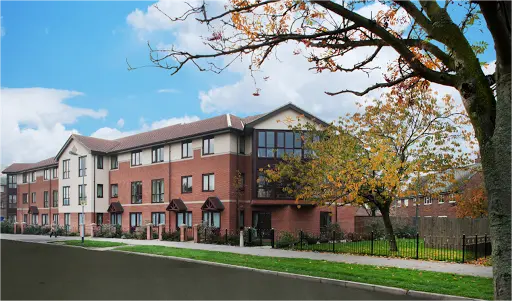
Lindum House, at 1 Deer Park Way in Beverley, was rated Good across all five inspection domains at its assessment in January 2023, a result published in February of the same year. The most significant fact about this home is its trajectory: it was previously rated Inadequate and has since achieved a clean Good in every area, including safety, care quality, leadership, and responsiveness. That kind of turnaround, verified by official inspection, is not common and reflects sustained effort from the management team and staff. The home is run by Barchester Healthcare Homes Limited, with a named registered manager and a nominated individual both on record, which points to clear lines of accountability. The main limitation for you as someone choosing this home is that the published inspection text is brief. Inspectors reached positive conclusions across every domain, but the summary does not include the specific observations, staff interactions, or resident and family testimony that would let you picture what a normal Tuesday looks like for your mum or dad. That means there are genuine gaps: night staffing numbers, agency staff usage, the activity programme, food quality, and the physical environment for people with dementia are all unaddressed in what has been published. Before making a decision, visit at different times of day, ask to see last week's actual staffing rota and activity log, and spend time in the communal areas watching how staff and residents interact naturally.
The three questions to ask when you visitSave this home. Compare it against your shortlist.
Let our analysis show you how Barchester – Lindum House Care Home measures up against the other homes you’re considering. Free account.
In Their Own Words
How Barchester – Lindum House Care Home describes itself — collected from its own website. DCC has not edited or independently verified the content in this tab.
Where dignity and warmth meet families at their most vulnerable moments
Lindum House – Your Trusted nursing home
When families face the hardest transitions, they need more than medical care — they need genuine compassion. Lindum House in Beverley has become a place where residents find dignity in their final chapters and families discover unexpected comfort. The home specialises in supporting people through complex health needs, whether that's dementia, physical disabilities, or end-of-life care.
Who they care for
The home cares for adults both under and over 65 with physical disabilities and dementia. They've developed particular expertise in end-of-life care, supporting both residents and families through these profound transitions.
For residents living with dementia, the team's approach centres on knowing each person individually. Staff take time to understand personal preferences and maintain familiar routines that bring comfort and connection.
“Sometimes the measure of a care home isn't just in the care itself, but in how they embrace whole families during life's toughest moments.”
DCC does not edit or curate content in this tab. For independently curated information, see The Evidence and DCC Verdict.
The DCC Verdict
Our editorial view, built from the three lenses: what families tell us, what inspectors record, and how the home sits against good dementia-care practice.
DCC Family Score
Lindum House scores 76 out of 100, reflecting a genuine and encouraging turnaround from a previous Inadequate rating to a clean sweep of Good across all five inspection domains. The score stops short of the highest band because the published inspection text is brief and lacks the specific observations, quotes, and detail that would confirm how day-to-day life looks for your mum or dad.
Homes in Yorkshire & Humberside typically score 68–82.The three-lens summary
What families tell us
Families talk about walking into genuine warmth here. Staff greet visitors with real friendliness, taking time to chat despite busy schedules. There's regular entertainment too — dancing, singing, and beauty services that keep the atmosphere lively and social.
What inspectors have recorded
Staff here know their residents as individuals — their preferences, their personalities, what makes them smile. Families appreciate the proactive communication too, with regular updates that keep them connected to their loved one's daily life. The team does face staffing pressures, which families have noticed, though they're impressed by how well staff manage despite this.
How it sits against good practice
Sometimes the measure of a care home isn't just in the care itself, but in how they embrace whole families during life's toughest moments.
Worth a visit
Lindum House, at 1 Deer Park Way in Beverley, was rated Good across all five inspection domains at its assessment in January 2023, a result published in February of the same year. The most significant fact about this home is its trajectory: it was previously rated Inadequate and has since achieved a clean Good in every area, including safety, care quality, leadership, and responsiveness. That kind of turnaround, verified by official inspection, is not common and reflects sustained effort from the management team and staff. The home is run by Barchester Healthcare Homes Limited, with a named registered manager and a nominated individual both on record, which points to clear lines of accountability. The main limitation for you as someone choosing this home is that the published inspection text is brief. Inspectors reached positive conclusions across every domain, but the summary does not include the specific observations, staff interactions, or resident and family testimony that would let you picture what a normal Tuesday looks like for your mum or dad. That means there are genuine gaps: night staffing numbers, agency staff usage, the activity programme, food quality, and the physical environment for people with dementia are all unaddressed in what has been published. Before making a decision, visit at different times of day, ask to see last week's actual staffing rota and activity log, and spend time in the communal areas watching how staff and residents interact naturally.
The three questions to ask when you visitSave this home. Compare it against your shortlist.
Let our analysis show you how Barchester – Lindum House Care Home measures up against the other homes you’re considering. Free account.
In Their Own Words
How Barchester – Lindum House Care Home describes itself — collected from its own website. DCC has not edited or independently verified the content in this tab.
Where dignity and warmth meet families at their most vulnerable moments
Lindum House – Your Trusted nursing home
When families face the hardest transitions, they need more than medical care — they need genuine compassion. Lindum House in Beverley has become a place where residents find dignity in their final chapters and families discover unexpected comfort. The home specialises in supporting people through complex health needs, whether that's dementia, physical disabilities, or end-of-life care.
Who they care for
The home cares for adults both under and over 65 with physical disabilities and dementia. They've developed particular expertise in end-of-life care, supporting both residents and families through these profound transitions.
For residents living with dementia, the team's approach centres on knowing each person individually. Staff take time to understand personal preferences and maintain familiar routines that bring comfort and connection.
Management & ethos
Staff here know their residents as individuals — their preferences, their personalities, what makes them smile. Families appreciate the proactive communication too, with regular updates that keep them connected to their loved one's daily life. The team does face staffing pressures, which families have noticed, though they're impressed by how well staff manage despite this.
The home & environment
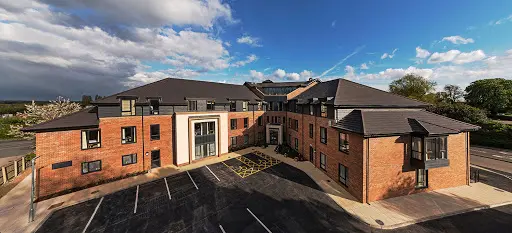
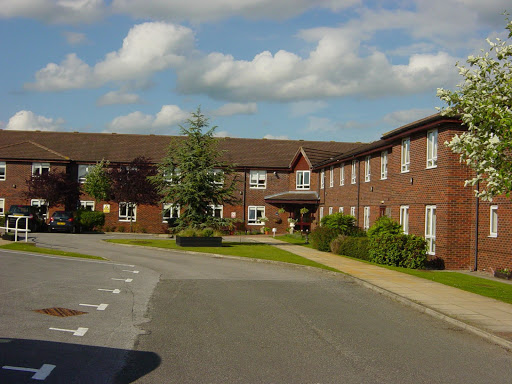
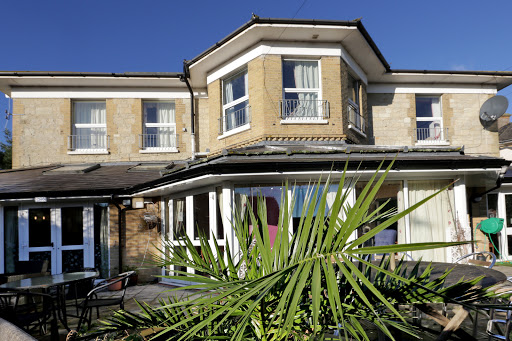
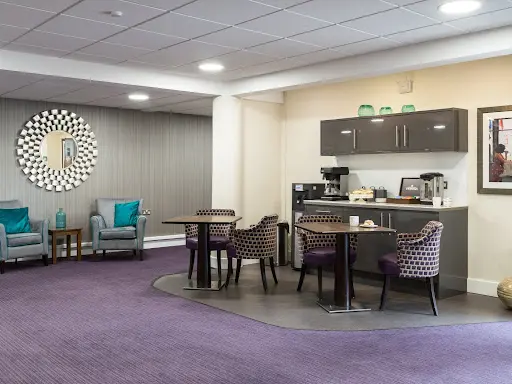
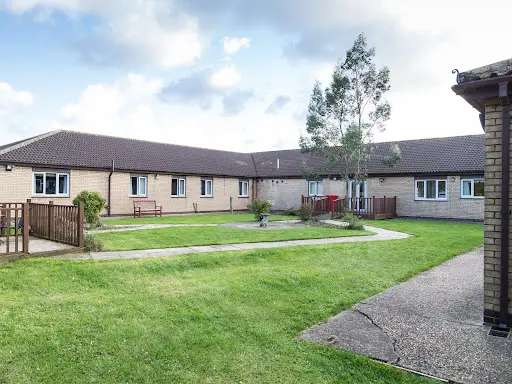
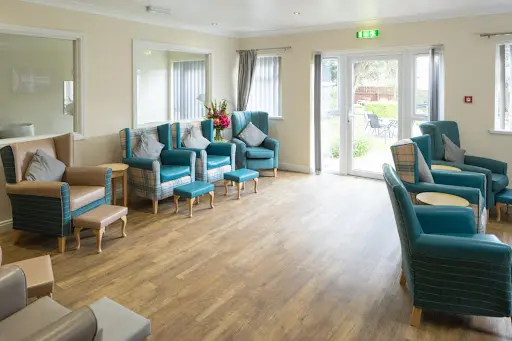
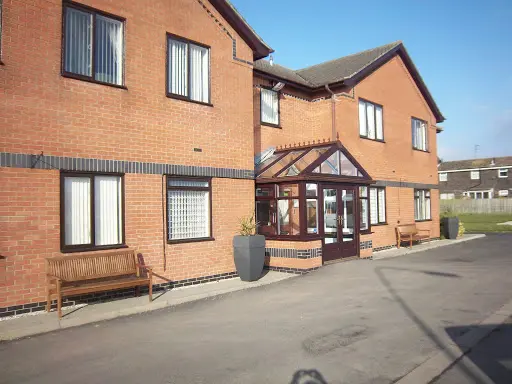
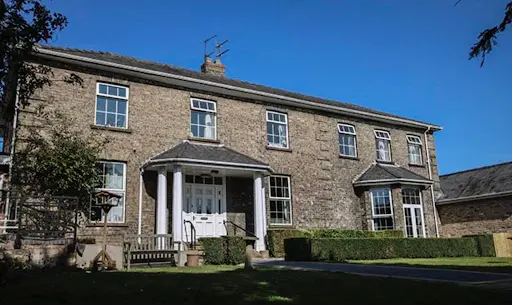
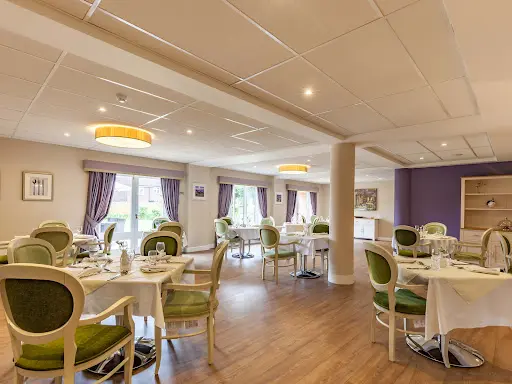
The home feels fresh and well-kept, with newly decorated rooms that families say don't feel institutional. Cleanliness standards are clearly a priority. While the building itself isn't mentioned much in feedback, what matters to families is the comfortable, non-clinical atmosphere they've created.
“Sometimes the measure of a care home isn't just in the care itself, but in how they embrace whole families during life's toughest moments.”
DCC does not edit or curate content in this tab. For independently curated information, see The Evidence and DCC Verdict.