Pilgrim Wood Residential & Dementia Care Home
At a Glance
The information you need to decide whether this home warrants a closer look.
Residential homes, Homecare agencies
Staff warmth score
of reviewers answered yes
Good to know
- Registered beds35
- SpecialismsCaring for adults over 65 yrs, Dementia
- Last inspected2021-10-05
Save Pilgrim Wood Residential & Dementia Care Home to your shortlist
Keep a running list, add visit notes, and compare homes side-by-side. Free account — it takes a minute.
STAGE 4 — RESEARCHING CARE HOMES
Visit homes. Compare them side by side. Choose with confidence.
Most of us will view care homes the way we view houses, impression, atmosphere, the feeling in the corridor. We go home, try to remember what we saw, and make a permanent decision from a blurred memory.

The DCC shortlist gives every home you visit a structured record: the same twelve questions, answered the same way, every time. When you’re ready to choose, pull any two homes side by side and compare them directly. Same criteria, same evidence, your notes and your scores.
The Evidence
What the review data, the inspection reports, and the dementia-care evidence base tell us about this home.
What families say
Families consistently describe how quickly their relatives settle here, with some noting real happiness returning after just a few weeks. The staff's approach of seeing each person as an individual, rather than following rigid routines, helps residents feel genuinely cared for.
The eight family priority themes
- Staff warmth72
- Compassion & dignity72
- Cleanliness70
- Activities & engagement60
- Food quality60
- Healthcare65
- Management & leadership74
- Resident happiness68
What inspectors found
Inspected 2021-10-05
Is this home safe?
Is the care effective?
The effective domain was rated Good at the September 2021 inspection. This covers training, care planning, access to healthcare, and food quality. No specific inspector observations, staff testimony, or record review findings are included in the published report for this domain. The home lists dementia as a declared specialism, but the inspection text does not describe what dementia-specific training staff hold or how care plans are structured.Is this home caring?
The caring domain was rated Good at the September 2021 inspection. This domain covers staff warmth, dignity, respect, and independence. The published report does not include any direct inspector observations of staff interactions, resident testimony about how staff made them feel, or specific examples of dignity being upheld. The Good rating confirms inspectors were satisfied, but the evidence underpinning it is not visible in the published text.Is the home responsive?
The responsive domain was rated Good at the September 2021 inspection. This covers whether the home responds to individual needs, offers meaningful activities, supports independence, and makes appropriate provision for end-of-life care. The published report includes no specific detail about the activity programme, how activities are tailored for people with advanced dementia, or how the home handles complaints and end-of-life planning.Is the home well-led?
The well-led domain was rated Good at the September 2021 inspection, improving from Requires Improvement. A named registered manager, Mrs Sharon Marie Mitchell, and a nominated individual, Mr Keshel Jayendra Lakhani, are recorded. The inspection confirmed leadership met the Good standard but the published report does not describe the management culture, staff feedback mechanisms, or how governance and learning from incidents are handled in practice.
Source: CQC inspection report →
What the evidence base says
Pilgrim Wood specialises in residential care for people over 65, including those living with dementia. The home's approach to dementia care focuses on treating each person as an individual, helping residents maintain their sense of self through personalised attention and regular access to the calming outdoor environment. All areas worth probing directly during a visit.
The DCC Verdict
Our editorial view, built from the three lenses: what families tell us, what inspectors record, and how the home sits against good dementia-care practice.
DCC Family Score
Pilgrim Wood scores 72 out of 100. Every domain was rated Good at the last inspection, and the home improved from Requires Improvement, which is a meaningful step forward. However, the published report contains limited specific detail across most themes, so the score reflects confirmed progress rather than richly evidenced practice.
Homes in South East typically score 68–82.The three-lens summary
What families tell us
Families consistently describe how quickly their relatives settle here, with some noting real happiness returning after just a few weeks. The staff's approach of seeing each person as an individual, rather than following rigid routines, helps residents feel genuinely cared for.
What inspectors have recorded
Staff warmth shines through in family accounts, with both management and care teams described as friendly and attentive to individual needs. While families note the team works hard to provide quality care, some mention wishing there were more staff available during busier times.
How it sits against good practice
The combination of Surrey countryside and individualised care creates a setting where residents often flourish in unexpected ways.
Worth a visit
Pilgrim Wood Residential Home, on Sandy Lane in Guildford, was rated Good across all five inspection domains at its last inspection in September 2021. This is a notable improvement from its previous rating of Requires Improvement, meaning inspectors found the home had addressed earlier concerns and met the standard required across safety, care, effectiveness, responsiveness, and leadership. The home is registered for 35 residents, specialises in dementia care, and is run by Goldenage Healthcare Limited with a named registered manager in post. The main limitation for any family reading this report is that the published findings are very brief. Almost no specific detail is available about what inspectors actually observed, what residents and relatives said, or how individual aspects of care were delivered. The Good rating confirmed in 2021 is genuine, but the July 2023 monitoring review was a desk-based exercise rather than a fresh inspection. This means the report is now over three years old. Before making a decision, visit the home in person, observe a mealtime and a communal area, ask to see last week's actual staffing rota, and ask the manager directly how the home has changed since the inspection.
The three questions to ask when you visitSave this home. Compare it against your shortlist.
Let our analysis show you how Pilgrim Wood Residential & Dementia Care Home measures up against the other homes you’re considering. Free account.
In Their Own Words
How Pilgrim Wood Residential & Dementia Care Home describes itself — collected from its own website. DCC has not edited or independently verified the content in this tab.
Woodland walks and personal care help residents rediscover themselves
Pilgrim Wood Residential Home – Expert Care in Guildford
When families describe watching their loved ones settle into Pilgrim Wood Residential Home in Guildford, they often talk about a remarkable transformation. Within weeks, relatives who arrived withdrawn start to reconnect with who they are. The Surrey countryside setting, with its trees and hills right outside the door, gives residents immediate access to nature and gentle walks that become part of daily life.
Who they care for
Pilgrim Wood specialises in residential care for people over 65, including those living with dementia.
The home's approach to dementia care focuses on treating each person as an individual, helping residents maintain their sense of self through personalised attention and regular access to the calming outdoor environment.
“The combination of Surrey countryside and individualised care creates a setting where residents often flourish in unexpected ways.”
DCC does not edit or curate content in this tab. For independently curated information, see The Evidence and DCC Verdict.
The DCC Verdict
Our editorial view, built from the three lenses: what families tell us, what inspectors record, and how the home sits against good dementia-care practice.
DCC Family Score
Pilgrim Wood scores 72 out of 100. Every domain was rated Good at the last inspection, and the home improved from Requires Improvement, which is a meaningful step forward. However, the published report contains limited specific detail across most themes, so the score reflects confirmed progress rather than richly evidenced practice.
Homes in South East typically score 68–82.The three-lens summary
What families tell us
Families consistently describe how quickly their relatives settle here, with some noting real happiness returning after just a few weeks. The staff's approach of seeing each person as an individual, rather than following rigid routines, helps residents feel genuinely cared for.
What inspectors have recorded
Staff warmth shines through in family accounts, with both management and care teams described as friendly and attentive to individual needs. While families note the team works hard to provide quality care, some mention wishing there were more staff available during busier times.
How it sits against good practice
The combination of Surrey countryside and individualised care creates a setting where residents often flourish in unexpected ways.
Worth a visit
Pilgrim Wood Residential Home, on Sandy Lane in Guildford, was rated Good across all five inspection domains at its last inspection in September 2021. This is a notable improvement from its previous rating of Requires Improvement, meaning inspectors found the home had addressed earlier concerns and met the standard required across safety, care, effectiveness, responsiveness, and leadership. The home is registered for 35 residents, specialises in dementia care, and is run by Goldenage Healthcare Limited with a named registered manager in post. The main limitation for any family reading this report is that the published findings are very brief. Almost no specific detail is available about what inspectors actually observed, what residents and relatives said, or how individual aspects of care were delivered. The Good rating confirmed in 2021 is genuine, but the July 2023 monitoring review was a desk-based exercise rather than a fresh inspection. This means the report is now over three years old. Before making a decision, visit the home in person, observe a mealtime and a communal area, ask to see last week's actual staffing rota, and ask the manager directly how the home has changed since the inspection.
The three questions to ask when you visitSave this home. Compare it against your shortlist.
Let our analysis show you how Pilgrim Wood Residential & Dementia Care Home measures up against the other homes you’re considering. Free account.
In Their Own Words
How Pilgrim Wood Residential & Dementia Care Home describes itself — collected from its own website. DCC has not edited or independently verified the content in this tab.
Woodland walks and personal care help residents rediscover themselves
Pilgrim Wood Residential Home – Expert Care in Guildford
When families describe watching their loved ones settle into Pilgrim Wood Residential Home in Guildford, they often talk about a remarkable transformation. Within weeks, relatives who arrived withdrawn start to reconnect with who they are. The Surrey countryside setting, with its trees and hills right outside the door, gives residents immediate access to nature and gentle walks that become part of daily life.
Who they care for
Pilgrim Wood specialises in residential care for people over 65, including those living with dementia.
The home's approach to dementia care focuses on treating each person as an individual, helping residents maintain their sense of self through personalised attention and regular access to the calming outdoor environment.
Management & ethos
Staff warmth shines through in family accounts, with both management and care teams described as friendly and attentive to individual needs. While families note the team works hard to provide quality care, some mention wishing there were more staff available during busier times.
The home & environment
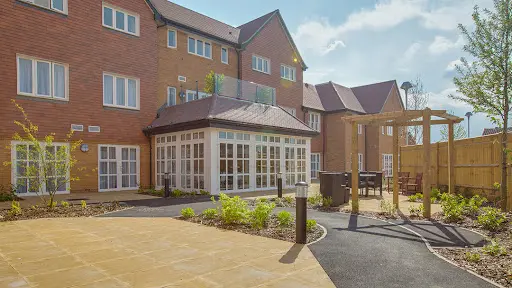
The woodland garden and surrounding countryside create natural opportunities for outdoor time, with easy walking paths that residents can enjoy safely. The home itself has the character of an older house, which some families find adds to its welcoming feel, though furnishings show their age.
“The combination of Surrey countryside and individualised care creates a setting where residents often flourish in unexpected ways.”
DCC does not edit or curate content in this tab. For independently curated information, see The Evidence and DCC Verdict.