Inwood House
At a Glance
The information you need to decide whether this home warrants a closer look.
Residential homes
Staff warmth score
of reviewers answered yes
Good to know
- Registered beds20
- SpecialismsCaring for adults over 65 yrs, Dementia, Mental health conditions, Physical disabilities, Sensory impairment
- Last inspected2022-10-29
Save Inwood House to your shortlist
Keep a running list, add visit notes, and compare homes side-by-side. Free account — it takes a minute.
STAGE 4 — RESEARCHING CARE HOMES
Visit homes. Compare them side by side. Choose with confidence.
Most of us will view care homes the way we view houses, impression, atmosphere, the feeling in the corridor. We go home, try to remember what we saw, and make a permanent decision from a blurred memory.

The DCC shortlist gives every home you visit a structured record: the same twelve questions, answered the same way, every time. When you’re ready to choose, pull any two homes side by side and compare them directly. Same criteria, same evidence, your notes and your scores.
The Evidence
What the review data, the inspection reports, and the dementia-care evidence base tell us about this home.
What families say
Families describe a genuine warmth that extends throughout the home. Staff take time to understand each resident's changing moods and needs, responding with patience and respect rather than rigid routines. The atmosphere stays friendly and calm even during challenging moments.
The eight family priority themes
- Staff warmth52
- Compassion & dignity55
- Cleanliness55
- Activities & engagement50
- Food quality50
- Healthcare52
- Management & leadership42
- Resident happiness52
What inspectors found
Inspected 2022-10-29
Is this home safe?
Is the care effective?
The effective domain was rated Good. The published inspection text does not include specific detail about care plan quality, GP access arrangements, dementia training content, or how food quality and dietary needs are managed. The home lists dementia as a specialism alongside mental health conditions, physical disabilities, and sensory impairment, which means staff need training across a wide range of conditions. No specific examples, inspector observations, or resident testimony about effectiveness of care are included in the published summary.Is this home caring?
The caring domain was rated Good. The published inspection summary does not include direct inspector observations of staff interactions, quotes from residents or relatives, or specific examples of dignity and respect being maintained. No detail is available about whether staff use preferred names, whether care is unhurried, or how the home responds to distress. The Good rating is noted but cannot be contextualised further from the available published text.Is the home responsive?
The responsive domain was rated Good. The published text does not include specific detail about the activity programme, individual engagement for people who cannot join group activities, outdoor space availability, or how the home tailors its approach to individual preferences and life histories. End-of-life care planning detail is also absent from the published summary. The home's small size (20 beds) could support more personalised responsiveness, but this cannot be confirmed from the available evidence.Is the home well-led?
The well-led domain was rated Requires Improvement, the only domain not to reach Good at the September 2022 inspection. The published summary does not specify what governance failures or leadership gaps led to this rating. The registered manager is named as Stephen Devaraj and the nominated individual as Mrs Baljinder Sall. The home is operated by Salisbury Christian Care Homes (Inwood House) Limited. A Requires Improvement rating in well-led is significant because leadership quality affects every other aspect of care, from staffing decisions to how incidents are investigated and whether families are kept informed.
Source: CQC inspection report →
What the evidence base says
Inwood House supports people over 65 with dementia, mental health conditions, physical disabilities and sensory impairments. The team shows particular skill in supporting residents whose dementia affects their mood and behaviour. Staff maintain a patient, respectful approach that preserves each person's dignity while keeping them safe and engaged in daily life. All areas worth probing directly during a visit.
The DCC Verdict
Our editorial view, built from the three lenses: what families tell us, what inspectors record, and how the home sits against good dementia-care practice.
DCC Family Score
Inwood House scores 68 out of 100. Most domains were rated Good at the last inspection, which is a genuine improvement from the previous Requires Improvement rating, but the continued Requires Improvement in well-led, combined with very thin inspection evidence across almost all family-facing themes, means the score stays in the middle band until a fuller inspection provides more specific detail.
Homes in South West typically score 68–82.The three-lens summary
What families tell us
Families describe a genuine warmth that extends throughout the home. Staff take time to understand each resident's changing moods and needs, responding with patience and respect rather than rigid routines. The atmosphere stays friendly and calm even during challenging moments.
What inspectors have recorded
The coordination between departments stands out here. Whether it's the handyman adapting a resident's room, housekeeping staff stopping for a chat, or admin teams greeting families, everyone works as part of the same caring approach. This consistency helps residents feel secure and valued.
How it sits against good practice
It's this focus on dignity and teamwork that makes Inwood House worth considering for your loved one.
Worth a visit
Inwood House, a 20-bed residential care home on Bellamy Lane in Salisbury, was rated Good overall at its inspection in September 2022, published in October 2022. This is an improvement on a previous Requires Improvement rating, and inspectors rated four of the five domains as Good: safe, effective, caring, and responsive. The home supports adults over 65, including people living with dementia, mental health conditions, physical disabilities, and sensory impairment. That breadth of specialism in a home of only 20 beds is worth noting, because a smaller home can mean more personalised attention. The one area that did not reach Good is well-led, which remains at Requires Improvement. Leadership and governance directly affect every other aspect of care, so this is the most important thing to probe on a visit. The published inspection report provides very little specific detail, which means many family-facing questions, such as staffing levels, activity quality, food, and dementia training, cannot be answered from the published findings alone. Ask to speak with the registered manager, Stephen Devaraj, and ask what specific improvements have been made to governance since the inspection.
The three questions to ask when you visitSave this home. Compare it against your shortlist.
Let our analysis show you how Inwood House measures up against the other homes you’re considering. Free account.
In Their Own Words
How Inwood House describes itself — collected from its own website. DCC has not edited or independently verified the content in this tab.
Where dignity shapes every detail of daily life
Compassionate Care in Salisbury at Inwood House
At Inwood House in Salisbury, care goes deeper than meeting physical needs. This South West home has built its approach around preserving dignity and independence for residents living with dementia, sensory impairments and other complex conditions. The difference shows in how staff across every department — from housekeeping to activities — work together as one team focused on each resident's wellbeing.
Who they care for
Inwood House supports people over 65 with dementia, mental health conditions, physical disabilities and sensory impairments.
The team shows particular skill in supporting residents whose dementia affects their mood and behaviour. Staff maintain a patient, respectful approach that preserves each person's dignity while keeping them safe and engaged in daily life.
“It's this focus on dignity and teamwork that makes Inwood House worth considering for your loved one.”
DCC does not edit or curate content in this tab. For independently curated information, see The Evidence and DCC Verdict.
The DCC Verdict
Our editorial view, built from the three lenses: what families tell us, what inspectors record, and how the home sits against good dementia-care practice.
DCC Family Score
Inwood House scores 68 out of 100. Most domains were rated Good at the last inspection, which is a genuine improvement from the previous Requires Improvement rating, but the continued Requires Improvement in well-led, combined with very thin inspection evidence across almost all family-facing themes, means the score stays in the middle band until a fuller inspection provides more specific detail.
Homes in South West typically score 68–82.The three-lens summary
What families tell us
Families describe a genuine warmth that extends throughout the home. Staff take time to understand each resident's changing moods and needs, responding with patience and respect rather than rigid routines. The atmosphere stays friendly and calm even during challenging moments.
What inspectors have recorded
The coordination between departments stands out here. Whether it's the handyman adapting a resident's room, housekeeping staff stopping for a chat, or admin teams greeting families, everyone works as part of the same caring approach. This consistency helps residents feel secure and valued.
How it sits against good practice
It's this focus on dignity and teamwork that makes Inwood House worth considering for your loved one.
Worth a visit
Inwood House, a 20-bed residential care home on Bellamy Lane in Salisbury, was rated Good overall at its inspection in September 2022, published in October 2022. This is an improvement on a previous Requires Improvement rating, and inspectors rated four of the five domains as Good: safe, effective, caring, and responsive. The home supports adults over 65, including people living with dementia, mental health conditions, physical disabilities, and sensory impairment. That breadth of specialism in a home of only 20 beds is worth noting, because a smaller home can mean more personalised attention. The one area that did not reach Good is well-led, which remains at Requires Improvement. Leadership and governance directly affect every other aspect of care, so this is the most important thing to probe on a visit. The published inspection report provides very little specific detail, which means many family-facing questions, such as staffing levels, activity quality, food, and dementia training, cannot be answered from the published findings alone. Ask to speak with the registered manager, Stephen Devaraj, and ask what specific improvements have been made to governance since the inspection.
The three questions to ask when you visitSave this home. Compare it against your shortlist.
Let our analysis show you how Inwood House measures up against the other homes you’re considering. Free account.
In Their Own Words
How Inwood House describes itself — collected from its own website. DCC has not edited or independently verified the content in this tab.
Where dignity shapes every detail of daily life
Compassionate Care in Salisbury at Inwood House
At Inwood House in Salisbury, care goes deeper than meeting physical needs. This South West home has built its approach around preserving dignity and independence for residents living with dementia, sensory impairments and other complex conditions. The difference shows in how staff across every department — from housekeeping to activities — work together as one team focused on each resident's wellbeing.
Who they care for
Inwood House supports people over 65 with dementia, mental health conditions, physical disabilities and sensory impairments.
The team shows particular skill in supporting residents whose dementia affects their mood and behaviour. Staff maintain a patient, respectful approach that preserves each person's dignity while keeping them safe and engaged in daily life.
Management & ethos
The coordination between departments stands out here. Whether it's the handyman adapting a resident's room, housekeeping staff stopping for a chat, or admin teams greeting families, everyone works as part of the same caring approach. This consistency helps residents feel secure and valued.
The home & environment
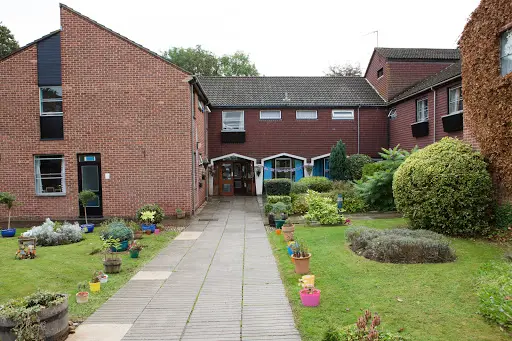
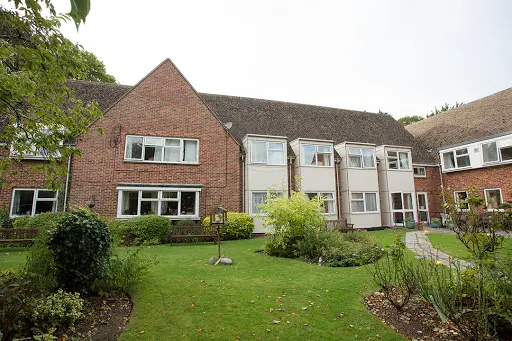
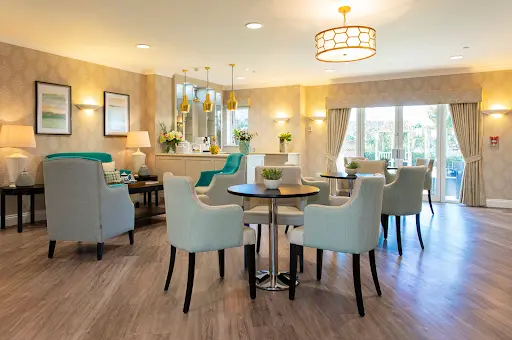
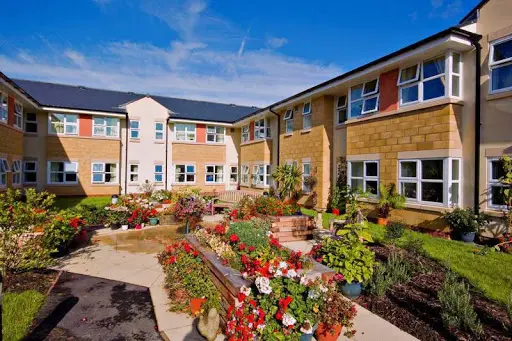
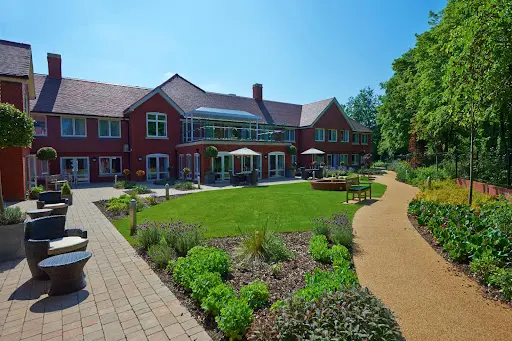
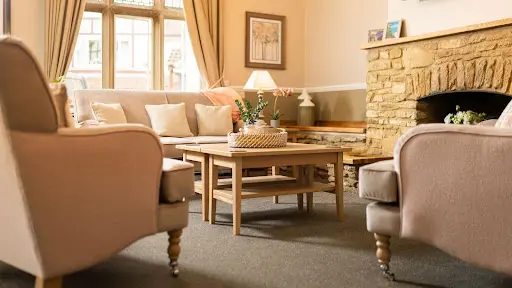
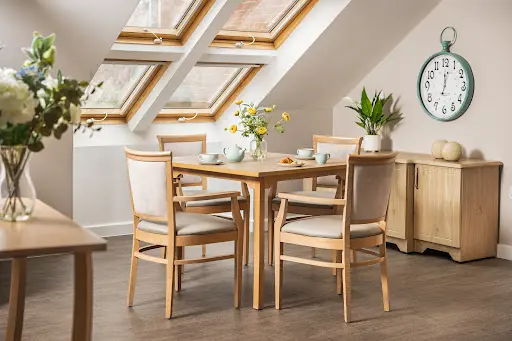
Residents can bring their own furniture to create familiar surroundings in their rooms. The kitchen team offers varied meal choices that match individual preferences, while the activities programme includes multi-sensory options designed to engage residents with different abilities and interests.
“It's this focus on dignity and teamwork that makes Inwood House worth considering for your loved one.”
DCC does not edit or curate content in this tab. For independently curated information, see The Evidence and DCC Verdict.