Lola’s house residential care home

At a Glance
The information you need to decide whether this home warrants a closer look.
Residential homes
Staff warmth score
of reviewers answered yes
Good to know
- Registered beds47
- SpecialismsCaring for adults over 65 yrs, Caring for adults under 65 yrs, Dementia, Physical disabilities, Sensory impairment
- Last inspected2023-08-04
Save Lola’s house residential care home to your shortlist
Keep a running list, add visit notes, and compare homes side-by-side. Free account — it takes a minute.
STAGE 4 — RESEARCHING CARE HOMES
Visit homes. Compare them side by side. Choose with confidence.
Most of us will view care homes the way we view houses, impression, atmosphere, the feeling in the corridor. We go home, try to remember what we saw, and make a permanent decision from a blurred memory.

The DCC shortlist gives every home you visit a structured record: the same twelve questions, answered the same way, every time. When you’re ready to choose, pull any two homes side by side and compare them directly. Same criteria, same evidence, your notes and your scores.
The Evidence
What the review data, the inspection reports, and the dementia-care evidence base tell us about this home.
What families say
Families describe a place where staff take time to really connect with each resident. There's music playing, proper hugs when someone needs comfort, and carers who find ways to bring out smiles even on difficult days. People notice how staff adapt their approach for each person's needs, whether someone's dealing with confusion or just having a tough morning.
The eight family priority themes
- Staff warmth72
- Compassion & dignity72
- Cleanliness68
- Activities & engagement60
- Food quality60
- Healthcare65
- Management & leadership70
- Resident happiness68
What inspectors found
Inspected 2023-08-04
Is this home safe?
Is the care effective?
The Effective domain was rated Good at the July 2023 inspection. This domain covers how well the home assesses and meets people's needs, including training, care planning, healthcare access, and food. The published text does not include specific detail about how care plans are written or reviewed, what dementia training staff have completed, how GP access is arranged, or what the food offer looks like at mealtimes. The home lists dementia as a specialism, which means effective, trained, person-centred care should be a baseline expectation.Is this home caring?
The Caring domain was rated Good at the July 2023 inspection. This is the domain most directly connected to how staff treat your parent as a person, covering warmth, dignity, privacy, and respect for independence. The published inspection text does not include direct observations of staff interactions or quotes from residents or relatives to illustrate what kindness looks like in this home day to day. The home's dementia specialism means caring practice should include understanding non-verbal communication and responding to distress without relying on verbal cues.Is the home responsive?
The Responsive domain was rated Good at the July 2023 inspection. This domain covers whether the home tailors daily life to each individual, including activities, engagement, and how complaints are handled. The published text does not describe the activities programme, whether one-to-one engagement is available for people who cannot join group sessions, or how the home adapts to changing individual needs. The home supports people with dementia, physical disabilities, and sensory impairment, which means a one-size-fits-all activities offer would not be sufficient.Is the home well-led?
The Well-led domain was rated Good at the July 2023 inspection, completing a full recovery from the previous Inadequate rating. This domain covers management visibility, governance, learning from incidents, and the culture staff experience. The home has a named registered manager, Mrs Sarah Catherine Andrew, and a nominated individual, Mrs Marlona Barbon Carter. The published text does not describe how long the current manager has been in post, whether staff feel able to raise concerns, or what governance systems are in place to monitor quality.
Source: CQC inspection report →
What the evidence base says
The home cares for adults both over and under 65, including those living with dementia, physical disabilities, and sensory impairments. Staff here understand the journey dementia takes, supporting residents with patience as memory and abilities change. They use music, activities and personal connection to maintain quality of life even as the condition advances. All areas worth probing directly during a visit.
The DCC Verdict
Our editorial view, built from the three lenses: what families tell us, what inspectors record, and how the home sits against good dementia-care practice.
DCC Family Score
Lola's House scores 72 out of 100, reflecting a genuine and significant turnaround from a previous Inadequate rating to a clean sweep of Good across all five inspection domains. The score sits in the positive-but-undetailed band because the published inspection text does not include specific observations, quotes, or examples to confirm how daily life looks for your parent.
Homes in Yorkshire & Humberside typically score 68–82.The three-lens summary
What families tell us
Families describe a place where staff take time to really connect with each resident. There's music playing, proper hugs when someone needs comfort, and carers who find ways to bring out smiles even on difficult days. People notice how staff adapt their approach for each person's needs, whether someone's dealing with confusion or just having a tough morning.
What inspectors have recorded
When families have questions or concerns, they find staff and management ready to help. The team shows real understanding when residents' needs change over time, staying patient and professional even when conditions like dementia progress. There's proper clinical awareness here alongside the emotional support.
How it sits against good practice
Sometimes the right care home is the one that sees each resident as they are today, while preparing thoughtfully for tomorrow.
Worth a visit
Lola's House Residential Home Limited, in Brough, East Yorkshire, was rated Good across all five inspection domains at its most recent inspection in July 2023. This is a meaningful result because it represents a full recovery from a previous Inadequate rating, which is a significant turnaround and tells you that the people running this home identified serious problems and fixed them. The home supports up to 47 people, including those living with dementia, physical disabilities, and sensory impairment, and it holds a formal Good rating for safety, effectiveness, caring, responsiveness, and leadership. The main uncertainty is straightforward: the published inspection text is brief and does not include direct observations, resident or family quotes, or specific examples of daily life. A Good rating confirmed after an Inadequate period is encouraging, but you cannot rely on the rating alone. Before or during your visit, ask to see last week's actual staffing rota (not a template), find out how many permanent staff work on the dementia unit at night, and ask how recently the home's registered manager, Mrs Sarah Andrew, took up post. Sit in a communal area for 20 minutes and watch how staff interact with your parent's potential neighbours. That will tell you more than any document.
The three questions to ask when you visitSave this home. Compare it against your shortlist.
Let our analysis show you how Lola’s house residential care home measures up against the other homes you’re considering. Free account.
In Their Own Words
How Lola’s house residential care home describes itself — collected from its own website. DCC has not edited or independently verified the content in this tab.
Where patience and kindness meet life's changing needs
Dedicated residential home Support in Brough
When dementia or physical challenges change everything, families need somewhere that truly understands. Lola's House in Brough brings together trained staff who know how to support residents through difficult transitions, whether that's memory loss, mobility changes, or simply the challenges of getting older. This Yorkshire care home focuses on keeping life meaningful through music, activities and genuine warmth.
Who they care for
The home cares for adults both over and under 65, including those living with dementia, physical disabilities, and sensory impairments.
Staff here understand the journey dementia takes, supporting residents with patience as memory and abilities change. They use music, activities and personal connection to maintain quality of life even as the condition advances.
“Sometimes the right care home is the one that sees each resident as they are today, while preparing thoughtfully for tomorrow.”
DCC does not edit or curate content in this tab. For independently curated information, see The Evidence and DCC Verdict.
The DCC Verdict
Our editorial view, built from the three lenses: what families tell us, what inspectors record, and how the home sits against good dementia-care practice.
DCC Family Score
Lola's House scores 72 out of 100, reflecting a genuine and significant turnaround from a previous Inadequate rating to a clean sweep of Good across all five inspection domains. The score sits in the positive-but-undetailed band because the published inspection text does not include specific observations, quotes, or examples to confirm how daily life looks for your parent.
Homes in Yorkshire & Humberside typically score 68–82.The three-lens summary
What families tell us
Families describe a place where staff take time to really connect with each resident. There's music playing, proper hugs when someone needs comfort, and carers who find ways to bring out smiles even on difficult days. People notice how staff adapt their approach for each person's needs, whether someone's dealing with confusion or just having a tough morning.
What inspectors have recorded
When families have questions or concerns, they find staff and management ready to help. The team shows real understanding when residents' needs change over time, staying patient and professional even when conditions like dementia progress. There's proper clinical awareness here alongside the emotional support.
How it sits against good practice
Sometimes the right care home is the one that sees each resident as they are today, while preparing thoughtfully for tomorrow.
Worth a visit
Lola's House Residential Home Limited, in Brough, East Yorkshire, was rated Good across all five inspection domains at its most recent inspection in July 2023. This is a meaningful result because it represents a full recovery from a previous Inadequate rating, which is a significant turnaround and tells you that the people running this home identified serious problems and fixed them. The home supports up to 47 people, including those living with dementia, physical disabilities, and sensory impairment, and it holds a formal Good rating for safety, effectiveness, caring, responsiveness, and leadership. The main uncertainty is straightforward: the published inspection text is brief and does not include direct observations, resident or family quotes, or specific examples of daily life. A Good rating confirmed after an Inadequate period is encouraging, but you cannot rely on the rating alone. Before or during your visit, ask to see last week's actual staffing rota (not a template), find out how many permanent staff work on the dementia unit at night, and ask how recently the home's registered manager, Mrs Sarah Andrew, took up post. Sit in a communal area for 20 minutes and watch how staff interact with your parent's potential neighbours. That will tell you more than any document.
The three questions to ask when you visitSave this home. Compare it against your shortlist.
Let our analysis show you how Lola’s house residential care home measures up against the other homes you’re considering. Free account.
In Their Own Words
How Lola’s house residential care home describes itself — collected from its own website. DCC has not edited or independently verified the content in this tab.
Where patience and kindness meet life's changing needs
Dedicated residential home Support in Brough
When dementia or physical challenges change everything, families need somewhere that truly understands. Lola's House in Brough brings together trained staff who know how to support residents through difficult transitions, whether that's memory loss, mobility changes, or simply the challenges of getting older. This Yorkshire care home focuses on keeping life meaningful through music, activities and genuine warmth.
Who they care for
The home cares for adults both over and under 65, including those living with dementia, physical disabilities, and sensory impairments.
Staff here understand the journey dementia takes, supporting residents with patience as memory and abilities change. They use music, activities and personal connection to maintain quality of life even as the condition advances.
Management & ethos
When families have questions or concerns, they find staff and management ready to help. The team shows real understanding when residents' needs change over time, staying patient and professional even when conditions like dementia progress. There's proper clinical awareness here alongside the emotional support.
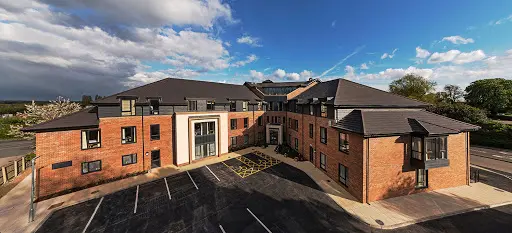
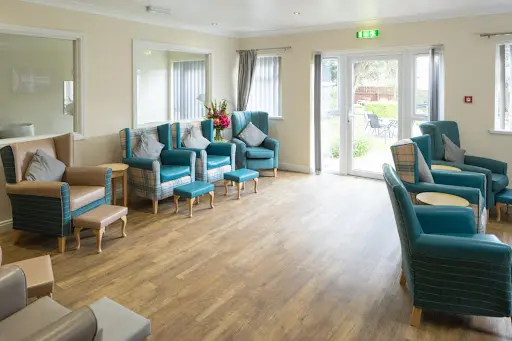
The home & environment
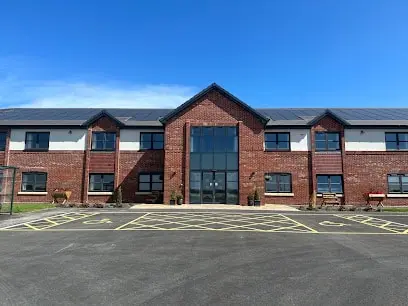
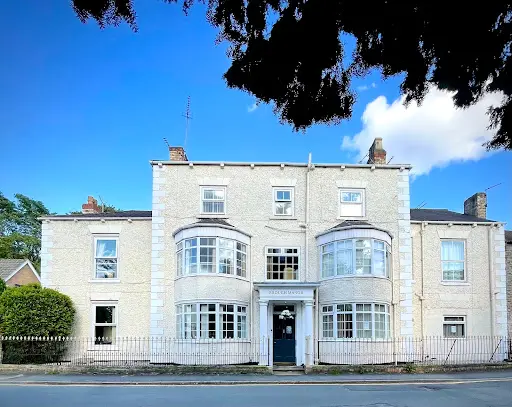
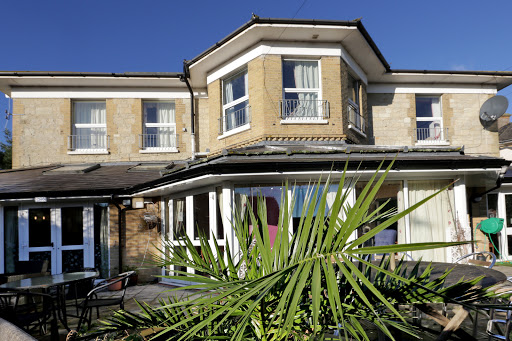
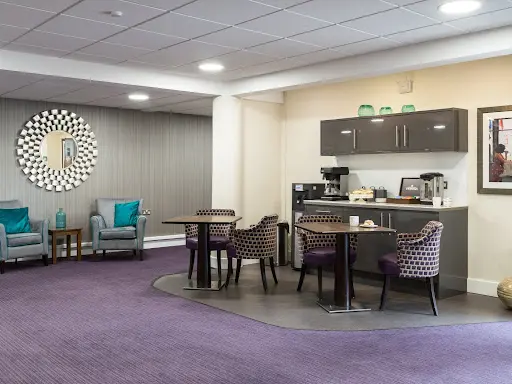
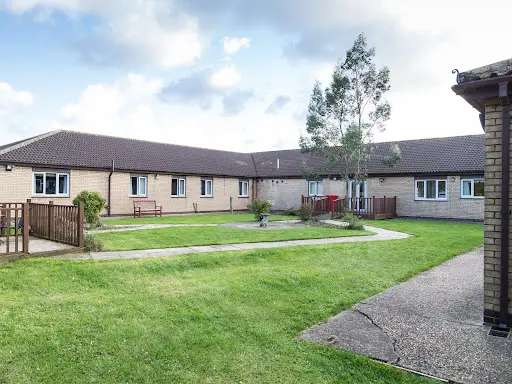
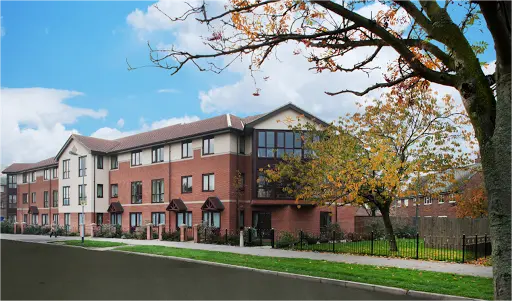
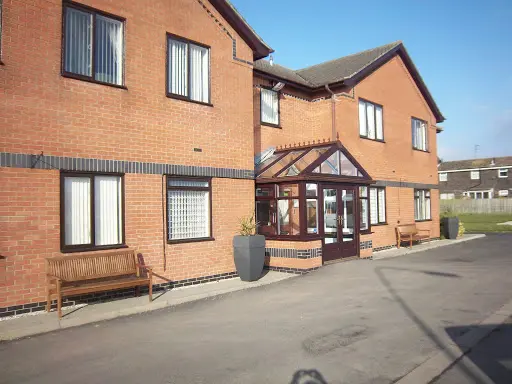
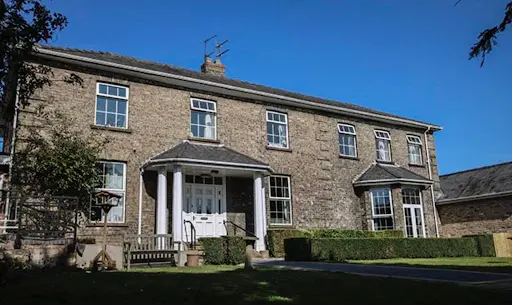
The home keeps things clean and tidy throughout, with regular entertainment and social events bringing energy to daily life. While the building itself could use some updating according to one visitor, the basics are well-maintained and there's a sense of order that helps residents feel secure.
“Sometimes the right care home is the one that sees each resident as they are today, while preparing thoughtfully for tomorrow.”
DCC does not edit or curate content in this tab. For independently curated information, see The Evidence and DCC Verdict.