Springfield House Nursing Home

At a Glance
The information you need to decide whether this home warrants a closer look.
Nursing homes
Staff warmth score
of reviewers answered yes
Good to know
- Registered beds27
- SpecialismsCaring for adults over 65 yrs, Dementia
- Last inspected2018-08-10
Save Springfield House Nursing Home to your shortlist
Keep a running list, add visit notes, and compare homes side-by-side. Free account — it takes a minute.
STAGE 4 — RESEARCHING CARE HOMES
Visit homes. Compare them side by side. Choose with confidence.
Most of us will view care homes the way we view houses, impression, atmosphere, the feeling in the corridor. We go home, try to remember what we saw, and make a permanent decision from a blurred memory.

The DCC shortlist gives every home you visit a structured record: the same twelve questions, answered the same way, every time. When you’re ready to choose, pull any two homes side by side and compare them directly. Same criteria, same evidence, your notes and your scores.
The Evidence
What the review data, the inspection reports, and the dementia-care evidence base tell us about this home.
What families say
Visitors describe a relaxed atmosphere where they feel genuinely welcome to drop by. The staff make time to chat with both residents and their families, creating connections that go beyond basic care. There's a sense that everyone's treated as an individual here, with staff taking the time to know each person's preferences and routines.
The eight family priority themes
- Staff warmth72
- Compassion & dignity72
- Cleanliness70
- Activities & engagement65
- Food quality65
- Healthcare70
- Management & leadership72
- Resident happiness70
What inspectors found
Inspected 2018-08-10
Is this home safe?
Is the care effective?
The home was rated Good for effectiveness at the July 2018 inspection. No specific detail is recorded in the published findings about care plan quality, GP access, dementia training content, or food and nutrition practices. The home is registered to provide treatment of disease, disorder, or injury, confirming a clinical offer is in place. Beyond that registration fact, the inspection text does not provide enough detail to assess how effectively care is planned and delivered for people with dementia.Is this home caring?
The home was rated Good for caring at the July 2018 inspection. No direct observations of staff interactions, dignity practices, or resident experience are recorded in the published report text. No quotes from residents or relatives are included in the available findings. A Good rating in this domain is a positive signal, but it is not possible from the published material to describe what warmth and dignity look like day to day in this home.Is the home responsive?
The home was rated Good for responsiveness at the July 2018 inspection. No specific detail is recorded in the published findings about the activity programme, one-to-one engagement, end-of-life care planning, or how the home responds to individual preferences. The home is registered to care for people with dementia, but the inspection does not describe how this specialism is expressed in practice through tailored activities or personalised care.Is the home well-led?
The home was rated Good for being well-led at the July 2018 inspection. Miss Marie Buys is named as the registered manager. No detail is provided in the published findings about her tenure, visibility on the floor, governance arrangements, or how the home handles complaints and learning from incidents. The July 2023 review found no evidence requiring a change to the rating, but this was a desk-based review rather than a full inspection visit.
Source: CQC inspection report →
What the evidence base says
The home provides nursing care for adults over 65, including those living with dementia. For residents with dementia, the consistent routines and familiar faces seem to provide reassurance. The structured activity programme helps maintain engagement, while staff understand the importance of patience and individual connection. All areas worth probing directly during a visit.
The DCC Verdict
Our editorial view, built from the three lenses: what families tell us, what inspectors record, and how the home sits against good dementia-care practice.
DCC Family Score
Springfield House Nursing Home holds a Good rating across all five domains, but the inspection report itself contains very little specific detail, meaning most scores sit in the mid-range where positive evidence exists but lacks the direct observations, quotes, or examples that would push them higher.
Homes in South East typically score 68–82.The three-lens summary
What families tell us
Visitors describe a relaxed atmosphere where they feel genuinely welcome to drop by. The staff make time to chat with both residents and their families, creating connections that go beyond basic care. There's a sense that everyone's treated as an individual here, with staff taking the time to know each person's preferences and routines.
What inspectors have recorded
The team strikes a balance between professionalism and warmth. They're attentive to the practical aspects of care — ensuring residents are clean, comfortable and well-presented — while also bringing genuine cheerfulness to their interactions. When families face difficult times, staff provide thoughtful support that extends beyond their formal duties.
How it sits against good practice
Sometimes the best care shows in the small things — a freshly shaved face, a favourite meal enjoyed, or simply knowing there's always someone cheerful to talk to.
Worth a visit
Springfield House Nursing Home, at 6 Stoke Road, Cobham, was rated Good across all five domains at its last inspection in July 2018. A desk-based review carried out in July 2023 found no evidence requiring a change to that rating. The home is a 27-bed nursing home registered to care for adults over 65, including people living with dementia, and has a named registered manager in post. The most important thing to know before visiting is that the published inspection report contains very little specific detail. Good ratings are meaningful, but without direct observations, resident or relative quotes, or specific examples from inspectors, it is not possible to say with confidence what daily life looks like for your parent here. The last full inspection was over six years ago. That gap means this report should be treated as a starting point, not a complete picture. Use the checklist questions in this report on your visit, and ask the manager directly about night staffing numbers, dementia training, agency staff use, and how they keep families informed.
The three questions to ask when you visitSave this home. Compare it against your shortlist.
Let our analysis show you how Springfield House Nursing Home measures up against the other homes you’re considering. Free account.
In Their Own Words
How Springfield House Nursing Home describes itself — collected from its own website. DCC has not edited or independently verified the content in this tab.
Where daily routines bring comfort and connection in Cobham
Nursing home in Cobham: True Peace of Mind
When you're looking for nursing care that keeps life feeling normal, the details matter. Springfield House Nursing Home in Cobham focuses on those everyday things that help residents feel like themselves — from keeping up with personal grooming to enjoying proper meals together. Families visiting here often mention how reassuring it is to see their loved ones looking well-cared-for and engaged with daily life.
Who they care for
The home provides nursing care for adults over 65, including those living with dementia.
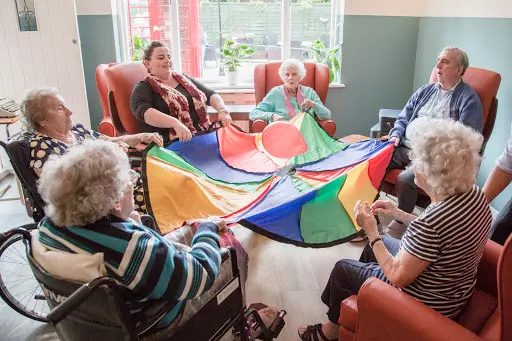
For residents with dementia, the consistent routines and familiar faces seem to provide reassurance. The structured activity programme helps maintain engagement, while staff understand the importance of patience and individual connection.
“Sometimes the best care shows in the small things — a freshly shaved face, a favourite meal enjoyed, or simply knowing there's always someone cheerful to talk to.”
DCC does not edit or curate content in this tab. For independently curated information, see The Evidence and DCC Verdict.
The DCC Verdict
Our editorial view, built from the three lenses: what families tell us, what inspectors record, and how the home sits against good dementia-care practice.
DCC Family Score
Springfield House Nursing Home holds a Good rating across all five domains, but the inspection report itself contains very little specific detail, meaning most scores sit in the mid-range where positive evidence exists but lacks the direct observations, quotes, or examples that would push them higher.
Homes in South East typically score 68–82.The three-lens summary
What families tell us
Visitors describe a relaxed atmosphere where they feel genuinely welcome to drop by. The staff make time to chat with both residents and their families, creating connections that go beyond basic care. There's a sense that everyone's treated as an individual here, with staff taking the time to know each person's preferences and routines.
What inspectors have recorded
The team strikes a balance between professionalism and warmth. They're attentive to the practical aspects of care — ensuring residents are clean, comfortable and well-presented — while also bringing genuine cheerfulness to their interactions. When families face difficult times, staff provide thoughtful support that extends beyond their formal duties.
How it sits against good practice
Sometimes the best care shows in the small things — a freshly shaved face, a favourite meal enjoyed, or simply knowing there's always someone cheerful to talk to.
Worth a visit
Springfield House Nursing Home, at 6 Stoke Road, Cobham, was rated Good across all five domains at its last inspection in July 2018. A desk-based review carried out in July 2023 found no evidence requiring a change to that rating. The home is a 27-bed nursing home registered to care for adults over 65, including people living with dementia, and has a named registered manager in post. The most important thing to know before visiting is that the published inspection report contains very little specific detail. Good ratings are meaningful, but without direct observations, resident or relative quotes, or specific examples from inspectors, it is not possible to say with confidence what daily life looks like for your parent here. The last full inspection was over six years ago. That gap means this report should be treated as a starting point, not a complete picture. Use the checklist questions in this report on your visit, and ask the manager directly about night staffing numbers, dementia training, agency staff use, and how they keep families informed.
The three questions to ask when you visitSave this home. Compare it against your shortlist.
Let our analysis show you how Springfield House Nursing Home measures up against the other homes you’re considering. Free account.
In Their Own Words
How Springfield House Nursing Home describes itself — collected from its own website. DCC has not edited or independently verified the content in this tab.
Where daily routines bring comfort and connection in Cobham
Nursing home in Cobham: True Peace of Mind
When you're looking for nursing care that keeps life feeling normal, the details matter. Springfield House Nursing Home in Cobham focuses on those everyday things that help residents feel like themselves — from keeping up with personal grooming to enjoying proper meals together. Families visiting here often mention how reassuring it is to see their loved ones looking well-cared-for and engaged with daily life.
Who they care for
The home provides nursing care for adults over 65, including those living with dementia.
For residents with dementia, the consistent routines and familiar faces seem to provide reassurance. The structured activity programme helps maintain engagement, while staff understand the importance of patience and individual connection.
Management & ethos
The team strikes a balance between professionalism and warmth. They're attentive to the practical aspects of care — ensuring residents are clean, comfortable and well-presented — while also bringing genuine cheerfulness to their interactions. When families face difficult times, staff provide thoughtful support that extends beyond their formal duties.
The home & environment
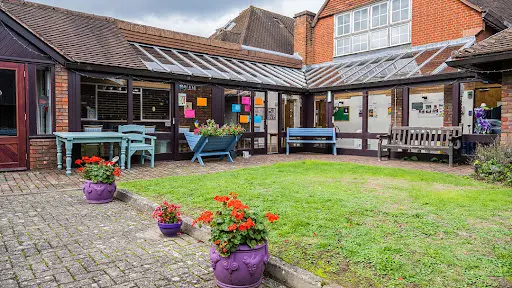
Meals are a highlight, with residents consistently enjoying their food and maintaining good appetites. The home runs a programme of daily activities designed to keep minds active and spirits up — these regular events give structure to the days and something for residents to look forward to.
“Sometimes the best care shows in the small things — a freshly shaved face, a favourite meal enjoyed, or simply knowing there's always someone cheerful to talk to.”
DCC does not edit or curate content in this tab. For independently curated information, see The Evidence and DCC Verdict.