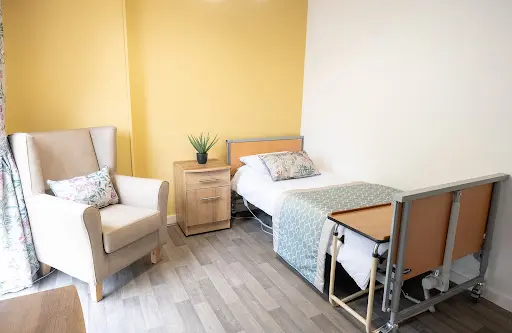
Sea Bank House

At a Glance
The information you need to decide whether this home warrants a closer look.
Residential homes
Staff warmth score
of reviewers answered yes
Good to know
- Registered beds23
- SpecialismsCaring for adults over 65 yrs, Dementia
- Last inspected2019-11-05
Save Sea Bank House to your shortlist
Keep a running list, add visit notes, and compare homes side-by-side. Free account — it takes a minute.
STAGE 4 — RESEARCHING CARE HOMES
Visit homes. Compare them side by side. Choose with confidence.
Most of us will view care homes the way we view houses, impression, atmosphere, the feeling in the corridor. We go home, try to remember what we saw, and make a permanent decision from a blurred memory.

The DCC shortlist gives every home you visit a structured record: the same twelve questions, answered the same way, every time. When you’re ready to choose, pull any two homes side by side and compare them directly. Same criteria, same evidence, your notes and your scores.
The Evidence
What the review data, the inspection reports, and the dementia-care evidence base tell us about this home.
What families say
Families notice that staff here are approachable and present when residents need them. There's a sense that team members make themselves available and respond well to individual needs.
The eight family priority themes
- Staff warmth55
- Compassion & dignity55
- Cleanliness55
- Activities & engagement50
- Food quality50
- Healthcare50
- Management & leadership60
- Resident happiness55
What inspectors found
Inspected 2019-11-05
Is this home safe?
Is the care effective?
The home was rated Good for effectiveness at its last inspection. The published findings provide no specific detail about care plan quality, GP access, dementia training content, or how food preferences are recorded and met. The home is registered as a dementia specialism, but the inspection text does not describe what this means in practice for how care is delivered.Is this home caring?
The home was rated Good for caring at its last inspection. The published findings include no specific inspector observations about staff interactions, use of preferred names, response to distress, or how privacy and dignity are maintained day to day. There are no resident or relative quotes recorded in the available text.Is the home responsive?
The home was rated Good for responsiveness at its last inspection. The published findings give no specific detail about the activity programme, individual engagement for people with advanced dementia, how the home responds to complaints, or how end-of-life care is planned. The home has 23 beds, which is a scale at which individual attention should in principle be achievable.Is the home well-led?
The home was rated Good for leadership at its last inspection. A named registered manager, Miss Joanne Cato, is recorded as being in post. The home is owned and run by Mrs K Kalkat and Mr GS Nijjar. The published findings do not describe the management culture, staff feedback mechanisms, governance systems, or how the home monitors and improves quality on an ongoing basis.
Source: CQC inspection report →
What the evidence base says
Sea Bank House provides residential care for people aged 65 and over, with particular experience in dementia care. The team here understands the specific needs that come with dementia. They work to create an environment where residents with memory challenges can feel secure and maintain their daily routines. All areas worth probing directly during a visit.
The DCC Verdict
Our editorial view, built from the three lenses: what families tell us, what inspectors record, and how the home sits against good dementia-care practice.
DCC Family Score
Sea Bank House holds a Good rating across all five inspection domains, improved from a previous Requires Improvement, which is an encouraging trajectory. However, the published inspection findings contain very little specific detail, so scores reflect general compliance rather than confirmed strengths in the areas families care about most.
Homes in North West typically score 68–82.The three-lens summary
What families tell us
Families notice that staff here are approachable and present when residents need them. There's a sense that team members make themselves available and respond well to individual needs.
What inspectors have recorded
How it sits against good practice
Getting the right balance between offering activities and helping residents feel comfortable joining in takes real skill and attention.
Worth a visit
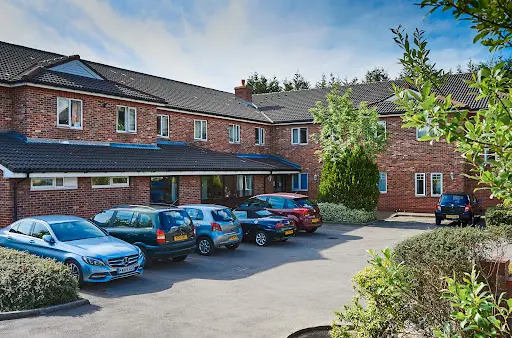
Sea Bank House, a 23-bed residential home in Poulton-le-Fylde specialising in dementia care and care for older adults, was rated Good across all five inspection domains at its last inspection in November 2019, with the rating confirmed as still applying following a review of available information in July 2023. This is a meaningful improvement from a previous Requires Improvement rating, suggesting the home has worked to address whatever concerns were identified earlier. A named registered manager is in post, which is a positive governance sign. The main limitation of this report is that very little specific inspection detail is available in the published findings. That means the Good rating is confirmed, but there is almost nothing on record about what inspectors actually saw, heard, or measured in areas families care about most, such as staff warmth, food quality, activities, or night staffing levels. This does not mean those things are poor, but it does mean you will need to do your own due diligence on a visit. Bring the checklist above with you, ask for last week's actual staffing rota rather than a template, and spend time in the lounge watching how staff interact with residents before making your decision.
The three questions to ask when you visitSave this home. Compare it against your shortlist.
Let our analysis show you how Sea Bank House measures up against the other homes you’re considering. Free account.
In Their Own Words
How Sea Bank House describes itself — collected from its own website. DCC has not edited or independently verified the content in this tab.
Friendly staff and regular activities in coastal Poulton care
Compassionate Care in Poulton Le Flyde at Sea Bank House
When you're looking for care that keeps your loved one engaged and comfortable, the balance between having activities available and making sure residents actually join in matters. Sea Bank House in Poulton Le Flyde focuses on providing varied activities and accessible staff support for their residents. This care home specialises in supporting people over 65, including those living with dementia.
Who they care for
Sea Bank House provides residential care for people aged 65 and over, with particular experience in dementia care.
The team here understands the specific needs that come with dementia. They work to create an environment where residents with memory challenges can feel secure and maintain their daily routines.
“Getting the right balance between offering activities and helping residents feel comfortable joining in takes real skill and attention.”
DCC does not edit or curate content in this tab. For independently curated information, see The Evidence and DCC Verdict.
The DCC Verdict
Our editorial view, built from the three lenses: what families tell us, what inspectors record, and how the home sits against good dementia-care practice.
DCC Family Score
Sea Bank House holds a Good rating across all five inspection domains, improved from a previous Requires Improvement, which is an encouraging trajectory. However, the published inspection findings contain very little specific detail, so scores reflect general compliance rather than confirmed strengths in the areas families care about most.
Homes in North West typically score 68–82.The three-lens summary
What families tell us
Families notice that staff here are approachable and present when residents need them. There's a sense that team members make themselves available and respond well to individual needs.
What inspectors have recorded
How it sits against good practice
Getting the right balance between offering activities and helping residents feel comfortable joining in takes real skill and attention.
Worth a visit
Sea Bank House, a 23-bed residential home in Poulton-le-Fylde specialising in dementia care and care for older adults, was rated Good across all five inspection domains at its last inspection in November 2019, with the rating confirmed as still applying following a review of available information in July 2023. This is a meaningful improvement from a previous Requires Improvement rating, suggesting the home has worked to address whatever concerns were identified earlier. A named registered manager is in post, which is a positive governance sign. The main limitation of this report is that very little specific inspection detail is available in the published findings. That means the Good rating is confirmed, but there is almost nothing on record about what inspectors actually saw, heard, or measured in areas families care about most, such as staff warmth, food quality, activities, or night staffing levels. This does not mean those things are poor, but it does mean you will need to do your own due diligence on a visit. Bring the checklist above with you, ask for last week's actual staffing rota rather than a template, and spend time in the lounge watching how staff interact with residents before making your decision.
The three questions to ask when you visitSave this home. Compare it against your shortlist.
Let our analysis show you how Sea Bank House measures up against the other homes you’re considering. Free account.
In Their Own Words
How Sea Bank House describes itself — collected from its own website. DCC has not edited or independently verified the content in this tab.
Friendly staff and regular activities in coastal Poulton care
Compassionate Care in Poulton Le Flyde at Sea Bank House
When you're looking for care that keeps your loved one engaged and comfortable, the balance between having activities available and making sure residents actually join in matters. Sea Bank House in Poulton Le Flyde focuses on providing varied activities and accessible staff support for their residents. This care home specialises in supporting people over 65, including those living with dementia.
Who they care for
Sea Bank House provides residential care for people aged 65 and over, with particular experience in dementia care.
The team here understands the specific needs that come with dementia. They work to create an environment where residents with memory challenges can feel secure and maintain their daily routines.
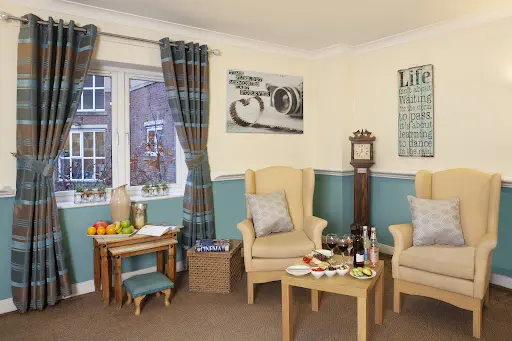
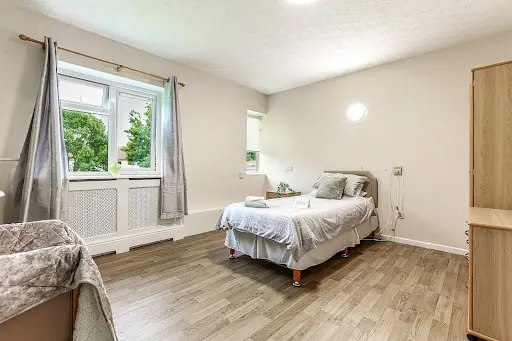
The home & environment
The home runs a programme of different activities including entertainment, crafts, and therapeutic visits. Residents can also book hairdressing appointments and massage therapy without leaving the building.
“Getting the right balance between offering activities and helping residents feel comfortable joining in takes real skill and attention.”
DCC does not edit or curate content in this tab. For independently curated information, see The Evidence and DCC Verdict.