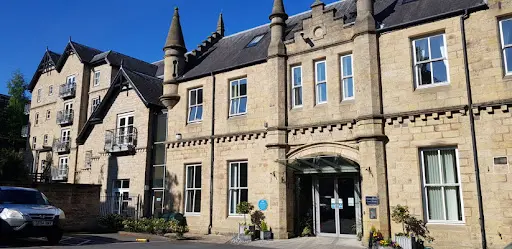
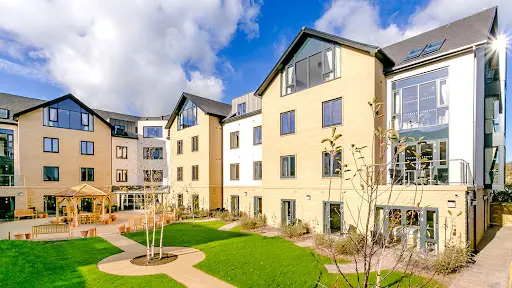
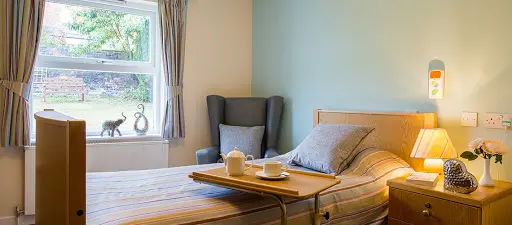
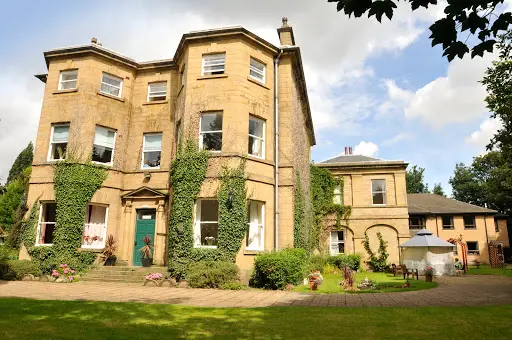
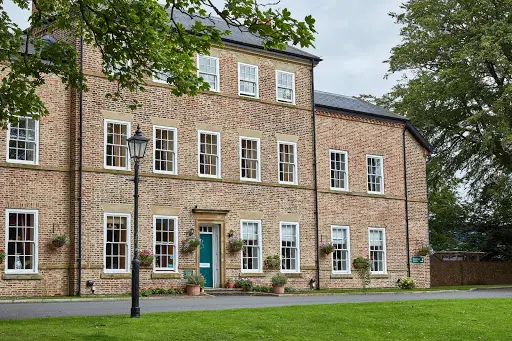
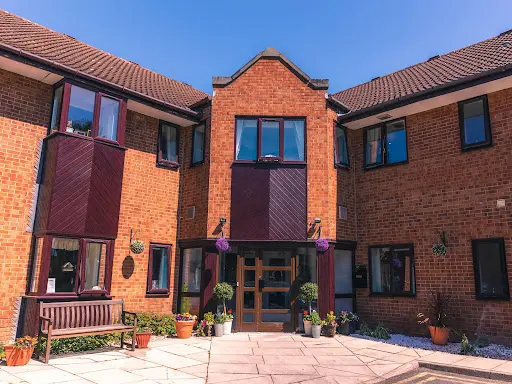
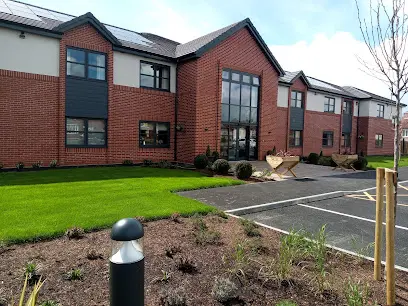
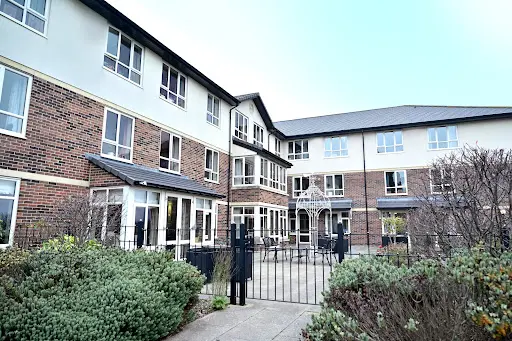
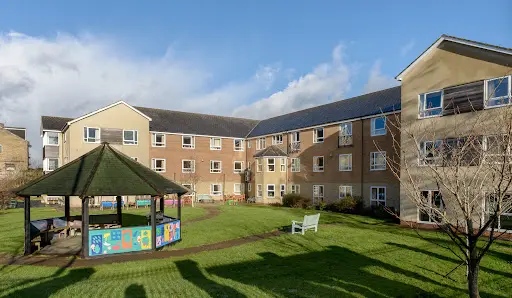
Burley Hall Care Home

At a Glance
The information you need to decide whether this home warrants a closer look.
Nursing homes
Staff warmth score
of reviewers answered yes
Good to know
- Registered beds49
- SpecialismsCaring for adults over 65 yrs, Dementia, Physical disabilities
- Last inspected2019-08-31
Save Burley Hall Care Home to your shortlist
Keep a running list, add visit notes, and compare homes side-by-side. Free account — it takes a minute.
STAGE 4 — RESEARCHING CARE HOMES
Visit homes. Compare them side by side. Choose with confidence.
Most of us will view care homes the way we view houses, impression, atmosphere, the feeling in the corridor. We go home, try to remember what we saw, and make a permanent decision from a blurred memory.

The DCC shortlist gives every home you visit a structured record: the same twelve questions, answered the same way, every time. When you’re ready to choose, pull any two homes side by side and compare them directly. Same criteria, same evidence, your notes and your scores.
The Evidence
What the review data, the inspection reports, and the dementia-care evidence base tell us about this home.
What families say
Families describe the team here as approachable and emotionally supportive. There's a warmth to how staff interact with both residents and visitors, making what can be difficult times feel that bit more manageable.
The eight family priority themes
- Staff warmth72
- Compassion & dignity72
- Cleanliness72
- Activities & engagement68
- Food quality68
- Healthcare72
- Management & leadership74
- Resident happiness70
What inspectors found
Inspected 2019-08-31
Is this home safe?
Is the care effective?
The effective domain was rated Good at the May 2025 inspection. This covers training, care planning, access to healthcare professionals, and nutrition. The home lists dementia as a specialism and provides nursing care, meaning clinical oversight should be embedded in daily practice. No specific examples of care plan content, dementia training programmes, GP access arrangements, or food quality are included in the available summary. The rating indicates inspectors were satisfied with what they found, but the detail behind that judgement is not publicly available.Is this home caring?
The caring domain was rated Good at the May 2025 inspection. This domain assesses whether staff treat people with kindness, respect privacy and dignity, and support independence. The home cares for people with dementia and physical disabilities, where the quality of moment-to-moment interaction matters enormously. No direct observations of staff behaviour, no quotes from residents or relatives, and no specific examples of dignity-preserving practice are included in the available published text. The Good rating indicates inspectors were satisfied, but the evidence behind it is not described in the summary.Is the home responsive?
The responsive domain was rated Good at the May 2025 inspection. This domain covers whether care is tailored to individual needs, whether activities are meaningful and varied, and whether end-of-life wishes are documented and respected. The home supports people with dementia and physical disabilities, two groups for whom generic group activities are often poorly suited. No detail about the activities programme, individual engagement, complaints handling, or end-of-life planning is included in the available published text.Is the home well-led?
The well-led domain was rated Good at the May 2025 inspection. A named registered manager, Miss Linziann Mcneil, is in post, and Mrs Tracey Holroyd is recorded as the nominated individual. Moving from Inadequate to Good across all domains requires sustained leadership effort, and the registration of a named manager is a positive structural indicator. No detail about management visibility, staff culture, governance systems, or how the home handles complaints and learning from incidents is included in the available published summary.
Source: CQC inspection report →
What the evidence base says
The home provides specialist dementia care alongside support for physical disabilities, welcoming adults over 65. For those living with dementia, the team understands how crucial it is to maintain dignity and individual identity throughout the journey. All areas worth probing directly during a visit.
The DCC Verdict
Our editorial view, built from the three lenses: what families tell us, what inspectors record, and how the home sits against good dementia-care practice.
DCC Family Score
Burley Hall has moved from Inadequate to a full set of Good ratings across all five domains at its most recent inspection in May 2025, which is a meaningful improvement. However, because the published report contains very limited specific detail, observations, or testimony, the scores reflect the positive direction of travel rather than strong verified evidence.
Homes in Yorkshire & Humberside typically score 68–82.The three-lens summary
What families tell us
Families describe the team here as approachable and emotionally supportive. There's a warmth to how staff interact with both residents and visitors, making what can be difficult times feel that bit more manageable.
What inspectors have recorded
The care team keeps families properly informed about their loved ones, answering questions whenever needed. Residents are kept clean and well-groomed, with careful attention to the personal care details that help maintain someone's sense of self.
How it sits against good practice
Sometimes the right care home is simply one where your loved one will be treated with genuine respect.
Worth a visit
Burley Hall Care Home in Ilkley was rated Good across all five inspection domains at its most recent assessment on 13 May 2025, with the report published on 14 July 2025. This is a significant positive development: the home was previously rated Inadequate, and achieving Good across every domain in a single inspection cycle represents real progress under the current registered manager and nominated individual. The home supports adults over 65, people with dementia, and people with physical disabilities across 49 beds. The main uncertainty for families is that the published inspection summary contains very limited specific detail. No direct observations of care, no resident or relative quotes, and no staffing or activity data are available in the text provided. The Good ratings tell you the direction of travel is positive, but they do not tell you what a Tuesday afternoon looks like for your parent on the dementia unit. Before choosing this home, visit at different times of day, ask to see last week's actual staffing rota rather than the template, and ask the manager directly about night staffing numbers, dementia training content, and how the home communicates with families when something goes wrong.
The three questions to ask when you visitSave this home. Compare it against your shortlist.
Let our analysis show you how Burley Hall Care Home measures up against the other homes you’re considering. Free account.
In Their Own Words
How Burley Hall Care Home describes itself — collected from its own website. DCC has not edited or independently verified the content in this tab.
Where dignity and personal care come first
Burley Hall Care Home – Your Trusted nursing home
When families need reassuring care for someone they love, Burley Hall Care Home in Ilkley offers something precious — genuine respect for each person's individual needs. Set in Yorkshire & Humberside, this care home has built its reputation on treating residents with the dignity they deserve, especially during life's most vulnerable moments.
Who they care for
The home provides specialist dementia care alongside support for physical disabilities, welcoming adults over 65.
For those living with dementia, the team understands how crucial it is to maintain dignity and individual identity throughout the journey.
“Sometimes the right care home is simply one where your loved one will be treated with genuine respect.”
DCC does not edit or curate content in this tab. For independently curated information, see The Evidence and DCC Verdict.
The DCC Verdict
Our editorial view, built from the three lenses: what families tell us, what inspectors record, and how the home sits against good dementia-care practice.
DCC Family Score
Burley Hall has moved from Inadequate to a full set of Good ratings across all five domains at its most recent inspection in May 2025, which is a meaningful improvement. However, because the published report contains very limited specific detail, observations, or testimony, the scores reflect the positive direction of travel rather than strong verified evidence.
Homes in Yorkshire & Humberside typically score 68–82.The three-lens summary
What families tell us
Families describe the team here as approachable and emotionally supportive. There's a warmth to how staff interact with both residents and visitors, making what can be difficult times feel that bit more manageable.
What inspectors have recorded
The care team keeps families properly informed about their loved ones, answering questions whenever needed. Residents are kept clean and well-groomed, with careful attention to the personal care details that help maintain someone's sense of self.
How it sits against good practice
Sometimes the right care home is simply one where your loved one will be treated with genuine respect.
Worth a visit
Burley Hall Care Home in Ilkley was rated Good across all five inspection domains at its most recent assessment on 13 May 2025, with the report published on 14 July 2025. This is a significant positive development: the home was previously rated Inadequate, and achieving Good across every domain in a single inspection cycle represents real progress under the current registered manager and nominated individual. The home supports adults over 65, people with dementia, and people with physical disabilities across 49 beds. The main uncertainty for families is that the published inspection summary contains very limited specific detail. No direct observations of care, no resident or relative quotes, and no staffing or activity data are available in the text provided. The Good ratings tell you the direction of travel is positive, but they do not tell you what a Tuesday afternoon looks like for your parent on the dementia unit. Before choosing this home, visit at different times of day, ask to see last week's actual staffing rota rather than the template, and ask the manager directly about night staffing numbers, dementia training content, and how the home communicates with families when something goes wrong.
The three questions to ask when you visitSave this home. Compare it against your shortlist.
Let our analysis show you how Burley Hall Care Home measures up against the other homes you’re considering. Free account.
In Their Own Words
How Burley Hall Care Home describes itself — collected from its own website. DCC has not edited or independently verified the content in this tab.
Where dignity and personal care come first
Burley Hall Care Home – Your Trusted nursing home
When families need reassuring care for someone they love, Burley Hall Care Home in Ilkley offers something precious — genuine respect for each person's individual needs. Set in Yorkshire & Humberside, this care home has built its reputation on treating residents with the dignity they deserve, especially during life's most vulnerable moments.
Who they care for
The home provides specialist dementia care alongside support for physical disabilities, welcoming adults over 65.
For those living with dementia, the team understands how crucial it is to maintain dignity and individual identity throughout the journey.
Management & ethos
The care team keeps families properly informed about their loved ones, answering questions whenever needed. Residents are kept clean and well-groomed, with careful attention to the personal care details that help maintain someone's sense of self.
“Sometimes the right care home is simply one where your loved one will be treated with genuine respect.”
DCC does not edit or curate content in this tab. For independently curated information, see The Evidence and DCC Verdict.