Selwood House Care Home
At a Glance
The information you need to decide whether this home warrants a closer look.
Residential homes
Staff warmth score
of reviewers answered yes
Good to know
- Registered beds85
- SpecialismsCaring for adults over 65 yrs, Caring for adults under 65 yrs, Dementia
- Last inspected2025-08-28
Save Selwood House Care Home to your shortlist
Keep a running list, add visit notes, and compare homes side-by-side. Free account — it takes a minute.
STAGE 4 — RESEARCHING CARE HOMES
Visit homes. Compare them side by side. Choose with confidence.
Most of us will view care homes the way we view houses, impression, atmosphere, the feeling in the corridor. We go home, try to remember what we saw, and make a permanent decision from a blurred memory.

The DCC shortlist gives every home you visit a structured record: the same twelve questions, answered the same way, every time. When you’re ready to choose, pull any two homes side by side and compare them directly. Same criteria, same evidence, your notes and your scores.
The Evidence
What the review data, the inspection reports, and the dementia-care evidence base tell us about this home.
What families say
Visitors notice how actively residents participate in daily life here, from helping with seasonal decorations to joining in social events throughout the week. There's a genuine liveliness to the place that puts families at ease.
The eight family priority themes
- Staff warmth75
- Compassion & dignity70
- Cleanliness55
- Activities & engagement68
- Food quality72
- Healthcare50
- Management & leadership70
- Resident happiness72
What inspectors found
Inspected 2025-08-28 Report published 2025-08-28
Is this home safe?
Is the care effective?
Selwood House is registered as a dementia specialist, which means the home has declared this as a core area of expertise and will have been assessed against that claim during inspection. The CQC Good rating suggests inspectors found care planning, training, and healthcare access to be broadly satisfactory. The 99th birthday lunch described by a reviewer points to the kitchen being capable of quality, personalised catering. Beyond these data points, the detail of how effectively care is delivered day-to-day — training content, care plan quality, GP access — is not available in the public record.Is this home caring?
The available visitor accounts are consistently positive about the warmth of staff and the visible happiness of residents. One reviewer described feeling the warmth the moment they walked in, and another praised staff as 'lovely' during a family celebration. Residents are described as happy, involved, and settled. These are the kinds of first impressions that matter to families, and they align with the CQC Good rating. What is not available is any inspector observation of specific caring interactions — how staff speak to residents, how they respond to distress, or how they protect dignity during personal care.Is the home responsive?
One reviewer described residents as visibly engaged and involved during their visit, and noted Christmas preparations including decorations, activities, and a festive atmosphere. This suggests the home does make effort to create a stimulating environment and mark occasions meaningfully. The birthday celebration account further suggests the home responds well to family requests and individual milestones. However, there is no detail available about the day-to-day activity programme, whether activities are tailored to individual ability levels, or how the home supports residents with advanced dementia who cannot participate in group activities.Is the home well-led?
The management team received direct, positive mention in one review, described as 'incredibly helpful and genuinely passionate about the wellbeing of the people they support.' The CQC Good rating confirms that inspectors found leadership and governance to be satisfactory at the time of the last inspection. These are positive indicators. What is not available is detail about management stability, how long the current manager has been in post, how staff are supported to raise concerns, or how the home's governance systems work in practice.
Source: CQC inspection report →
What the evidence base says
Selwood House provides residential care for adults over 65, with particular expertise in supporting people living with dementia. The home also offers care for younger adults who need residential support. For residents living with dementia, the team focuses on maintaining engagement through familiar activities and social connection. The home's approach emphasises keeping people involved in the rhythms of daily life. All areas worth probing directly during a visit.
The DCC Verdict
Our editorial view, built from the three lenses: what families tell us, what inspectors record, and how the home sits against good dementia-care practice.
DCC Family Score
These scores are based on a CQC rating of Good, a 5-star Google average from 4 reviews, and two review excerpts. The review base is very small — 4 reviews is not a robust sample. Staff warmth and resident happiness score higher because visitor observations directly mention happy residents and a welcoming atmosphere. Food quality scores positively due to a specific account of a 99th birthday lunch. Healthcare, cleanliness, and activities score conservatively because the available data simply does not address them. Do not treat these scores as equivalent to those generated from a full inspection report — they reflect the limit of what is publicly known, not a comprehensive assessment.
Homes in South West typically score 68–82.The three-lens summary
What families tell us
Visitors notice how actively residents participate in daily life here, from helping with seasonal decorations to joining in social events throughout the week. There's a genuine liveliness to the place that puts families at ease.
What inspectors have recorded
Staff and management show real commitment to getting to know each resident. Families describe helpful interactions with the care team, who seem genuinely invested in making sure everyone feels settled and supported.
How it sits against good practice
If you're considering care options in Dorchester, visiting Selwood House could help you get a feel for their approach.
Worth a visit
Selwood House Care Home holds a CQC rating of Good and, from the small number of public reviews available, presents as a warm and welcoming place. Visitors describe happy, engaged residents, a lively atmosphere, and management who come across as genuinely committed. A standout account of a 99th birthday lunch — with praise for the food and staff — suggests the home goes beyond the ordinary when it matters to families. These are encouraging signals, and the Good rating confirms that official inspectors found the fundamentals to be in order. However, this Family View is based on limited public data: a CQC summary rating and just four Google reviews. That is not enough to give you a confident picture of what daily life looks like for your parent, particularly on the harder-to-see questions — night staffing, how staff respond to distress, whether care plans are genuinely personalised, and how the home handles incidents. The questions in the checklist above are not optional extras; they are the things that separate a good home from a genuinely excellent one for someone living with dementia. Before making a decision, visit at different times of day, ask the specific questions listed here, and request to see the most recent full inspection report directly from the home.
The three questions to ask when you visitSave this home. Compare it against your shortlist.
Let our analysis show you how Selwood House Care Home measures up against the other homes you’re considering. Free account.
In Their Own Words
How Selwood House Care Home describes itself — collected from its own website. DCC has not edited or independently verified the content in this tab.
A welcoming place where residents shape their days
Compassionate Care in Dorchester at Selwood House Care Home
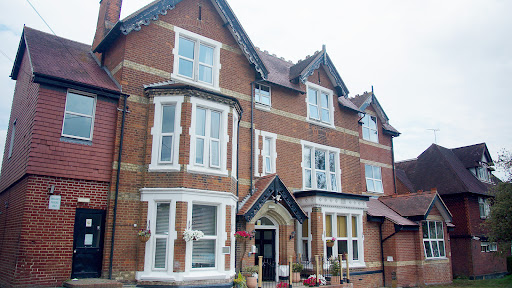
Families visiting Selwood House Care Home in Dorchester often comment on the warm atmosphere that greets them at the door. This care home for adults over 65, including those living with dementia, has built a reputation for keeping residents engaged and comfortable. The home sits in the heart of Dorchester, providing care that families describe as both thoughtful and responsive.
Who they care for
Selwood House provides residential care for adults over 65, with particular expertise in supporting people living with dementia. The home also offers care for younger adults who need residential support.
For residents living with dementia, the team focuses on maintaining engagement through familiar activities and social connection. The home's approach emphasises keeping people involved in the rhythms of daily life.
“If you're considering care options in Dorchester, visiting Selwood House could help you get a feel for their approach.”
DCC does not edit or curate content in this tab. For independently curated information, see The Evidence and DCC Verdict.
The DCC Verdict
Our editorial view, built from the three lenses: what families tell us, what inspectors record, and how the home sits against good dementia-care practice.
DCC Family Score
These scores are based on a CQC rating of Good, a 5-star Google average from 4 reviews, and two review excerpts. The review base is very small — 4 reviews is not a robust sample. Staff warmth and resident happiness score higher because visitor observations directly mention happy residents and a welcoming atmosphere. Food quality scores positively due to a specific account of a 99th birthday lunch. Healthcare, cleanliness, and activities score conservatively because the available data simply does not address them. Do not treat these scores as equivalent to those generated from a full inspection report — they reflect the limit of what is publicly known, not a comprehensive assessment.
Homes in South West typically score 68–82.The three-lens summary
What families tell us
Visitors notice how actively residents participate in daily life here, from helping with seasonal decorations to joining in social events throughout the week. There's a genuine liveliness to the place that puts families at ease.
What inspectors have recorded
Staff and management show real commitment to getting to know each resident. Families describe helpful interactions with the care team, who seem genuinely invested in making sure everyone feels settled and supported.
How it sits against good practice
If you're considering care options in Dorchester, visiting Selwood House could help you get a feel for their approach.
Worth a visit
Selwood House Care Home holds a CQC rating of Good and, from the small number of public reviews available, presents as a warm and welcoming place. Visitors describe happy, engaged residents, a lively atmosphere, and management who come across as genuinely committed. A standout account of a 99th birthday lunch — with praise for the food and staff — suggests the home goes beyond the ordinary when it matters to families. These are encouraging signals, and the Good rating confirms that official inspectors found the fundamentals to be in order. However, this Family View is based on limited public data: a CQC summary rating and just four Google reviews. That is not enough to give you a confident picture of what daily life looks like for your parent, particularly on the harder-to-see questions — night staffing, how staff respond to distress, whether care plans are genuinely personalised, and how the home handles incidents. The questions in the checklist above are not optional extras; they are the things that separate a good home from a genuinely excellent one for someone living with dementia. Before making a decision, visit at different times of day, ask the specific questions listed here, and request to see the most recent full inspection report directly from the home.
The three questions to ask when you visitSave this home. Compare it against your shortlist.
Let our analysis show you how Selwood House Care Home measures up against the other homes you’re considering. Free account.
In Their Own Words
How Selwood House Care Home describes itself — collected from its own website. DCC has not edited or independently verified the content in this tab.
A welcoming place where residents shape their days
Compassionate Care in Dorchester at Selwood House Care Home
Families visiting Selwood House Care Home in Dorchester often comment on the warm atmosphere that greets them at the door. This care home for adults over 65, including those living with dementia, has built a reputation for keeping residents engaged and comfortable. The home sits in the heart of Dorchester, providing care that families describe as both thoughtful and responsive.
Who they care for
Selwood House provides residential care for adults over 65, with particular expertise in supporting people living with dementia. The home also offers care for younger adults who need residential support.
For residents living with dementia, the team focuses on maintaining engagement through familiar activities and social connection. The home's approach emphasises keeping people involved in the rhythms of daily life.
Management & ethos
Staff and management show real commitment to getting to know each resident. Families describe helpful interactions with the care team, who seem genuinely invested in making sure everyone feels settled and supported.
The home & environment
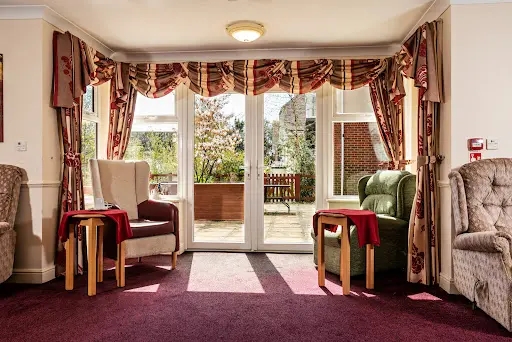
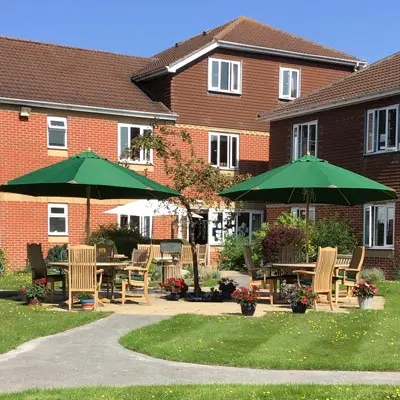
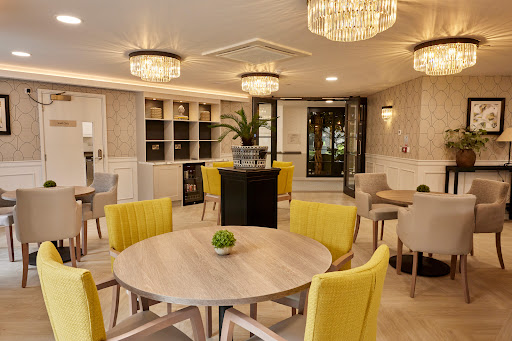
The team takes particular pride in their special occasion catering, with families praising the quality when celebrating birthdays and anniversaries together. The home creates a comfortable environment where safety and wellbeing feel naturally woven into everyday routines.
“If you're considering care options in Dorchester, visiting Selwood House could help you get a feel for their approach.”
DCC does not edit or curate content in this tab. For independently curated information, see The Evidence and DCC Verdict.