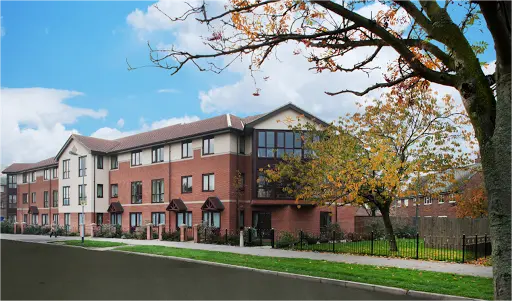
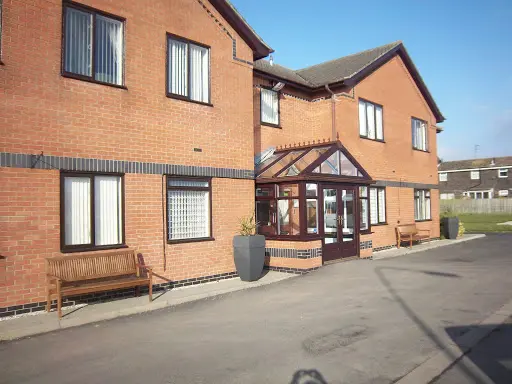
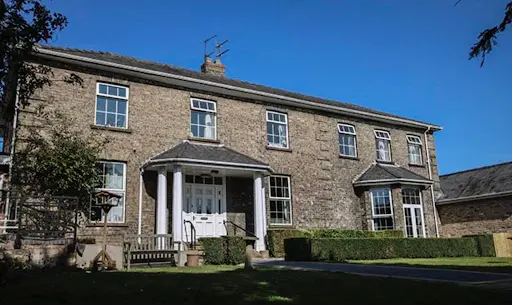
Bluebell Residential Home Ltd
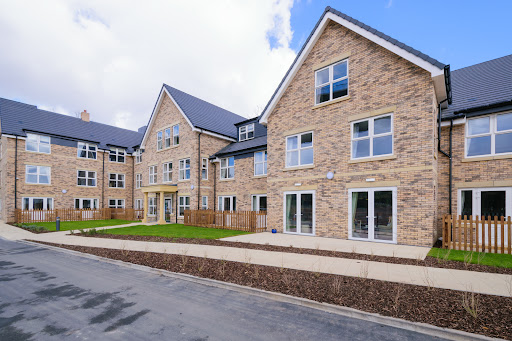
At a Glance
The information you need to decide whether this home warrants a closer look.
Residential homes
Staff warmth score
of reviewers answered yes
Good to know
- Registered beds40
- SpecialismsCaring for adults over 65 yrs, Dementia, Physical disabilities, Sensory impairment
- Last inspected2019-02-02
Save Bluebell Residential Home Ltd to your shortlist
Keep a running list, add visit notes, and compare homes side-by-side. Free account — it takes a minute.
STAGE 4 — RESEARCHING CARE HOMES
Visit homes. Compare them side by side. Choose with confidence.
Most of us will view care homes the way we view houses, impression, atmosphere, the feeling in the corridor. We go home, try to remember what we saw, and make a permanent decision from a blurred memory.

The DCC shortlist gives every home you visit a structured record: the same twelve questions, answered the same way, every time. When you’re ready to choose, pull any two homes side by side and compare them directly. Same criteria, same evidence, your notes and your scores.
The Evidence
What the review data, the inspection reports, and the dementia-care evidence base tell us about this home.
What families say
The eight family priority themes
- Staff warmth72
- Compassion & dignity72
- Cleanliness70
- Activities & engagement62
- Food quality60
- Healthcare65
- Management & leadership70
- Resident happiness68
What inspectors found
Inspected 2019-02-02
Is this home safe?
Is the care effective?
The Effective domain was rated Good, covering care planning, dementia training, healthcare access, nutrition, and staff competence. Dementia is a registered specialism, which means the home holds itself out as equipped to care for people at all stages of the condition. The published inspection summary does not provide detail on training content, GP access arrangements, medicines management outcomes, or the quality of nutritional care. The improvement from a previous Requires Improvement rating implies that earlier gaps in effectiveness — which may have included training or care planning — have been addressed. No concerns about effectiveness are recorded in the available monitoring data.Is this home caring?
The Caring domain was rated Good, encompassing staff warmth, dignity, respect, and support for independence. This is the domain that most directly reflects whether your parent will feel valued and treated as an individual rather than managed as a patient. The published inspection summary does not include direct observations from the inspector, resident quotes, or relative testimony — which are normally the richest source of evidence for this domain. The Good rating implies that inspectors were satisfied with what they observed and heard during the February 2021 visit. No concerns about dignity or respect are recorded in the available monitoring data.Is the home responsive?
The Responsive domain was rated Good, covering how well the home tailors its care and activities to individual needs, responds to complaints, and supports end-of-life care. Responsiveness is particularly important for people living with dementia, where generic group activities can be meaningless and individual engagement — based on life history — makes a measurable difference to wellbeing. The inspection summary does not provide detail about the activities programme, individual engagement practices, complaint handling, or end-of-life care planning. The improvement from the previous cycle suggests that responsiveness gaps identified earlier have been addressed.Is the home well-led?
The Well-led domain was rated Good, and the home has named, identifiable leadership: Registered Manager Mrs Tracy Patricia Heckford and Nominated Individual Mr Lucky Robin Appathurai. The improvement from Requires Improvement to Good across all domains in the 2021 inspection is the strongest available evidence of effective leadership — it indicates that someone in charge identified what needed to change and drove that change. The July 2023 monitoring review did not trigger reassessment, suggesting leadership stability since the inspection. No concerns about governance, culture, or accountability are recorded in the available data.
Source: CQC inspection report →
What the evidence base says
The team supports residents with sensory impairments and physical disabilities, adapting their approach to individual needs. They also provide specialist dementia care for those living with the condition. Staff have experience supporting residents with dementia, working to create a calm and reassuring environment. The home adapts its care approach to help residents feel comfortable and maintain their daily routines. All areas worth probing directly during a visit.
The DCC Verdict
Our editorial view, built from the three lenses: what families tell us, what inspectors record, and how the home sits against good dementia-care practice.
DCC Family Score
Bluebell Residential Home achieved a Good rating across all five domains in its 2021 inspection, representing a genuine improvement from the previous Requires Improvement rating — a positive trajectory, though the inspection report provides limited specific detail to score individual themes with high confidence.
Homes in Yorkshire & Humberside typically score 68–82.Worth a visit
Bluebell Residential Home Limited, a 40-bed home in Hessle specialising in dementia, older adult, physical disability, and sensory impairment care, was rated Good across all five inspection domains in February 2021 — a meaningful step up from a previous Requires Improvement rating. That improvement trajectory matters: it suggests the management team responded to earlier concerns and drove genuine change across safety, effectiveness, caring, responsiveness, and leadership. The home is registered with named, identifiable leadership and has maintained its Good rating through a monitoring review in July 2023 with no reassessment triggered. The main limitation for any family making a decision is that the published inspection summary provides very little specific detail — no direct quotes from residents or relatives, no inspector observations about day-to-day life, and no granular evidence about dementia-specific practice, food, activities, or night staffing. This means the Good rating is credible but not richly evidenced from the available text. When you visit, ask to see the activities schedule and whether one-to-one engagement is available for your parent on days they can't join a group. Ask specifically how many permanent staff are on the dementia unit overnight, and what proportion of shifts are covered by agency workers. These are the questions the inspection summary cannot answer for you.
The three questions to ask when you visitSave this home. Compare it against your shortlist.
Let our analysis show you how Bluebell Residential Home Ltd measures up against the other homes you’re considering. Free account.
In Their Own Words
How Bluebell Residential Home Ltd describes itself — collected from its own website. DCC has not edited or independently verified the content in this tab.
Caring support for residents with sensory and mobility needs
Compassionate Care in Hessle at Bluebell Residential Home Limited
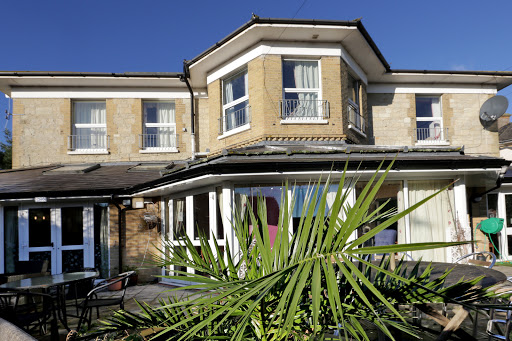
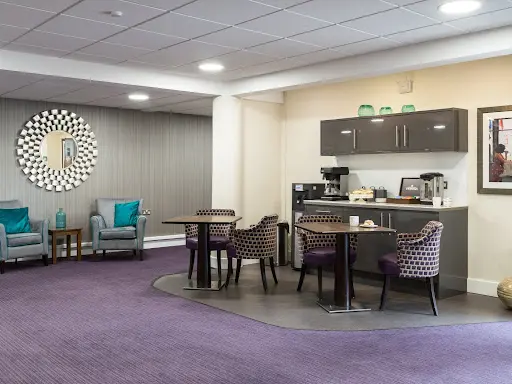
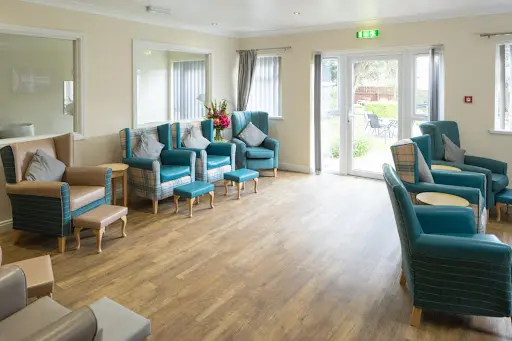
Bluebell Residential Home in Hessle provides residential care with a focus on supporting people with sensory impairments, physical disabilities and dementia. The home creates a comfortable environment where residents with varying care needs can feel settled and supported.
Who they care for
The team supports residents with sensory impairments and physical disabilities, adapting their approach to individual needs. They also provide specialist dementia care for those living with the condition.
Staff have experience supporting residents with dementia, working to create a calm and reassuring environment. The home adapts its care approach to help residents feel comfortable and maintain their daily routines.
“If you're looking for residential care in Hessle, why not arrange a visit to see if Bluebell could be the right choice.”
DCC does not edit or curate content in this tab. For independently curated information, see The Evidence and DCC Verdict.
The DCC Verdict
Our editorial view, built from the three lenses: what families tell us, what inspectors record, and how the home sits against good dementia-care practice.
DCC Family Score
Bluebell Residential Home achieved a Good rating across all five domains in its 2021 inspection, representing a genuine improvement from the previous Requires Improvement rating — a positive trajectory, though the inspection report provides limited specific detail to score individual themes with high confidence.
Homes in Yorkshire & Humberside typically score 68–82.Worth a visit
Bluebell Residential Home Limited, a 40-bed home in Hessle specialising in dementia, older adult, physical disability, and sensory impairment care, was rated Good across all five inspection domains in February 2021 — a meaningful step up from a previous Requires Improvement rating. That improvement trajectory matters: it suggests the management team responded to earlier concerns and drove genuine change across safety, effectiveness, caring, responsiveness, and leadership. The home is registered with named, identifiable leadership and has maintained its Good rating through a monitoring review in July 2023 with no reassessment triggered. The main limitation for any family making a decision is that the published inspection summary provides very little specific detail — no direct quotes from residents or relatives, no inspector observations about day-to-day life, and no granular evidence about dementia-specific practice, food, activities, or night staffing. This means the Good rating is credible but not richly evidenced from the available text. When you visit, ask to see the activities schedule and whether one-to-one engagement is available for your parent on days they can't join a group. Ask specifically how many permanent staff are on the dementia unit overnight, and what proportion of shifts are covered by agency workers. These are the questions the inspection summary cannot answer for you.
The three questions to ask when you visitSave this home. Compare it against your shortlist.
Let our analysis show you how Bluebell Residential Home Ltd measures up against the other homes you’re considering. Free account.
In Their Own Words
How Bluebell Residential Home Ltd describes itself — collected from its own website. DCC has not edited or independently verified the content in this tab.
Caring support for residents with sensory and mobility needs
Compassionate Care in Hessle at Bluebell Residential Home Limited
Bluebell Residential Home in Hessle provides residential care with a focus on supporting people with sensory impairments, physical disabilities and dementia. The home creates a comfortable environment where residents with varying care needs can feel settled and supported.
Who they care for
The team supports residents with sensory impairments and physical disabilities, adapting their approach to individual needs. They also provide specialist dementia care for those living with the condition.
Staff have experience supporting residents with dementia, working to create a calm and reassuring environment. The home adapts its care approach to help residents feel comfortable and maintain their daily routines.
“If you're looking for residential care in Hessle, why not arrange a visit to see if Bluebell could be the right choice.”
DCC does not edit or curate content in this tab. For independently curated information, see The Evidence and DCC Verdict.