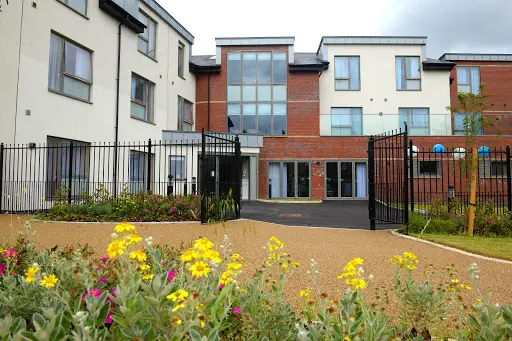
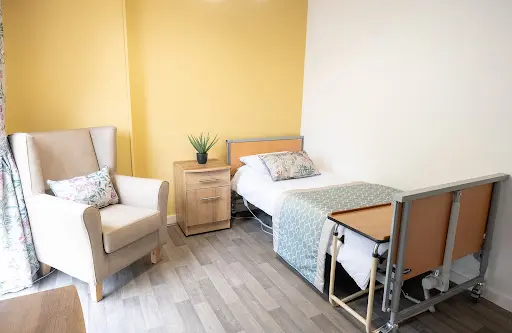
Victoria House Care Home LTD
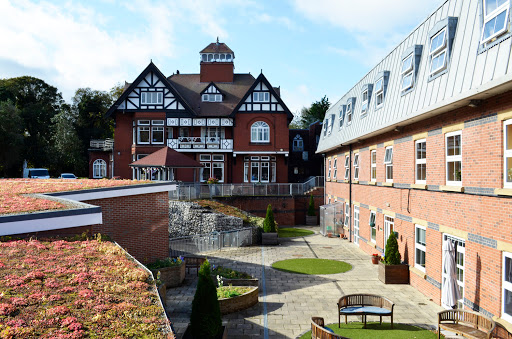
At a Glance
The information you need to decide whether this home warrants a closer look.
Residential homes
Staff warmth score
of reviewers answered yes
Good to know
- Registered beds12
- SpecialismsCaring for adults over 65 yrs, Dementia
- Last inspected2018-10-30
Save Victoria House Care Home LTD to your shortlist
Keep a running list, add visit notes, and compare homes side-by-side. Free account — it takes a minute.
STAGE 4 — RESEARCHING CARE HOMES
Visit homes. Compare them side by side. Choose with confidence.
Most of us will view care homes the way we view houses, impression, atmosphere, the feeling in the corridor. We go home, try to remember what we saw, and make a permanent decision from a blurred memory.

The DCC shortlist gives every home you visit a structured record: the same twelve questions, answered the same way, every time. When you’re ready to choose, pull any two homes side by side and compare them directly. Same criteria, same evidence, your notes and your scores.
The Evidence
What the review data, the inspection reports, and the dementia-care evidence base tell us about this home.
What families say
The eight family priority themes
- Staff warmth52
- Compassion & dignity52
- Cleanliness52
- Activities & engagement50
- Food quality50
- Healthcare50
- Management & leadership55
- Resident happiness50
What inspectors found
Inspected 2018-10-30
Is this home safe?
Is the care effective?
The inspection awarded a Good rating for effectiveness, but no specific evidence is provided in the published report to explain what this looks like in practice at Victoria House. There is no detail about dementia training content, care plan personalisation, GP access arrangements, or how food is managed for people with dementia-related eating difficulties. The home declares dementia as a specialism, which implies some structured approach to effective care, but this is not described or evidenced in the report. The July 2023 desk review found no concerns, maintaining the Good status.Is this home caring?
The inspection awarded a Good rating for caring, but provides no recorded observations, quotes from residents or relatives, or specific examples of how staff treat people at Victoria House. There is no description of how staff respond to distress, how privacy is maintained during personal care, or whether residents are treated as individuals with their own histories and preferences. The small size of the home — 12 beds — is often associated with more personalised, less institutional care, but this has not been evidenced in the report. The Good rating is the starting point; the detail is missing.Is the home responsive?
The inspection awarded a Good rating for responsiveness, but the published report contains no detail about the activities programme, how individual preferences are recorded or acted on, or what happens for residents who cannot participate in group activities. There is no mention of how the home supports people approaching the end of life, or how complaints and requests from families are handled. For a 12-bed home specialising in dementia, the expectation would be a highly individualised approach, but this is not evidenced in the available text.Is the home well-led?
The inspection awarded a Good rating for well-led, and the report identifies a named Registered Manager (Mrs Pauline Susan Brown) and a Nominated Individual (Mr Ian Brown), suggesting a consistent leadership presence. No further detail is available about management culture, governance systems, staff empowerment, or how the home responds to feedback. The July 2023 desk review found no evidence requiring a rating change, indicating no known deterioration in leadership quality. The home has been inspected only once since registration, which means there is no trend data to indicate whether quality is improving or stable.
Source: CQC inspection report →
What the evidence base says
The home provides residential care for people over 65, including those living with dementia. Victoria House welcomes residents with dementia, providing stable, consistent care from familiar faces who get to know each person well. All areas worth probing directly during a visit.
The DCC Verdict
Our editorial view, built from the three lenses: what families tell us, what inspectors record, and how the home sits against good dementia-care practice.
DCC Family Score
Victoria House received a Good rating across all five domains at its only inspection in October 2018, but the report text contains almost no specific evidence, quotes, or direct observations — so while the official verdict is positive, families have very little detail to assess what daily life actually looks like here.
Homes in North West typically score 68–82.Worth a visit
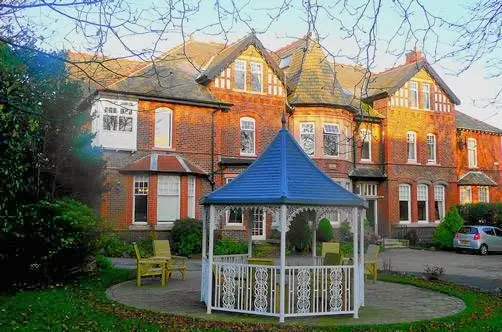
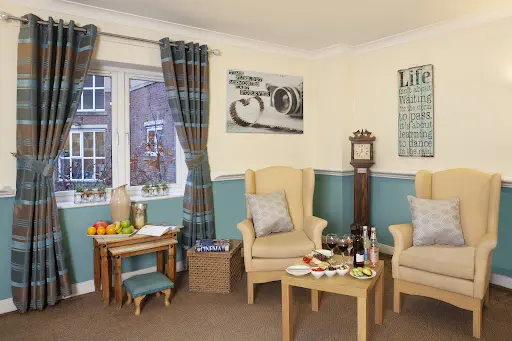
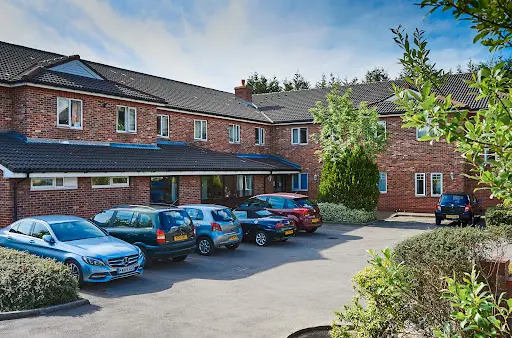
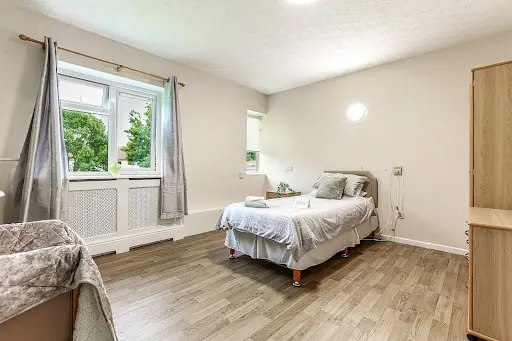
Victoria House in Poulton-le-Fylde is a small, 12-bed residential home specialising in dementia care for older adults. At its only official inspection in October 2018 — now over six years ago — it was rated Good across all five domains. A desk-based review in July 2023 found no evidence requiring a reassessment of that rating, meaning the Good verdict technically stands. The home is run by a named manager and nominated individual, suggesting a stable leadership structure at the point of inspection. The central difficulty for any family considering this home is the almost complete absence of specific inspection detail. There are no direct quotes from your parent's peers, no staff observations, no descriptions of daily life, meals, activities, or the physical environment. A Good rating without supporting evidence is harder to rely on than a Good rating backed by multiple inspector observations and resident testimony. The inspection is also unusually old for a home currently accepting residents. Before visiting, call ahead and ask specifically: how many permanent staff work the dementia unit, including nights? What has changed since 2018? And has the home invited or received any unannounced inspection visits since then?
The three questions to ask when you visitSave this home. Compare it against your shortlist.
Let our analysis show you how Victoria House Care Home LTD measures up against the other homes you’re considering. Free account.
In Their Own Words
How Victoria House Care Home LTD describes itself — collected from its own website. DCC has not edited or independently verified the content in this tab.
Stable caring team in spotless Poulton home
Compassionate Care in Poulton at Victoria House
When you walk into Victoria House in Poulton, you'll find something increasingly rare — the same faces caring for residents month after month. This smaller care home has built its reputation on staff who stay, owners who work alongside their team, and meticulous attention to keeping everything fresh and welcoming.
Who they care for
The home provides residential care for people over 65, including those living with dementia.
Victoria House welcomes residents with dementia, providing stable, consistent care from familiar faces who get to know each person well.
“If you're looking for somewhere that feels cared for in every detail, it's worth arranging a visit to see for yourself.”
DCC does not edit or curate content in this tab. For independently curated information, see The Evidence and DCC Verdict.
The DCC Verdict
Our editorial view, built from the three lenses: what families tell us, what inspectors record, and how the home sits against good dementia-care practice.
DCC Family Score
Victoria House received a Good rating across all five domains at its only inspection in October 2018, but the report text contains almost no specific evidence, quotes, or direct observations — so while the official verdict is positive, families have very little detail to assess what daily life actually looks like here.
Homes in North West typically score 68–82.Worth a visit
Victoria House in Poulton-le-Fylde is a small, 12-bed residential home specialising in dementia care for older adults. At its only official inspection in October 2018 — now over six years ago — it was rated Good across all five domains. A desk-based review in July 2023 found no evidence requiring a reassessment of that rating, meaning the Good verdict technically stands. The home is run by a named manager and nominated individual, suggesting a stable leadership structure at the point of inspection. The central difficulty for any family considering this home is the almost complete absence of specific inspection detail. There are no direct quotes from your parent's peers, no staff observations, no descriptions of daily life, meals, activities, or the physical environment. A Good rating without supporting evidence is harder to rely on than a Good rating backed by multiple inspector observations and resident testimony. The inspection is also unusually old for a home currently accepting residents. Before visiting, call ahead and ask specifically: how many permanent staff work the dementia unit, including nights? What has changed since 2018? And has the home invited or received any unannounced inspection visits since then?
The three questions to ask when you visitSave this home. Compare it against your shortlist.
Let our analysis show you how Victoria House Care Home LTD measures up against the other homes you’re considering. Free account.
In Their Own Words
How Victoria House Care Home LTD describes itself — collected from its own website. DCC has not edited or independently verified the content in this tab.
Stable caring team in spotless Poulton home
Compassionate Care in Poulton at Victoria House
When you walk into Victoria House in Poulton, you'll find something increasingly rare — the same faces caring for residents month after month. This smaller care home has built its reputation on staff who stay, owners who work alongside their team, and meticulous attention to keeping everything fresh and welcoming.
Who they care for
The home provides residential care for people over 65, including those living with dementia.
Victoria House welcomes residents with dementia, providing stable, consistent care from familiar faces who get to know each person well.
“If you're looking for somewhere that feels cared for in every detail, it's worth arranging a visit to see for yourself.”
DCC does not edit or curate content in this tab. For independently curated information, see The Evidence and DCC Verdict.