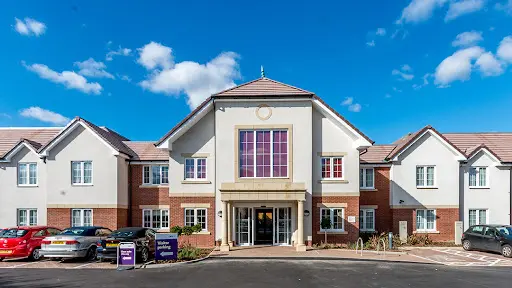
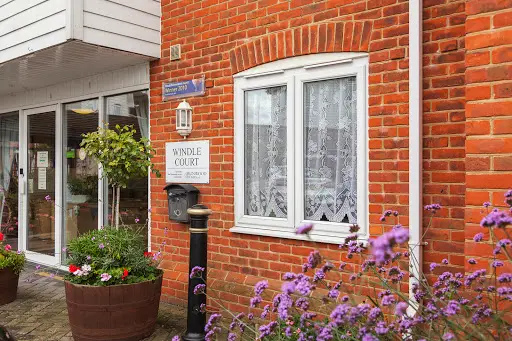
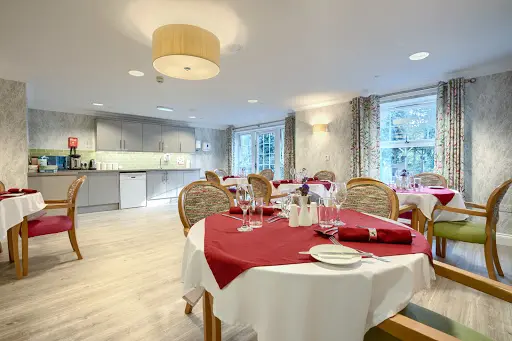
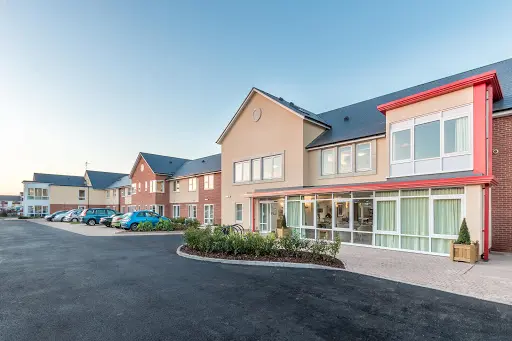
Oakwood Lodge
At a Glance
The information you need to decide whether this home warrants a closer look.
Residential homes
Staff warmth score
of reviewers answered yes
Good to know
- Registered beds8
- SpecialismsCaring for adults over 65 yrs, Dementia, Learning disabilities, Mental health conditions
- Last inspected2022-07-13
Save Oakwood Lodge to your shortlist
Keep a running list, add visit notes, and compare homes side-by-side. Free account — it takes a minute.
STAGE 4 — RESEARCHING CARE HOMES
Visit homes. Compare them side by side. Choose with confidence.
Most of us will view care homes the way we view houses, impression, atmosphere, the feeling in the corridor. We go home, try to remember what we saw, and make a permanent decision from a blurred memory.

The DCC shortlist gives every home you visit a structured record: the same twelve questions, answered the same way, every time. When you’re ready to choose, pull any two homes side by side and compare them directly. Same criteria, same evidence, your notes and your scores.
The Evidence
What the review data, the inspection reports, and the dementia-care evidence base tell us about this home.
What families say
The eight family priority themes
- Staff warmth70
- Compassion & dignity70
- Cleanliness65
- Activities & engagement60
- Food quality60
- Healthcare58
- Management & leadership72
- Resident happiness65
What inspectors found
Inspected 2022-07-13
Is this home safe?
Is the care effective?
The Effective domain was rated Good at the most recent inspection. This domain typically covers care planning, staff training, healthcare access, and nutrition. The home lists dementia as a specialism alongside learning disabilities and mental health conditions — a broad range for 8 beds. A Good rating in Effective suggests inspectors were satisfied that staff have the skills and processes in place to deliver competent care. However, the inspection text provided does not include specific observations, quotes, or examples that would allow a more detailed account of what 'Good' looks like in practice at this home.Is this home caring?
The Caring domain was rated Good. This domain assesses whether staff treat people with kindness, dignity, and respect, and whether people's independence is supported. A Good rating means inspectors were satisfied with the overall standard of care interactions during the visit. The inspection text provided does not include direct quotes from residents or relatives recorded during the inspection, nor specific observations of staff behaviour. For a home supporting people with dementia, the quality of moment-to-moment interactions — tone of voice, pace, use of preferred names, response to distress — matters as much as formal systems.Is the home responsive?
The Responsive domain was rated Good. This covers how well the home responds to individual needs, including activities, personalised care, and end-of-life planning. In a specialist home for dementia and mental health, responsiveness means more than a weekly activities calendar — it means adapting the day to the person, not the institution. The inspection text provided does not include specific examples of activities offered, individual engagement practices, or how end-of-life preferences are recorded and honoured. For an 8-bed home, the small scale should in theory allow a high degree of individualisation.Is the home well-led?
The Well-led domain was rated Good. A registered manager, Mrs Irene Luton, and a nominated individual, Mrs Bimla Devi Mann, are both named and in post — an important indicator of stability in a very small home. Good Well-led ratings typically reflect functional governance systems, a culture where staff can raise concerns, and evidence that the home monitors and improves its own quality. However, the Requires Improvement in Safe creates a question about whether the home's governance systems are fully effective at identifying and acting on safety risks. The inspection text provided does not include specific examples of governance activity, audit outcomes, or staff feedback mechanisms.
Source: CQC inspection report →
What the evidence base says
The home specialises in supporting older adults with dementia, learning disabilities and mental health conditions. This combination of expertise means they're equipped to care for residents with complex or overlapping needs. For residents living with dementia, Oakwood Lodge provides specialist care tailored to individual needs. The team understands how dementia affects each person differently. All areas worth probing directly during a visit.
The DCC Verdict
Our editorial view, built from the three lenses: what families tell us, what inspectors record, and how the home sits against good dementia-care practice.
DCC Family Score
Oakwood Lodge scores in the mid-range, reflecting a home with genuine strengths in care and leadership but a safety domain rated Requires Improvement — a gap that families considering this home for a parent with dementia must take seriously and probe directly on any visit.
Homes in London typically score 68–82.Worth a visit
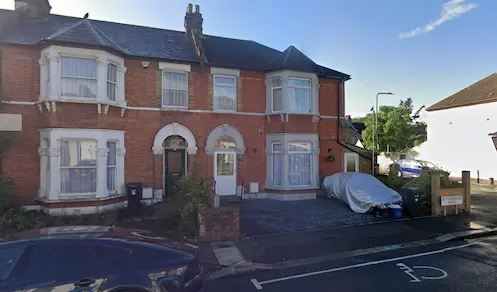
Oakwood Lodge at 20 Argyle Road, Ilford is a small, 8-bed registered care home supporting people over 65, including those living with dementia, learning disabilities, and mental health conditions. The official inspection, published in June 2023, rated the home as Good overall, with Good ratings across Effective, Caring, Responsive, and Well-led domains. A named registered manager and nominated individual are both in post, which is a positive indicator of stable leadership in a very small setting. The home's specialisms are broad for its size, and the Good Caring rating suggests inspectors found staff to be treating people with reasonable respect and dignity. The main concern that families must not overlook is the Requires Improvement rating in the Safe domain — the only domain to fall below Good. The inspection report text provided does not specify exactly what triggered this rating, which is itself a gap you should fill before making any decision. On a visit, ask directly: how many staff are on duty overnight, how is agency use managed, and what specific actions have been taken since the inspection to address the safety findings? Because this is a very small home with just 8 beds, staffing consistency matters enormously for people with dementia — a single agency shift can mean your parent encounters an unfamiliar face when they are most vulnerable. Ask to see the improvement plan that followed the Requires Improvement rating, and check whether a re-inspection has taken place since July 2022.
The three questions to ask when you visitSave this home. Compare it against your shortlist.
Let our analysis show you how Oakwood Lodge measures up against the other homes you’re considering. Free account.
In Their Own Words
How Oakwood Lodge describes itself — collected from its own website. DCC has not edited or independently verified the content in this tab.
Supporting residents through life's complicated moments
Oakwood Lodge – Expert Care in Ilford
When a loved one needs specialist support for complex conditions, finding the right care becomes even more crucial. Oakwood Lodge in Ilford provides residential care for people with dementia, learning disabilities and mental health conditions, focusing on those over 65. The home understands that every resident's journey is unique.
Who they care for
The home specialises in supporting older adults with dementia, learning disabilities and mental health conditions. This combination of expertise means they're equipped to care for residents with complex or overlapping needs.
For residents living with dementia, Oakwood Lodge provides specialist care tailored to individual needs. The team understands how dementia affects each person differently.
“If you're considering Oakwood Lodge for someone with complex care needs, visiting could help you understand their approach firsthand.”
DCC does not edit or curate content in this tab. For independently curated information, see The Evidence and DCC Verdict.
The DCC Verdict
Our editorial view, built from the three lenses: what families tell us, what inspectors record, and how the home sits against good dementia-care practice.
DCC Family Score
Oakwood Lodge scores in the mid-range, reflecting a home with genuine strengths in care and leadership but a safety domain rated Requires Improvement — a gap that families considering this home for a parent with dementia must take seriously and probe directly on any visit.
Homes in London typically score 68–82.Worth a visit
Oakwood Lodge at 20 Argyle Road, Ilford is a small, 8-bed registered care home supporting people over 65, including those living with dementia, learning disabilities, and mental health conditions. The official inspection, published in June 2023, rated the home as Good overall, with Good ratings across Effective, Caring, Responsive, and Well-led domains. A named registered manager and nominated individual are both in post, which is a positive indicator of stable leadership in a very small setting. The home's specialisms are broad for its size, and the Good Caring rating suggests inspectors found staff to be treating people with reasonable respect and dignity. The main concern that families must not overlook is the Requires Improvement rating in the Safe domain — the only domain to fall below Good. The inspection report text provided does not specify exactly what triggered this rating, which is itself a gap you should fill before making any decision. On a visit, ask directly: how many staff are on duty overnight, how is agency use managed, and what specific actions have been taken since the inspection to address the safety findings? Because this is a very small home with just 8 beds, staffing consistency matters enormously for people with dementia — a single agency shift can mean your parent encounters an unfamiliar face when they are most vulnerable. Ask to see the improvement plan that followed the Requires Improvement rating, and check whether a re-inspection has taken place since July 2022.
The three questions to ask when you visitSave this home. Compare it against your shortlist.
Let our analysis show you how Oakwood Lodge measures up against the other homes you’re considering. Free account.
In Their Own Words
How Oakwood Lodge describes itself — collected from its own website. DCC has not edited or independently verified the content in this tab.
Supporting residents through life's complicated moments
Oakwood Lodge – Expert Care in Ilford
When a loved one needs specialist support for complex conditions, finding the right care becomes even more crucial. Oakwood Lodge in Ilford provides residential care for people with dementia, learning disabilities and mental health conditions, focusing on those over 65. The home understands that every resident's journey is unique.
Who they care for
The home specialises in supporting older adults with dementia, learning disabilities and mental health conditions. This combination of expertise means they're equipped to care for residents with complex or overlapping needs.
For residents living with dementia, Oakwood Lodge provides specialist care tailored to individual needs. The team understands how dementia affects each person differently.
Management & ethos
The management team at Oakwood Lodge seems to understand that care extends beyond daily routines. When residents face complicated transitions or difficult situations, the leadership has shown patience and understanding, working closely with families to find the best way forward.
“If you're considering Oakwood Lodge for someone with complex care needs, visiting could help you understand their approach firsthand.”
DCC does not edit or curate content in this tab. For independently curated information, see The Evidence and DCC Verdict.