Goldwell Manor
At a Glance
The information you need to decide whether this home warrants a closer look.
Residential homes
Staff warmth score
of reviewers answered yes
Good to know
- Registered beds72
- SpecialismsCaring for adults over 65 yrs, Dementia, Physical disabilities
- Last inspected
Save Goldwell Manor to your shortlist
Keep a running list, add visit notes, and compare homes side-by-side. Free account — it takes a minute.
STAGE 4 — RESEARCHING CARE HOMES
Visit homes. Compare them side by side. Choose with confidence.
Most of us will view care homes the way we view houses, impression, atmosphere, the feeling in the corridor. We go home, try to remember what we saw, and make a permanent decision from a blurred memory.

The DCC shortlist gives every home you visit a structured record: the same twelve questions, answered the same way, every time. When you’re ready to choose, pull any two homes side by side and compare them directly. Same criteria, same evidence, your notes and your scores.
The Evidence
What the review data, the inspection reports, and the dementia-care evidence base tell us about this home.
What families say
The eight family priority themes
- Staff warmth75
- Compassion & dignity72
- Cleanliness68
- Activities & engagement60
- Food quality55
- Healthcare65
- Management & leadership78
- Resident happiness70
What inspectors found
Is this home safe?
Is the care effective?
No full inspection text is available to detail specific findings on training, care plans, or healthcare access. An Outstanding CQC rating for a dementia-specialist home requires inspectors to have found strong evidence of skilled, knowledgeable staff and care plans that genuinely reflect each person's needs and preferences. The home's stated specialisms in dementia care and physical disability suggest a focused clinical model, though the specifics of GP access, medication management, and dementia training content are not available in public data.Is this home caring?
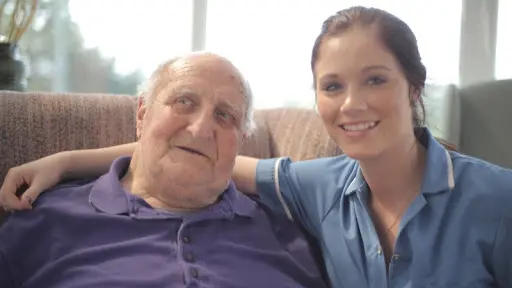
The available review data describes staff as 'lovely and friendly' and consistently willing to give their best to residents. An Outstanding CQC rating in this domain requires inspectors to have observed genuine warmth, dignity in practice — not just in policy — and evidence that staff know residents as individuals. The home's specialism in dementia care suggests staff are expected to maintain dignity and respect for people who may have significantly reduced ability to advocate for themselves.Is the home responsive?
No specific information is available about the activities programme, individual engagement, or how Goldwell Manor responds to the changing needs of people with dementia. The Outstanding CQC rating indicates inspectors found exemplary responsiveness to individual needs, which in a dementia-specialist home typically includes tailored activity provision and robust end-of-life planning. The reviewer's description of residents enjoying 'the most of their time' is positive but does not provide detail on specific activities or individual engagement.Is the home well-led?
An Outstanding CQC rating is perhaps most significantly a verdict on leadership. Inspectors award Outstanding only when they find a management culture that is visibly present, continuously improving, and genuinely empowers staff to speak up and act in residents' best interests. For a dementia-specialist home, this includes governance of complex clinical decisions, staff stability, and a culture where families are treated as partners. No specific leadership details — manager tenure, governance structures, or staff feedback mechanisms — are available in the public data.
Source: CQC inspection report →
What the evidence base says
Goldwell Manor specialises in dementia care alongside support for physical disabilities. The team cares for adults over 65, bringing experience to the particular challenges these conditions can present. For those living with dementia, the peaceful atmosphere at Goldwell Manor can be particularly beneficial. The calm environment helps reduce anxiety, while the friendly staff understand the importance of patience and consistency in dementia care. All areas worth probing directly during a visit.
The DCC Verdict
Our editorial view, built from the three lenses: what families tell us, what inspectors record, and how the home sits against good dementia-care practice.
DCC Family Score
These scores are anchored primarily by Goldwell Manor's CQC Outstanding rating, which is held by fewer than 5% of UK care homes and carries significant weight across all domains. The Outstanding rating suggests inspectors found strong evidence of person-centred care, effective leadership, and high-quality practice. However, only two Google reviews are available, providing very limited family testimony. The single reviewer quote is warm but general. Scores in the 60–78 range reflect the credibility of the Outstanding rating tempered by the near-absence of independent family or resident testimony. Food quality, activities, and cleanliness score lower simply because no specific evidence exists in the available data — not because there is any reason for concern. Treat these scores as provisional until a full inspection report can be reviewed.
Homes in East Midlands typically score 68–82.Worth a visit
Goldwell Manor Care Home holds a CQC Outstanding rating — a distinction earned by fewer than one in twenty UK care homes. For a home specialising in dementia care, this matters. Inspectors only award Outstanding when they find not just compliance, but genuinely exceptional practice: staff who truly understand dementia, leadership that drives continuous improvement, and a culture where your parent's individual needs shape their day. The one available reviewer describes a serene environment and staff who 'always give their best,' which is consistent with what Outstanding homes tend to look and feel like in practice. However, this Family View is based on limited public data — an Outstanding rating and just two Google reviews — rather than a full inspection report. That means we cannot verify the specifics that matter most to families: how staff respond when your mum is distressed at night, whether activities are genuinely tailored to someone with advanced dementia, how promptly families are kept informed. The Outstanding rating gives you a strong starting point, but it is not a substitute for your own visit and direct questions. When you visit, ask to see the activity schedule for the dementia unit, ask how many permanent staff work nights, and ask the manager how long they have been in post. Those conversations will tell you as much as any rating.
The three questions to ask when you visitSave this home. Compare it against your shortlist.
Let our analysis show you how Goldwell Manor measures up against the other homes you’re considering. Free account.
In Their Own Words
How Goldwell Manor describes itself — collected from its own website. DCC has not edited or independently verified the content in this tab.
A peaceful haven where staff genuinely care
Residential home in Chesterfield: True Peace of Mind
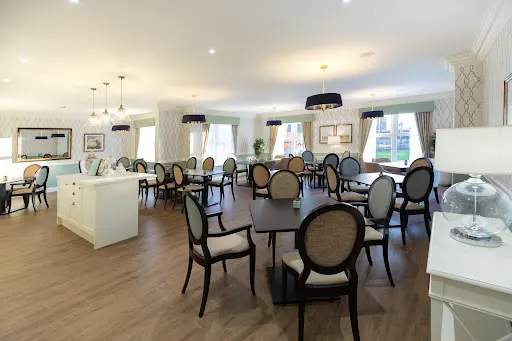
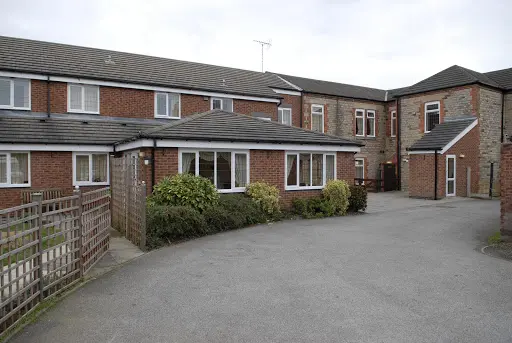
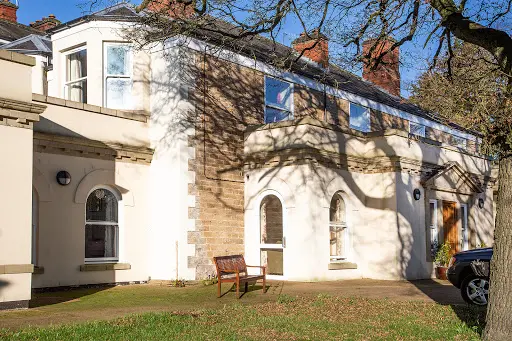
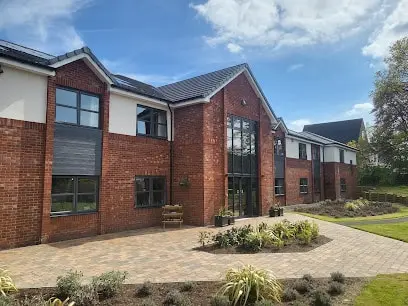
When you step into Goldwell Manor Care Home in Chesterfield, the first thing that strikes you is the sense of calm. This East Midlands care home creates a serene environment where elderly residents can feel settled and comfortable. The staff here bring warmth to every interaction, working hard to make each day positive for those in their care.
Who they care for
Goldwell Manor specialises in dementia care alongside support for physical disabilities. The team cares for adults over 65, bringing experience to the particular challenges these conditions can present.
For those living with dementia, the peaceful atmosphere at Goldwell Manor can be particularly beneficial. The calm environment helps reduce anxiety, while the friendly staff understand the importance of patience and consistency in dementia care.
“If you're considering care options in the Chesterfield area, visiting Goldwell Manor could help you get a feel for their approach.”
DCC does not edit or curate content in this tab. For independently curated information, see The Evidence and DCC Verdict.
The DCC Verdict
Our editorial view, built from the three lenses: what families tell us, what inspectors record, and how the home sits against good dementia-care practice.
DCC Family Score
These scores are anchored primarily by Goldwell Manor's CQC Outstanding rating, which is held by fewer than 5% of UK care homes and carries significant weight across all domains. The Outstanding rating suggests inspectors found strong evidence of person-centred care, effective leadership, and high-quality practice. However, only two Google reviews are available, providing very limited family testimony. The single reviewer quote is warm but general. Scores in the 60–78 range reflect the credibility of the Outstanding rating tempered by the near-absence of independent family or resident testimony. Food quality, activities, and cleanliness score lower simply because no specific evidence exists in the available data — not because there is any reason for concern. Treat these scores as provisional until a full inspection report can be reviewed.
Homes in East Midlands typically score 68–82.Worth a visit
Goldwell Manor Care Home holds a CQC Outstanding rating — a distinction earned by fewer than one in twenty UK care homes. For a home specialising in dementia care, this matters. Inspectors only award Outstanding when they find not just compliance, but genuinely exceptional practice: staff who truly understand dementia, leadership that drives continuous improvement, and a culture where your parent's individual needs shape their day. The one available reviewer describes a serene environment and staff who 'always give their best,' which is consistent with what Outstanding homes tend to look and feel like in practice. However, this Family View is based on limited public data — an Outstanding rating and just two Google reviews — rather than a full inspection report. That means we cannot verify the specifics that matter most to families: how staff respond when your mum is distressed at night, whether activities are genuinely tailored to someone with advanced dementia, how promptly families are kept informed. The Outstanding rating gives you a strong starting point, but it is not a substitute for your own visit and direct questions. When you visit, ask to see the activity schedule for the dementia unit, ask how many permanent staff work nights, and ask the manager how long they have been in post. Those conversations will tell you as much as any rating.
The three questions to ask when you visitSave this home. Compare it against your shortlist.
Let our analysis show you how Goldwell Manor measures up against the other homes you’re considering. Free account.
In Their Own Words
How Goldwell Manor describes itself — collected from its own website. DCC has not edited or independently verified the content in this tab.
A peaceful haven where staff genuinely care
Residential home in Chesterfield: True Peace of Mind
When you step into Goldwell Manor Care Home in Chesterfield, the first thing that strikes you is the sense of calm. This East Midlands care home creates a serene environment where elderly residents can feel settled and comfortable. The staff here bring warmth to every interaction, working hard to make each day positive for those in their care.
Who they care for
Goldwell Manor specialises in dementia care alongside support for physical disabilities. The team cares for adults over 65, bringing experience to the particular challenges these conditions can present.
For those living with dementia, the peaceful atmosphere at Goldwell Manor can be particularly beneficial. The calm environment helps reduce anxiety, while the friendly staff understand the importance of patience and consistency in dementia care.
“If you're considering care options in the Chesterfield area, visiting Goldwell Manor could help you get a feel for their approach.”
DCC does not edit or curate content in this tab. For independently curated information, see The Evidence and DCC Verdict.