Willow Court
At a Glance
The information you need to decide whether this home warrants a closer look.
Residential homes
Staff warmth score
of reviewers answered yes
Good to know
- Registered beds81
- SpecialismsCaring for adults over 65 yrs, Caring for adults under 65 yrs, Dementia, Physical disabilities
- Last inspected2019-04-18
Save Willow Court to your shortlist
Keep a running list, add visit notes, and compare homes side-by-side. Free account — it takes a minute.
STAGE 4 — RESEARCHING CARE HOMES
Visit homes. Compare them side by side. Choose with confidence.
Most of us will view care homes the way we view houses, impression, atmosphere, the feeling in the corridor. We go home, try to remember what we saw, and make a permanent decision from a blurred memory.

The DCC shortlist gives every home you visit a structured record: the same twelve questions, answered the same way, every time. When you’re ready to choose, pull any two homes side by side and compare them directly. Same criteria, same evidence, your notes and your scores.
The Evidence
What the review data, the inspection reports, and the dementia-care evidence base tell us about this home.
What families say
People describe walking into a genuinely welcoming atmosphere that puts visitors at ease from the first moment. The home maintains consistently high standards of cleanliness, with pleasant scents and well-kept spaces throughout.
The eight family priority themes
- Staff warmth72
- Compassion & dignity74
- Cleanliness68
- Activities & engagement85
- Food quality60
- Healthcare68
- Management & leadership72
- Resident happiness75
What inspectors found
Inspected 2019-04-18
Is this home safe?
Is the care effective?
The Effective domain was rated Good. This domain covers how well staff understand and deliver care, including training, care plan quality, healthcare access, nutrition, and how the home works with GPs and other professionals. Dementia is a listed specialism, which means inspectors would have assessed whether staff training and care approaches are appropriate for people living with dementia. The available inspection text does not include specific examples such as training completion rates, care plan review cycles, or named healthcare partnerships.Is this home caring?
The Caring domain was rated Good. This covers the warmth and kindness of staff interactions, how well the home protects dignity and privacy, and whether residents are supported to retain independence. A Good rating here means inspectors did not find evidence of poor practice in these areas. The published inspection text does not include specific observations such as staff using preferred names, responding without hurry, or handling distress with sensitivity.Is the home responsive?
The Responsive domain was rated Outstanding, the only Outstanding rating in this inspection and the home's strongest result. This domain covers how well the home tailors its approach to each individual, including activities, response to changing needs, and support at the end of life. An Outstanding rating requires inspectors to find specific, evidenced examples of practice that genuinely exceeds expectations, not merely compliance with standards. The home supports people with dementia and physical disabilities, which means this rating reflects responsiveness to a complex and varied group of residents.Is the home well-led?
The Well-led domain was rated Good, representing an improvement from the home's previous inspection outcome. Multiple registered managers are named in the report, including the nominated individual. A Good Well-led rating means inspectors found satisfactory governance, a culture that supports staff, and evidence that the home can identify and address its own problems. The home's trajectory from Requires Improvement to Good overall is itself evidence of leadership that responded constructively to earlier concerns.
Source: CQC inspection report →
What the evidence base says
Willow Court provides specialised support for adults both under and over 65, including those living with dementia or physical disabilities. For residents with dementia, the staff bring both professional expertise and patient understanding to daily care. The team's health vigilance proves especially valuable for dementia residents who may struggle to communicate when feeling unwell. All areas worth probing directly during a visit.
The DCC Verdict
Our editorial view, built from the three lenses: what families tell us, what inspectors record, and how the home sits against good dementia-care practice.
DCC Family Score
Willow Court scores well above average, lifted significantly by its Outstanding rating for responsiveness, which covers activities, individuality, and engagement. Scores in food, cleanliness, and healthcare are more moderate because the inspection report provides limited specific detail in those areas.
Homes in East typically score 68–82.The three-lens summary
What families tell us
People describe walking into a genuinely welcoming atmosphere that puts visitors at ease from the first moment. The home maintains consistently high standards of cleanliness, with pleasant scents and well-kept spaces throughout.
What inspectors have recorded
The team here responds quickly when concerns arise, combining professional standards with genuine warmth. Their proactive approach to health monitoring particularly stands out — they've prevented hospital admissions by catching early signs of illness and acting swiftly.
How it sits against good practice
It's this combination of watchful care and quick response that helps families feel their loved ones are in capable hands.
Worth a visit
Willow Court in Harpenden was rated Good overall at its inspection in February 2019, with an Outstanding rating for how well it responds to residents as individuals. This is a meaningful improvement: the home had previously been rated Requires Improvement, and inspectors found sufficient progress across all five domains to award Good or better. The Outstanding Responsive rating is the headline strength and suggests the home invests in meaningful activities and individual care planning beyond what most Good-rated homes achieve. The main uncertainty here is the age of the inspection. The visit took place in February 2019, and while a monitoring review in July 2023 found no reason to change the rating, that review was based on data and information rather than an in-person inspection. A great deal can change in a care home over five years, including staffing teams, management, and culture. On your visit, ask how long the current registered manager has been in post, request last week's actual staffing rota to check night cover and agency use, and ask to see what activities took place in the last fortnight for residents who cannot join group sessions.
The three questions to ask when you visitSave this home. Compare it against your shortlist.
Let our analysis show you how Willow Court measures up against the other homes you’re considering. Free account.
In Their Own Words
How Willow Court describes itself — collected from its own website. DCC has not edited or independently verified the content in this tab.
Where careful health monitoring meets genuine warmth in Harpenden
Willow Court – Expert Care in Harpenden
When families need reassuring care that catches health concerns before they become serious, they often find their answer at Willow Court in East Harpenden. This care home has built its reputation on vigilant health monitoring — staff here spot the early warning signs that others might miss. The result is fewer hospital trips and more stable, comfortable days for residents.
Who they care for
Willow Court provides specialised support for adults both under and over 65, including those living with dementia or physical disabilities.
For residents with dementia, the staff bring both professional expertise and patient understanding to daily care. The team's health vigilance proves especially valuable for dementia residents who may struggle to communicate when feeling unwell.
“It's this combination of watchful care and quick response that helps families feel their loved ones are in capable hands.”
DCC does not edit or curate content in this tab. For independently curated information, see The Evidence and DCC Verdict.
The DCC Verdict
Our editorial view, built from the three lenses: what families tell us, what inspectors record, and how the home sits against good dementia-care practice.
DCC Family Score
Willow Court scores well above average, lifted significantly by its Outstanding rating for responsiveness, which covers activities, individuality, and engagement. Scores in food, cleanliness, and healthcare are more moderate because the inspection report provides limited specific detail in those areas.
Homes in East typically score 68–82.The three-lens summary
What families tell us
People describe walking into a genuinely welcoming atmosphere that puts visitors at ease from the first moment. The home maintains consistently high standards of cleanliness, with pleasant scents and well-kept spaces throughout.
What inspectors have recorded
The team here responds quickly when concerns arise, combining professional standards with genuine warmth. Their proactive approach to health monitoring particularly stands out — they've prevented hospital admissions by catching early signs of illness and acting swiftly.
How it sits against good practice
It's this combination of watchful care and quick response that helps families feel their loved ones are in capable hands.
Worth a visit
Willow Court in Harpenden was rated Good overall at its inspection in February 2019, with an Outstanding rating for how well it responds to residents as individuals. This is a meaningful improvement: the home had previously been rated Requires Improvement, and inspectors found sufficient progress across all five domains to award Good or better. The Outstanding Responsive rating is the headline strength and suggests the home invests in meaningful activities and individual care planning beyond what most Good-rated homes achieve. The main uncertainty here is the age of the inspection. The visit took place in February 2019, and while a monitoring review in July 2023 found no reason to change the rating, that review was based on data and information rather than an in-person inspection. A great deal can change in a care home over five years, including staffing teams, management, and culture. On your visit, ask how long the current registered manager has been in post, request last week's actual staffing rota to check night cover and agency use, and ask to see what activities took place in the last fortnight for residents who cannot join group sessions.
The three questions to ask when you visitSave this home. Compare it against your shortlist.
Let our analysis show you how Willow Court measures up against the other homes you’re considering. Free account.
In Their Own Words
How Willow Court describes itself — collected from its own website. DCC has not edited or independently verified the content in this tab.
Where careful health monitoring meets genuine warmth in Harpenden
Willow Court – Expert Care in Harpenden
When families need reassuring care that catches health concerns before they become serious, they often find their answer at Willow Court in East Harpenden. This care home has built its reputation on vigilant health monitoring — staff here spot the early warning signs that others might miss. The result is fewer hospital trips and more stable, comfortable days for residents.
Who they care for
Willow Court provides specialised support for adults both under and over 65, including those living with dementia or physical disabilities.
For residents with dementia, the staff bring both professional expertise and patient understanding to daily care. The team's health vigilance proves especially valuable for dementia residents who may struggle to communicate when feeling unwell.
Management & ethos
The team here responds quickly when concerns arise, combining professional standards with genuine warmth. Their proactive approach to health monitoring particularly stands out — they've prevented hospital admissions by catching early signs of illness and acting swiftly.
The home & environment
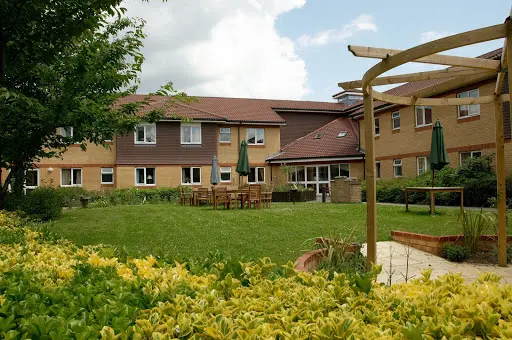
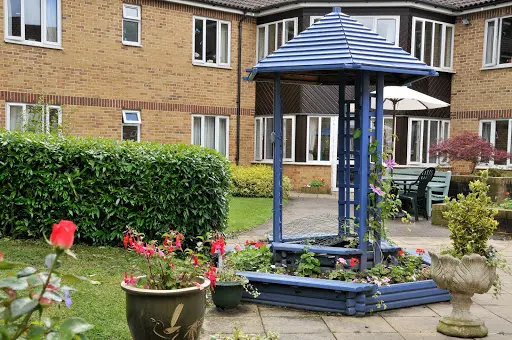
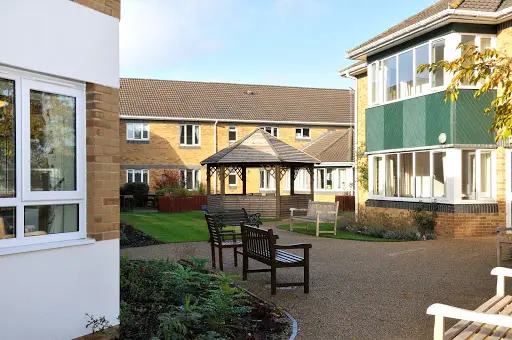
The rooms offer good space for residents to make their own, and the whole environment feels fresh and well-maintained. While meals meet nutritional needs reliably, families note there's scope for more variety in fresh vegetables and salads — something the home appears to be working on.
“It's this combination of watchful care and quick response that helps families feel their loved ones are in capable hands.”
DCC does not edit or curate content in this tab. For independently curated information, see The Evidence and DCC Verdict.